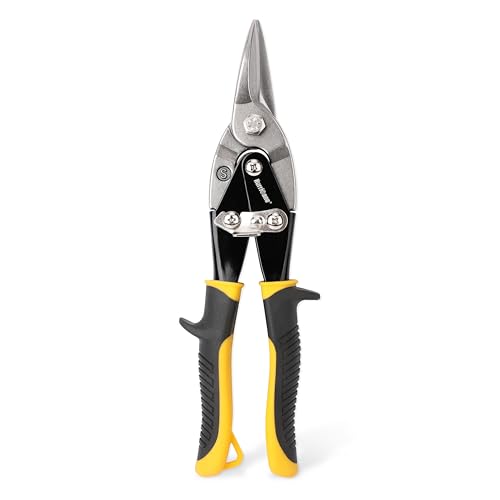

How to Remove Rust from Pruners: A Complete Guide
To remove rust from pruners, soak them in white vinegar overnight. Scrub the rust off using steel wool or a wire brush. For stubborn rust, apply a commercial rust remover following the product instructions. Once clean, rinse thoroughly and dry completely. Prevent future rust by wiping pruners dry after each use, applying light machine oil, and storing them in a dry place.
Are your favorite pruning shears looking more orange than silver these days? Don’t worry – you’re not alone in the battle against rust. As a gardening enthusiast and tool maintenance expert, I’m here to guide you through the process of bringing your rusty pruners back to life. Let’s dive into everything you need to know about rust removal and prevention.
Why Do Pruners Rust?
Rust is like an uninvited guest that shows up after your pruners have been exposed to moisture and oxygen. It’s a natural chemical reaction that occurs when iron-containing metals are exposed to water and air. Your pruners are particularly susceptible because they’re frequently used in damp conditions and sometimes stored while still wet.
Understanding Different Types of Rust
Before we jump into removal methods, it’s important to identify what we’re dealing with. There are two main types of rust you might encounter on your pruners:
Surface Rust
This is the newcomer – a light orange coating that’s just starting to form. Think of it as rust in its teenage years, not fully committed to damaging your tools yet. Surface rust is easier to remove and hasn’t caused significant damage to the metal underneath.
Deep Rust
This is the stubborn elder sibling of surface rust. It’s been around longer, dug its heels in, and started pitting the metal. Like a bad tenant, it’s harder to evict and may have already caused some permanent damage.
Safety First: Preparing for Rust Removal
Essential Protective Equipment
Before we start, let’s gear up properly:
- Rubber gloves
- Safety goggles
- Dust mask (especially for mechanical removal methods)
- Work apron or old clothes
Setting Up Your Workspace
Create a well-ventilated area with good lighting. You’ll need:
- A sturdy work surface
- Good ventilation
- Proper lighting
- Newspaper or drop cloth to protect surfaces
Rust Removal Methods: Your Options Explained
The Vinegar Soak Method
This natural approach is like giving your pruners a spa day. Here’s how to do it:
- Disassemble your pruners if possible
- Submerge them in white vinegar
- Let them soak for 12-24 hours
- Scrub with a wire brush
- Rinse and dry thoroughly
Chemical Rust Removers
When vinegar isn’t cutting it, commercial rust removers can step in. These products are like professional cleaning services for your tools:
- Choose a rust remover suitable for garden tools
- Apply according to manufacturer’s instructions
- Monitor the process closely
- Rinse thoroughly after treatment
Mechanical Removal Techniques
Using Sandpaper
Start with coarser grit (80) and work your way up to finer grits (200+). Think of it as exfoliating your pruners – you start rough and finish smooth.
Wire Brush Method
Use a wire brush to scrub in circular motions, applying consistent pressure. This is like using a firm toothbrush to clean stubborn stains.
Steel Wool Application
Fine steel wool (grade 0000) can help polish and remove final traces of rust. This is your finishing touch, like buffing a car to perfection.
Preventing Future Rust: Maintenance Tips
Regular Maintenance Routine
- Clean after each use
- Dry thoroughly
- Apply light machine oil
- Check for early signs of rust
- Sharpen regularly
Proper Storage Solutions
Think of storing your pruners like tucking them in for the night:
- Keep them in a dry place
- Use silica gel packets in storage
- Hang them instead of leaving them on surfaces
- Consider a tool rack or dedicated storage solution
Frequently Asked Questions
How often should I clean my pruners to prevent rust?
Clean your pruners after each use and do a deep clean monthly, depending on usage frequency and storage conditions.
Can WD-40 be used to remove rust from pruners?
Yes, WD-40 can help loosen rust and provide some protection, but it’s not as effective as dedicated rust removers for heavy rust.
Is it worth trying to save heavily rusted pruners?
If the rust hasn’t compromised the structural integrity of the tool and the blades aren’t pitted, restoration is usually worth the effort. However, if there’s significant pitting or damage, replacement might be more cost-effective.
Can I use sandpaper on the cutting edges of my pruners?
Be cautious when using sandpaper near cutting edges as it can affect the blade’s sharpness. Focus on the flat surfaces and use proper sharpening tools for the cutting edges.
How can I tell if rust has caused permanent damage to my pruners?
Look for pitting, flaking metal, or areas where the metal feels thin or rough even after rust removal. These are signs of permanent damage that might affect the tool’s performance.
Conclusion
Removing rust from pruners doesn’t have to be a daunting task. With the right approach and regular maintenance, you can keep your pruners in pristine condition for years to come. Remember, prevention is always easier than cure, so make tool maintenance a regular part of your gardening routine.