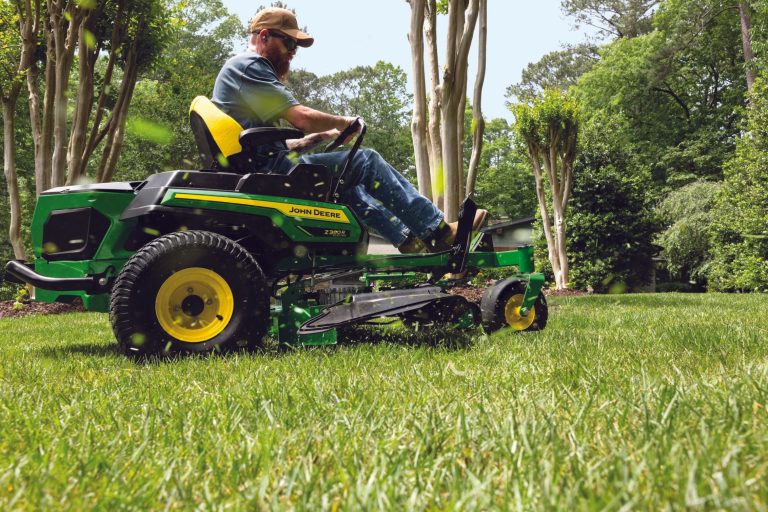
How to Change Briggs and Stratton Lawn Mower Oil: A Step-by-Step Guide for 2025
As a seasoned lawn care enthusiast, I know the importance of properly maintaining your Briggs and Stratton lawn mower. One of the most critical maintenance tasks is changing the engine oil regularly. Not only does this help extend the life of your mower, but it also ensures it runs smoothly and efficiently. In this comprehensive guide, I’ll walk you through the step-by-step process of changing the oil in your Briggs and Stratton lawn mower, so you can keep your grass looking its best year after year.
Why Change Your Lawn Mower’s Oil?
Changing the oil in your Briggs and Stratton lawn mower is essential for several reasons:
- Prolonged Engine Life: Fresh, clean oil lubricates the engine’s moving parts, reducing friction and wear. This helps your mower’s engine last longer, saving you money in the long run.
- Improved Performance: Dirty, degraded oil can reduce your mower’s power and efficiency, making it harder to cut through thick grass. Changing the oil ensures your mower runs at its best.
- Environmental Responsibility: Properly disposing of used oil is crucial for the environment. By changing your mower’s oil regularly, you can minimize your impact and do your part to keep our planet clean.
When Should You Change Your Lawn Mower’s Oil?
Briggs and Stratton recommends changing the oil in your lawn mower after every 50 hours of use or at the beginning of each mowing season, whichever comes first. However, it’s a good idea to check your owner’s manual for the specific oil change interval recommended for your model.
What You’ll Need
Before you get started, make sure you have the following items on hand:
- Replacement oil: Check your owner’s manual for the recommended oil type and quantity for your Briggs and Stratton lawn mower model.
- Oil drain pan: This will catch the used oil as you drain it from the mower.
- Wrench or socket set: You’ll need these to remove the oil drain plug and oil filter (if applicable).
- Rags or paper towels: For cleaning up any spills or drips.
Step-by-Step Guide to Changing Your Lawn Mower’s Oil
Follow these easy steps to change the oil in your Briggs and Stratton lawn mower:
1. Prepare the Mower
Start by ensuring your lawn mower is on a level surface and the engine is cool. This will allow the oil to drain completely. If your mower has been running recently, give it some time to cool down before proceeding.
2. Locate the Oil Drain Plug
Consult your owner’s manual to find the location of the oil drain plug on your specific Briggs and Stratton model. It’s usually located at the bottom of the engine, near the oil filter (if present).
3. Drain the Used Oil
Place the oil drain pan underneath the drain plug. Using the appropriate wrench or socket, slowly loosen the plug and allow the used oil to drain completely into the pan.
4. Replace the Oil Filter (if applicable)
If your Briggs and Stratton lawn mower has an oil filter, now is the time to replace it. Locate the filter, usually accessible from the top or side of the engine, and use a filter wrench to remove it. Apply a thin coat of new oil to the gasket of the replacement filter, then screw it on until secure.
5. Refill with Fresh Oil
Once the used oil has drained, replace the drain plug and tighten it securely. Then, use the oil fill tube to pour in the recommended amount and type of new oil, as specified in your owner’s manual.
6. Check the Oil Level
After refilling the oil, use the dipstick to ensure the level is within the recommended range. Add more oil if necessary, but be careful not to overfill.
7. Dispose of the Used Oil Properly
Don’t pour the used oil down a drain or onto the ground. Instead, contact your local recycling center or hazardous waste facility to find out the proper way to dispose of it in your area.
Conclusion
Changing the oil in your Briggs and Stratton lawn mower is a straightforward task that can make a big difference in the long-term performance and lifespan of your equipment. By following the steps outlined in this guide, you can ensure your mower is running at its best, while also doing your part to protect the environment. Remember to consult your owner’s manual for specific instructions and recommendations for your model, and don’t hesitate to reach out if you have any additional questions. Happy mowing!
Frequently Asked Questions
Q1: How often should I change the oil in my Briggs and Stratton lawn mower?
Briggs and Stratton recommends changing the oil after every 50 hours of use or at the beginning of each mowing season, whichever comes first. However, it’s best to check your owner’s manual for the specific oil change interval recommended for your model.
Q2: What type of oil should I use in my Briggs and Stratton lawn mower?
The type of oil you should use will depend on your specific Briggs and Stratton lawn mower model. Refer to your owner’s manual for the recommended oil type and quantity. In general, you’ll want to use a high-quality, SAE 30 or 10W-30 motor oil.
Q3: Can I use synthetic oil in my Briggs and Stratton lawn mower?
Yes, you can use a synthetic motor oil in your Briggs and Stratton lawn mower. Synthetic oils can provide even better protection and performance than conventional oils, especially in high-stress environments like lawn mower engines. Just be sure to use the type and quantity recommended by your manufacturer.
Q4: How do I properly dispose of the used oil from my lawn mower?
Never pour used oil down a drain or onto the ground, as this can be harmful to the environment. Instead, contact your local recycling center or hazardous waste facility to find out the proper way to dispose of used oil in your area. Many municipalities and automotive stores also offer oil recycling programs.
Q5: Is it necessary to change the oil filter when changing the oil in my Briggs and Stratton lawn mower?
It’s a good idea to change the oil filter whenever you change the oil in your Briggs and Stratton lawn mower. The filter helps remove impurities from the oil, and over time, it can become clogged, reducing its effectiveness. Refer to your owner’s manual for specific instructions on locating and replacing the oil filter for your model.