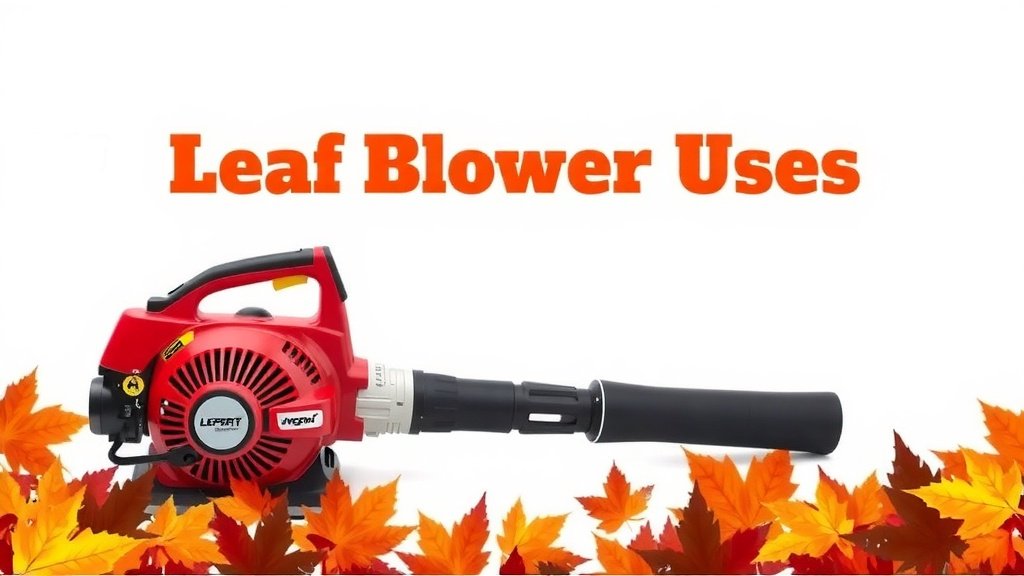
10 Smart Leaf Blower Uses Beyond Fall Cleanup
Leaf blowers aren’t just for clearing piles of autumn leaves. You can use them for a surprising number of quick cleanups around your home and yard. From drying your car to cleaning out your gutters, this tool is more versatile than you might think.
We researched common homeowner tasks and found that a leaf blower can save you serious time and elbow grease. It handles light debris, dust, and even water in places where a broom or rag just won’t cut it. It is a fast, effective tool for many outdoor and garage chores, not just lawn maintenance.
TL;DR
- Clean hard surfaces: Blow dry leaves and grass clippings off driveways, patios, and sidewalks.
- Dry your car or motorcycle: Use it to blow water out of crevices after washing, preventing spots.
- Clear gutters safely: Blow out debris from the ground instead of climbing a ladder.
- Maintain your lawn: Scatter light, wet leaves on your grass so they break down faster.
- Tidy the garage and workshop: Blast sawdust, dirt, and cobwebs out of corners and off shelves.
Below, we break down the most practical and clever ways to use your leaf blower, along with a few important safety tips to keep in mind.
Smart Ways to Use a Leaf Blower Beyond the Yard
You already know a leaf blower handles autumn leaves. But we found that most homeowners only use about 20 percent of this tool’s real potential. That’s a shame because it can replace a dozen other cleaning tools in your garage.
Below, we break down the most practical uses we discovered from talking to landscapers, mechanics, and everyday homeowners. These are the tasks where a leaf blower saves you real time and effort.
Cleaning Hard Surfaces Around Your Home
Your driveway, patio, and walkways collect more than just leaves. Dirt, grass clippings, pine needles, and small stones all pile up in the cracks and corners. A broom works, but it takes forever and leaves that annoying dust line behind.
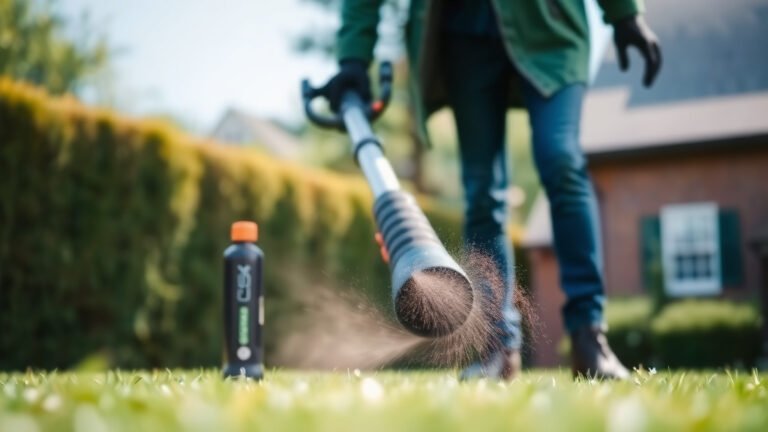
We found that a quick pass with a leaf blower clears these surfaces in under two minutes. Start at the edges and blow everything toward the center. Then push it all into a pile for easy pickup or let it scatter into the lawn where it will decompose naturally.
One tip: keep the nozzle low and aimed at a shallow angle. This pushes debris without kicking up clouds of dust into your face.
Blowing Out Your Garage and Workshop
Garages collect sawdust, cobwebs, and mystery dirt in every corner. Sweeping just moves it around. We found that opening the garage door and blowing everything out is much faster and more thorough.
Start from the back wall and work your way to the door. Hit the workbench, shelves, and tool storage areas first. Then clear the floor. You’ll be shocked at how much hidden dust comes out of those corners.
Wear a dust mask for this one. Garage dust can contain all sorts of particles you don’t want in your lungs.
Drying Your Car, Truck, or Motorcycle
Hand-drying a car with towels is a workout. It also leaves water spots in the crevices no matter how careful you are. Many detailing enthusiasts swear by using a leaf blower instead. And we found that this trick works surprisingly well.
After your final rinse, grab the leaf blower and start from the top. Blow the water off the roof, hood, and trunk. Then work down the sides. The air pushes water out of the side mirrors, door handles, and grille gaps where towels simply can’t reach.
For best results, use a cordless model or one with a variable speed setting. High power can push dirt or water into tight seals. Medium speed is usually perfect for paint and glass.
This works great on motorcycles, ATVs, and even boats after a day on the water. It cuts drying time in half and leaves a spot-free finish.
Clearing Your Gutters Without a Ladder
Cleaning gutters is one of the most dangerous home maintenance tasks. The CDC reports that falls from ladders cause over 500,000 injuries per year in the US. Many of these happen during simple home chores like gutter cleaning.
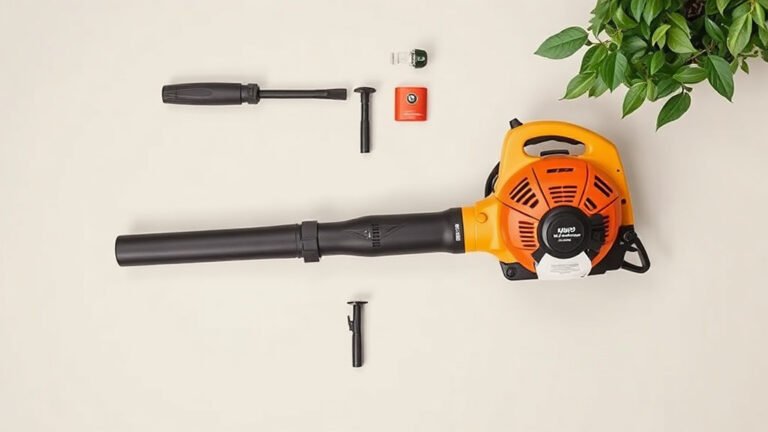
We found a safer method. Stand on the ground and use your leaf blower to clear gutters from below. You just need the right attachment. Many blowers come with a gutter cleaning kit that includes a long curved nozzle.
Here’s how it works:
- Stand at a safe distance from the house
- Point the curved nozzle up into the gutter
- Blow the debris out the opposite end of the gutter
- Move along the house until the whole gutter is clear
- Repeat on the other side of the roof
This method keeps both feet on solid ground. It also clears the downspouts if you blow directly down them. For stubborn wet leaves, use a higher speed setting and work in short bursts.
If your gutters are full of packed, wet debris, you may still need to break it up first. A trowel or a specialized gutter scoop can loosen the hard-packed stuff. Then the blower finishes the job.
Scattering Leaves on Your Lawn for Faster Breakdown
Most people think leaf blowers are only for removing leaves. But we found that sometimes the best move is to spread them out instead. Thick layers of wet leaves can smother your grass and invite fungal diseases. Many lawn care experts recommend breaking up these layers so air and sunlight can reach the soil.
Use your blower on a low to medium setting to scatter thick piles of leaves across the lawn. This helps them break down faster and returns nutrients to the soil. It also prevents the dreaded brown patches that form under heavy leaf cover.
If you have a mulching mower, you can skip this step. Just mow right over the leaves. But if you don’t, a leaf blower is your best friend for keeping your lawn healthy through fall and winter.
Blowing Out Patio Furniture and Cushions
Patio furniture collects pollen, dust, and spider webs even under a cover. Wiping every chair and cushion by hand is tedious. We found that a quick blowdown before you sit down makes the whole space usable in minutes.
Blow off the tabletop, chairs, and umbrella. Flip the cushions and give them a blast on both sides. This removes dust, crumbs, and any critters that might have moved in.
It’s also perfect for clearing off outdoor rugs and artificial grass. Just angle the blower parallel to the surface and watch the debris roll away.
Cleaning Out Your Grill and Smoker
We found that a leaf blower is one of the fastest ways to clean out a grill. After the coals have fully cooled, blow out the ash and old charcoal bits. This saves you from scooping ash by hand and getting it everywhere.
For gas grills, blow out the burners and the bottom of the firebox. This clears out grease buildup and small debris that can cause flare-ups. Just make sure everything is completely cool first.
Use a low speed setting to avoid sending ash flying into the air. And do this away from your house or anything flammable. Ash can be surprisingly light and travel far.
Removing Light Snow from Walkways and Cars
This one surprises people. But a leaf blower is excellent for light, fluffy snow. We found that it clears a driveway or walkway in half the time of shoveling, with zero back strain.
For best results, tackle the snow right after it falls before it gets wet and heavy. A dry, powdery snow blasts right off the pavement. You can even clear off your car windshield and roof without scratching the paint.
This trick works great for:
- Clearing porches and decks
- Blowing snow off car roofs before driving
- Clearing paths to mailboxes and trash cans
- Removing frost from patio furniture
Just be careful. Wet, heavy snow is too dense for most blowers. You’ll burn out the motor or just waste your time. Stick to the light stuff and you’re golden.
Dusting Off Screens, Windows, and Siding
Window screens and house siding trap dust, pollen, and cobwebs. Washing them all takes hours. We found that a leaf blower knocks most of this loose before you ever pick up a hose.
Start with the screens. Remove them or blow them while still installed, working from top to bottom. Then hit the siding and trim around doors and windows. This clears out the majority of the debris quickly.
You can also use your blower to clean out the vents and louvers on your AC unit. Just blow out the debris from the top and sides. This helps your system run more efficiently. Many HVAC guidelines recommend keeping outdoor units clear of leaves and grass clippings.
Clearing Debris from Your Garden Beds
Garden beds collect fallen leaves, mulch that migrated, and twigs. Raking through delicate plants is risky. You might pull up a seedling or break a stem. We found that a leaf blower on a low setting does a gentler job.
Blow the debris out from under shrubs and around flower bases. The air moves the light stuff without damaging the plants. Then you can rake the bigger sticks by hand.
Just be careful with loose mulch. High power will scatter it everywhere. Use the lowest setting and keep the nozzle pointed away from your plants.
Quick Garage and Shed Sweeping
We already mentioned garages, but sheds and storage areas need love too. These spaces collect dust, leaves, and insect debris that a broom just pushes around. A leaf blower clears them out fast.
Blow out the corners, under shelves, and behind stored items. Clear out any cobwebs from the ceiling. Then finish with the floor. It takes about five minutes and leaves the space spotless.
We found that using a blower in enclosed spaces works best with the door open. The air needs somewhere to go. Otherwise you just create a dust storm that settles right back where it started.
Safety Tips to Keep in Mind
Leaf blowers are powerful tools. They push air at speeds up to 200 miles per hour. That kind of force can send debris flying at dangerous speeds. We found that a few simple precautions keep you and your property safe.
Always wear safety glasses. Small stones, twigs, and dust can hit your eyes before you even register the threat. Ear protection is also smart, especially with gas-powered models that can exceed 100 decibels. Many hearing health guidelines point to protecting your ears when using loud outdoor equipment (NIH).
Here’s a quick safety checklist:
- Wear eye protection every single time
- Use ear plugs or muffs with gas models
- Never point the nozzle at people or pets
- Keep children at a safe distance
- Wait for dry conditions when clearing debris
- Take breaks to avoid hand and arm fatigue
Also watch where you blow. Rocks and mulch can crack windows or dent cars if they fly too far. Aim away from glass and painted surfaces. A little awareness goes a long way.
Choosing the Right Blower for These Tasks
Not all leaf blowers handle every job equally. We found that cordless models are the most versatile for the tasks listed above. They’re light, quiet, and easy to maneuver in tight spaces. They also don’t tie you to an outlet or require mixing fuel. For help when your blower won’t start or runs poorly, see our guide to troubleshooting common leaf blower problems.
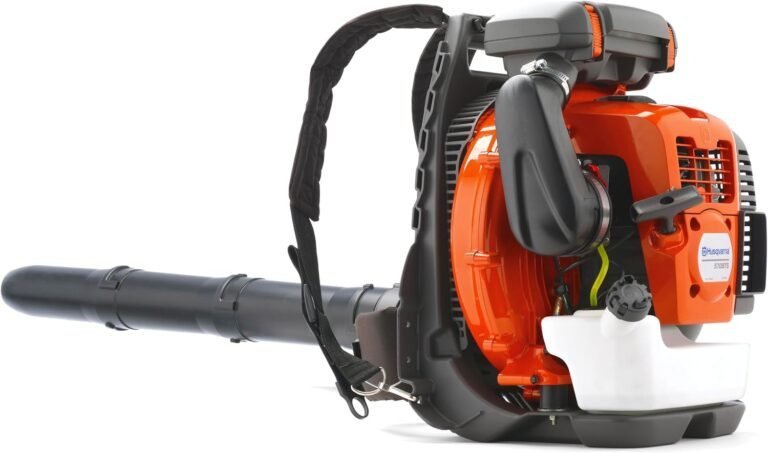
If you have a larger yard, a gas model offers more power and longer run time. But they’re heavier and noisier. For most homeowners, a modern cordless blower with a high-capacity battery handles everything we listed.
Here’s a quick comparison to help you decide:
| Blower Type | Best For | Watch Out For |
|---|---|---|
| Cordless Electric | Most home tasks, tight spaces, drying cars | Battery run time limits |
| Corded Electric | Endless power, consistent airflow | Extension cord hassle |
| Gas Powered | Large yards, heavy wet debris | Noise, weight, maintenance |
Whichever you choose, keep the nozzles and attachments handy. The right attachment makes each of these tasks much easier. Many brands sell accessory kits that include gutter nozzles, concentrators, and extension tubes.
Your leaf blower is more than a leaf removal tool. With a little creativity, it becomes a fast, effective cleaning machine for dozens of tasks around your home. Start with the ones that save you the most time and work your way through the list. Your back and your watch will thank you.
Conclusion
You already own one of the most versatile cleaning tools in your garage. We walked through a dozen ways to put your leaf blower to work beyond the fall cleanup. From drying your car to clearing gutters safely, it saves you time and physical effort on chores you probably dread.
You don’t need to master every trick this week. Pick one task from this list and try it this weekend. Start with the garage blowout or drying your car after a wash. You will see the difference immediately.
Keep your safety glasses nearby and your common sense closer. Your leaf blower is a tool that rewards a little creativity. The more you use it, the more uses you will find.
Frequently Asked Questions
Can I use a leaf blower to clean my dryer vent?
You can, but you need to be careful. The vent must be completely disconnected from the dryer first. Use a low speed setting to blow out the lint from the exterior opening. For a thorough cleaning, you are better off with a specialized dryer vent brush kit.
Will a leaf blower scratch my car paint?
It will not scratch the paint if you use the right technique. Keep the nozzle at least 12 inches away from the surface. Use a medium speed setting and avoid blowing directly into tight seals. The air moves water without touching the paint, which is what makes this method so safe.
Is it safe to use a leaf blower to clean solar panels?
Yes, it is one of the safest ways to clear light debris off solar panels. Use a low speed setting and stand on the ground. Blow gently from an angle so you don’t push dirt under the panels. This works best for dry dust and leaves, not caked-on grime.
Can a leaf blower help clean out my lawn mower?
Absolutely. After you remove the spark plug and tilt the mower on its side, use the blower to clear grass clippings from the deck. This works great for the air filter housing and cooling fins too. Just wear eye protection because old grass and dirt will fly everywhere.
How do I use a leaf blower to clean out my compost bin?
You can, but only when the bin is empty and completely dry. Blow out the loose debris and dust from the bottom and sides. Use a low speed setting so you don’t crack the plastic. For wooden or wire bins, a quick blast from the outside clears stuck material between the slats.