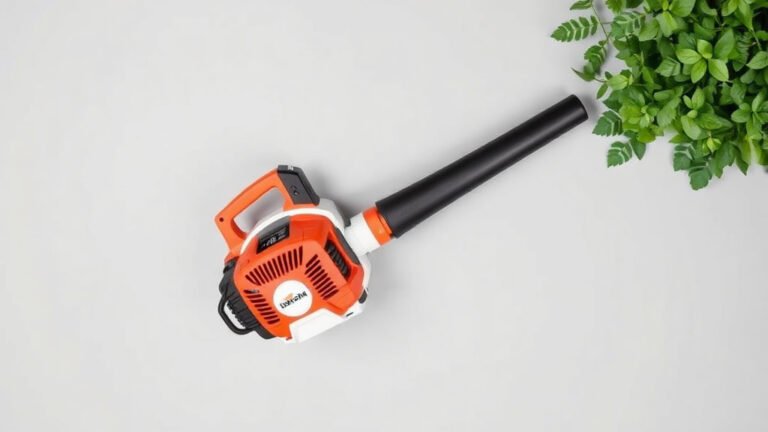

Does a Leaf Blower Take Mixed Gas? Key Facts
No, most leaf blowers do not take mixed gas. The vast majority of gas-powered leaf blowers run on straight, unleaded gasoline. You only need to mix oil into the gas if you own a specific type of machine with a two-stroke engine, which is typically smaller and lighter.
We found that this is one of the most common mix-ups for homeowners. It’s easy to confuse a leaf blower with a weed eater or chainsaw, which often require a 50:1 fuel mixture. The simplest way to know for sure is to check the fuel cap and the owner’s manual, but we will help you identify your engine type in a minute.
- Four-stroke engines are standard in most handheld and backpack blowers; they use pure, unmixed gasoline.
- Two-stroke engines are found in some cheaper or lighter-duty models; they require a specific oil and gas mixture (usually 50:1).
- Check the fuel cap for a small gas pump icon or the words “Do not mix oil.”
- Using mixed gas in a four-stroke engine can cause excessive smoke, fouled spark plugs, and expensive damage.
- If you are still unsure, look for a separate oil fill cap—that means it is a four-stroke engine.
Below, we break down exactly how to tell which type of engine you have and what to pour into the tank. Let’s walk through the quick steps so you can get back to your yard work without any worries.
What Fuel Your Leaf Blower Actually Needs
We found that the easiest way to think about this is to check how your engine breathes and burns fuel. You have one of two engine types. Your leaf blower either has a four-stroke engine or a two-stroke engine. That single detail decides everything about your fuel.
Four-stroke engines have a separate oil reservoir. You pour pure gasoline into the fuel tank. Two-stroke engines need you to mix oil directly into the gas before it hits the engine. This is why you hear the phrase “mixed gas” thrown around. It only applies to two-stroke machines.
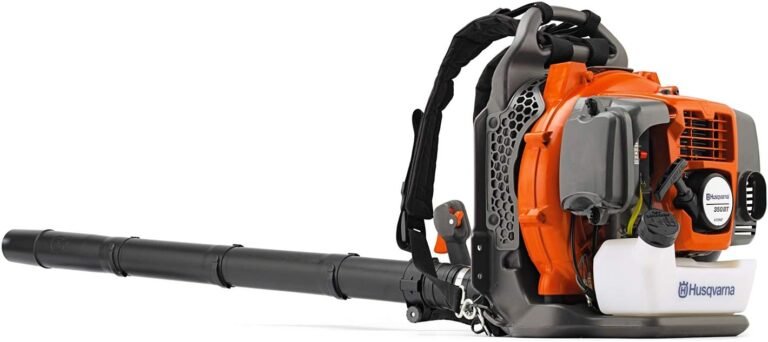
Let’s make this practical. We researched the most common gas blowers on the market. The majority of handheld and backpack models sold today run on straight gas. You only need to worry about mixing when you have a lightweight, budget-friendly unit. For a closer look at top-rated models, see our guide to the best backpack leaf blowers.
How to Spot a Four-Stroke Engine Quickly
You can usually tell your engine type in about ten seconds. Look for a small oil cap on the top or side of the engine. This cap has a tiny oil can symbol on it. If you see that, you have a four-stroke engine. That means your fuel tank takes pure, unblended gasoline.
Another clue is the fuel cap itself. Many four-stroke blowers have a cap that says “Do not mix oil” or shows a fuel pump icon with a slash through an oil can. These labels exist because people accidentally pour pre-mixed fuel into the wrong machine all the time.
If your blower is quiet and heavy, it is almost certainly a four-stroke. These engines use valves and a more complex design. They are the same type of engine found in a lawn mower. You never mix oil for a lawn mower, right? Same logic applies here.
When You Do Need Mixed Gas
Two-stroke engines are lighter and simpler. They do not have a separate oil system. Instead, the oil is burned right along with the fuel. This is why the oil must be pre-mixed. Most two-stroke leaf blowers require a 50:1 ratio. That means 50 parts gas to 1 part oil.
How do you know if you have one? Check the fuel cap. If it has a small fuel pump icon with a gas can symbol on it, and there is no separate oil cap anywhere, you have a two-stroke. Another hint is the smell. Two-stroke exhaust has a distinctive, slightly sweet odor because of the burning oil.
We found that two-stroke blowers are usually the cheapest models. They are also lighter and easier to carry for long periods. If you bought a budget handheld blower from a big-box store, there is a real chance it needs mixed fuel. Always double-check before you fill the tank.
What Happens If You Use the Wrong Fuel
Mistakes happen. Maybe you grabbed the wrong gas can from the garage. Or a friend borrowed your blower and filled it up. We want you to know the risks so you can act fast if this happens.
If you put mixed gas into a four-stroke engine, the oil will not burn correctly. The engine will produce a thick cloud of white or blue smoke. The spark plug will get coated in oil and stop firing properly. The engine may run rough or die completely.
Over time, the excess oil will create carbon deposits inside the engine. These deposits can clog the small oil passages. That leads to poor lubrication. Eventually, you could face a seized engine. That is a repair bill you do not want.
The Damage Timeline You Should Know
Here is the honest truth. A single tank of mixed gas will not instantly destroy a four-stroke engine. Many experts say you can drain the tank and refill it with pure gas. The engine might smoke for a few minutes, but it will likely recover.
The real danger comes from running the blower for extended periods with the wrong fuel. If you run multiple tanks of mixed gas through a four-stroke, the damage compounds. You may notice hard starting, loss of power, and excessive smoke. The fix usually requires a new spark plug and a thorough carburetor cleaning.
We found that the opposite mistake is less common but worse. Putting pure gas into a two-stroke engine means there is no lubrication. The piston and cylinder will rub against each other with no film of oil. This causes severe scoring and heat damage in minutes. The engine will seize. You will need a complete rebuild or a new unit.
How to Fix a Fuel Mix-Up Immediately
If you realize you used the wrong fuel, stop the engine right away. Do not let it idle. Turn it off and drain the fuel tank completely. Use a siphon pump or tip the blower to pour the fuel into a safe container.
For a four-stroke with mixed gas, fill the tank with fresh, pure gas. Run the engine for about five minutes. This helps burn off any residual oil. Expect some smoke during this period. That is normal.
For a two-stroke with pure gas, drain the tank. Mix fresh fuel at the correct ratio and refill. If the engine was only run for a few seconds, it might be fine. If it ran for several minutes, you risk internal damage. Listen for unusual knocking sounds or a loss of power.
Step-by-Step Guide to Identifying Your Engine Type
We want you to be 100% certain before you pour anything into that tank. Use this simple checklist. We recommend doing this in your driveway or garage where you have good lighting.
- Find the engine model number and look it up online if needed.
- Look for a separate oil fill cap with an oil can icon.
- Check the fuel cap for warning labels about oil mixing.
- Read the first page of the owner’s manual if you still have it.
- Shake the blower slightly and listen for oil sloshing in a separate reservoir.
- When in doubt, call the manufacturer’s customer service line.
We found that most people can identify their engine type in under two minutes. The manual is the most reliable source. If you lost it, most manuals are available as PDFs on the brand’s website. You just need the model number printed on a sticker near the handle.
Why This Confusion Happens So Often
You are not alone in being confused. We hear about this mix-up constantly. The reason is simple. Other yard tools use two-stroke engines all the time. Weed eaters, chainsaws, and hedge trimmers are often two-stroke. People naturally assume all small engines work the same way.
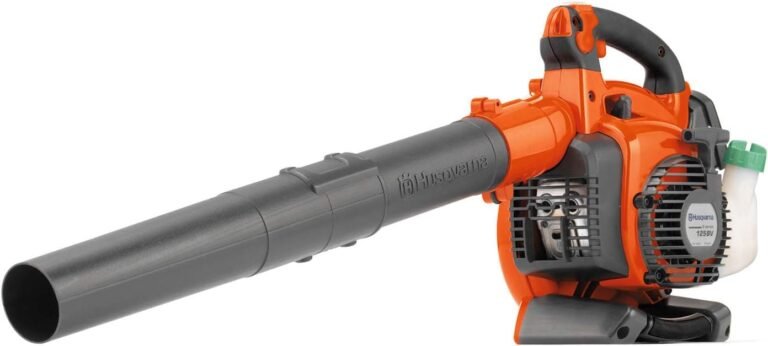
Leaf blowers are different. Because they need to be lighter for handheld use, many manufacturers switched to four-stroke designs. These engines are quieter and produce fewer emissions. They also burn cleaner and last longer. That is a win for you and your neighbors. If you’re considering a specific model, our Husqvarna 125BVx review covers its fuel and performance details.
Another factor is the fuel container itself. Many gas cans are labeled for “mixed fuel” or “2-cycle.” If you own several tools, it is easy to grab the wrong can. We recommend using clearly labeled cans and storing them in different locations.
How to Avoid Future Fuel Mix-Ups
The best solution is to create a simple labeling system. Use a permanent marker to write “MIXED” on the side of the can meant for two-stroke tools. Use another color for the pure gas can. Red is standard for gas, but you can add a bright sticker.
Another tip is to keep your fuel cans in separate areas. Store the mixed gas can near your weed eater or chainsaw. Store the pure gas can near your mower and blower. This physical separation prevents mistakes.
We also recommend using a fuel stabilizer in your pure gas. This keeps the fuel fresh for months. A stale fuel mixture can cause hard starting and gummed-up carburetors. Many guidelines point to fuel stabilizers as a smart investment for any small engine owner (Consumer Reports).

Fuel Types and Octane Ratings Explained
Now that you know whether you need mixed gas, let’s talk about the gasoline itself. For both engine types, you should use regular unleaded gasoline. Most experts say 87 octane is perfectly fine. You do not need premium fuel for a leaf blower.
There is one important caveat. Gasoline that contains more than 10 percent ethanol can be problematic. Ethanol attracts moisture and can damage small engine components. Look for fuel with no ethanol or a maximum of 10 percent ethanol content.
| Fuel Type | Best For | Oil Required | Common Ratio |
|---|---|---|---|
| Pure gasoline | Four-stroke engines | No oil mixed in | Not applicable |
| Pre-mixed fuel | Two-stroke engines | Oil already added | Usually 50:1 |
| Ethanol-free gas | Both engine types | Depends on engine | Depends on engine |
Pre-mixed fuel is available at most hardware stores. It comes in a can and is ready to pour. This is a great option if you do not want to measure oil yourself. It is more expensive, but it saves time and eliminates guesswork.
What the 50:1 Ratio Really Means
If you do need to mix your own fuel, you need to understand the ratio. A 50:1 ratio means you add one part of two-stroke oil to 50 parts of gasoline. For one gallon of gas, you add 2.6 fluid ounces of oil. This is a common measurement used by most brands today.
Some older models may require a 40:1 ratio. That is 3.2 fluid ounces of oil per gallon. Check your manual for the exact specification. Using the wrong ratio can cause issues. Too little oil leads to engine damage. Too much oil leads to heavy smoke and carbon buildup.
We found that mixing in a separate, clean gas can is the safest method. Never mix directly in the leaf blower tank. You will not get a proper blend. Shake the can thoroughly before pouring the fuel into your blower.
When to Check the Owner’s Manual
We have given you all the visual cues. But the manual is the final authority. We found that many manuals have a specific page dedicated to fuel requirements. Look for a section titled “Fuel” or “Refueling.” This will state clearly whether you need mixed gas or pure gas.
If you bought the blower used and have no manual, you can find it online. Search for the brand and model number. Most manufacturers host PDF copies of their manuals. This is a reliable, quick fix for your confusion.
Another option is to look for the emissions sticker. Many engines have a sticker that lists the fuel type and oil requirements. It is usually placed near the starter cord or on the side of the engine housing. Give it a quick wipe with a rag if it is dirty.
Final Checks Before You Pull the Cord
You are about to fill that tank. Do one last mental check. Ask yourself: Does this blower have a separate oil cap? If yes, use pure gas. If no, and you see a small gas cap only, you likely need mixed fuel.
We also suggest writing a small note with tape on the fuel tank. Write “PURE GAS” or “MIXED 50:1” on it. This simple reminder will help you next season when you are tired and in a hurry. It is a tiny effort that saves you from a big headache.
Remember, your owner’s manual is your best friend here. When everything else is unclear, trust the printed word. A few minutes of checking now can save you hours of repair work later.
Conclusion
You now have everything you need to fill your leaf blower with confidence. The golden rule is simple: check for a separate oil cap. If you see one, pour in pure, unmixed gasoline. If you do not see one, you likely have a two-stroke engine that needs a 50:1 mix.
Using the wrong fuel is a common mistake, but it is also preventable. A few seconds of checking can save you from a costly repair or a seized engine. Label your gas cans clearly. Keep your owner’s manual handy. When you are unsure, look up the model number online.
Your next step is to grab your blower and do the ten-second visual check right now. Find the fuel cap and the oil fill cap. Once you know your engine type, you can buy the correct fuel and get back to your yard work.
Frequently Asked Questions
Can I use 2-cycle fuel in a 4-cycle leaf blower?
No, you should never use 2-cycle mixed fuel in a 4-cycle leaf blower. The extra oil will cause heavy smoke, foul the spark plug, and leave carbon deposits inside the engine. If this happens, drain the tank right away and refill with pure gas.
What color is the fuel cap on a leaf blower that takes mixed gas?
There is no universal color code for fuel caps across all brands. You cannot rely on cap color alone to tell you the fuel type. You need to look for a separate oil fill cap or check the labels printed near the fuel tank.
Will one tank of mixed gas ruin a leaf blower?
One tank of mixed gas will not instantly ruin a four-stroke leaf blower. You should drain the tank and refill it with pure gasoline. The engine may smoke for a few minutes, but it will likely recover without lasting damage.
Do battery leaf blowers require any fuel mixing?
Battery leaf blowers do not use any gasoline at all. They run on rechargeable lithium-ion batteries. You only need to worry about mixed gas or pure gas if you own a gas-powered model.
Is premium gas better for a leaf blower than regular gas?
Premium gas is not necessary for most leaf blowers. Regular 87-octane unleaded gasoline works perfectly fine for both two-stroke and four-stroke engines. You will not get any performance boost from using a higher octane fuel.