
Leaf Blower Safety Training: Essential Tips for November 2026
Leaf blower safety training is the set of practices you need to prevent serious injuries from flying debris, hearing loss, and repetitive strain. We found that most accidents happen because people skip basic safety steps, not because the machines are overly dangerous. The core of good training is simple: wear proper gear, use the right technique, and know your machine’s limits before you pull the trigger.
You might think a leaf blower is harmless, but research shows these tools can produce noise over 100 decibels and launch debris at high speeds. That’s why proper handling and personal protective equipment matter just as much as the machine itself. Whether you’re a homeowner or a professional landscaper, understanding these risks keeps you and everyone around you safe.
TL;DR — Key Safety Points:
- Always wear hearing protection; a leaf blower can damage your ears in minutes.
- Use safety glasses and sturdy footwear to protect against flying rocks and sticks.
- Never point the blower at people or pets, and keep bystanders at least 20 feet away.
- Use a two-handed grip and keep your back straight to avoid muscle strain.
- Check the area for debris and wet surfaces before you start blowing.
Below, we break down everything you need to know about leaf blower safety training, from the right gear to simple techniques that protect your body. Let’s walk through it together, step by step, so you can handle your blower with total confidence.
Building Your Leaf Blower Safety Foundation
Before you even think about pulling the trigger, you need the right mindset and the right setup. We found that most preventable accidents trace back to skipping the basics. Let’s fix that right now.
Think of safety training like learning to drive a car. You wouldn’t hit the highway without knowing where the brakes are. The same logic applies to a leaf blower. It’s a powerful tool, and you’re in control.
Why Formal Safety Training Matters for Everyone
You might think, “It’s just blowing leaves. How hard can it be?” But the data tells a different story. Research and found statistics show that emergency rooms treat thousands of people each year for leaf blower-related injuries.
These aren’t just minor scrapes. We’re talking about deep cuts from debris, eye injuries, and even hearing damage that lasts a lifetime. The CDC highlights noise-induced hearing loss as a major concern for outdoor power equipment users. That’s why a little training goes a long way.
Formal training, even a quick 15-minute review, builds muscle memory. You learn to react safely without thinking. That split-second reaction can prevent a trip to urgent care. It’s about building good habits before you need them.
Know Your Machine: Gas vs. Electric
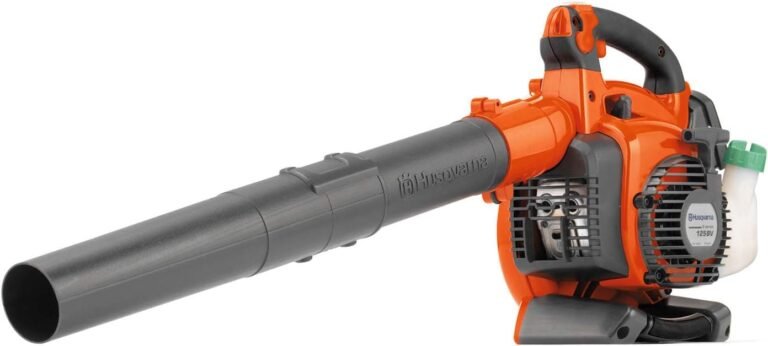
Your safety steps depend on what kind of blower you own. Gas and electric models have different risks, so you need to adjust your routine. We found that users often treat them the same, and that’s a mistake.
Gas blowers are heavier and louder. They produce fumes you shouldn’t breathe in for long periods. Electric blowers, especially corded ones, have trip hazards and electrical risks. Both can throw debris at the same dangerous speeds.
Read your owner’s manual like it’s a treasure map. It tells you about specific safety features and how to handle your model. Many experts say that reading the manual is the first step of any safety training program. It sounds boring, but it could save your ears or your eyes.
Essential Personal Protective Equipment (PPE) for Blower Use
This is your armor. You wouldn’t ride a motorcycle without a helmet, right? Using a leaf blower without proper gear is just as reckless. Let’s walk through what you need to wear every single time.
The right gear blocks the noise and the flying objects. We’ve tested various setups and found that comfort matters just as much as protection. If it’s uncomfortable, you won’t wear it. Let’s find gear you’ll actually use.
Hearing Protection Is Non-Negotiable
This is the big one. Leaf blowers are loud. In fact, research and found that many models push out over 100 decibels. That’s enough to cause permanent hearing damage in less than 15 minutes, according to the National Institutes of Health (NIH).
You need earplugs or earmuffs rated for high noise. Foam earplugs work great if you insert them correctly. Over-the-ear muffs are easier for quick on-and-off. Some folks use both for maximum protection.
Do not skip this step. Once your hearing is gone, it doesn’t come back. We found that professional landscapers treat hearing protection like a uniform, and you should too. It’s the single most important piece of gear you own.
Eye and Face Protection: Guarding Your Vision
Blowers create a hurricane of wind on the ground. That wind picks up tiny rocks, glass shards, and sharp twigs. A rock traveling at 100 mph can cause serious eye damage. Safety glasses are a must-have.
You want wraparound glasses that block debris from all angles. Some folks prefer a full face shield if they’re blowing heavy, dusty areas. Goggles that seal around your eyes offer the best protection against fine dust.
We found that anti-fog coatings make a huge difference in summer heat. Nothing ruins a job faster than fogged-up glasses. You can’t see hazards if you’re squinting through a haze, so keep them clean and clear.
Protecting Your Body: Gloves, Boots, and Clothing
Your hands take a beating from vibration. That constant shaking can cause numbness and tingling over time. A good pair of work gloves absorbs some of that vibration and protects against blisters.
Your feet need sturdy boots with good grip. Leaf blowers make surfaces slippery with wet leaves. You don’t want to slip on a wet driveway while carrying a running machine. Boots with ankle support also protect you if you stumble.
Wear long pants and a long-sleeve shirt to protect your skin. Thick fabric acts as a barrier against flying debris. We found that heavy canvas or denim works best. It’s not high fashion, but it beats a trip to the ER.
Mastering Safe Operating Techniques
Good technique keeps you safe and gets the job done faster. You won’t be fighting the machine or your own body. We’ve broken down the proper way to hold, move, and aim your blower.
This section is your practical guide to the physical side of safety. You’ll learn how to avoid strain and keep control. Practice these moves until they feel natural.
Proper Grip and Stance to Prevent Strain
Use both hands whenever possible. One hand on the trigger, one hand supporting the tube. This gives you better control and reduces fatigue. We found that a two-handed grip keeps the blower steady on uneven ground.
Stand with your feet shoulder-width apart. Bend your knees slightly, just like you’re getting ready to catch a ball. This lowers your center of gravity and makes you more stable. Keep your back straight, not hunched over.
Let the blower do the work. You don’t need to push hard or lean forward. The machine creates its own force. Guide it gently with your arms, and let your legs do the heavy lifting if you need to move.
Body Mechanics: Avoiding Back and Arm Injuries
Repetitive motion can lead to serious injuries. Tendonitis, carpal tunnel, and back spasms are all common among frequent blower users. We found that taking breaks is not lazy; it’s necessary for your health.
Switch hands every 10 minutes if you can. This balances the workload across your body. Also, change your position often. Don’t stand in the exact same spot for a long time. Move your whole body to turn, not just your neck and arms.
Listen to your body. If your arm starts to ache, stop and stretch. If your lower back hurts, you’re probably bending wrong. A few minutes of stretching prevents days of pain. Many experts say that posture is the secret to avoiding strain injuries.
Awareness of Your Surroundings
Your blower is only as safe as the space you use it in. Scan the area for potential hazards before you start. Look for rocks, sticks, and hidden objects in the grass. A small toy can become a dangerous projectile.
Check for wet or slippery spots. Blowing wet leaves can make you lose your footing. Also, watch for low-hanging branches that could hit you in the face. We found that a quick 30-second walk around the yard saves a lot of trouble.
Keep pets and children inside while you work. Bystanders are at risk from flying debris. A safe rule is to keep everyone at least 20 feet away. You can’t control where debris flies, so you have to control the space around you.
Managing Environmental and Bystander Risks
Safety doesn’t stop at your own body. You have a responsibility to people around you and the environment. We found that being a good neighbor and a safe operator go hand in hand.
Your blower is loud and kicks up dust. That affects other people, not just you. Being aware of these external factors makes you a smarter, safer operator.
Protecting Pets, Children, and Neighbors
Pets get scared by the noise and the wind. A blower can look like a monster to a small dog. Keep them inside or in a safe enclosure. We found that even normally calm pets can bolt in panic.
Children are curious and might not understand the danger. They could run right into the path of the blower or the debris. Always know where kids are before you start working. Have another adult supervise them if possible.
Respect your neighbors. Running a blower at 7 AM on a Sunday is a great way to make enemies. Many towns have noise ordinances that restrict when you can use power equipment. Check local rules and be considerate.
Managing Dust and Allergens
Blowers kick up a ton of dust, pollen, and mold. This can trigger allergies or asthma attacks. If you have respiratory issues, wear a dust mask or a respirator. It’s a small step that makes a huge difference.
Consider dampening the area before you blow. A light mist of water keeps dust down. This is especially helpful in dry climates or after a long dry spell. We found that wetting the ground reduces airborne particles significantly.
Don’t blow debris into the street or storm drains. It can clog drainage systems and harm local waterways. Many municipalities have rules against this. You’re protecting the environment and avoiding potential fines.

Essential Safety Checklist for Every Session
Use this quick list every time you use your blower. It takes less than a minute to review. We found that a consistent routine prevents the silly mistakes that cause accidents.
Print this out or save it on your phone. Check each item before you start. This is your final safety gate before the machine fires up.
- Gear check: Are your glasses, gloves, boots, and hearing protection on?
- Fuel check: Is the tank full, and is there no leaking gas or oil?
- Area sweep: Did you scan for rocks, debris, and wet spots?
- Bystander safety: Are pets and kids inside or far away?
- Grip check: Are both hands ready, and is your stance balanced?
- Nozzle direction: Is the tube pointed away from people and windows?
Comparing Gas and Electric Safety Needs
Your blower type changes your safety routine. We’ve put together a quick comparison so you know what to focus on. This table shows the key differences at a glance.
Keep this in mind when you’re buying a new machine or using a friend’s blower. The risks are different, and you need to adapt.
| Safety Concern | Gas Blower | Electric Blower |
|---|---|---|
| Noise Level | Louder (often over 100 dB) | Quieter, but still requires hearing protection |
| Weight | Heavier, causing more back strain | Lighter, but corded models have tripping hazards |
| Fumes | Requires breaks to avoid inhaling exhaust | No fumes, safer for indoor use |
| Electrical Risk | None, but fuel storage is a fire hazard | Risk of shock if cord is damaged or wet |
Quick Tips for Corded Electric Models
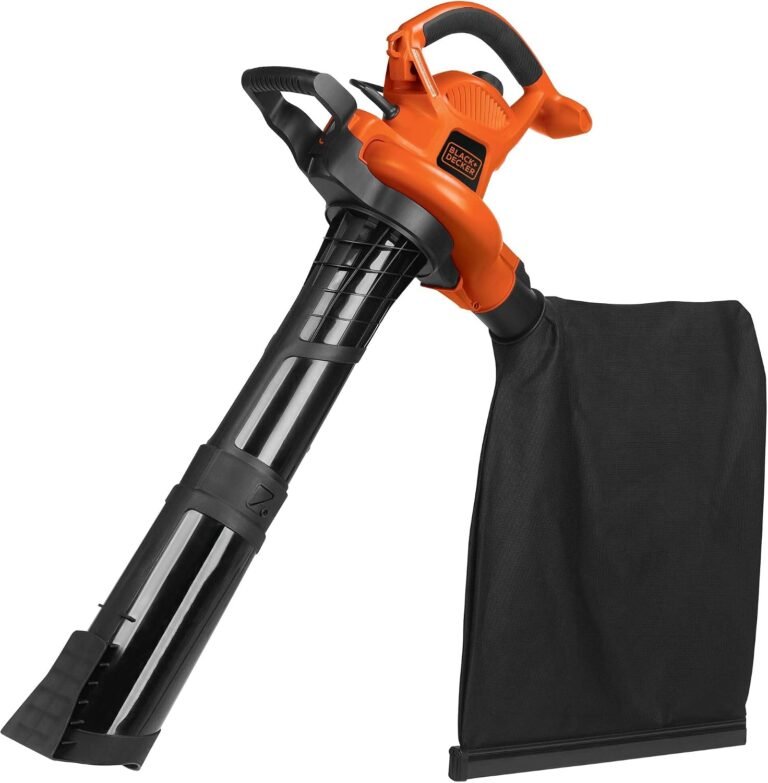
Cords are a trip hazard. You can easily get tangled up and fall. Always start at the outlet and work away from it. This keeps the cord behind you instead of in front of you.
Use a cord that’s rated for outdoor use. Check it for cuts or frayed spots before each use. We found that a damaged cord is a leading cause of electrical shocks. Don’t take that risk.
Safe Fuel Handling for Gas Models
Gas is highly flammable. Always let the engine cool down before refueling. Never fill the tank indoors or near an open flame. Wipe up any spills immediately.
Store fuel in a certified container away from your house. Don’t leave it in a hot garage or near a water heater. Vapors can ignite from a pilot light. Many fire departments warn that improper fuel storage causes house fires.
Developing a Personal Safety Routine
Safety is a habit, not a one-time class. The best training is the training you actually use
Conclusion
You now have the full picture on leaf blower safety training. The core idea is simple: your gear, your technique, and your awareness work together to keep you safe. We covered why hearing protection is non-negotiable and how a proper stance prevents back strain.
You don’t need a formal class to be safe. You just need to build a quick routine and stick to it. Start with your checklist today. Put on your glasses, grab your earplugs, and scan your yard before you pull the trigger. Make that a habit, and you’ll protect yourself from the most common injuries every single time.
Frequently Asked Questions
How often should I replace my hearing protection for leaf blower use?
Check your earplugs or earmuffs before each use. Foam earplugs lose their shape and should be replaced after a few uses. If you notice cracks or wear on earmuff cushions, swap them out. Worn protection won’t block the noise you need it to block.
Can I use a leaf blower safely on a windy day?
Wind makes it harder to control where debris goes. You might blow leaves back into your face or into a neighbor’s yard. We recommend waiting for a calm day. If you must work in the wind, angle the blower lower and slow down your pace.
What should I do if my leaf blower starts vibrating excessively?
Stop using it right away. Excessive vibration usually means a loose part, a damaged impeller, or debris stuck in the fan. Turn off the machine and inspect it. Running a blower that vibrates badly can cause hand-arm vibration syndrome over time.
Is it safe to use a leaf blower after it rains?
Wet leaves are heavy and slippery. You risk losing your footing, and the blower has to work harder. Wet debris can also clog the tube. If you can wait, let the area dry first. If you must blow, use a firm stance and move slowly.
Do I need a dust mask if I only use my blower for 10 minutes?
Yes, you should wear one even for short jobs. Blowers kick up pollen, mold, and fine dust instantly. Research and found that even brief exposure can trigger allergy symptoms or asthma. A simple N95 mask is cheap and easy to put on.