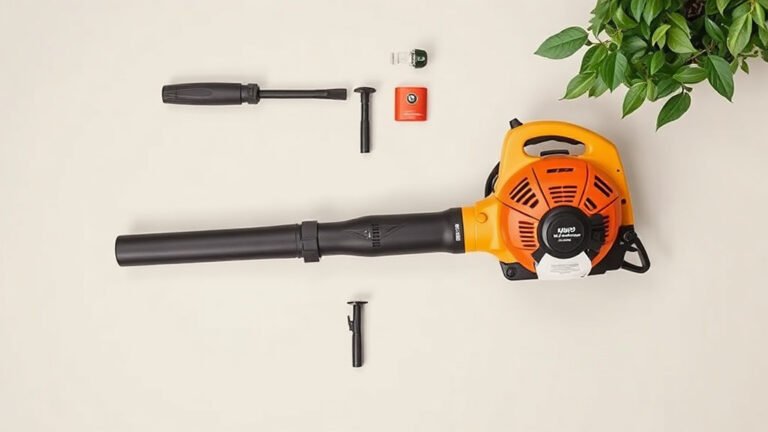
Are Leaf Blowers Banned in Your State? The 2026 Guide
No, leaf blowers are not banned nationwide in the US. There is no federal law that makes them illegal. However, many cities and towns have their own local bans or restrictions. You need to check your specific local rules.
These local laws usually target gas-powered leaf blowers because of noise and air pollution. Some places have full bans, while others only limit when you can use them. We found that restrictions are becoming more common, especially in California and the Northeast. Electric and battery-powered models are often allowed even where gas blowers are banned.
- The short answer: Leaf blowers are not banned in the US, but local rules vary widely.
- Main target: Most bans focus on gas-powered models, not electric ones.
- Common rules: Many cities limit usage to certain hours or seasons.
- Hotspots: California and many Northeast towns have the strictest laws.
- Your move: Always check your city or county website before buying or using one.
Below, we break down exactly how these bans work, which places have them, and how you can stay on the right side of the law. Let’s walk through it together.
Why Are Leaf Blowers Being Banned in Some Places?
You might be wondering what the big deal is. A leaf blower seems pretty harmless, right? We found that the push for bans comes down to two major issues: noise pollution and air quality. These aren’t minor complaints either. The concerns have grown loud enough that entire cities are changing their laws.
Think of a gas leaf blower like a tiny, unregulated car engine. It runs at high RPMs, and many models lack modern emission controls. The result is a machine that creates a lot of noise and spews out fumes that can be rough on your lungs. When you multiply that by hundreds of homes on a Saturday morning, you can see why neighbors get frustrated.
The Noise Factor That Sparks Complaints
Sound is a huge reason for local action. A typical gas leaf blower can hit around 90 to 100 decibels at the operator’s ear. That is loud enough to cause hearing damage with prolonged exposure, according to the CDC. For everyone else, it disrupts peace and quiet.
We found that many towns pass “quiet hours” rules first. These limit when you can make loud noise. But when those rules fail, full bans on gas models often follow. It is a classic case of residents demanding a better quality of life over convenience.
How Loud Is Too Loud for a Community?
Most communities consider anything above 70 decibels to be a nuisance. A normal conversation is about 60 decibels. A gas blower is much louder than a vacuum cleaner or a washing machine. The constant droning sound travels far, especially in dense neighborhoods with hard surfaces like driveways and fences.
Many experts say that noise is a health issue, not just an annoyance. Chronic exposure to high noise levels is linked to stress and sleep disruption (NIH). So, when cities ban blowers, they are often trying to protect public health, not just peace and quiet.
Where Exactly Are Gas Leaf Blowers Illegal?
There is no single map that covers every town. But we found that the rules are heavily concentrated in specific regions. If you live in a suburban area on the coast, you have a higher chance of facing restrictions. It is not random; there are clear patterns across the country.
California is the big one. Over 100 cities there have some form of restriction on gas-powered lawn equipment. The Northeast, especially around New York City and Boston, also has many towns jumping on board. These areas tend to have higher population density and stronger local environmental movements.
California Leads the Charge on Air Quality Rules
California treats leaf blowers as a serious source of smog. The state has strict emissions standards. In fact, many experts say the state is pushing the entire industry toward battery power. Some cities, like Los Angeles, are working toward phasing out gas blowers entirely.
We found that the logic is simple: small engines are big polluters. The California Air Resources Board found that operating a commercial leaf blower for one hour can produce emissions equivalent to driving a car hundreds of miles. That statistic is a major driver for the laws out west.
The Northeast’s Take on the Growing Ban Trend
In the Northeast, the focus is often on noise first. But the air quality argument is catching up. Towns like Newton, Massachusetts, and numerous villages in New York have passed bans. They often phase them in gradually, starting with seasonal restrictions.
You will also see a difference between commercial and residential use. Many towns ban commercial landscaping crews from using gas blowers but still allow homeowners to use them for a limited time. It is worth checking if the law applies to you or just to paid workers.
What Does a Typical Local Ban Look Like?
Bans aren’t always a simple yes or no. We found that they come in a few different flavors. Some are absolute bans on certain engines. Others are time-based. Knowing the difference can save you from a hefty fine.
Here is the breakdown of the most common types of restrictions you will see:
- Full bans: Gas-powered blowers are illegal year-round. No exceptions for homeowners or pros.
- Seasonal bans: Often in effect during summer months when smog is worse or during spring leaf cleanup.
- Hour restrictions: You can only use them on weekdays before 5 PM, or after 9 AM on weekends.
- Decibel limits: The blower must be below a certain noise level, which usually excludes gas models.
- Electric-only laws: The law specifically states that only battery or corded electric blowers are permitted.
Many cities use a mix of these. For example, they might allow gas blowers in October and November for leaf cleanup, but ban them entirely from June through August. You have to look at the fine print in your local municipal code.
Breaking Down the Specific Rules for Homeowners
If you are just cleaning up your own yard, you still need to follow the law. The police or code enforcement officers can issue tickets. We found that the first offense is usually a warning, but repeat offenders can face fines of $100 to $500 or more.
It is not just about getting caught. It is about being a good neighbor. Even if your town allows gas blowers, you might find yourself on the wrong side of a neighborhood dispute. Being respectful with your equipment goes a long way.
What About Commercial Landscaping Companies?
Commercial crews face stricter rules. They operate daily, so their impact is larger. Many towns require them to register their equipment or apply for special permits. Some cities offer rebates to help companies switch to electric. This is a growing area of law that affects the cost of lawn care services.
If you hire a lawn service, ask them what equipment they use. You might be surprised to find that some are already using quiet, battery-powered blowers. It is a selling point for many companies now, especially in areas where gas blowers are becoming a liability.
Comparing Gas vs. Electric Blowers Under the Law
The legal line is almost always drawn between gas and electric. Electric blowers are the safe bet legally. They are quieter and don’t produce exhaust fumes. We found that no cities are currently banning electric leaf blowers on a widespread basis.
To help you see the difference at a glance, we put together this simple comparison. It shows why the laws are written the way they are.
| Feature | Gas-Powered | Battery/Electric |
|---|---|---|
| Noise Level | 90-100+ dB (Very Loud) | 60-70 dB (Conversation Level) |
| Emissions | Produces harmful fumes | Zero direct emissions |
| Legal Status | Banned in many cities | Allowed in almost all areas |
| Maintenance | Engine tune-ups, fuel mixing | Minimal, just battery charging |
| Weight | Usually heavier | Lighter and easier to handle |
When you look at that table, the reason for the bans is clear. Gas blowers are simply more problematic for shared spaces. We found that many local governments are essentially using the law to nudge everyone toward the cleaner option.
How to Check the Rules in Your Own City
You shouldn’t rely on guesswork. The easiest way to avoid a ticket is to look up your local laws. We found that most towns post their ordinances online. You just need to know where to look and what keywords to search for.
Start with your city or county official website. Look for the code of ordinances or municipal code section. Search for terms like “leaf blower,” “lawn equipment,” or “noise control.” This will usually pull up the exact law that applies to your address.
Simple Steps to Find Your Local Leaf Blower Laws
Here is a quick checklist to help you figure out your local status. Follow these steps and you will have your answer in minutes.
- Go to your city’s official government website.
- Find the “Municipal Code” or “Ordinances” section.
- Search for the word “blower” or “leaf blower”.
- Check the “Noise” chapter if the search fails.
- Look for effective dates to see if it’s a phased-in ban.
- Call your local city clerk’s office if you are still unsure.
This process takes about five minutes. It is much easier than arguing with a code enforcement officer later. We always recommend doing this before you buy a new machine or start a big fall cleanup project.
Are There Any States With a Statewide Ban?
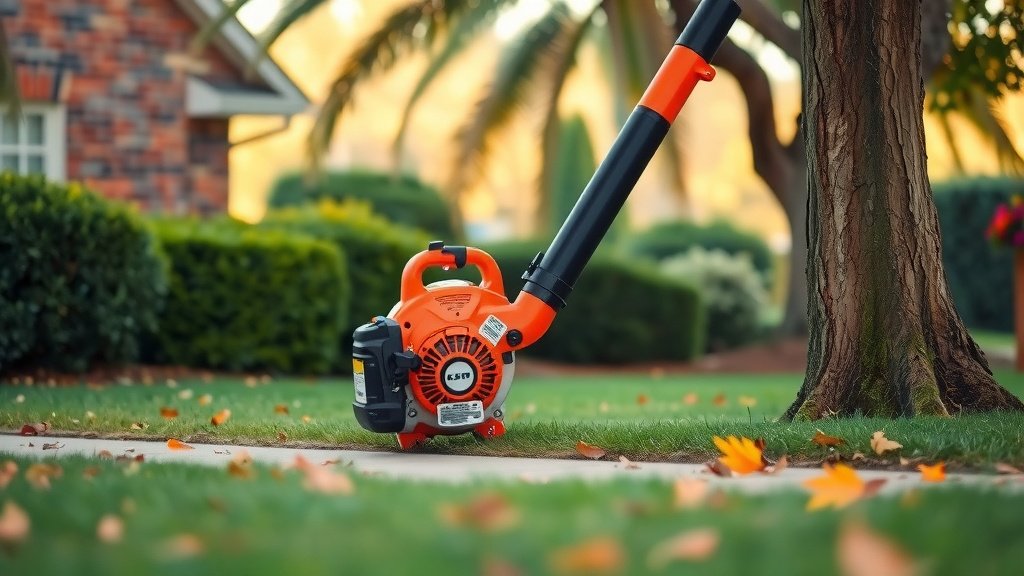
The short answer is no. No state has banned leaf blowers entirely. However, some states are making it harder to sell gas models. We found that California is leading the way with state-level restrictions on new equipment sales. This is different from a use ban, but it has the same effect over time.
When a state bans the sale of new gas blowers, it means the existing ones will eventually wear out. This is a clever way to phase out the technology without punishing people who already own one. Other states are watching these laws closely and may follow suit.
The Push for Cleaner Lawn Care Equipment
Many environmental groups are pushing for federal action. They argue that small engines are a major source of pollution. We found that the EPA regulates them, but the standards are still looser than for cars. This is why local governments are stepping in to fill the gap.
The market is responding too. Major brands like EGO, Ryobi, and Milwaukee now make high-powered battery blowers that can rival gas models. This makes it easier for cities to pass bans because residents have viable alternatives that aren’t a downgrade.
What Happens to the Resale Value of Gas Blowers?
If you own a gas blower in a city with a ban, you might wonder about resale. We found that the value is dropping in restricted areas. People don’t want to buy equipment they can’t legally use. If you are thinking of selling, you might need to look for buyers in less restrictive counties.
Some people just keep their gas blowers and use them in rural areas where rules don’t apply. If you have a cabin or property outside city limits, you can often use it there without issue. Just remember that the law is tied to the location, not the machine itself.
What Are the Penalties for Using a Banned Blower?
Getting caught usually results in a fine, but it varies. We found that most cities treat it like a parking ticket. You won’t go to jail, but your wallet will feel it. The fine often increases with each offense, so it pays to stop after the first warning.
Here are the typical penalties we found across various municipalities:
- First offense: A written warning or a $50 to $100 fine.
- Second offense: Fines often jump to $200 or $300.
- Commercial fines: These can be higher, sometimes $500 or more per violation.
- Daily fines: Some cities charge per day if the violation continues.
- Court costs: If you contest the ticket and lose, you pay extra fees.
The best strategy is simply to comply. If you have a gas blower and your town bans it, consider renting an electric one or hiring a service that uses clean equipment. It is not worth the hassle or the money to fight the system.
Is There a Way to Keep Using Your Gas Leaf Blower?
You might be able to keep your gas blower, but it requires some creativity. Some towns have “grandfather clauses.” This means that if you owned the blower before the ban, you can still use it for a few more years. You just can’t buy a new one.
Other towns allow gas blowers only on your own property. The ban might only apply to commercial use or to use on public streets. We found that reading the specific definition of “prohibited use” in your local code is the only way to know for sure.
The Future of Leaf
Conclusion
Leaf blowers aren’t banned across the US, but your local rules might surprise you. The trend is clear: gas-powered models are facing more restrictions, especially in California and the Northeast. We walked through why noise and emissions drive these laws, and how electric blowers usually pass legal muster.
Your best move is to check your city’s municipal code before you buy or use a blower. It takes about five minutes and can save you from fines. If you’re in the market, a battery-powered model is the safe choice almost everywhere. You get the job done without worrying about neighbor complaints or outdated equipment.
Frequently Asked Questions
Can I use a leaf blower on my own property if it’s banned in my town?
Not necessarily. Most bans apply to all property within city limits, including your own yard. You need to read your local ordinance carefully. Some towns make exceptions for homeowners, but many don’t.
Are battery-powered leaf blowers banned anywhere in the US?
We haven’t found any city with a full ban on electric or battery blowers. They’re quiet and produce zero emissions, so they avoid the two main complaints. You’re almost always safe with a corded or battery model.
Will a leaf blower ban increase the cost of lawn care services?
It can. Commercial crews that need to switch to electric equipment may pass those costs to customers. However, many companies are already making the change because battery tech has improved. You might actually save money as competition grows.
How do I report a neighbor using a banned leaf blower?
Contact your local code enforcement office or non-emergency police line. You’ll need your neighbor’s address and the time of day the violation happened. Most cities prefer you try talking to your neighbor first, but that’s your call.
Do HOA rules about leaf blowers override city laws?
HOAs can add stricter rules, but they can’t loosen city bans. If your HOA bans gas blowers and your city allows them, you must follow the HOA. If your city bans them and your HOA allows them, the city wins. Always check both sets of rules.