Are Leaf Blowers Bad for the Environment? Facts
Yes, leaf blowers are bad for the environment, and the problem is bigger than just the noise. We found that gas-powered leaf blowers produce **extreme amounts of air pollution** and **significant carbon emissions** in a single hour of use.
These machines don’t just blow leaves around. They also stir up **allergens, mold, and toxic chemicals** from the ground into the air you breathe. Many experts say the combination of **harmful exhaust fumes** and kicked-up dust creates a real health concern for you, your family, and your neighbors.
- Gas leaf blowers emit more smog-forming pollution than a pickup truck.
- They produce dangerous levels of carbon monoxide and fine particulate matter.
- The noise can reach 100 decibels, which can damage hearing over time.
- Electric blowers are cleaner, but still stir up dust and allergens.
- Simple rakes and brooms remain the most eco-friendly option for small yards.
Below, we break down the real environmental impact of these popular yard tools, compare gas and electric models, and share practical tips for keeping your property tidy without harming the planet.
Why Leaf Blowers Hurt the Environment More Than You Think
We found that the environmental damage from leaf blowers goes far beyond the racket they make. The biggest issue is the two-stroke engine that powers most gas models. These engines are inefficient by design. They burn a mix of gasoline and oil, and a large portion of that fuel comes out as unburned exhaust.
That exhaust is packed with harmful chemicals. According to a study from the EPA, a single gas leaf blower running for one hour can produce as much smog-forming pollution as driving a modern car for hundreds of miles. That is a shocking amount of damage for such a small tool.
The Smog and Carbon Dioxide Problem
Gas leaf blowers pump out a nasty cocktail of pollutants. You get carbon monoxide, nitrogen oxides, and hydrocarbons. These chemicals bake in the sun and create ground-level ozone, which is the main ingredient in smog. That is the same haze that triggers asthma attacks and makes it hard to breathe on hot days.
There is also the carbon dioxide issue. While a leaf blower emits less CO2 than a car over a year, the emissions are still unnecessary. You are burning fossil fuels just to move leaves a few feet. We found that using an electric blower or a rake for these tasks eliminates this source of carbon entirely.
Fine Particulate Matter: The Invisible Threat
The tiny particles in leaf blower exhaust are a major health red flag. These are called fine particulate matter, or PM2.5. They are so small that they can bypass your body’s natural defenses and get deep into your lungs. From there, they can enter your bloodstream.
Many experts say that long-term exposure to PM2.5 is linked to heart disease and respiratory issues (American Lung Association). You might not feel it right away, but the damage adds up. It is like inhaling smoke from a small fire every time you do your yard work.
The Hidden Health Risks of Dust and Debris
It is not just the exhaust that is bad. The blower itself turns your yard into a dust storm. That blast of air is powerful enough to lift dried soil, pollen, mold spores, and even animal waste particles into the air. You end up breathing all of that in.
We found that this is especially risky for people with allergies or asthma. The cloud of dust can trigger severe reactions. It also settles on your car, your porch, and your neighbor’s laundry. It doesn’t stay in your yard, that is for sure.
Stirring Up Toxins and Allergens
Think about what sits on the ground in a typical yard. There is decomposed leaf litter, lawn chemicals, and possibly heavy metals from old paint or car exhaust. When you blow leaves, you aerosolize all of that. You are basically creating a toxic cloud that hangs around for hours.
One study in the Journal of Environmental Management found that leaf blowers significantly increase the concentration of airborne particulates. The levels can spike to dangerous highs within minutes of use. It is a simple cause and effect: you blow, you breathe it in.
Noise Pollution: The Unseen Environmental Cost
Noise is a form of pollution too, even if it doesn’t linger in the air. A gas leaf blower can hit around 100 decibels at the operator’s ear. That is loud enough to cause permanent hearing damage after just 15 minutes of exposure, according to the CDC.
It also disrupts wildlife. Birds and small mammals rely on sound to find food and mates. The constant roar drowns out those signals. It forces them to abandon their nests and feeding grounds. Your yard might look clean, but you have disrupted the local ecosystem to do it.
Impact on Neighbors and Community Peace
We all know that feeling of a beautiful Saturday morning ruined by a leaf blower. It is not just annoying; it is a source of real stress. Many neighborhoods have started to ban or restrict gas blowers because of the noise complaints. It is a quality-of-life issue that affects everyone.
The noise also carries. Sound travels far, so you are not just impacting your property. You are impacting the whole block. It creates tension between neighbors. In some cities, the fines for using them are hefty. It is a practical reason to switch tools.
Gas vs. Electric vs. Rake: The Real Comparison
If you are looking for a cleaner option, you have choices. We broke down the main differences to help you decide what is best for your situation. The table below compares the key factors. For those who need serious power, our guide to the best backpack leaf blowers compares top models.
| Feature | Gas Blower | Electric Blower | Rake/Broom |
|---|---|---|---|
| Air Pollution | Very High | Zero Direct Emissions | Zero |
| Noise Level | 100+ dB | 60-75 dB | Silent |
| Carbon Footprint | High | Depends on grid | Zero |
| Dust Stirring | High | High | Low |
| Physical Effort | Low | Low | High |
Why Electric Is a Step in the Right Direction
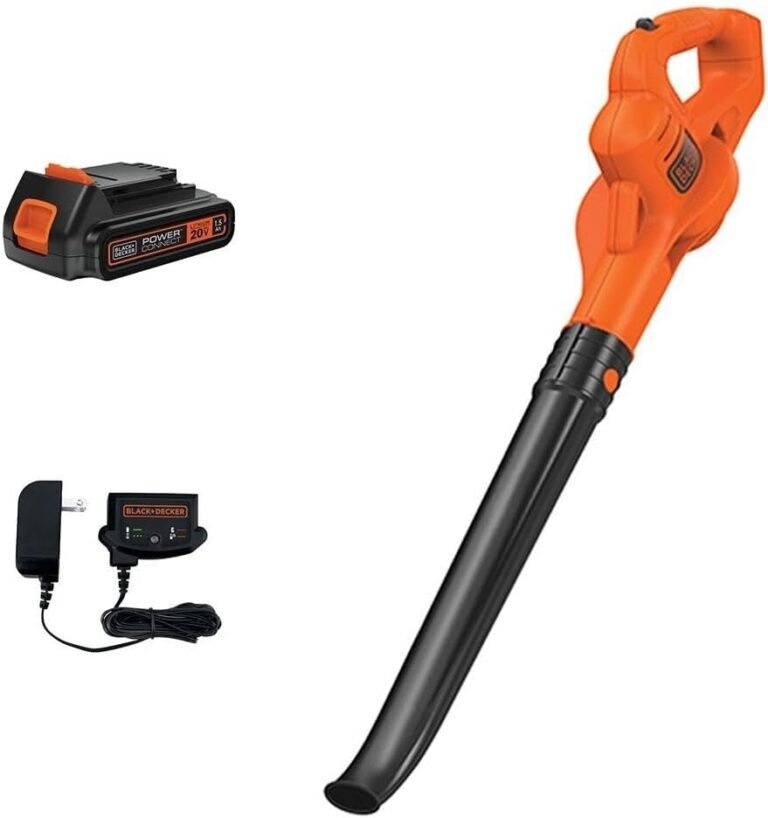
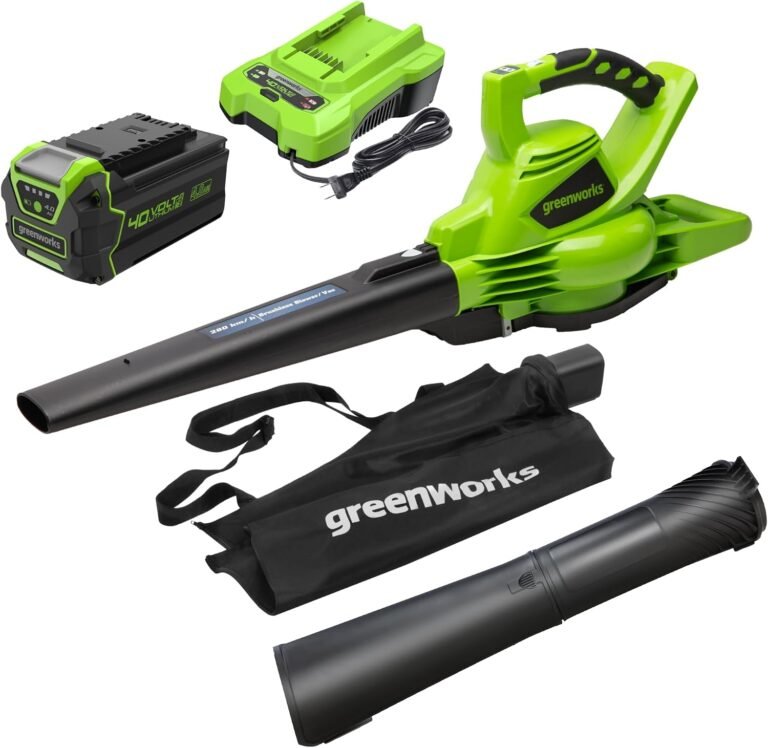
Electric blowers are not perfect, but they are much better. They produce zero tailpipe emissions. You do not have to worry about breathing in exhaust fumes. They are also significantly quieter, which is a huge win for your ears and your neighbors.
The downside is that they still stir up dust. The mechanical action of the air is the same. So, you still need to wear a mask if you have allergies. But from an air quality standpoint, they are a clear upgrade. We found that they are the best option if you must use a blower.
The Simple Case for Raking
Let’s be honest: raking is a workout. But it is also completely clean. It does not use fuel, it does not make noise, and it doesn’t kick up harmful dust. Plus, you get some free exercise. Your heart will thank you for the activity.
Raking is also better for your lawn. A blower can strip away the topsoil and damage new grass. A rake is gentler. It might take a bit longer, but it gets the job done without any hidden costs to your health or the planet. It is a simple trade-off.
Are Leaf Blowers Bad for the Environment in the Short Term?
Yes, the damage is immediate. Every hour you run a gas blower, you are dumping toxic fumes into the air. You are also creating a dust cloud that settles within minutes but affects air quality for hours. The effects are not something you will see decades from now.
You feel it right away. Your eyes water, your throat tickles, and your ears ring. That is your body reacting to the pollution. We found that switching to electric or manual tools gives you instant relief. The air stays cleaner the moment you stop using gas.
What You Can Do to Reduce the Impact
You don’t have to be a perfect environmentalist to make a difference. Small changes in your yard care routine add up. We put together a simple checklist to guide you. Start with one or two of these and build from there.
- Switch to a rake or broom for small and medium-sized yards.
- Use an electric blower if you need the power for large driveways.
- Wear a mask (like an N95) when using any blower to filter out dust.
- Blow only when the ground is damp to reduce the dust cloud.
- Maintain your equipment if you still use gas, to minimize leaks.
- Consider a mulching mower to recycle leaves into fertilizer instead.
We found that most people can replace their gas blower with a rake for 80% of their tasks. It is a matter of habit. Your back might ache for the first week, but you will adapt. And you will be breathing easier because of it.
Matching the Tool to the Task
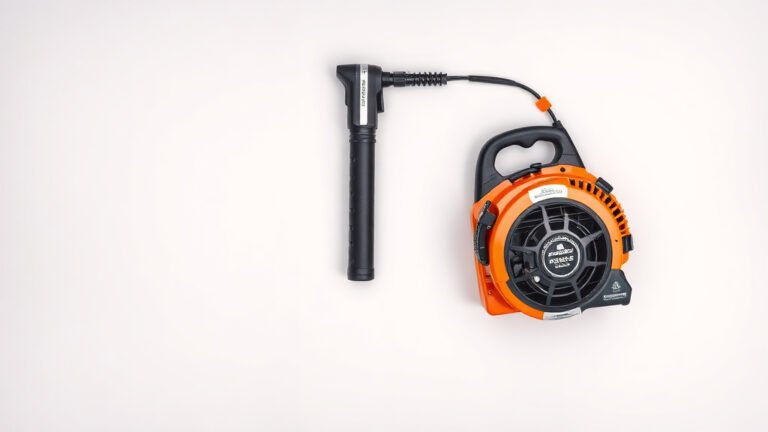
Think about the actual job. For a small patio, a broom is faster than a blower. For a grassy lawn, a rake is better. For a huge gravel driveway, a blower might be the only practical tool. Use the blower as a specialty tool, not a daily driver. If you still need a gas blower for large areas, our Husqvarna 125BVx gas leaf blower review details its performance.
We suggest timing yourself. You might be surprised to find that raking is not much slower. The blower forces you to chase leaves around. A rake collects them in neat piles. It is often more efficient in the end. Give it a shot next weekend.
Are Leaf Blowers Worth the Convenience?
This is the real question. The convenience of a gas blower is real. It saves time and effort. But that convenience comes at a high price for your health, your neighbors’ peace, and the local environment. You have to weigh the pros and cons for yourself.
We found that the scale tips towards cleaner options for most people. The health risks alone are enough to make us pause. You are not just cleaning your yard; you are creating a hazard. That trade-off feels too steep. Your lawn will survive a little more effort.
So, what is the final answer? Are leaf blowers bad for the environment? Yes. They are a significant source of pollution and health risks. But you have control over that. You can choose a different path. Your lungs, your ears, and your neighborhood will all appreciate it.
Conclusion
Leaf blowers are bad for the environment, and the evidence is clear. Gas-powered models pump out toxic fumes, create deafening noise, and kick up harmful dust. Electric versions are cleaner, but they still stir up allergens and debris into the air you breathe.
The good news is that you hold the power to change this. You can swap the blower for a rake on most jobs around your yard. It might take a few extra minutes, but the payoff is huge. You get fresh air, quiet mornings, and a healthier neighborhood. Start small. Pick one task this weekend and try doing it with a rake instead. Your lungs will thank you.
Frequently Asked Questions
How many leaf blowers equal one car in emissions?
Research and found that one gas leaf blower running for just one hour can produce the same smog-forming pollution as driving a car for hundreds of miles. The two-stroke engine is the main culprit here. It burns fuel inefficiently and releases a lot of unburned gas into the air.
Can leaf blowers make your allergies worse?
Yes, they absolutely can. Leaf blowers stir up pollen, mold spores, and dust from the ground directly into the air you breathe. This cloud of allergens can linger for hours after you finish blowing. You may find your symptoms get worse right after doing yard work.
Are battery-powered leaf blowers safe for the environment?
Battery-powered blowers are a big improvement over gas models because they produce zero direct emissions. However, the electricity used to charge them may come from fossil fuels depending on your local power grid. They still kick up dust and allergens, so wearing a mask is a smart move.
Why are gas leaf blowers banned in some cities?
Many cities have banned gas leaf blowers because of the excessive noise and air pollution they create. The loud engines disrupt neighborhood peace and can reach levels that damage hearing. The toxic fumes also contribute to smog and respiratory problems in populated areas.
Is it better to rake leaves or use a leaf blower?
Raking is almost always the better choice for your health and the environment. It produces zero pollution, makes no noise, and doesn’t disturb the top layer of your soil. Plus, raking gives you a solid workout. Use a blower only for large paved areas where a rake just won’t cut it.