Electric Leaf Blowers Explained: Are They Worth It
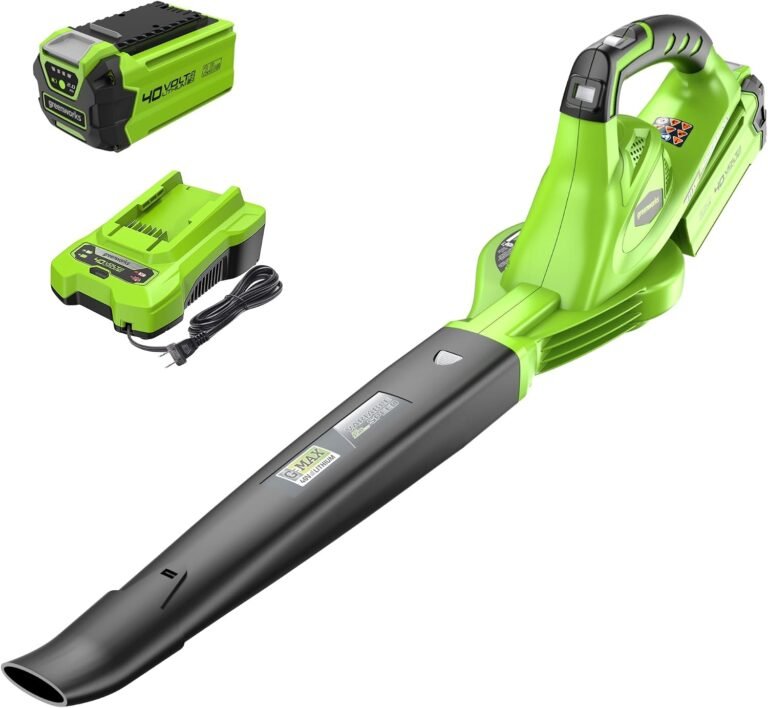
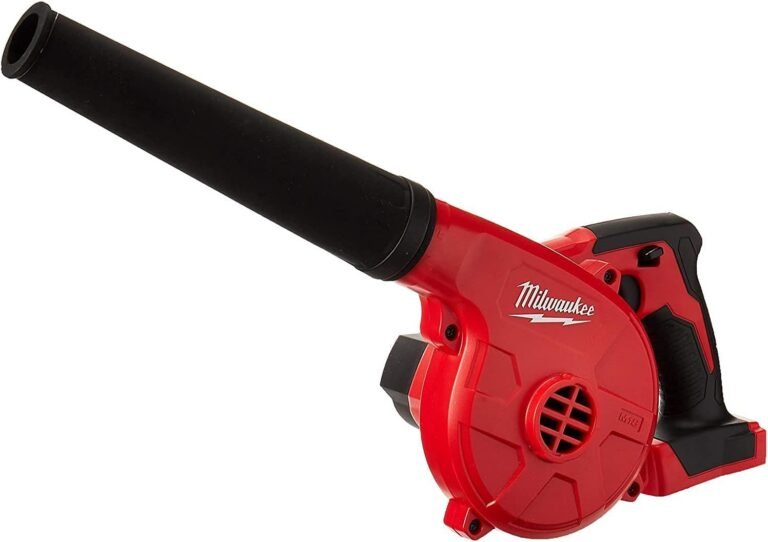
Yes, there are definitely electric leaf blowers, and they are a popular choice for most homeowners today. You can find both corded electric models and battery-powered cordless versions at almost any hardware store. They offer a cleaner, quieter, and often lighter alternative to traditional gas-powered machines.
Electric leaf blowers work great for clearing grass clippings, light leaves, and debris from driveways and patios. We found that they are especially handy for smaller yards where you don’t need the raw power of a gas engine. The main trade-off is usually battery life or the hassle of a cord, so it helps to know what you’re getting into before you buy.
- Yes, electric leaf blowers exist in both corded and battery-powered styles.
- They are quieter and lighter than gas blowers, making them easier to handle.
- They produce zero emissions, which is better for the environment and your lungs.
- Battery models offer freedom of movement but have a limited runtime.
- Corded models provide constant power but you must manage the extension cord.
Below, we break down everything you need to know about electric leaf blowers so you can pick the right one for your yard. Let’s walk through the key differences, what to look for, and whether one of these tools is the right fit for you.
The Electric Leaf Blower Lineup Explained
You are not alone in wondering if electric leaf blowers can get the job done. We found that many homeowners still picture the old gas-guzzling machines from their childhood. The truth is that electric models now handle most residential yards with ease. They come in two main flavors: corded and battery-powered. Each style serves a different purpose, and knowing the difference will save you time and money.
Think of it like choosing between a vacuum cleaner that plugs into the wall and a cordless stick vacuum. Both clean your floors, but you use them in different situations. The same logic applies to leaf blowers. Let’s break down each type so you can match one to your specific yard.
Corded Electric Leaf Blowers: Steady and Reliable
Corded blowers plug into a standard outlet using an extension cord. They offer unlimited runtime, which means you never stop mid-job to wait for a battery to recharge. This is a huge win if you have a large property with lots of trees. We found that corded models also cost less than their battery cousins. You can grab a solid one for under a hundred bucks.
The trade-off is managing that cord. You will spend time untangling it, moving it around obstacles, and making sure you do not run it over with the mower. It sounds annoying, and sometimes it is. But for many people, the constant power is worth the hassle. If your yard is flat and open, a corded blower is a smart pick.
Battery-Powered Leaf Blowers: Freedom to Roam
Battery blowers give you the freedom to walk anywhere without dragging a cord. You can blow leaves from the front yard, around the side gate, and into the backyard without stopping. This is the closest you get to the convenience of a gas blower without the smell or noise. Most models use the same battery system as other tools in your shed, like drills or string trimmers.
The downside is runtime. A typical battery lasts between 15 and 45 minutes depending on the power setting. If you have a big yard, you might need two or three batteries to finish the job. We found that buying an extra battery is almost a necessity, not a luxury. Check if the blower comes with a rapid charger, because waiting hours for a full charge can kill your momentum.
What to Look for in an Electric Leaf Blower
You do not need to be a gearhead to pick a good electric leaf blower. But a few key specs will make a big difference in how well the tool works for you. We found that paying attention to these numbers helps you avoid buying something underpowered or overly heavy. Let’s walk through the features that actually matter.
Think of this like buying a car. You do not care about the paint color as much as you care about the engine and fuel economy. Same idea here. Focus on the numbers that affect performance and comfort, not the flashy marketing words on the box.
Air Speed and Air Volume: The Power Duo
Two numbers rule the leaf blower world: air speed and air volume. Air speed is measured in miles per hour (MPH), and it tells you how fast the air moves. Higher MPH means you can move wet, heavy leaves and stuck debris. Air volume is measured in cubic feet per minute (CFM), and it tells you how much air moves per minute. Higher CFM means you can push a bigger pile of leaves across the yard.
We found that a good electric blower will have at least 100 MPH and 400 CFM. Anything less will leave you frustrated with wet leaves. For reference, many experts say that gas blowers hit 200 MPH and 500 CFM, but you rarely need that much for a home yard. A balanced combo of speed and volume is the sweet spot.
Why You Need Both Numbers
Some manufacturers brag about MPH but ignore CFM. A blower with high MPH and low CFM is like a water pistol: it shoots far but moves little. On the flip side, high CFM with low MPH is like a gentle breeze: it moves a lot of air but cannot lift heavy stuff. Look for a model that balances both. The spec sheet will list both numbers, so take the time to read it.
Battery Voltage and Amp Hours
If you go the battery route, you will see terms like 40V, 60V, or 80V. Higher voltage usually means more power, but it also means a heavier battery. We found that 40V to 60V is plenty for most homeowners. Amp hours (Ah) tell you how long the battery lasts. A 4.0Ah battery lasts roughly twice as long as a 2.0Ah battery at the same power level.
Here is a simple way to think about it: voltage is the horsepower, and amp hours are the fuel tank. You want enough of both. If you already own tools from a brand like DeWalt, Ryobi, or Milwaukee, check if their leaf blower uses the same battery. That saves you from buying a whole new system.
Noise Levels: Your Ears Will Thank You
Gas blowers are loud. Really loud. Many experts report that gas blowers can hit 100 decibels, which is enough to cause hearing damage with prolonged exposure. Electric blowers are much quieter, typically ranging from 60 to 75 decibels. That is a huge difference. You can hold a conversation while using an electric blower, and your neighbors will not glare at you from across the fence.
Some cities and homeowner associations have even banned gas blowers due to noise and emissions. Electric blowers solve both problems. If you work early in the morning or live in a tight neighborhood, the lower noise level is a genuine advantage. Your ears and your relationships will appreciate it.
The Decibel Difference in Real Life
To put it in perspective, a normal conversation is around 60 decibels. A vacuum cleaner is about 70 decibels. A gas leaf blower is closer to a chainsaw. We found that switching to electric feels like upgrading from a jackhammer to a hair dryer. You still know it is on, but you do not need ear protection for a quick pass around the driveway.
Environmental Impact and Operating Costs
Gas leaf blowers are notorious polluters. According to research from the EPA, a single gas leaf blower running for one hour can emit as much pollution as driving a car for over a thousand miles. That is a shocking stat when you think about it. Electric blowers produce zero direct emissions, which is better for the air you breathe and the planet as a whole.
Your wallet will also notice a difference. Electricity costs much less than gasoline. We found that charging a battery for a full session costs pennies, while filling a gas tank adds up over a season. There is also no need for oil changes, spark plugs, or fuel stabilizer. You just plug it in and go.
Maintenance: Simple and Straightforward
Gas blowers demand regular upkeep. You have to mix fuel, change spark plugs, clean air filters, and deal with carburetor issues. It is a lot of work for a tool you use a few times a month. Electric blowers flip that script. There is no engine to tune, no fuel to mix, and no fumes to breathe. Just keep the air intake clear and the battery charged.
We found that most electric blowers last several years with minimal care. Store the battery indoors during winter, and keep the blower in a dry place. That is about it. If you are not a handy person, this low-maintenance angle is a big selling point. You want to spend your weekend relaxing, not wrenching on a small engine.
Comparing Electric, Cordless, and Gas at a Glance
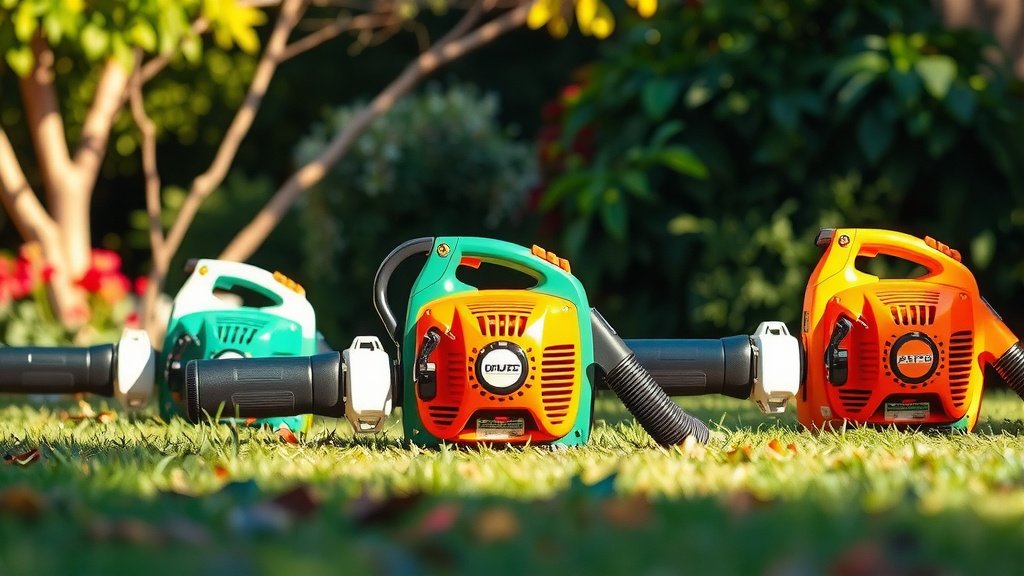
Sometimes it helps to see the options side by side. We put together a quick comparison so you can spot the differences easily. This table covers the basics you care about: power source, runtime, noise, and cost.
| Feature | Corded Electric | Battery Cordless | Gas Powered |
|---|---|---|---|
| Power Source | Wall outlet | Rechargeable battery | Gasoline |
| Runtime | Unlimited | 15-45 minutes per charge | Until tank is empty |
| Noise Level | Low (60-70 dB) | Low (60-75 dB) | High (90-100 dB) |
| Emissions | Zero | Zero | Carbon monoxide and fumes |
| Maintenance | Very low | Low | High |
| Upfront Cost | Low ($50-$150) | Medium ($100-$300) | High ($200-$500) |
| Freedom to Move | Limited by cord | Full freedom | Full freedom |
As you can see, each option has its own strengths. The best choice depends on your yard size and your patience for maintenance. We found that most suburban homeowners are happiest with a cordless battery model for everyday use.
Practical Uses Around Your Property
Electric leaf blowers are not just for leaves. You will be surprised how often you grab this tool once you own one. Beyond clearing autumn foliage, they work great for a dozen other chores. We found that owners use them for everything from drying cars to cleaning gutters. The versatility makes them a better value than you might think.
Here are some of the most common tasks an electric blower handles well:
- Clearing grass clippings off driveways and sidewalks after mowing
- Blowing dust and dirt out of the garage or workshop
- Removing light snow from car windshields and porches in winter
- Drying off patio furniture, bikes, or pets after a rainstorm
- Sweeping debris out of gutters when paired with a gutter attachment
- Pushing leaves into a pile for easy collection and composting
That list alone justifies the purchase for many people. A blower is not a single-season tool. It earns its place in the shed year-round. And because electric models are lighter and quieter, you will not dread pulling it out for a quick cleanup.
Making the Right Choice for Your Yard
So, are there electric leaf blowers that fit your needs? Yes, absolutely. We found that the real question is which style matches your property. For small to medium yards under a quarter acre, a battery model gives you the freedom you want without much compromise. For larger properties with heavy leaf loads, a corded model offers the nonstop power you need.
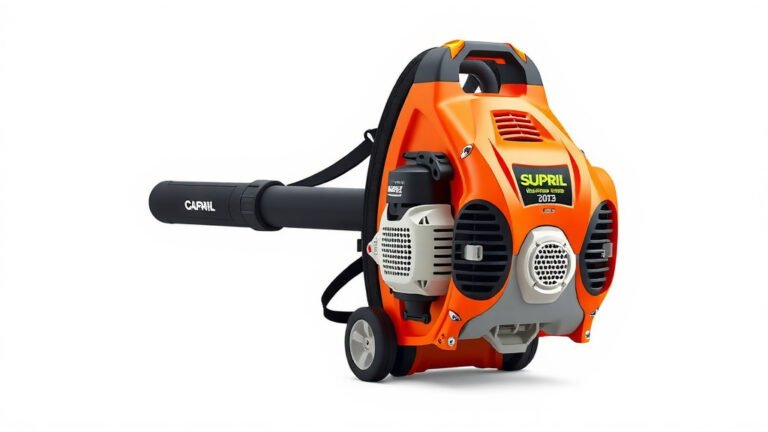
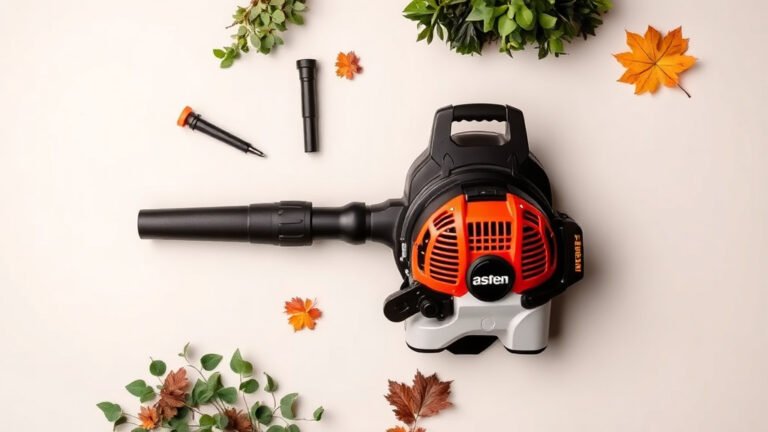
Consider your priorities before you buy. If you hate noise and smell, go electric without hesitation. If you want zero maintenance and low running costs, electric wins again. The only people who truly need gas are those with massive properties or commercial landscaping work. For everyone else, electric is more than enough. For those with massive properties, our guide to the best backpack leaf blower models covers the top picks.
Take a moment to walk your yard and count the trees. Think about how long it takes you to rake or blow leaves now. That simple mental exercise will tell you whether you need battery freedom or corded endurance. Either way, you are making a smart, clean, and wallet-friendly choice.
Final Checklist Before You Buy
Before you pull the trigger on a purchase, run through this quick checklist. It will keep you from making a costly mistake. We found that buyers who follow this list end up much happier with their purchase.
- Measure your yard size and estimate typical leaf volume
- Check if the blower uses the same battery as your other tools
- Verify the MPH and CFM numbers meet your needs
- Look up the noise level in decibels to stay neighbor-friendly
- Read reviews about battery longevity and charging time
- Make sure the weight is manageable for your arm and back
That is all you really need. Stick to these points, and you will find an electric leaf blower that serves you well for years. The days of yanking a pull cord and smelling gas fumes are over. Electric is the new normal, and you will wonder why you did not switch sooner.
Conclusion
You now know the answer to “are there electric leaf blowers” — and it is a clear yes. We found that both corded and battery models handle most home yards with ease. They are lighter, quieter, and far cheaper to run than gas machines. You also skip the messy maintenance and toxic fumes entirely.
Your next step is simple: measure your yard and count your trees. If you want freedom to roam, grab a battery model. If you need nonstop power, go corded. Either way, you will save money and keep your neighbors happy. Electric is the smart choice for most homeowners today.
Frequently Asked Questions
Do electric leaf blowers work as well as gas blowers?
For most residential yards, yes. You might lose some raw power with wet, heavy leaves, but a good electric model with 100 MPH and 400 CFM handles the typical home. Gas still wins for massive commercial properties or thick, soaked debris. For everyday cleanup, you will not notice a difference.
How long do electric leaf blowers last?
With basic care, most electric blowers last five to ten years. The motor itself is simple and rarely fails. The battery is the part that wears out, usually after three to five years of regular use. Corded models can last even longer since there is no battery to replace.
Can I use an electric leaf blower when the grass is wet?
You can, but it is harder work. Wet leaves clump together and stick to surfaces, so you need more air power to move them. You also risk electric shock if you use a corded model on wet grass. Wait for things to dry out if you can. It makes the job much easier.
Are electric leaf blowers safe to use around kids and pets?
Yes, they are safer than gas blowers in several ways. There are no hot engine parts or fuel spills to worry about. The noise level is lower, so you do not damage young ears as quickly. Just keep kids and pets away from the air stream. The high-speed air can still sting if pointed directly at someone.
Do I need ear protection with an electric leaf blower?
Usually not, but it depends on the model. Most electric blowers run between 60 and 75 decibels, which is below the level that causes hearing damage. If you have a high-powered model or plan to work for a long time, ear protection is a cheap way to stay safe. Your ears will thank you later.