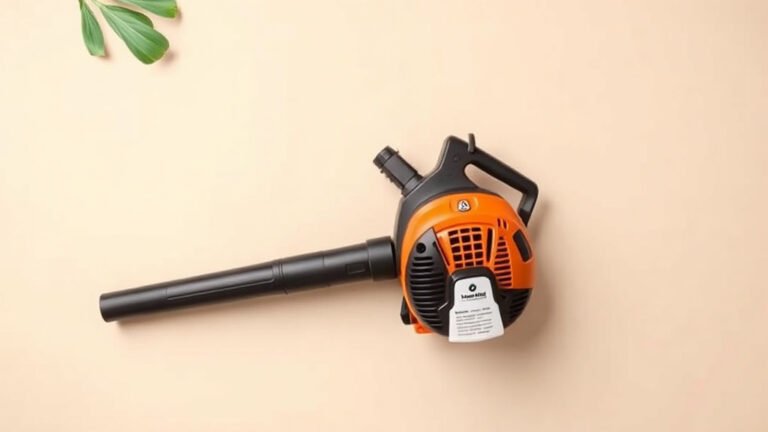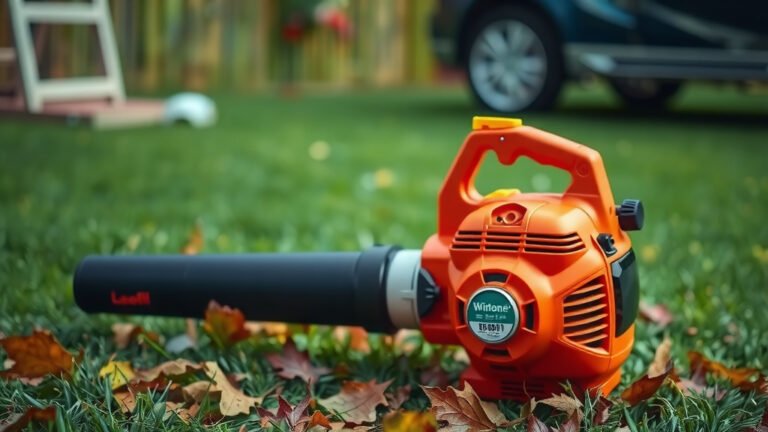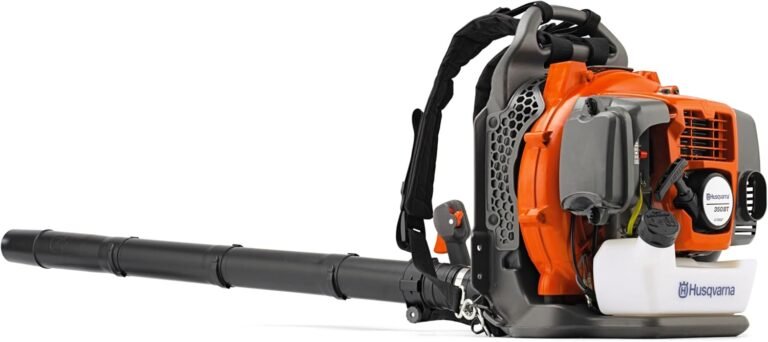
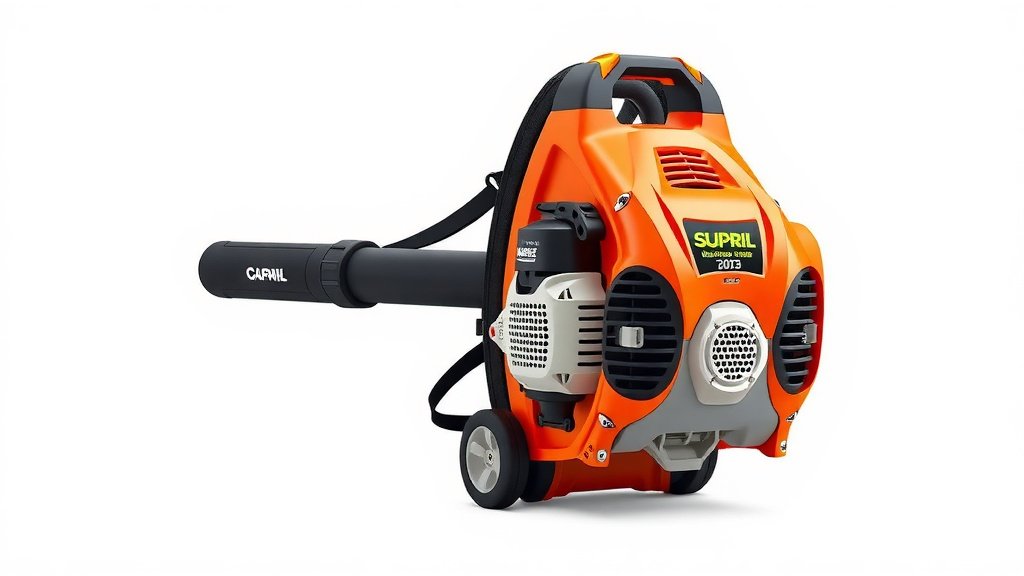
Backpack Leaf Blower Buying Guide for 2026
Choosing the best backpack leaf blower comes down to matching the machine to your yard size, the type of debris you clear, and your budget. We found that for most homeowners with a half-acre or more, a gas-powered model with 450 CFM or more is the sweet spot for power and efficiency. This buying guide breaks down everything you need to know so you can pick the right one the first time.
Backpack blowers are a huge upgrade over handheld units because they shift the weight from your arms to your back. This design lets you work longer without fatigue, making them a top choice for tackling large properties, driveways, and gutters. You need to think about power, fuel type, and comfort features before you spend your money.
- Power first: Look for at least 450 CFM (air volume) and 150 MPH (air speed) for effective wet leaf cleanup.
- Fuel type matters: Gas gives you the most power, but battery-powered models are quieter and require less maintenance.
- Comfort is key: Check for padded straps, a well-designed harness, and anti-vibration tech to save your back and hands.
- Consider noise: If you live in a quiet neighborhood, a battery blower might be a better choice than a loud gas engine.
- Match to your yard: Small yards do fine with a smaller, cheaper model; big, leaf-heavy yards need a commercial-grade machine.
Below, we break down each of these factors in detail, from engine sizes to the best brands on the market. Let’s walk through exactly how to find the perfect backpack blower for your property.
Finding the Right Backpack Leaf Blower for Your Yard
You already know a backpack blower beats a handheld model for big jobs. The real question is which one fits your property, your arms, and your budget. We found that starting with your yard size and the types of leaves you clear makes the choice much easier. Let’s break it down step by step so you can shop with confidence.
Why a Backpack Blower Beats a Handheld Model
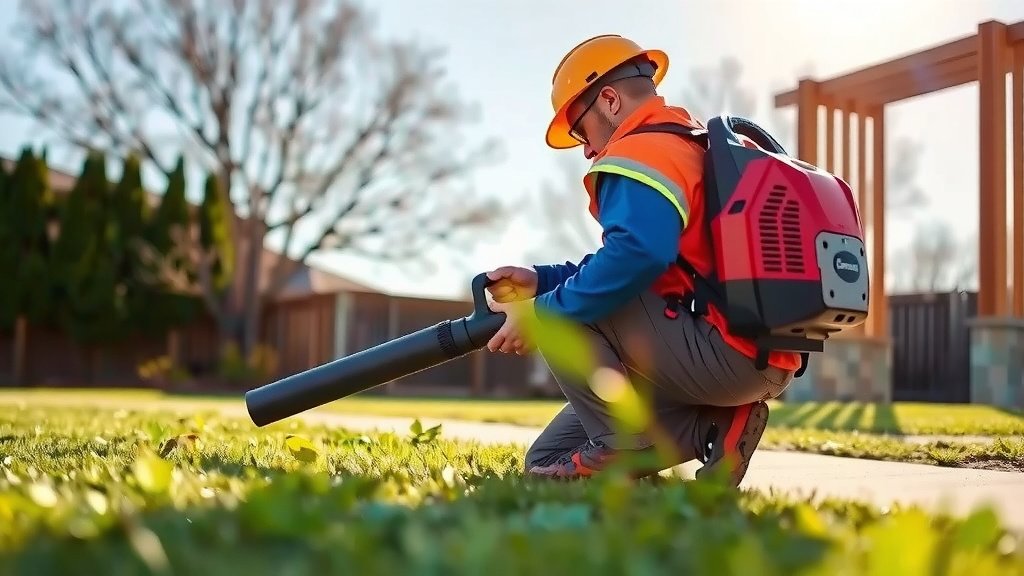
If you’ve ever spent an hour holding a blower out in front of you, you know the pain. Your arms get tired. Your shoulders ache. Your grip gives out long before the battery does. A backpack blower solves that problem by putting the weight on your back, where your body is built to carry it.
Think of it like this: carrying a heavy grocery bag with your arm extended is exhausting. Holding it close to your chest is much easier. A backpack blower works the same way. It transfers the load to your hips and shoulders, so your hands only guide the nozzle. This simple design change lets you work much longer without stopping.
Many professional landscapers prefer backpack models for this reason. Research shows that ergonomic tool design reduces muscle fatigue and improves productivity (National Institute for Occupational Safety and Health). For homeowners with a half-acre or more, the comfort boost is well worth the extra cost.
Key Power Specs You Need to Understand
Blower specs can feel like a foreign language. CFM and MPH are the two numbers you’ll see on every box. Here’s what they actually mean and why they both matter.
CFM: Air Volume for Moving Big Piles
CFM stands for cubic feet per minute. It measures how much air the blower moves. This is the number that matters most for pushing heavy, wet leaves. Higher CFM means you can move bigger piles with less effort.
We found that 450 CFM is the sweet spot for most homeowners. At this level, you can clear wet leaves, pine needles, and even small twigs without trouble. If your yard is mostly open grass, you might get away with 400 CFM. But if you have oak trees or lots of maple leaves, go higher.
MPH: Air Speed for Stubborn Debris
MPH measures how fast the air moves. This matters for dislodging leaves stuck in flower beds or along fences. Higher speed helps you blast debris out of tight spots. But speed alone won’t move a big pile. You need a balance of both numbers.
A good rule we found is to look for at least 150 MPH. Anything less and you’ll struggle with damp leaves or debris packed against a wall. The best home-use blowers combine high CFM with decent MPH to handle both tasks well.
Matching Specs to Your Property
Here’s a simple way to think about it. A small, fenced yard with a few trees only needs modest specs. A sprawling property with mature oaks needs serious power. Match the machine to the mess, not the other way around.
Gas vs. Battery vs. Corded: Picking Your Power Source
Your choice of power source affects everything from noise to maintenance to cost. We found that most buyers fall into one of three camps. Each has clear trade-offs, so let’s walk through them honestly.
Gas-Powered Backpack Blowers
Gas blowers are the workhorses of the industry. They deliver the most power and run as long as you have fuel. If you have a huge property with dense leaf cover, gas is usually your best bet. They also tend to be cheaper upfront than high-end battery models.
The downsides are real, though. Gas blowers are loud. They need fuel mixing (if you get a 2-stroke model) and regular maintenance. They also emit exhaust, which some users find unpleasant. But for raw, sustained power, nothing beats them. We found that gas models remain the top choice for large properties and heavy-duty use.
Battery-Powered Backpack Blowers
Battery technology has come a long way. Modern lithium-ion packs can run for 30 to 60 minutes on a charge, depending on the model and power setting. They’re much quieter than gas, produce zero emissions, and require almost no maintenance. If you live in a noise-sensitive neighborhood, battery is the smart pick.
The trade-off is run time. Big jobs might require multiple batteries, which adds cost. But for a typical half-acre yard, one or two batteries usually get the job done. Many experts say battery power is the future of yard tools, and the performance gap with gas is narrowing every year.
Corded Electric Options
Corded blowers are the budget option, but they rarely come in backpack style. If you find one, it will be cheap and light. The catch is the cord. You’re tethered to an outlet, which is a huge hassle on a big property. We generally skip these for backpack-style buying guides. They’re better suited for small patios and walkways.
Comfort and Ergonomics: Your Back Will Thank You
A blower can have all the power in the world, but if it hurts to wear, you won’t use it. Comfort features are not just nice-to-haves. They directly affect how long you can work and how you feel afterward. We found that padded straps and a well-designed harness make the biggest difference.
Harness and Strap Design
Look for wide, padded shoulder straps that distribute weight evenly. A sternum strap and a waist belt help lock the blower in place. This keeps the weight on your hips, not your shoulders. Some models have a pivoting harness that lets the blower move with you as you bend and twist.
Try on the blower before you buy if you can. Every body is different. What feels great to one person might dig into another’s shoulders. We found that adjustable straps are a must-have so you can fine-tune the fit.
Anti-Vibration Technology
Vibration from the engine can numb your hands and make your arms tingle. Over time, this can be genuinely uncomfortable. Many modern blowers include anti-vibration mounts that absorb the shaking. Look for this feature, especially if you plan to use the blower for long stretches.
Research indicates that prolonged exposure to hand-arm vibration can lead to health issues (Centers for Disease Control and Prevention). Padded grips and vibration-dampening handles are worth seeking out.
Noise Levels and Neighborhood Etiquette
Gas blowers are loud. There’s no way around it. Many models hit 90 to 100 decibels, which is enough to damage hearing with prolonged exposure. We found that wearing hearing protection is non-negotiable when running a gas blower. Earmuffs or foam plugs work well.
Battery blowers are dramatically quieter. They still make noise, but it’s a whoosh rather than a roar. If you have close neighbors or work early in the morning, this matters a lot. Many neighborhoods have noise ordinances that restrict gas blower use during certain hours. Check your local rules before you buy.
Comparing Popular Models and Brands
You’ll see several brands dominate the backpack blower market. We found that STIHL, Echo, Husqvarna, and Milwaukee are the names you’ll see most often. Each has a slightly different focus, so here’s a quick rundown.
STIHL and Echo: The Professional Favorites
These two brands have a huge following among landscapers. STIHL is known for reliability and strong dealer support. Echo blowers are often praised for easy starting and user-friendly controls. Both make excellent gas models that can handle years of heavy use.
Husqvarna: Power and Balance
Husqvarna focuses on ergonomic design and high power output. Their blowers often have excellent balance and lower vibration levels. They’re a great middle ground between pro and homeowner use.
Milwaukee and Other Battery Leaders
If you’re already invested in a battery platform like Milwaukee’s M18 system, sticking with that brand makes sense. You can share batteries across tools. This saves money and reduces clutter in your garage.
| Brand | Best For | Power Source | Key Strength |
|---|---|---|---|
| STIHL | Large properties, pro use | Gas | Durability and dealer support |
| Echo | Homeowners, easy starting | Gas | User-friendly controls |
| Husqvarna | Comfort-focused buyers | Gas | Low vibration and balance |
| Milwaukee | Battery platform users | Battery | Shared batteries, quiet operation |
Maintenance and Longevity Tips
Your blower will last longer with basic care. We found that simple maintenance prevents most common breakdowns. Here’s what you need to do, no matter which type you buy.
Gas Engine Care
Use fresh fuel and mix it correctly if you have a 2-stroke engine. Old gas causes starting problems and engine damage. Clean or replace the air filter once a season. Check the spark plug and replace it annually for easy starts. When maintenance isn’t enough, our guide to fix common leaf blower problems covers the usual culprits.
Battery Pack Care
Store batteries at room temperature. Avoid leaving them fully discharged for long periods. Keep them dry and clean. Most modern batteries last for hundreds of charge cycles if treated well.
Your Pre-Purchase Checklist
Before you hit the checkout button, run through this quick list. We found that buyers who check these boxes are much happier with their purchase.
- Measure your yard size to confirm you need backpack power at all.
- Check the CFM and MPH numbers to match your leaf conditions.
- Try the harness on for comfort and adjustability.
- Check your neighborhood noise rules to pick the right power source.
- Budget for hearing protection and safety glasses.
- Look for a warranty that covers at least two years.
Making the Final Call on Your Purchase
You now have the full picture. Start with your yard’s needs. Match the power specs to your property. Decide between gas and battery based on your noise tolerance and maintenance preferences. Then make sure the harness feels right on your back.
We found that a little research before buying saves a lot of regret later. The perfect blower is out there. Now you know exactly what to look for, so go find the one that fits your life and your yard. Your back will feel the difference this fall.
Conclusion
You have everything you need to make a smart choice. Start with your yard size, then match the CFM and MPH specs to your leaf load. Decide between gas and battery based on your noise tolerance and how much maintenance you want. We found that comfort matters just as much as power, so do not skip the harness test.
Your next step is simple. Measure your property, set a budget, and pick two or three models from the brands we covered. Try them on if you can, check the warranty, and buy the one that fits your back and your workload. Your fall cleanup will be faster and a lot easier this year.
Frequently Asked Questions
How long does a backpack leaf blower battery last?
Most battery-powered models run for 30 to 60 minutes on a full charge. Run time depends on the power setting you use and the size of the battery pack. Turbo mode drains batteries much faster than eco mode. Always check the amp-hour rating on the battery before you buy. Bigger numbers mean longer run times.
Is a backpack blower worth it for a small yard?
For a small yard under a quarter acre, a backpack blower is probably overkill. A quality handheld model will handle the job with less cost and less storage space. But if you have back problems or want the most comfortable experience, a backpack blower is still a worthwhile upgrade. You just might not need the most powerful model available.
Can you use a backpack blower to clear snow?
Yes, you can use a backpack blower for light, powdery snow. It works well on decks, walkways, and driveways when the snow is under a few inches. It won’t handle heavy, wet snow or deep accumulation. Many people keep a blower handy for quick dustings instead of dragging out a snow thrower.
What is the difference between 2-stroke and 4-stroke gas blowers?
A 2-stroke engine runs on a mix of gas and oil, so you must measure and mix fuel each time. It is lighter and delivers more power for its size. A 4-stroke engine uses straight gas with separate oil, just like a car. They are heavier but cleaner and often easier to maintain than 2-stroke models.
How loud is a backpack leaf blower in decibels?
Gas-powered backpack blowers typically hit 90 to 100 decibels, which can damage your hearing with prolonged exposure. Battery models are much quieter, usually landing in the 60 to 70 decibel range. We recommend wearing hearing protection with any gas model. Check your local noise ordinances before you buy, since some areas restrict gas blower use on certain days.