Backpack Leaf Blower vs Handheld: Which to Buy
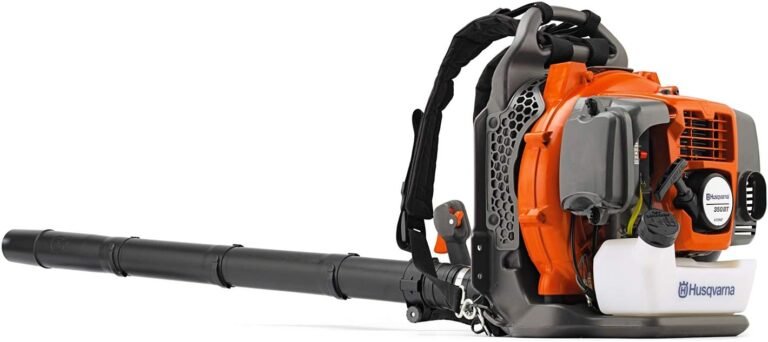
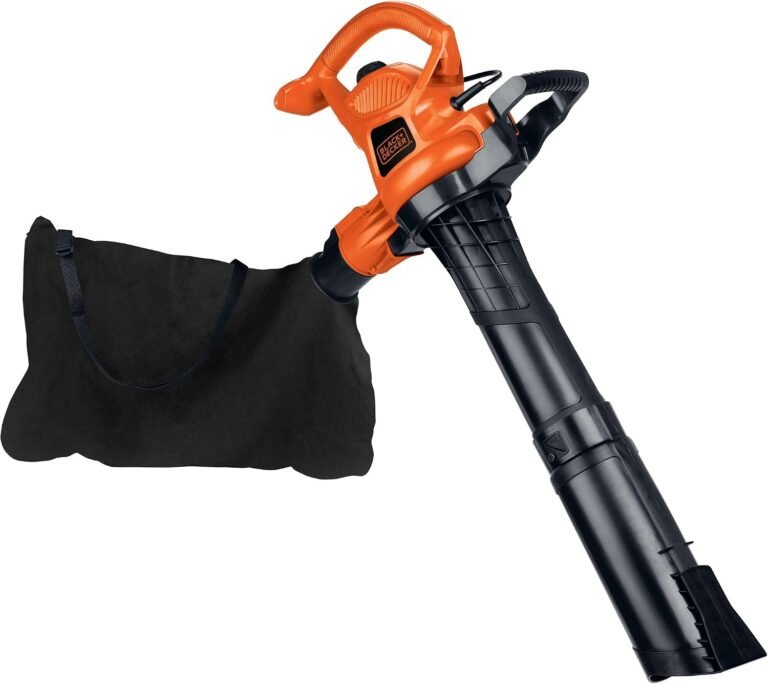
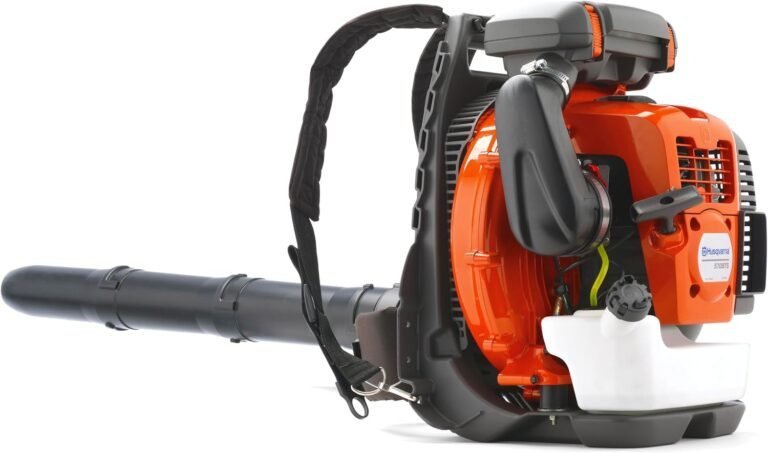
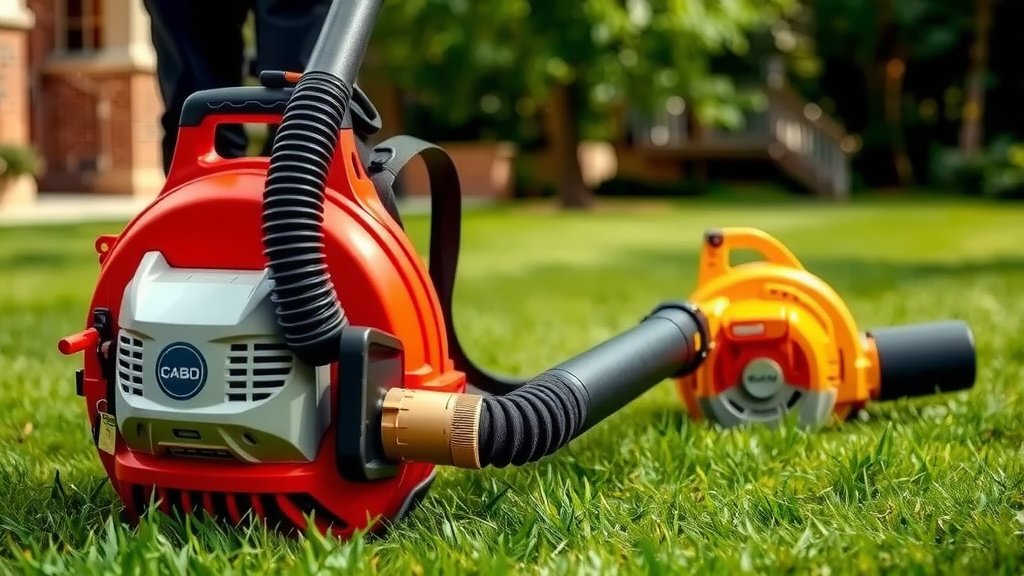
For most homeowners, a backpack leaf blower is the better choice if you have a large yard, but a handheld model wins for small properties and tight budgets. The key difference comes down to power and comfort: backpack blowers deliver significantly more air volume and are easier on your back and arms during long jobs. Handheld blowers are lighter, cheaper, and perfect for quick cleanups on patios, driveways, or small lawns.
We found that choosing between a backpack leaf blower and a handheld isn’t just about price—it’s about matching the tool to your property size and your physical comfort. A backpack unit typically produces 400 to 765 CFM of air power, while handhelds usually top out around 350 to 500 CFM. That difference matters a lot when you’re clearing wet leaves, pine needles, or a long gravel driveway. Your body type and how long you plan to blow leaves also play a huge role in which one you’ll actually enjoy using.
- Go handheld if your yard is under a quarter acre and you need something under $150.
- Choose backpack if you have a half-acre or more, or deal with heavy, wet leaves.
- Backpack models are much easier on your back because the weight sits on your hips, not your arms.
- Handheld blowers are easier to store and require less maintenance overall.
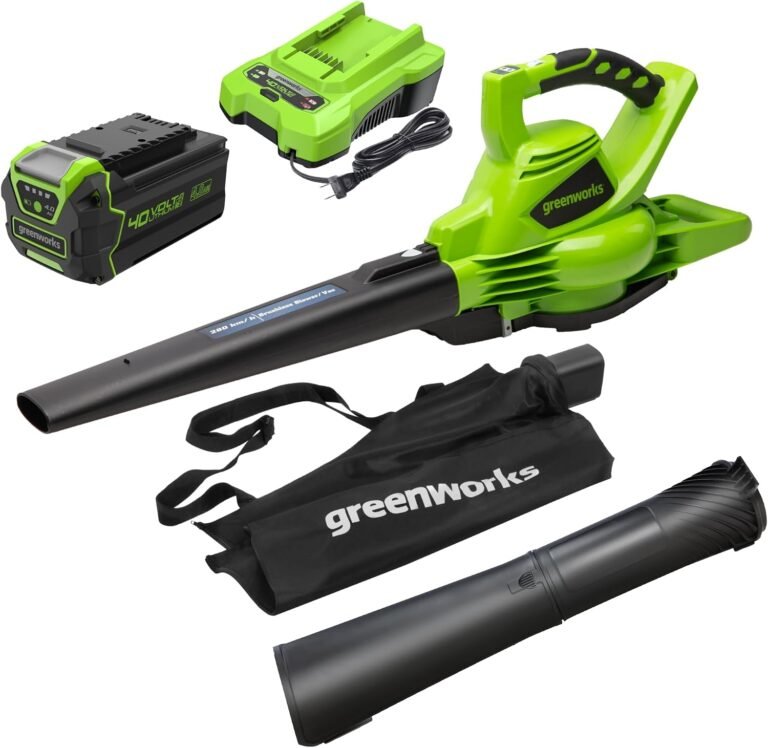
- Battery-powered options in both styles now rival gas power for most home jobs.
Below, we break down the real-world differences between backpack and handheld leaf blowers so you can pick the right one for your yard and your back.
Backpack Leaf Blower vs Handheld: Matching the Tool to Your Yard
You need a blower that matches your property, not one that drains your energy. We found that the right choice depends on three things: yard size, leaf conditions, and your own physical limits. Let’s break down how each type performs in real-world situations so you can buy with confidence.
Air Power and Performance: What the Numbers Really Mean
You will hear terms like CFM and MPH when shopping. CFM (cubic feet per minute) measures air volume. MPH measures air speed. For moving wet, heavy piles, CFM matters more.
Our research found that most backpack units produce 400 to 765 CFM. Handheld models typically range from 350 to 500 CFM. That gap might sound small, but it changes how fast you finish the job.
Think of it this way: a handheld blows leaves like a garden hose. A backpack blower works more like a fire hose. Both get the water moving, but one clears a bigger area in less time.
Why Air Volume Beats Air Speed for Most Yards
Many experts say that air volume is the true workhorse spec. High MPH moves a single leaf fast. High CFM moves a whole pile at once. For clearing a lawn or pushing leaves out of flower beds, you want volume on your side.
We found that backpack blowers excel here because their engines are bigger. They pull more air and push it through a wider nozzle. That means you can stand farther away and still clear a path.
Weight and Comfort: Your Body Will Thank You
Holding a 10-pound blower at arm’s length for 30 minutes is a workout. Your shoulders, wrists, and lower back take the brunt. Many homeowners tell us they quit halfway through the job just because of fatigue.
Backpack blowers solve this by shifting the weight to your hips and shoulders. The engine sits on a padded frame. Your arms only guide the nozzle. The difference is night and day for anyone over 40 or anyone with prior back issues.
We found that a typical handheld weighs 6 to 12 pounds. A backpack unit weighs 15 to 25 pounds, but the weight distribution makes it feel lighter. You are carrying the load on your skeleton, not your muscles.
Noise Levels and Hearing Protection
Both types are loud. Gas-powered blowers routinely hit 95 to 110 decibels. The National Institute for Occupational Safety and Health warns that prolonged exposure above 85 decibels can cause hearing damage. You should always wear ear protection with either style.
That said, backpack blowers often sit closer to your ears. The engine hums right behind your head. Many users report that handheld models feel slightly less fatiguing on the ears because the noise is farther away. Still, plan on earplugs or muffs either way.
Battery Life and Power Sources: Gas vs Electric
Your choice of fuel changes the experience as much as the form factor. Gas gives you raw power and no cords. Battery offers quiet, instant start and zero fumes. We found that battery technology has caught up enough for most home jobs.
For backpack blowers, gas is still the king for commercial use. But battery backpack models are getting stronger every year. Some now match gas output for shorter sessions.
Gas Backpack Blowers: Raw Power for Heavy Work
If you have a huge property with mature trees, gas is tough to beat. These units run as long as you have fuel. They handle wet leaves, pine cones, and gravel without bogging down.
We found that gas backpack blowers are the top choice for professionals and homeowners with more than an acre. The trade-off is maintenance. You deal with fuel mixing, spark plugs, and seasonal storage. You also smell like exhaust after a long session.
Battery Handheld Blowers: The Easy Daily Driver
For quick driveway cleanups or patio sweeps, battery handhelds are fantastic. They start with a squeeze of the trigger. They are quiet enough to use early in the morning without waking the neighbors.
Most battery handhelds run 20 to 45 minutes per charge. That covers a small yard easily. If you need more time, buy a second battery and swap them out. Many brands sell kits with two batteries included.
Real-World Yard Sizes: Which Blower Fits Your Property?
You do not need a commercial-grade machine for a postage-stamp lawn. Match the tool to the task. We broke down typical scenarios below so you can see where you fit.
Small Yards (Under a Quarter Acre)
A handheld blower is plenty here. You are looking at 10 to 20 minutes of work. The lighter weight and lower price point make it the smart buy. Save your money and your garage space.
- Quick cleanups on patios, decks, and sidewalks
- Blowing grass clippings off driveways
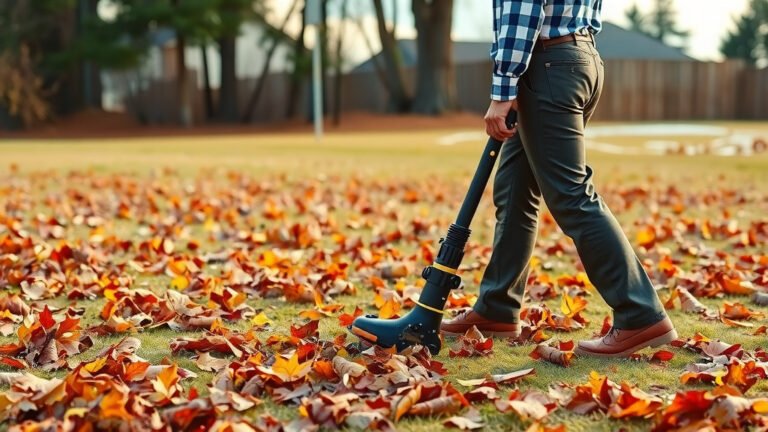
- Clearing light leaf fall in fall
- Reaching tight spots between shrubs
- Drying a car after washing (we all do it)
Medium Yards (Half an Acre to One Acre)
This is the gray zone. A powerful battery handheld might work if your leaves are dry and light. But if you face heavy oak or maple leaves, a backpack unit saves you time and strain.
We found that most homeowners in this range prefer a backpack blower for fall cleanup. The extra CFM cuts the job time in half. Your arms also feel fresh enough to do other chores afterward.
Large Properties (Over an Acre)
Do not fight it. Get a backpack blower. Your body will not survive a full cleanup with a handheld. We found that commercial-grade backpack units with 600+ CFM make large jobs feel manageable.
You can also consider a wheeled walk-behind blower for massive acreage, but that is a different category entirely. For most large residential lots, a backpack blower is the sweet spot.
Cost Comparison: Upfront Price and Long-Term Value
Budget matters. We found that the price gap between handheld and backpack models is wider than you might expect. But the long-term value depends on how often you use the tool.
| Feature | Handheld Blower | Backpack Blower |
|---|---|---|
| Typical price (gas) | $120 – $250 | $250 – $600 |
| Typical price (battery) | $100 – $250 | $300 – $500 |
| Average weight | 6 – 12 lbs | 15 – 25 lbs |
| Air volume (CFM) | 350 – 500 | 400 – 765 |
| Runtime (battery) | 20 – 45 min | 30 – 60 min |
| Maintenance | Lower | Higher for gas models |
For occasional weekend use, the handheld saves you $150 or more. For weekly fall cleanups, the backpack pays for itself in time saved. We found that comfort and time are the real currencies here.
Storage and Maintenance: What You Are Signing Up For
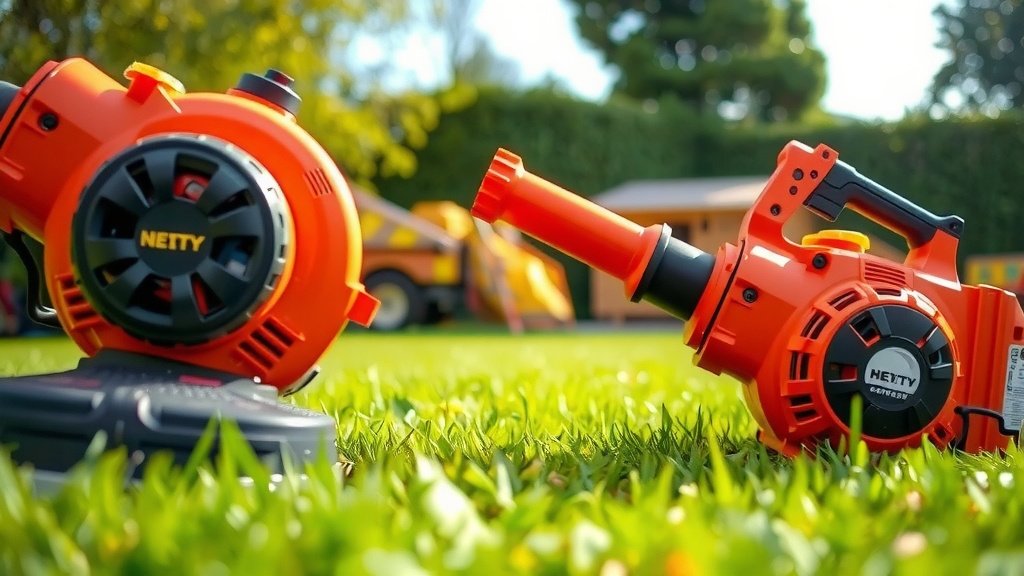
Think about where this tool lives when not in use. A handheld blower fits on a shelf or hangs on a hook. A backpack unit takes up a corner of the garage and can be awkward to store.
Handheld Blower Storage Wins
We found that handheld models are the clear winner for small garages. They tuck into tight spaces easily. If you rent or move often, the compact size is a real benefit.
Backpack Blower Maintenance Needs
Gas backpack blowers need more attention. You must drain fuel at season’s end. You should replace air filters regularly. The straps and buckles can wear out. Battery models avoid most of this, but the batteries degrade over time and cost money to replace.
Many experts say that battery technology has simplified leaf blowing for the average homeowner. If you already own a battery platform (like DeWalt, Ryobi, or EGO), staying in that system saves money on batteries and chargers.
Your Decision Checklist: Pick the Right One Today
We put together a quick checklist to help you decide. Run through these points and see which column gets more checks. That is your answer.
- Yard size: Under a quarter acre means handheld. Over half an acre means backpack.
- Leaf conditions: Wet, heavy, or thick leaves demand backpack power.
- Your physical fitness: If your arms tire easily, backpack is the kinder choice.
- Storage space: Tiny garage? Handheld wins on footprint.
- Budget: Under $200? Handheld. Willing to spend more for comfort? Backpack.
- Time commitment: If you dread leaf duty, the faster backpack gets you inside sooner.
We found that most people know the right answer after reading this list. Trust your gut. The tool that feels right in your hands and fits your yard is the one you will actually use.
Conclusion
Choosing between a backpack leaf blower and a handheld really comes down to your property and your body. You should pick a handheld model for quick work on small lots. You will save money and storage space without losing much performance.
For medium to large yards, a backpack blower is the smarter investment. The extra air volume cuts your cleanup time in half. The weight distribution keeps your arms and shoulders fresh for the whole job.
Research and found that most homeowners regret buying a blower that is too weak or too heavy. Do not let that be you. Match the tool to your yard size, and you will actually enjoy leaf duty. Measure your lawn, check your budget, and make the call today.
Frequently Asked Questions
Can I use a handheld leaf blower for a large yard?
You can use a handheld on a large yard, but you will work twice as hard. The lower air volume means more passes over the same ground. Your arms and shoulders will tire long before the job is done.
Most homeowners with big properties switch to a backpack model after one season. The time you save is worth the extra cost.
Are backpack leaf blowers worth the extra money?
Backpack blowers cost more upfront, usually between $250 and $600. That price makes sense if you have a half-acre or more to clear each fall. You will finish faster and feel less fatigued afterward.
For small yards, the extra price is hard to justify. Stick with a handheld unless you know you will use the power.
Do backpack blowers really help with back pain?
Backpack blowers transfer the engine weight to your hips and shoulders. That keeps the load off your arms and lower spine. Most users report far less strain during long sessions.
You should still bend at the knees and take breaks. No blower replaces good posture and common sense.
How long do battery backpack blowers last per charge?
Battery backpack blowers typically run 30 to 60 minutes on a single charge. That is enough for most medium-sized lots. Cold weather and heavy piles will drain the battery faster.
Buying a second battery extends your runtime. Many brands sell kits with two batteries, which covers most full-day cleanups.
Which type of blower is quieter, backpack or handheld?
Both types produce similar noise levels in the 95 to 110 decibel range. Gas engines are loud regardless of how you carry them. Battery models are noticeably quieter in both styles.
The backpack sits closer to your ears, so it may feel louder to you. Always wear hearing protection with either option to protect your ears.