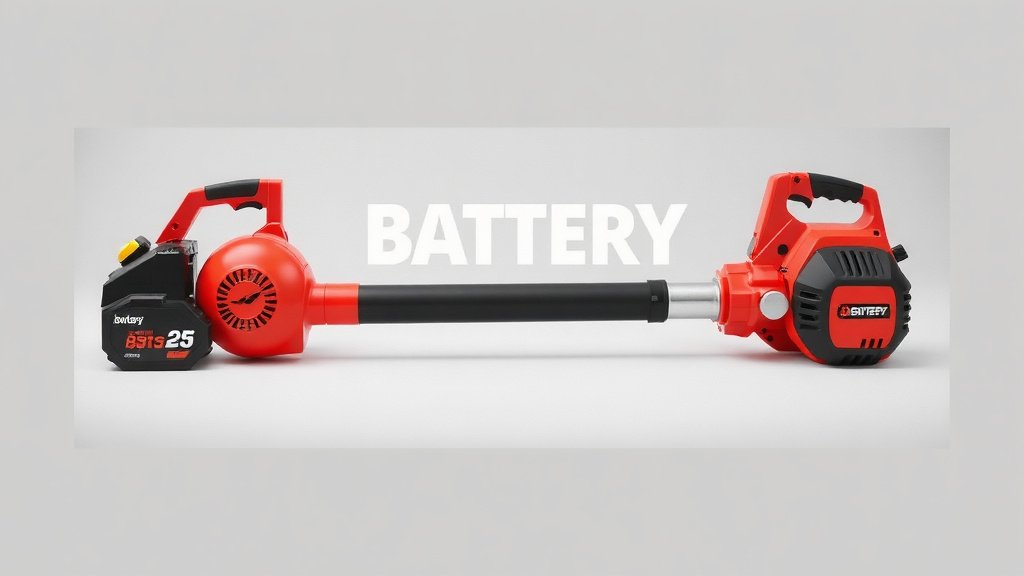
Battery vs Gas Leaf Blowers: Which Is Better?
For most homeowners, a battery leaf blower is the better choice over gas because it’s lighter, quieter, and requires almost zero maintenance. However, if you have a huge yard with heavy, wet leaves, a gas leaf blower still wins on raw power and battery life. The real answer to the battery vs gas debate comes down to your yard size and your tolerance for noise and fumes.
We found that the technology gap between these two has shrunk a lot in recent years. Modern lithium-ion batteries now deliver impressive power, and many models can handle typical suburban lots on a single charge. Your decision really boils down to three things: how big your property is, how much you want to spend, and whether you can handle the upkeep of a gas engine.
- Battery blowers are best for yards under half an acre and anyone who hates pull cords.
- Gas blowers still offer more power for stubborn, wet debris and very large properties.
- Battery models are far lighter and quieter, making them easier on your arms and your neighbors’ ears.
- Gas blowers require fuel mixing, tune-ups, and can be hard to start after sitting all winter.
- We found that most people are happiest with a battery blower if they buy from a reputable brand with a strong battery system.
Below, we’ll walk you through the key differences you need to know, so you can pick the right blower for your yard and never second-guess your choice again.
Comparing Battery and Gas Leaf Blowers for Your Yard
You need a tool that matches your property, not one that fights you every step of the way. The battery vs gas leaf blower debate is really about your daily reality. Do you have a small city lot with a few oak trees? Or are you clearing a half-acre that borders a wooded area?
We found that most people decide based on a simple question: how much time do you want to spend on yard work? Battery models are grab-and-go tools. Gas models are workhorses with a list of chores. Let’s break down what each option truly delivers so you can make a confident call.
Power Output and Performance Levels
Gas blowers have historically dominated the power category. They push massive amounts of air, measured in cubic feet per minute (CFM) and miles per hour (MPH). That raw force handles wet, matted leaves and acorns without flinching.
Battery blowers have closed the gap in recent years. Top-tier models now generate wind speeds that rival mid-range gas units. We found that for dry leaves on a standard lawn, a high-voltage battery blower performs almost identically to a gas one. The difference shows up when the debris is heavy or damp. That is where gas still holds a clear edge.
Airflow and Speed Metrics Explained
Two numbers matter here. CFM tells you the volume of air moving. MPH tells you how fast that air travels. A high CFM moves a big pile of leaves. A high MPH helps you dislodge stuck debris from flower beds or cracks.
For most suburban yards, you want at least 400 CFM and 100 MPH. Gas blowers often exceed 600 CFM. Some battery models reach that range too, but they drain their batteries quickly at full throttle. You trade runtime for that extra punch.
Noise Levels and Neighborhood Etiquette
Gas leaf blowers are loud. Really loud. Many models produce between 90 and 100 decibels. That is enough to damage your hearing with prolonged exposure. The CDC says noise above 85 decibels can cause hearing loss over time. You would need hearing protection every single time you use one.
Battery blowers operate at a much friendlier 55 to 65 decibels. That is roughly the level of a normal conversation. You can wear earbuds, listen to a podcast, or chat with a neighbor while you work. Many people tell us they switched to battery just to stop the dirty looks from neighbors on Saturday mornings. Quieter operation is often the deciding factor in tight neighborhoods.
Daily Usability and Physical Strain
Your back, arms, and shoulders will feel the difference immediately. Gas blowers are heavy. A typical gas backpack unit weighs 20 to 25 pounds. Even handheld gas models tip the scales around 10 to 12 pounds, and that weight sits at the end of your extended arm.
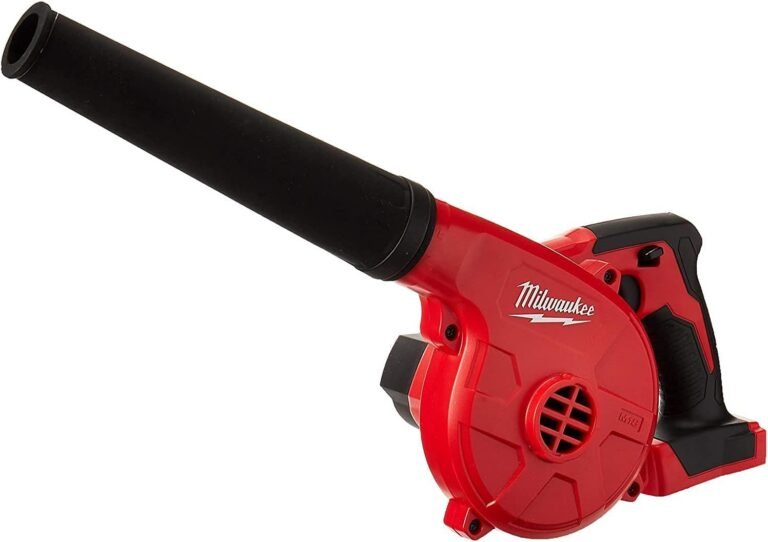
Battery blowers are much lighter. Most handheld models weigh under 7 pounds with the battery inserted. We found that this weight reduction translates into less fatigue after 20 minutes of use. You can finish the front yard without your forearm screaming for mercy.
Starting and Stopping Effort
Gas engines require a pull cord. If you have ever wrestled with a stubborn engine on a cold morning, you know the frustration. The ritual involves priming the bulb, setting the choke, and pulling with the right technique. Sometimes it fires right up. Sometimes you sweat for five minutes before it catches.
Battery blowers start with a trigger pull. There is no choke, no primer, no fuel stabilizer to worry about. Press the trigger and you are working. That simplicity matters more than you might think. We found that people actually use their battery blowers more often because starting is effortless. They grab it for small jobs like clearing the porch or driveway without hesitation. For quick jobs like clearing the porch, a leaf blower can also handle gutter cleaning with the right attachment.
Upfront Costs and Long-Term Value
Price tags tell an interesting story. Gas leaf blowers generally cost less upfront. You can find a decent gas handheld model for $100 to $150. A backpack unit runs $300 to $500. The sticker price is easy to swallow.
Battery blowers have a different cost structure. The tool itself might be $150 to $250, but the battery and charger are often sold separately. A spare battery adds another $150 to $200. That makes the total entry price higher. However, the long-term picture flips in favor of battery power.
Maintenance Expenses Over Five Years
Gas engines need oil changes, air filter replacements, spark plug swaps, and fuel stabilizer treatments. The carburetor can clog if you leave ethanol fuel sitting in the tank over winter. Many repair shops charge $80 to $150 just to clean a gummed-up carburetor.
Battery blowers have almost no maintenance. No oil to change. No spark plugs. No fuel lines to rot. The only consumable is the battery itself, and most lithium-ion packs last three to five years with regular use. Replacement batteries are a known cost, but they are predictable. We found that over a five-year period, battery ownership usually costs less than gas, especially if you already own batteries from another power tool brand.
Fuel Costs and Convenience
Gas prices fluctuate, and two-stroke engines require mixing oil with fuel. You need to store gasoline, which is a fire hazard in your garage. Many municipalities have strict rules about fuel storage.
Battery power means charging from your wall outlet. The electricity cost for a full charge is pennies. Most chargers fill a depleted battery in 30 to 60 minutes. No trips to the gas station. No spilling fuel on your hands. That convenience is hard to overstate for everyday users.
Environmental Impact and Personal Health
Gas leaf blowers are notorious polluters. A study from the California Air Resources Board found that operating a commercial gas leaf blower for one hour produces the same smog-forming emissions as driving a Toyota Camry about 1,100 miles. That is a shocking statistic and worth repeating to anyone who questions your switch.
Battery blowers produce zero direct emissions at the point of use. They are not perfect, because electricity generation still creates pollution somewhere. But the local impact on your lungs and your neighborhood air is drastically better. Many people with asthma or chemical sensitivities report that gas fumes trigger symptoms while battery power does not. Your health is part of this equation too.
Handling and Maneuverability Around Obstacles
Battery blowers tend to be more balanced. The battery sits in the handle or near the motor, which creates a more ergonomic center of gravity. You can guide the nozzle under bushes, around flower pots, and into tight corners with less strain.
Gas handheld blowers feel front-heavy because the engine is at the front. Your wrist and forearm take the brunt of that imbalance. Backpack models solve that problem by shifting the weight to your back, but they cost more and add bulk. For quick jobs, that extra bulk is annoying.

Runtime and Charging Realities
Battery life is the biggest fear for most buyers. We get it. Nobody wants the blower to die halfway through the backyard. The good news is that modern batteries have improved dramatically. A 5 amp-hour battery on a high-efficiency blower can run 30 to 45 minutes at full speed. At partial throttle, you can stretch that to over an hour.
Gas blowers run as long as you have fuel. A full tank lasts 30 to 60 minutes depending on throttle. Refilling takes seconds. This is where gas absolutely still wins for large properties. If your yard takes more than two battery charges to finish, gas is the practical choice.
| Feature | Battery Blower | Gas Blower |
|---|---|---|
| Weight | 5-7 lbs | 10-25 lbs |
| Noise level | 55-65 dB | 90-100 dB |
| Startup | Pull trigger | Pull cord |
| Maintenance | Minimal | Oil, plugs, fuel |
| Runtime | 30-60 min | 30-60 min |
| Emissions | Zero direct | High |
| Best for | Under half acre | Large or wet areas |
Battery Ecosystem and Future Proofing
This is a secret weapon for many buyers. If you already own a cordless drill, string trimmer, or chainsaw from a major brand, check the voltage system. Many brands share the same battery across all their tools. Buying a blower that fits your existing system means you get a second battery and charger included at no extra cost.
We found that investing in a reputable battery platform is smarter than buying the cheapest blower. You pay more upfront, but the battery works across multiple tools for years. This reduces the total cost of ownership and keeps your garage from filling with incompatible chargers.
Winter Storage and Seasonal Care
Gas engines demand winter preparation. You must drain the fuel or add a stabilizer to prevent gumming. If you skip this step, you will likely face a carburetor repair in the spring. Many people forget, and their blower becomes a paperweight until they spend money on repairs.
Battery blowers simply go on a shelf. Store the battery at a partial charge in a cool, dry place. That is the entire storage routine. When spring arrives, charge the battery and go. This no-fuss approach is a huge relief for casual users who do not want another machine to baby.
Making the Final Call for Your Property
Your yard size is the single best predictor of the right choice. We found that properties under half an acre are perfectly served by a battery blower. The runtime covers the workload, and the lighter weight makes the job easier. If your yard is larger than that, or if you regularly deal with wet, heavy debris, gas power remains the more reliable option.
Many experts say that most homeowners overestimate the power they need. A quick test: look at your leaf piles. If you can kick through them with your foot, a battery blower will handle them. If you have to rake them apart, you might want more force from a gas engine.
Quick Checklist Before You Buy
Run through this list while you shop. It will help you avoid the most common buying mistakes.
- Measure your total yard square footage and estimate your cleanup time.
- Check the CFM and MPH ratings, not just the marketing claims on the box.
- Confirm the battery voltage and whether it fits your existing tool platform.
- Look up the noise rating in decibels to respect local ordinances.
- Test the weight at the store if possible. Hold it at arm’s length for 10 seconds.
- Read reviews about battery life under real-world conditions, not just specs.
Taking a few minutes to think through these points now will save you from a regretful purchase. You want a tool that disappears into your hand and gets the job done. The right choice is the one that fits your yard, your body, and your patience level. Whether you go battery or gas, the goal is the same: a clean lawn without a sore back.
Conclusion
You now have the full picture. For most suburban lots, a battery leaf blower delivers enough power, saves your ears, and skips the maintenance headaches. Gas still makes sense if you face acres of wet leaves or need endless runtime. The deciding factor is your property size and your patience for engine upkeep. We recommend starting with your yard measurement and working backward. If you are under half an acre, grab a battery model from a brand you already trust. You will likely wonder why you waited so long to make the switch.
Frequently Asked Questions
Can I use a battery leaf blower for wet leaves?
Yes, but expect reduced performance. Wet leaves are heavy and tend to clump together. A high-end battery blower with at least 500 CFM can handle light dampness. For soaked, matted piles, you may need to break them apart first or let them dry out.
How long does a battery leaf blower battery last before it needs replacing?
Most lithium-ion batteries last three to five years with regular use. The lifespan depends on how often you drain them fully and how you store them. Keeping the battery at a partial charge in a cool place will extend its life.
Are gas leaf blowers being banned anywhere in the US?
Several cities and states have restricted gas-powered lawn equipment. California passed a law phasing out new gas leaf blower sales by 2024. Washington D.C. and over 100 cities have noise or emissions rules. Check your local regulations before you buy a gas model.
What size battery do I need for a leaf blower?
For most yards under half an acre, a 4 to 5 amp-hour battery works well. It gives you 30 to 45 minutes of runtime at full power. If you have a bigger property, look for a 6 amp-hour battery or buy a second pack to swap out.
Is a backpack leaf blower worth it for home use?
Only for large properties. Backpack models shine on yards over one acre because they shift weight to your back. For a standard suburban lot, a handheld battery blower is lighter and easier to maneuver. You save money and avoid the extra bulk.