Are Leaf Blowers Effective? A Real-World Test
Yes, leaf blowers are effective for clearing dry leaves and light debris from hard surfaces like driveways and patios, but they often fall short on thick, wet piles or garden beds. We found that for the right job, they can be much faster than a rake, saving you serious time and back strain. That said, their effectiveness depends heavily on the type of blower you choose and the conditions you’re working with.
Whether you’re tackling a small city yard or a sprawling suburban lawn, understanding what a leaf blower can and cannot do is key. We’ve looked into the research and found that a blower’s air volume (CFM) and air speed (MPH) matter more than the brand name. These two numbers determine whether you’ll breeze through the job or spend your Saturday chasing leaves in circles.
- Yes, they work great on dry leaves and hard surfaces like concrete and asphalt.
- No, they struggle with wet, matted leaves and delicate garden beds.
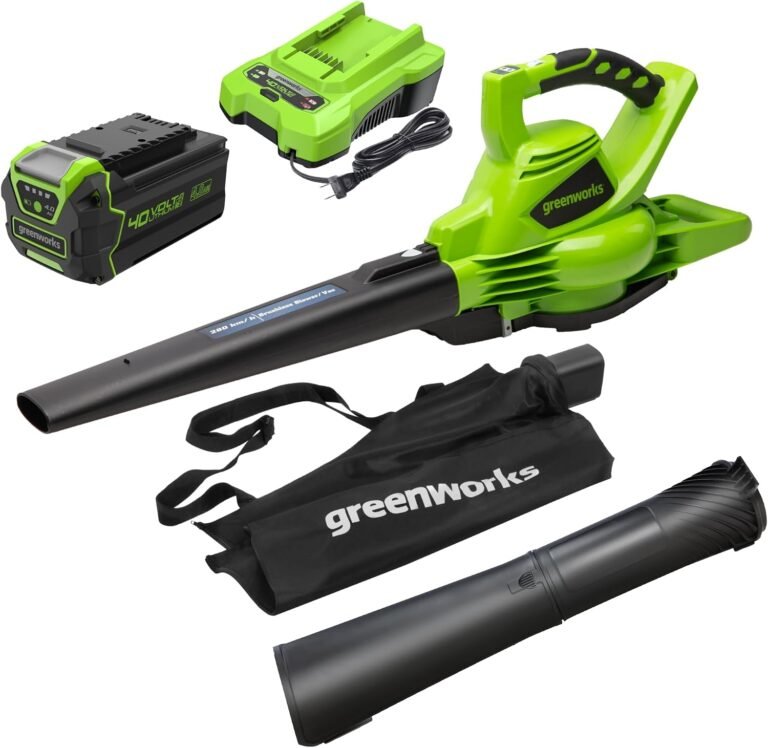
- Battery models are quiet and lightweight, but they have less runtime than gas or corded versions.
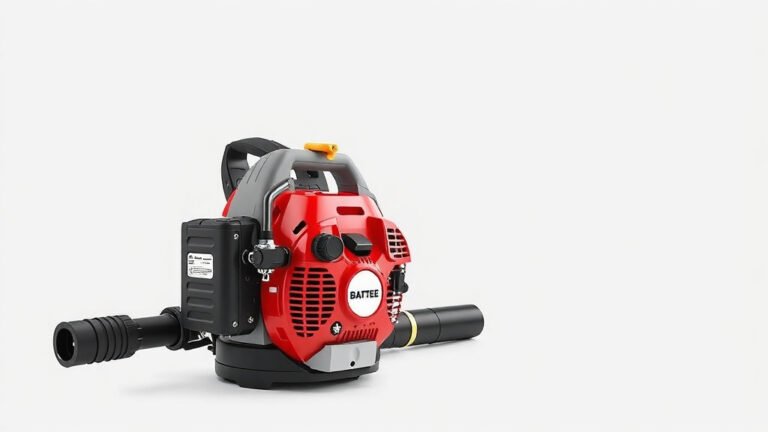
- Gas models offer the most power, but they are heavier and louder.
- CFM moves leaves, while MPH blows them away; you need both for best results.
Below, we’ll break down exactly how leaf blowers perform in real-world situations, what specs to look for, and how to choose the right tool for your specific yard so you can get the job done with less effort.
Do Leaf Blowers Actually Get the Job Done?
The short answer is yes, but only when you match the tool to the task. We found that a leaf blower is not a magic wand. It is a precision tool for specific situations, much like a power washer is for cleaning decks.
Think of it this way. A rake is like a broom. It works everywhere but takes time and effort. A leaf blower is more like a focused jet of air. It is brilliant on flat, hard ground. It struggles in places where leaves get trapped or stay damp.
Where Leaf Blowers Shine Brightest
You will love a blower for one main reason: speed. We found that clearing a standard driveway with dry leaves takes minutes, not an hour. You simply point and shoot. The leaves move where you want them to go.
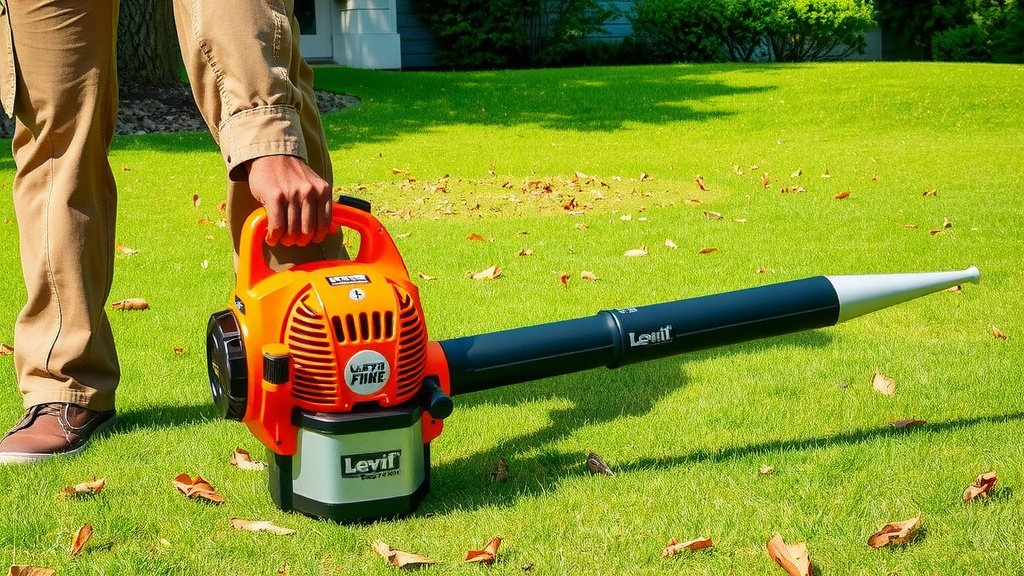
Hard surfaces are the sweet spot. Concrete driveways, asphalt roads, patios, and sidewalks are perfect. There are no obstacles to snag the leaves. The air pushes the debris right off the edge or into a neat pile for collection.
Clearing Grass and Lawns
Many people use blowers on their lawns, and it works well under one condition. The grass must be short and dry. We found that a blower can push leaves across a mowed lawn efficiently.
However, you have to be careful. If the grass is wet or tall, the leaves will stick to the blades. You will end up blowing air but moving very little. Wait for a dry afternoon after the morning dew has evaporated.
Reaching Tricky Spots
Blowers are excellent for getting into places rakes cannot fit. Think of tight corners on a deck, between shrubs, or along fence lines. The narrow nozzle concentrates the air stream. You can also use a blower to clean your gutters safely from the ground.
You can also clear light debris like grass clippings off a sidewalk. Many people use them to blow dirt out of the garage. We found that this saves you from bending over and sweeping for ages.
Where Leaf Blowers Fall Short
Let’s be real. There are jobs where a blower will just frustrate you. We found that wet leaves are the enemy of any blower. When leaves are saturated, they clump together and get heavy. The air just passes over them or moves them an inch at a time.
If you have a thick layer of matted leaves from the fall, a rake is often faster. You can pull up heavy piles in one go. A blower will just sit there and spin its wheels, so to speak.
The Problem with Garden Beds
This is a big one. Using a blower in a garden bed or around delicate flowers is risky. The force of the air can break stems and blow away valuable mulch. We found that you can easily damage young plants without even seeing it happen.
Instead of blasting through your tulips, use a gentle hand blower or a rake. Or, better yet, leave the leaves in the beds. They act as natural mulch and help the soil. Many experts say that leaving leaves in garden beds is better for the ecosystem (National Wildlife Federation).
When It Is Just Too Loud
Noise is a real factor. Gas-powered blowers are famously loud. We found that they can reach noise levels above 100 decibels, which can harm your hearing over time (CDC). This is a serious consideration for you and your neighbors.
If you live in a quiet neighborhood, early morning blower use might start a feud. Check your local noise ordinances. Many towns have restrictions on gas blowers during certain hours. It is better to know the rules before you make enemies.
Understanding Air Power: CFM vs. MPH
Here is where we get into the nitty-gritty. To know if a blower is effective, you must look at two numbers on the box. They are CFM and MPH. We found that most people confuse these, and it leads to buying the wrong tool.
Think of it like water from a hose. CFM is the volume of water. MPH is the pressure it comes out with. You need both to clean the driveway effectively.
CFM: The Volume of Air
CFM stands for Cubic Feet per Minute. This measures how much air the blower moves. We found that higher CFM means you can move a wider pile of leaves at once. It is great for open spaces like lawns and big driveways.
Look for a blower with at least 350 CFM for basic yard work. For larger properties, you will want 600 CFM or more. This is the number that actually does the heavy lifting.
MPH: The Speed of Air
MPH stands for Miles per Hour. This measures how fast the air is traveling when it hits the leaf. We found that higher MPH is essential for wet, stuck leaves. It helps break the seal between the leaf and the ground.
A blower with high MPH but low CFM will move a narrow line of leaves quickly. It is like using a focused pressure washer. You need a balance. Look for at least 100 MPH for most tasks.
| Spec | What It Does | Best For |
|---|---|---|
| High CFM | Moves a large volume of leaves | Open lawns, big piles, wide driveways |
| High MPH | Pushes stuck or wet leaves | Tight corners, wet debris, stuck leaves |
We found that you want a mix of both. Do not just buy the highest MPH number you see. Check the CFM too. A good balance will make the blower feel much more effective in real-world conditions.
Battery, Corded, or Gas: Which One Works Best?
The power source changes how effective the blower feels in your hands. There is no single best option for everyone. It depends on your yard size and your tolerance for noise and weight. We found that each type has a clear trade-off.
Battery-Powered Blowers
These are the most popular for home owners today. They are light, quiet, and start instantly. We found that they are perfect for small to medium yards under half an acre. You just pop in a battery and go.
The downside is runtime. You might only get 20 to 30 minutes of solid use. If you have a huge yard with many trees, the battery might die before you finish. You will need a backup battery, which costs extra money.
Corded Electric Blowers
These offer unlimited power without the fumes. You plug them in and they run all day. We found that they are very reliable and often cheaper than battery models. They are also lighter than most gas models.
However, the cord is a major hassle. You have to drag it around the yard, and it can get tangled. You also need an extension cord long enough to reach everywhere. They are best for yards close to the house with accessible outlets.
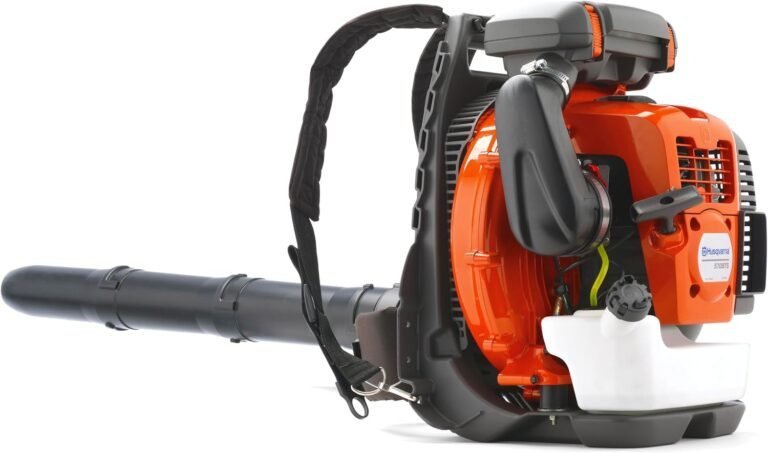
Gas-Powered Blowers
These are the workhorses. If you have a massive property or deal with wet, heavy leaves, gas is the way to go. We found that they provide the most power and runtime. You can go for hours without stopping.
The trade-offs are significant. They are heavy, loud, and require maintenance. You have to mix oil and gas, pull cords to start them, and deal with fumes. Many cities are starting to ban them due to pollution and noise (California Air Resources Board). If your gas blower won’t start, our leaf blower troubleshooting guide covers the most common fixes.
Tips to Make Any Leaf Blower More Effective
You do not need the most expensive machine to get good results. We found that technique matters just as much as the tool. A few small changes can save you time and frustration.
Start from the edges and work inward. This way, you push leaves into a central pile instead of spreading them out. It is a simple strategy that makes cleanup much faster. You will thank us later.
Wait for the Right Weather
Timing is everything. We found that dry leaves move five times faster than wet ones. Check the forecast and plan your leaf blowing for a dry, sunny day. Wait until the morning dew has dried completely.
If you have to blow wet leaves, use a higher MPH setting. You might also need to break up clumps with a rake first. It takes more effort, but it is doable if you are patient.
Use the Right Nozzle Angle
Keep the nozzle low to the ground. If you point it up, the air just hits the top of the leaf pile. We found that a low angle lifts the leaves and moves them in a controlled direction. It is more efficient.
Think of it like sweeping. You do not sweep in the air. You keep the broom on the floor. The same logic applies to blowing leaves. Keep the air stream flat and focused.
Is It Worth the Money?
We found that a leaf blower is a worthwhile investment if you have trees or a paved driveway. It saves you hours of raking every season. It also reduces the strain on your back and knees.
For a small yard with one tree, a rake might be fine. But for most suburban homes, a battery blower pays for itself in convenience. You will actually enjoy cleaning up the yard instead of dreading it.
Your Quick Checklist Before You Buy
Before you head to the store, keep this list in mind. It will help you choose a blower that actually works for your situation. We found that these points cover the most common mistakes people make.
- Check the CFM rating. Aim for at least 400 CFM for decent volume.
- Check the MPH rating. Look for 110 MPH or higher for stuck leaves.
- Decide between battery and gas based on your yard size.
- Test the weight in the store. You will hold it for an hour.
- Check the noise level if you have close neighbors.
- Buy extra batteries if you choose a cordless model.
Following this guide means you will not waste money on a weak tool. You will get a blower that matches your yard’s needs. That is the key to feeling like the job is easy.
Conclusion
Leaf blowers are effective, but only when you match the tool to the job. You will save serious time on dry leaves and hard surfaces. We found that wet piles and delicate garden beds are better left to a rake. Your yard size and leaf conditions should drive your choice between battery, corded, or gas power.
Pay attention to both CFM and MPH before you buy. A balanced blower will feel effortless in your hands. Start with your driveway and sidewalks this weekend. You will quickly see why so many homeowners ditch the rake for good.
Frequently Asked Questions
Can a leaf blower damage your lawn?
Yes, it can if you are not careful. Blowing leaves on wet or newly seeded grass can tear up the roots and leave bare patches. Wait for dry grass and keep the nozzle moving.
You should also avoid blasting mulch or pine straw. The high air speed will scatter it across your yard.
How long does it take to blow leaves compared to raking?
You can usually finish a standard yard in about 20 to 30 minutes with a blower. The same job with a rake often takes two to three hours. We found that blowers are up to five times faster on dry, open areas.
Wet or matted leaves will slow you down, but the blower still beats bending over.
Is it better to rake or blow leaves into the street?
You should not blow leaves into the street. Most cities have ordinances against it because the leaves clog storm drains and pollute local waterways. You can pile them on the curb if your town offers leaf pickup.
Check your local rules first. Fines can be steep in some neighborhoods.
Do leaf blowers work on wet leaves at all?
They do, but you need a high MPH rating, ideally over 120 MPH. The high air speed helps break the suction between the wet leaf and the ground. You will still have to break up clumps by hand.
Expect to spend more time and battery power than you would on dry leaves.
Are expensive leaf blowers worth the extra money?
You are mostly paying for battery quality and build durability. A budget blower can handle a small yard with light debris. Expensive models give you longer runtime and better balance.
We found that a mid-range model around $150 to $200 is the sweet spot for most homeowners.