Are Leaf Blowers Illegal? Local Laws Explained
No, leaf blowers are not illegal nationwide, but many cities and towns across the US have passed local laws that ban or restrict them. You can use one in most places, but you absolutely need to check your specific city or county rules first, since the fines can be steep if you get caught.
We found that the rules vary wildly depending on where you live. Some areas ban gas-powered leaf blowers completely, while others only limit them during certain months or hours of the day. A few towns have even banned all leaf blowers, including electric ones, due to noise and health concerns.
- No federal ban exists on leaf blowers in the US.
- Hundreds of local laws are already in effect, especially in California and the Northeast.
- Gas blowers face the most restrictions due to noise and air pollution.
- Electric and battery blowers are often allowed where gas models are not.
- Always check your local ordinances before you buy or use one to avoid fines.
Below, we break down exactly which places have bans, why the laws exist, and how you can find the rules for your specific neighborhood. Let’s walk through it together so you can clear your yard without any legal headaches.
Why Your Town Might Have a Leaf Blower Ban
You might be surprised to learn that leaf blower laws aren’t new. They have been around for decades. We found that the first major restrictions started in the late 1990s in California. The trend has grown steadily ever since.
The reasons behind these laws are pretty straightforward. It comes down to two main issues: noise pollution and air quality. For many residents, the high-pitched whine of a gas blower is more than just annoying. It can disrupt sleep, work, and simple peace at home.
Then there is the environmental angle. Gas-powered blowers are surprisingly dirty. Many experts say that a single gas leaf blower can emit as much pollution as a modern car driving hundreds of miles. That statistic alone has pushed many local governments to act.
Understanding the Local vs. Federal Rules
There is no national law that says you can’t buy or use a leaf blower. The federal government leaves this decision entirely up to states and cities. That means the rules can change from one street to the next.
We found that most bans are passed at the municipal level. A county might have one rule, but the city inside it has another. You really have to zoom in on your specific address to get the correct answer.
Gas vs. Electric: The Big Divide
This is where the law gets interesting. Most restrictions target gas-powered machines. Electric and battery-powered blowers are usually treated differently.
In many towns, gas blowers are banned entirely. Electric ones are allowed all year round. In other places, electric blowers are still limited by time of day, but the restrictions are much lighter. It all depends on where you live.
The Growing Movement to Ban Gas Leaf Blowers
If you live in a major city or a wealthy suburb, you are more likely to see restrictions. We found that the Northeast and California lead the charge. States like Massachusetts and New York have many towns with strict rules.
California is a special case. The state has passed a law that effectively bans the sale of new gas-powered lawn equipment. This includes leaf blowers, lawn mowers, and string trimmers. The law is being phased in, but the goal is clear.
Why Cities Are Cracking Down on Air Pollution
Air quality is a huge concern for city planners. Small engines are major contributors to smog. Unlike cars, they don’t have catalytic converters or modern emission controls.
Studies from environmental agencies show that operating a gas leaf blower for one hour can produce emissions equal to driving a car for over 1,100 miles. That is a stark difference. It is why so many municipalities are taking action.
Health Risks That Drive the Bans
It’s not just about the environment. The health of the user and the neighbors matters too. The fine dust and particulates kicked up by blowers can be harmful to breathe.
According to health experts, this dust can contain mold, pesticides, and animal waste. Inhaling these particles can trigger asthma attacks or worsen allergies. This is a serious concern for children and the elderly.
Noise Complaints and Quality of Life
Nobody likes to hear a blower at 7 AM on a Saturday. We found that noise is actually the number one reason for bans. The decibel levels of gas blowers are dangerously high.
Most gas blowers operate between 95 and 115 decibels. That is louder than a rock concert. Prolonged exposure can cause hearing damage. Many towns have set a lower decibel limit that only electric blowers can meet.
How to Check the Rules in Your Neighborhood
You don’t need to be a lawyer to figure this out. But you do need to be proactive. Don’t assume that because a store sells it, it’s legal to use in your yard.
Start with a simple online search. Type in your city or county name plus the words “leaf blower ordinance.” We found that most local government websites have this information posted clearly.
Using Official City Websites for Accurate Info
Look for the municipal code or a list of city ordinances. These documents will list the exact rules. Pay close attention to the wording.
Some laws ban “gas-powered” blowers specifically. Others might ban “any leaf blower that exceeds a certain decibel level.” Read the fine print so you know exactly what is allowed.
When to Call Your Local Officials
If you can’t find the answer online, pick up the phone. Call your city hall or the local public works department. They will be able to tell you the current regulations.
We found that the people working there are usually very helpful. Ask them directly: “Can I use a gas leaf blower at my address?” and “Are there specific hours I need to follow?”
Common Restrictions Beyond Full Bans
A full ban isn’t the only way cities regulate blowers. Many places use time restrictions. These rules limit when you can operate the equipment during the day.
For example, you might only be allowed to use a blower between 9 AM and 5 PM. Some towns also prohibit use on Sundays or holidays. These restrictions are often in place to protect residential peace.
Seasonal Limits and Weather Bans
Some areas have seasonal restrictions. They might allow gas blowers in the fall but not in the spring. This helps control smog during certain weather patterns.
Other places ban blowers entirely during drought conditions. The reason is simple. Blowing dry dirt and dust just makes the air quality worse. It also removes the protective topsoil.
Commercial vs. Residential Rules
You might have different rules than a professional landscaper. Commercial crews often face stricter rules than homeowners. Some cities require commercial users to have a special license.
If you hire a lawn service, make sure they are following the law. You can be held responsible if they are using banned equipment on your property. It is your property, so you are ultimately accountable.
Penalties and Fines for Violating Leaf Blower Laws
Getting caught can cost you. The fines are not just a slap on the wrist. They can get more expensive with each violation.
We found that the first offense usually results in a warning or a fine of around $100. Repeat offenders can face fines of $500 or more. In some extreme cases, the city can even confiscate your equipment.
| Type of Violation | Typical Fine Amount | Other Consequences |
|---|---|---|
| First Offense | $50 – $150 | Verbal warning usually given |
| Second Offense | $150 – $300 | Written citation on record |
| Third Offense | $300 – $500+ | Equipment may be seized |
Are Electric Leaf Blowers a Safe Alternative?
If your town has banned gas blowers, you aren’t out of luck. Electric blowers are the obvious workaround. They are much quieter and produce zero direct emissions.
We found that most bans specifically exempt electric models. You can usually use them without worrying about breaking the law. Just make sure to double-check your local noise ordinances for time limits.
Battery-Powered Blowers: The New Standard
Battery technology has improved a lot. Modern lithium-ion blowers have plenty of power for most residential yards. They are lighter and easier to start than gas models.
They are not completely silent though. They still make a noise, but it is less harsh. The sound is more of a “whoosh” rather than a “scream.” This makes them much more neighbor-friendly.
What About Corded Electric Blowers?
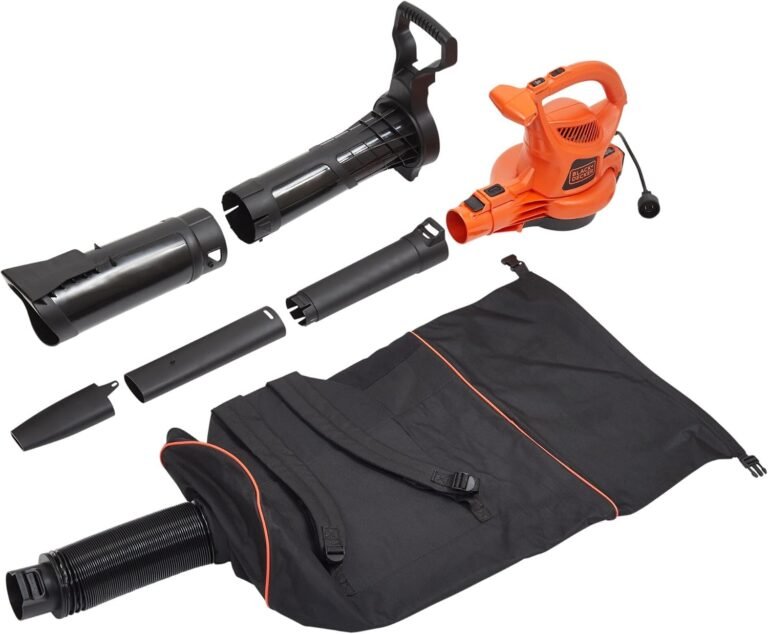
You also have the option of a corded electric blower. These are the cheapest and most powerful electric options. They are perfect if you have a small yard close to an outlet.
The main drawback is the cord. It can be a tripping hazard. It also limits your range. But for the price, they are a great way to stay compliant with the law.
Your Quick Checklist Before You Start Blowing
Before you fire up any machine, take a minute to review this quick checklist. It will save you from a headache later. We put this together to make things easy for you.
- Confirm your city’s rule on gas blowers before buying one.
- Check the allowed hours for any type of leaf blower use.
- Verify if a permit is required for commercial use on your property.
- Look for the decibel rating on your blower to ensure it meets local limits.
- Consider a battery model to avoid most restrictions entirely.
- Talk to your neighbors about your schedule to keep the peace.
Following this list means you can spend more time on your yard and less time worrying about tickets. It really is that simple.
The Future of Leaf Blower Regulations
We found that the trend is moving toward stricter rules. More cities are joining the movement every year. If your town doesn’t have a ban yet, it might soon.
Many experts say that the future is electric. The technology is getting better and prices are dropping. It is likely that gas blowers will become a thing of the past in the coming decades.
State-Level Action is on the Rise
Some states are not waiting for cities to act. They are passing statewide laws to phase out gas equipment. This makes the rules consistent across the entire state.
California has already set a timeline for this. Other states are watching closely and considering similar measures. If you live in a state with progressive environmental laws, keep an eye on the news.
How to Stay Ahead of the Curve
If you are in the market for a new leaf blower, think long-term. Buying a quality electric model now is a safe bet. It will likely remain legal even as laws get stricter.
You will save money on gas and maintenance too. It is a win-win for your wallet and your community. Plus, you won’t have to worry about the law changing on you next year.
Taking a few minutes to understand the rules where you live is worth the effort. You will have a cleaner yard and a clear conscience. Happy blowing, legally!
Conclusion
You now know the real story. Leaf blowers are not banned nationwide, but local rules can be strict. The key takeaway is simple: your city decides what is legal for your yard. Gas models face the most pushback. Electric and battery options are usually your safest bet.
Don’t let the patchwork of laws scare you. Take five minutes to check your local ordinance before you buy new equipment. That one small step can save you from a hefty fine. If you are shopping for a blower today, go electric. You will be ready for whatever rules your town passes next.
Frequently Asked Questions
Can my neighbor call the police if I use a leaf blower?
Yes, they can file a noise complaint with local authorities. Police or code enforcement officers will typically respond and check your local ordinance. You could receive a warning or a citation if you are breaking the rules. It is best to know the law before you start.
Do leaf blower bans apply to homeowners or just landscaping companies?
Most bans apply to everyone, including homeowners. We found that some commercial landscapers face stricter rules or need special permits. However, you are still responsible for equipment used on your property. Always check if your town treats residential and commercial users differently.
What is the quietest type of leaf blower I can buy legally?
Battery-powered blowers are your quietest option. They typically run around 60 decibels, which is far below most legal limits. Corded electric models are also quiet but a bit louder. Gas blowers are the loudest and most likely to break noise laws.
Can I use a leaf blower on my own private property if it is banned?
No, a ban applies to all property within city limits, including your private yard. The law does not give you an exception just because you own the land. You could still face fines for using banned equipment at home. Check if your town allows electric models instead.
Are there any states where leaf blowers are completely illegal?
No state has a complete ban on all leaf blowers. California has restricted the sale of new gas-powered models, but you can still use existing ones in most areas. Statewide rules focus on gas equipment, not electric blowers. Your local city laws are what matter most for daily use.