Can You Turn Off Electric Leaf Blowers? Yes, Here’s How
Yes, you can turn off electric leaf blowers, and it’s actually a simple process. Just release the trigger or press the power button, depending on your model. Every electric blower, whether corded or battery-powered, has a safe and easy way to stop it immediately.
Knowing how to quickly shut off your blower is important for safety and saving battery life. You might also be wondering about switching between speed settings or if there is a special shut-off sequence you need to follow. We found that the process is usually more straightforward than you think, and we’re here to walk you through it.
- Release the trigger to stop most corded and battery blowers instantly.
- Use the main power switch to fully power down the unit when you’re done.
- For battery models, you can simply remove the battery pack to guarantee it’s off.
- Always wait for the fan blades to stop spinning completely before setting it down.
- Unplugging a corded model is the ultimate way to cut all power.
Below, we break down the different ways to turn off your electric leaf blower, including tips for specific models and common safety mistakes to avoid.
Shutting Off Your Electric Leaf Blower Safely
You have a few straightforward ways to stop your electric blower. The method depends on the type you own. Whether it is corded or battery-powered, the process takes seconds once you know the controls.
We found that most people overthink this step. You do not need a special sequence or a secret trick. Just match the action to the part of the blower you want to control.
Using the Trigger for Quick Stops
The trigger is your best friend for sudden stops. It sits right under your index finger. Release it, and the motor stops almost instantly.
This works for both corded and battery models. We found that the trigger is the fastest way to pause between leaf piles. You save battery power and reduce noise without fully powering down.
Variable Speed Triggers
Some blowers have a variable speed trigger. Pulling harder makes the air move faster. Releasing it fully cuts the motor power completely.
This design is common on newer models. It gives you precise control. You can feather the trigger for light debris or pull it all the way for wet leaves.
Lock-On Buttons
Many blowers include a lock-on button near the trigger. This locks the trigger in place so you do not have to hold it. Pressing the lock releases the trigger and stops the blower.
We found that some users forget this button exists. If your blower keeps running after you let go, check for a lock feature. Press it once to release the tension and stop the motor.
Using the Main Power Switch
The main power switch is the on/off toggle on the side of the unit. This is different from the trigger. It controls the flow of electricity to the whole system.
Flip this switch to the off position when you finish a job. The motor will stop and the blower will sit idle. This switch is your primary way to shut down the machine completely.
We recommend making this a habit. Even if the trigger is released, the power switch ensures no accidental start. It is a simple step that adds a layer of safety.
Stopping Corded Electric Leaf Blowers
Corded blowers have one extra safety step. Since they plug into a wall outlet, they have a constant power source. Releasing the trigger stops the motor, but the unit stays live.
You have two clear options to fully turn off a corded blower. Both are easy and take less than five seconds.
Unplugging the Power Cord
Unplugging is the ultimate way to cut all power. Pull the plug from the outlet and the blower is completely dead. This is the safest method for any maintenance or storage.
We found that many people skip this step during quick breaks. That is okay for short pauses. But for longer rests or any cleaning, always pull the plug. It prevents accidental startups and protects the motor from power surges.
Using the On/Off Switch on the Unit
Most corded blowers have a manual switch on the body. This switch is separate from the trigger. It acts as a circuit breaker between the outlet and the motor.
Flip it off and the blower cannot run. This is a good middle ground between the trigger and unplugging. You keep the cord plugged in but stop all electrical flow to the motor.
Stopping Battery-Powered Leaf Blowers
Battery blowers offer more flexibility. You are not tied to an outlet. That also means you have a few different ways to shut them off.
The best method often depends on how long you plan to stop. A quick pause needs one action. End-of-day storage needs a different one.
Releasing the Trigger for Pauses
For a quick pause, just release the trigger. The motor stops and the blower goes silent. The battery stays connected and ready for action.
This is perfect for moving between garden beds. It is also great for listening for traffic or talking to a neighbor. The blower is off, but you can restart it instantly.
Removing the Battery Pack
Removing the battery is the safest shutdown for battery models. Slide the pack out and the blower has zero power. This is the best practice for storage or transport.
We found that battery removal also protects the battery itself. It prevents slow drains that happen when a unit sits idle. Store the battery separately in a cool, dry place for best results.
Battery Release Buttons
Most battery blowers have a release button near the battery slot. Press it and slide the battery out. Some models have a latch that you pull upward.
Check your user manual for the exact release method. The process is usually printed near the battery slot. It takes one hand and about two seconds to complete.
Speed Settings and Shut-Off Controls
Electric blowers often come with multiple speed settings. You might have a high and low toggle or a dial. These controls affect how fast the air moves but not the on/off function.
We found that speed settings work independently from the trigger. You can set a high speed and still stop the motor by releasing the trigger. The speed dial just prepares the motor for its next start.
Switching Between Speeds
Some models let you change speed while running. Others require a full stop first. Check your blower to see which type you own.
For dial-style controls, you usually turn the dial while the motor runs. For toggle switches, you might need to release the trigger first. This prevents strain on the motor and keeps the gears safe.
Turbo or Boost Buttons
Turbo buttons are a separate feature. They give a short burst of maximum power. Pressing them again turns off the boost and returns to the base speed.
These buttons do not control the main motor. They only adjust the air pressure. Release the trigger or flip the power switch to fully stop the blower.
Common Mistakes When Turning Off Blowers
People make simple errors that damage their blowers. We found that most issues come from rushing or misunderstanding the controls. Avoiding these mistakes keeps your equipment running longer.
Setting It Down While the Blades Spin
Do not put the blower down until the fan blades stop. The motor may be off, but the blades still spin for a second. Setting it down early can suck up debris or tip the unit over.
Wait for the whirring sound to stop completely. This takes about two seconds. It is a small pause that prevents big problems.
Forgetting to Unplug Before Cleaning
Never clean the air intake or nozzle while the blower is plugged in. Even with the switch off, the unit is live. A stray wire or cloth can cause a short circuit.
Unplug first, then remove clogs or debris. This is a basic safety rule that many people skip. It takes five seconds and saves you from a shock or a fried motor.
Leaving the Battery in for Winter
Batteries drain slowly when left connected. Over months of storage, this can damage the cells. Remove the battery before storing your blower for the season.
Store the battery at around 50 percent charge. Keep it in a place between 40 and 80 degrees Fahrenheit. This preserves the battery and ensures it works next spring.
Safety Checklist Before You Stop
Before you power down your blower, run through this quick list. It keeps you safe and extends the life of your equipment. We found that these six steps cover all the bases.
- Point the nozzle away from your body and any bystanders.
- Release the trigger and let the motor spin down completely.
- Flip the main power switch to the off position.
- For corded models, unplug the power cord from the outlet.
- For battery models, press the release button and remove the pack.
- Set the blower on a flat, dry surface away from foot traffic.
Turning Off Different Brands and Models
We found that brands share similar controls, but there are small differences. Most use a trigger and a power switch. Some add unique safety features that change the shutdown process.
Backpack Electric Blowers
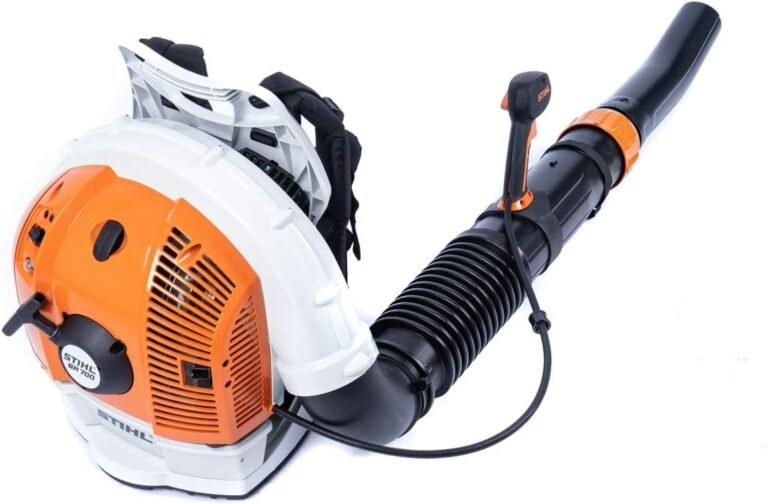
Backpack models have a control panel on the harness strap. You will find the power switch there, not on the blower tube. Press it off to stop the motor. For a deeper look at backpack models, see our guide to the best backpack leaf blower.
Some backpack units have a key or a kill switch. Turning the key removes power completely. This is similar to a safety interlock and works well for storage.
Handheld Compact Models
Handheld units are the simplest. They usually have just a trigger and a slide switch. Slide the switch to off and the blower stops instantly.
These models are great for beginners. The controls are minimal and intuitive. You will master the shutdown in one use.
Why Quick Shut-Off Matters
Quick shut-off is not just about convenience. It affects your safety and your equipment’s lifespan. Many experts say that proper shutdown prevents motor wear and battery strain (Consumer Reports).
When you stop the motor cleanly, you avoid overheating. You also reduce the risk of throwing debris. A fast trigger release is the best first step.
We found that a full shutdown also protects your ears. Electric blowers run at around 65 decibels. Cutting the power reduces your noise exposure and protects your hearing over time (CDC).
Protecting the Motor
Motors generate heat when they run. Shutting down properly lets the heat dissipate. This prevents damage to internal components.
If you just drop the blower while running, the motor strains. It keeps spinning against resistance. A clean shut-off avoids this stress and keeps the motor cool.
Extending Battery Life
Batteries wear out with every charge cycle. Stopping the motor early does not save a cycle. But avoiding accidental drain does extend overall battery health.
Removing the battery stops phantom drain. This is the slow leak that happens when a battery stays connected. You preserve more capacity for actual yard work.
Quick Reference Table for Shut-Off Methods
Here is a fast summary of the best shutdown methods. Use this table when you are unsure which control to use.
| Blower Type | Quick Stop | Full Shutdown | Best For Storage |
|---|---|---|---|
| Corded Blower | Release trigger | Flip power switch | Unplug from outlet |
| Battery Blower | Release trigger | Flip power switch | Remove battery pack |
| Backpack Blower | Release trigger | Press switch on strap | Remove battery or key |
| Handheld Compact | Release trigger | Slide switch to off | Remove battery or unplug |
Keep this table in mind the next time you use your blower. Match the action to your model and you will be fine.
Final Thoughts on Powering Down
Turning off an electric leaf blower is a simple, safe process. You have multiple ways to stop it, depending on the situation. We found that the trigger is your quickest option, while the power switch or battery removal is best for full shutdowns.
Always wait for the blades to stop before setting the unit down. Unplug corded models or remove batteries for storage. These small habits keep your equipment working well for years.
Next time you finish blowing leaves, use these steps. You will save power, reduce wear, and stay safe. Your blower will thank you, and so will your ears.
Conclusion
Turning off your electric leaf blower is quick and simple once you know your controls. The trigger stops the motor instantly for short pauses. The main power switch handles full shutdowns at the end of a job.
For corded models, unplugging cuts all power completely. For battery models, removing the pack is your safest bet. Always wait for the fan blades to stop spinning before setting the unit down.
You now have everything you need to power down safely and protect your equipment. Next time you finish yard work, make a habit of doing a full shutdown. Your blower will run longer, your battery will hold more charge, and you will avoid unnecessary wear. Take two extra seconds and do it right.
Frequently Asked Questions
Is it bad to turn off an electric leaf blower right after starting it?
No, it is not bad at all. Electric motors handle quick start-stop cycles without any damage. You can turn it off immediately if you need to. There is no warm-up or cool-down period required like with gas engines.
Why does my electric leaf blower keep running after I release the trigger?
Your blower likely has a lock-on button engaged. This feature holds the trigger in place so you do not have to keep squeezing. Press the lock-on button once to release it, and the motor will stop.
Can I leave my electric leaf blower plugged in when it is off?
You can leave it plugged in for short breaks, but it is not the best practice. The unit stays live even with the switch off. For safety and to protect against power surges, unplug it whenever you are done for the day.
Do I need to remove the battery from my leaf blower every time I use it?
No, you only need to remove the battery for storage or transport. For quick breaks, just release the trigger. But if you are storing the blower for more than a few days, take the battery out to prevent slow drain.
What should I do if my electric leaf blower will not turn off?
Unplug it immediately if it is corded. If it is battery-powered, remove the battery pack right away. This cuts all power instantly. Then check the trigger and power switch for stuck debris or damage before using it again.