Can a Leaf Blower Blow Snow? Yes, But Know This
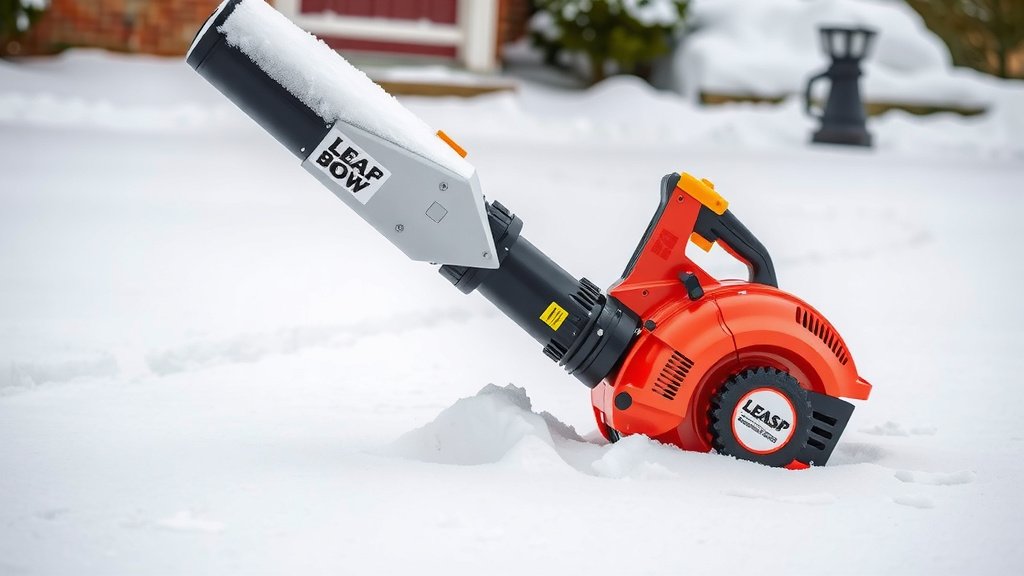
Yes, a leaf blower can blow snow, but only if you’re dealing with light, powdery snow (about 2–3 inches or less). It works because the high-velocity air pushes dry snow off driveways, decks, and sidewalks just like it moves leaves. That said, it won’t handle heavy, wet, or deep snow — that’s a job for a real snow blower.
We found that many homeowners use leaf blowers as a quick, affordable alternative for dustings of snow. It’s a lifesaver when you don’t own a shovel or snow blower, or when you just want to clear the porch in under five minutes. But before you grab your blower, it’s smart to know the type of snow you’re facing and how to avoid damaging your equipment.
- Yes, you can blow snow — but only light, dry, and shallow snow (under 3 inches).
- Wet or heavy snow will clog the blower and stall the engine quickly.
- Use a battery-powered or corded leaf blower instead of gas — starting is easier in the cold.
- Work at a low angle and keep the nozzle just above the surface for best results.
- Skip the leaf blower for big storms — a shovel or snow blower is safer and faster.
Below, we break down exactly when a leaf blower can save your morning, how to do it right, and when it’s better to just grab a shovel. Let’s walk through the details step by step.
Blowing Snow With a Leaf Blower: What Actually Works
The short answer is yes, but you have to pick your battles. A leaf blower works best on dry, fluffy snow that hasn’t settled or melted. Think of it like this: if you can sweep the snow with a broom, you can blow it with a leaf blower.
We found that the type of snow makes all the difference. A 1-inch dusting on your driveway is perfect. A 6-inch slushy mess after a warm day? That is a recipe for frustration and a clogged machine. The air volume and speed from a leaf blower are impressive, but they cannot compete with the mechanical scraping of a snow blower.
The Snow Test: Dry vs. Wet Snow
Before you even start the engine, check the snow. Pick up a handful. If it falls apart easily and feels like powder, you are good to go. This is the only kind of snow a leaf blower can handle effectively.
Wet snow is a different beast. It is heavy and sticky. When it hits the plastic housing of your blower, it will clump up and block the airflow. Many experts say that attempting to blow wet snow can burn out the motor or snap the belts on gas models. It is simply not worth the risk to your equipment.
Gas vs. Battery vs. Corded for Cold Weather
If you are planning to use this trick, the type of blower matters. We found that battery-powered units are the most reliable for this specific job. They start instantly with a simple pull of the trigger. Gas engines often struggle to start in freezing temperatures because the fuel mixture thickens and the choke needs constant adjustment.
Corded electric blowers also work well. They offer endless power without the worry of a dying battery. The only downside is the extension cord. It can get tangled in the snow or freeze stiff. You have to manage the cord carefully while you walk.
For powdery snow, a battery blower with a high air speed rating is your best friend. Just remember that cold weather drains lithium-ion batteries faster than usual. Keep a spare battery inside your jacket to keep it warm.
Step-by-Step Guide to Clearing Snow
Using a leaf blower for snow is a bit different than using it for leaves. You cannot just point and spray. There is a specific technique that makes the job faster and keeps your machine safe.
Here is the process we recommend for a clean sweep. It is simple, but the details matter.
Pick the Right Time of Day
Timing is everything. The best time to blow snow is early in the morning while the temperature is still low. At this point, the snow is still crisp and dry. If you wait until the sun comes out, the top layer will start to melt and become heavy.
We found that trying to blow snow after a few hours of sunlight is a losing battle. The surface becomes slushy and the blower will just push water around. Get out there before the thaw begins.
Set the Right Angle and Height
Hold the blower nozzle close to the ground. We are talking about an inch or two above the surface. If you hold it high, you will just create a snow cloud that blows back into your face.
Angle the nozzle downward and slightly to the side. This creates a sweeping effect. You want to push the snow off the edge of the driveway, not just scatter it around. Use a smooth, side-to-side motion, similar to how you would sweep a floor with a broom.
Work With the Wind
Check which direction the wind is blowing. Always blow the snow in the same direction as the wind. If you fight the wind, the snow will blow right back at you and cover your shoes.
This is one of those small details that makes a massive difference. Working with the wind can cut your time in half. Working against it makes the job miserable and ineffective.
Quick Technique Checklist
- Use a low angle, keeping the nozzle close to the ground.
- Sweep side-to-side, letting the air do the heavy lifting.
- Blow with the wind, never into it.
- Move snow in layers, taking off the top before the bottom.
- Work fast before the sun melts the surface.
- Clear a path first, then widen it out.
Surface Types: Where It Works Best
Not all surfaces react the same way to a leaf blower. The texture of the ground changes how the snow moves. We found that smooth surfaces are ideal. Rough surfaces can trap the snow and make it harder to dislodge.
You should also watch out for gravel. A leaf blower can easily launch small pebbles into the air, which is dangerous for you and your windows.
Driveways and Sidewalks
Concrete and asphalt are perfect for this method. They are smooth and allow the air to move the snow easily. You can clear a standard two-car driveway of light snow in about 10 to 15 minutes with a high-powered blower.
Just make sure the concrete is in good shape. If you have cracks or potholes, snow will get stuck in them. You may need to follow up with a broom for those small spots.
Decks and Porches
This is where a leaf blower really shines. We found that it is the best tool for clearing wooden decks. Using a shovel or metal scraper on wood can cause scratches and splinters. A leaf blower gently lifts the snow without damaging the sealant or the boards.
It is also incredibly fast for small areas. You can clear a large porch in under two minutes. This saves your back and protects your deck’s finish.
Why You Should Avoid Gravel
Gravel driveways are a no-go zone. The high-velocity air will pick up stones and shoot them like tiny bullets. This can break windows, dent cars, or hit a neighbor.
If you have a gravel driveway, skip the leaf blower entirely. A shovel or a snow blower with a scraper bar is the safer choice. You do not want to be the person who explains a cracked windshield to their neighbor.
Safety and Equipment Protection
Cold weather is hard on machinery. You need to protect your leaf blower just as much as you protect yourself. A little bit of prep work prevents a costly trip to the repair shop.
We found that most issues come from moisture and improper storage. Keep your equipment dry and warm, and it will last for years.
Prevent Clogging and Motor Strain
The biggest killer of leaf blowers in winter is moisture intake. When you blow snow, the air is full of tiny ice crystals. These crystals melt inside the warm engine or motor, causing water to accumulate.
For gas blowers, this water can get into the carburetor and cause it to freeze overnight. To prevent this, run the blower for a few minutes after you finish clearing the snow. This warms up the internal parts and evaporates any residual moisture.
Battery Care in Freezing Temperatures
Batteries do not like the cold. We found that a battery’s runtime can drop by up to 50% when the temperature dips below freezing. This is a well-known limitation of lithium-ion cells (U.S. Department of Energy).
Keep your spare batteries in an inside coat pocket. Your body heat keeps them warm and functional. Do not leave them in the garage overnight during a cold snap. A warm battery will give you significantly more run time than a cold one.
Comparing Your Options: Leaf Blower vs. Shovel vs. Snow Blower
It helps to see the options side by side. Each tool has a time and a place. The right choice depends on the amount of snow and your physical condition.
Here is a breakdown of what we found comparing the three main methods for clearing snow.
| Method | Best For | Time to Clear Driveway | Physical Effort | Risk of Damage |
|---|---|---|---|---|
| Leaf Blower | Powder under 3 inches | 10-15 minutes | Low | Low (surface dependent) |
| Shovel | Wet snow, any depth | 30-60 minutes | High | Low (back strain risk) |
| Snow Blower | Heavy snow over 4 inches | 15-20 minutes | Low | Medium (maintenance) |
When to Put the Blower Away
There is a clear line you should not cross. If the snow is deeper than 3 inches, stop trying to blow it. You will end up pushing the snow into a mound that is even harder to move.
If the snow is wet and sticks to your gloves, the leaf blower is useless. The Centers for Disease Control and Prevention (CDC) warns that shoveling wet snow can cause a spike in heart rate. If you must move it, do it slowly or use a snow blower to reduce physical strain.
We found that having a leaf blower is a great supplement to a shovel. Use the blower for the light stuff and the porch. Keep the shovel for the heavy, packed snow near the garage door. This combo saves time and effort.
Conclusion
So, can a leaf blower blow snow? Yes, but only when the conditions are right. You need light, powdery snow under three inches and a smooth surface like concrete or wood. Anything wet, deep, or slushy is a job for a shovel or snow blower.
We recommend keeping your leaf blower handy for those quick dustings and porch cleanups. It saves your back and gets you out the door faster. For big storms, stick with the heavy equipment. Once the snow is gone, you can also use your blower to clean your gutters in the spring.
Your next step is simple. Check the snow forecast. If it is a light dusting, grab your leaf blower and give it a try. Just remember to keep the nozzle low and work with the wind.
Frequently Asked Questions
Can I use a leaf blower on frozen or icy snow?
No, a leaf blower will not break up ice or packed frozen snow. The air just slides over the hard surface. You need a shovel with a metal edge or ice melt for those conditions. Save your blower for the fresh, fluffy stuff.
Will blowing snow damage my leaf blower?
It can if you use it on wet snow or for too long. The moisture can freeze inside the motor or carburetor. You can protect your machine by running it for a few minutes after you finish. This warms the parts and dries out any leftover moisture.
What is the best leaf blower for snow removal?
We found that battery-powered leaf blowers are the easiest for snow. They start instantly in the cold without pulling a cord. Look for one with a high air speed rating, around 150 mph or more. Keep a spare battery warm inside your coat for longer runtime.
How long does it take to clear a driveway with a leaf blower?
You can clear a standard two-car driveway of light, powdery snow in about 10 to 15 minutes. The time depends on your blower’s power and how fast you move. It is much quicker than shoveling and a lot easier on your body.
Is it safe to blow snow off my car?
Yes, but you have to be careful. Use a low setting and keep the nozzle a few inches away from the paint. A leaf blower is great for removing loose snow from the roof and hood. Just avoid using it on icy patches, as you might scratch the surface.