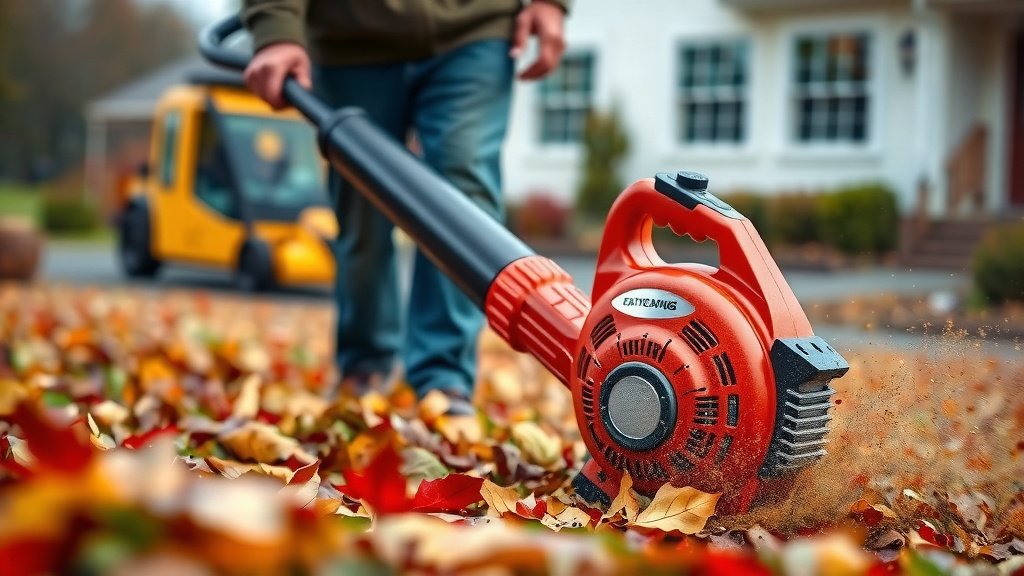
Can Leaf Blowers Vacuum Leaves and Debris?
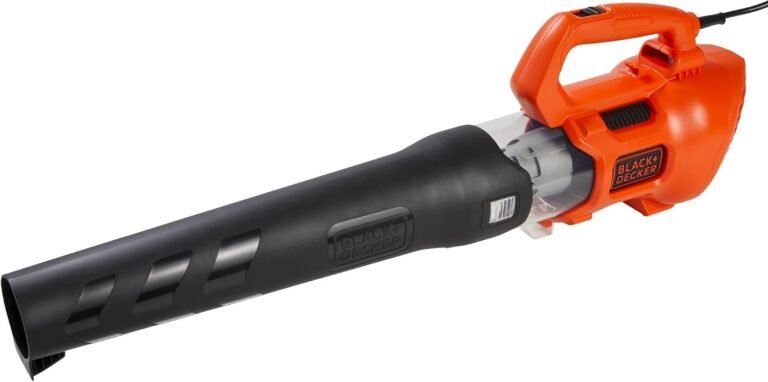
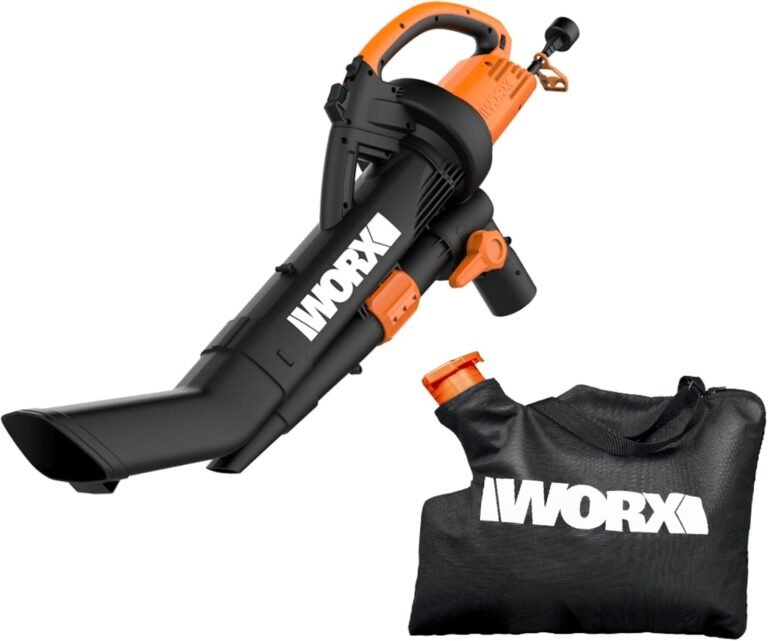
Yes, many leaf blowers can vacuum, but only if they are a specific type called a leaf blower vacuum. These 3-in-1 machines blow air, suck up debris, and shred it into a mulched pile. A standard leaf blower only pushes air out; it cannot suck anything up.
If you are tired of raking leaves into piles, a leaf blower vacuum combo can save you serious time. We found that switching to vacuum mode is usually a simple flick of a switch or a quick attachment change. This feature is popular for clearing grass clippings, pine needles, and light twigs from flower beds and patios.
- Check your machine: Only electric or gas units labeled “blower/vac” can vacuum.
- It mulches too: The vacuum shreds leaves, reducing volume by up to 90%.
- Best for dry leaves: Wet leaves clog the vacuum tube easily.
- Requires a collection bag: You must attach the bag to catch the shredded debris.
- Not for heavy junk: It handles leaves, not rocks, acorns, or large sticks.
Below, we break down exactly how leaf blower vacuums work, how to use them properly, and which yard chores they handle best. We will also share some common mistakes to avoid so you get the most out of your machine.
How Leaf Blower Vacuums Actually Work
Most leaf blowers only blow. That is their one job. They push air out of a nozzle to move leaves across your yard. We found that this confuses many homeowners. You see a leaf blower, and you expect it to handle everything. But the physics of the machine is simple. A fan spins and forces air out. That is it.
A leaf blower vacuum flips that fan around. It reverses the airflow. Instead of pushing air out, it pulls air in. This creates a suction force at the nozzle. You hold the tube over a pile of leaves, and they get sucked up just like a shop vac. Many experts say this design is clever because it uses one motor for two jobs.
The real magic happens inside the machine. As leaves pass through the fan, the blades chop them up. This is called mulching. The shredded leaves then shoot into a collection bag strapped to your shoulder. What comes out is a fine, compost-ready material. It looks like shredded confetti rather than whole leaves.
Key Parts To Look For
Not every blower has vacuum parts. We found that you need to check the box carefully. Look for the words “blower vac” or “3-in-1.” These labels confirm the vacuum feature exists. If the box just says “leaf blower,” you are out of luck.
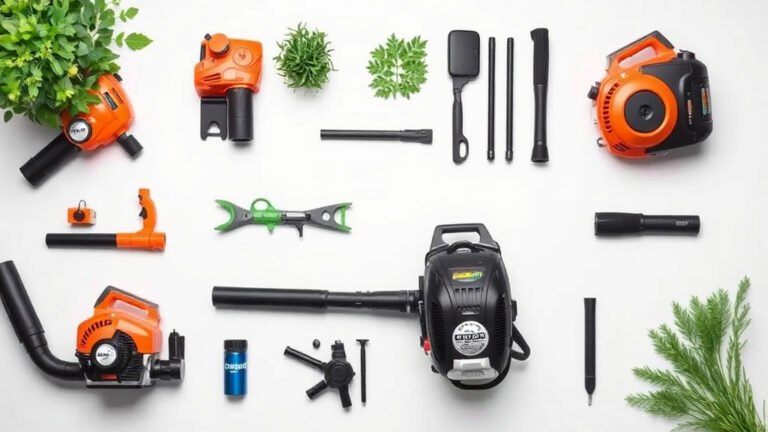
- Collection bag: A large fabric bag that catches the mulched debris. It clips onto the main tube.
- Vacuum tube: A wider, shorter tube that you swap with the blowing nozzle. It is designed to pull air in.
- Mulching blade: A metal impeller inside the fan housing that shreds the leaves. This is the heart of the system.
- Speed control: This adjusts the suction power. Some models even have cruise control for long jobs.
These parts work together to turn a simple blower into a yard cleanup machine. The conversion takes about five minutes. You usually loosen one knob, pull off the blower tube, and snap on the vacuum tube. Then you attach the bag to the exhaust port.
Blowing, Vacuuming, And Mulching: The 3-In-1 Combo
These machines are often called 3-in-1 because they do three distinct jobs. Blowing pushes leaves across the yard. Vacuuming sucks them up. Mulching shreds them into tiny bits. We found that most homeowners use all three features in one session.
Here is how a typical yard cleanup looks. You start in blower mode to corral leaves into a central pile. Then you switch to vacuum mode and suck up that pile. The mulched leaves fill the bag quickly. You dump the bag into your compost bin or yard waste container. Research shows that mulching reduces leaf volume by up to 90%, which means fewer trips to the curb (EPA guidelines).
Garden Care With Attachments
Some models go beyond the basic three jobs. They include a third attachment kit. This kit converts the machine into a simple leaf shredder. You use it to grind leaves into fine dust for flower beds. The fine texture breaks down faster in the soil, releasing nutrients that feed your lawn. Many gardeners swear by this method for natural fertilizer.
Other attachments focus on tight spaces. A crevice tool helps you vacuum leaves from between shrubs. A flat scraper nozzle loosens damp leaves stuck to sidewalks. We found that these extras make a big difference in usability. They turn an awkward chore into a manageable one.
What Leaf Blower Vacuums Handle Best
You cannot just suck up anything you find. We found that these machines work best with light, dry debris. They are powerhouses for autumn leaves, but they struggle with heavy junk. Here is a quick breakdown so you know what to feed your machine.
| Debris Type | Does It Handle It? |
|---|---|
| Dry leaves | Yes, this is the bread and butter. It works perfectly. |
| Pine needles | Yes, but they can wrap around the fan. Go slow. |
| Grass clippings | Yes, it turns them into fine mulch quickly. |
| Small twigs | Yes, if they are under half an inch thick. |
| Acorns or nuts | No, these are too hard for the impeller. They can break it. |
| Rocks or gravel | Never. The spinning blade will throw sparks and damage the housing. |
| Wet leaves | Not well. They clump and clog the entire tube. |
| Plastic bottles | No, the bag will tear, and the blade will dull instantly. |
We found that dry, crinkly leaves are the sweet spot. They snap into pieces easily and fill the bag fast. Fresh or wet leaves behave like heavy cardboard. They jam at the intake port and stop the airflow. If you just cut your grass, wait a few hours for the clippings to dry out before vacuuming.
Areas Where This Shines
The machine is not made for open lawns. It shines in tight, hard-to-rake spots. Flower beds, rock gardens, and under bushes are its natural habitat. You can easily get the nozzle between stems without damaging your plants.
Patios and driveways are another sweet spot. It picks up scattered grass clippings and light litter with ease. And when clearing out a garage or shed, a blower vacuum can suck up spider webs and dust without stirring them into the air.
Setting Up Your Machine For Vacuum Mode
The switch from blowing to vacuuming is straightforward. But it requires a few careful steps. We found that most problems come from rushed setups. Follow this order every time, and you will avoid frustration.
- Unplug or remove the battery. Safety first. Never change attachments while the machine is powered.
- Unscrew the blower tube. Pull it straight off the fan housing. Set it aside.
- Attach the vacuum tube. Align the tabs and push it in until it clicks. Twist it to lock it if your model needs that.
- Clip on the collection bag. Hook it onto the exhaust port on the side of the motor. Make sure the zipper is fully closed.
- Hook the bag strap over your shoulder. This distributes the weight across your back instead of your wrists.
- Power up and test. Hold the tube about one inch above a dry leaf. It should suck up instantly with a satisfying crunch.
One common mistake people make is forgetting to close the bag hatch. If the bag is not sealed, you will just blow leaves out the back. Check every clip and zipper before you start.
Proper Technique To Avoid Clogs
Vacuuming leaves is not like vacuuming your carpet. You cannot just drag the tube along the ground. We found that a light touch makes all the difference. Hold the nozzle slightly above the surface. Let the suction lift the leaves up. Do not press the nozzle flat against the patio.
Move in slow, sweeping motions. If you see a pile of leaves, do not try to swallow it all at once. The tube will clog instantly. Instead, break the pile up with your foot or the side of the nozzle. Feed the machine small mouthfuls. Think of it like eating soup with a straw. It is slow, methodical work.
Clearing A Clog Fast
Clogs happen to everyone. It is not a failure. It is part of the process. When the suction stops, turn the machine off immediately. Do not keep the motor running. You will compress the leaves into a solid plug that takes forever to remove.
Then, disconnect the vacuum tube from the fan housing. Use a stick or a long screwdriver to poke the clog out from the fan side. Push it back out the tube opening. That is the safest way. Reattach the tube and restart. This whole process takes two minutes if you catch it early. For more help, our leaf blower troubleshooting guide covers common fixes.
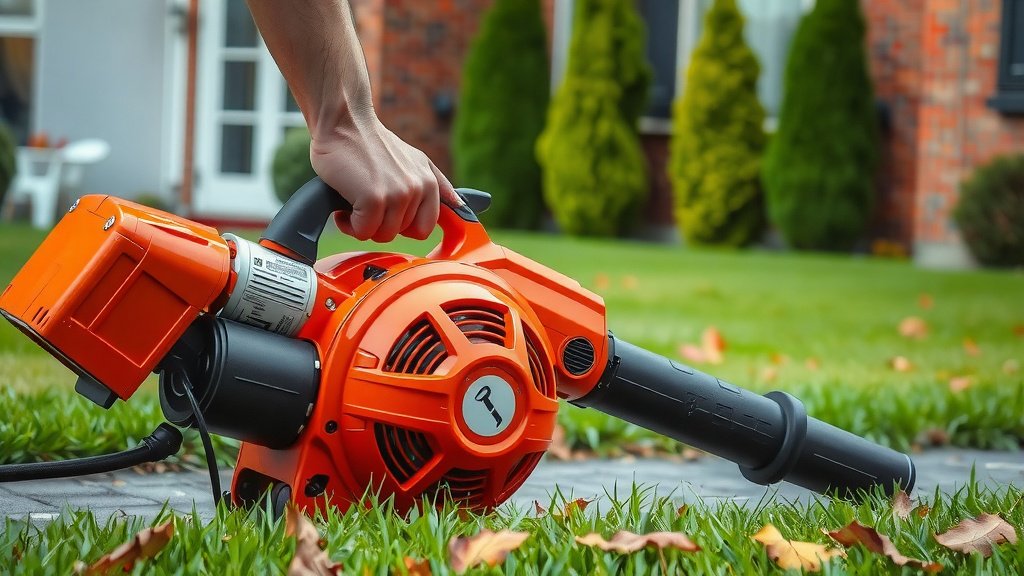
Wet Leaves And Other Common Pitfalls
Wet leaves are the number one enemy of a leaf blower vacuum. They are heavy, sticky, and stubborn. We found that they clog in two places: the intake tube and the fan housing. Once a wet leaf wraps around the impeller, it stops shredding and just spins.
Try to time your yard work for the afternoon. Morning dew keeps things damp. Wait until the sun has dried the grass and leaves out. If you must work on a damp day, use the blower function first to fluff the leaves up. That exposes the drier undersides and makes the vacuum work easier.
Acorns, Twigs, And Hard Objects
Rocks and acorns may bounce around inside the fan housing. This can destroy the impeller. The blades are made of metal or hardened plastic. They are strong for leaves, but small stones will chip them quickly. Replacement impellers cost as much as a new budget machine. We found that a quick sweep of the area before vacuuming saves you a lot of money.
Watch out for sticks with sharp ends too. They can poke through the collection bag and scratch your legs. Clear your workspace of anything bigger than a pencil before you power up.
Bag Maintenance And Disposal
The collection bag needs regular attention. It is a fabric mesh that lets air escape while trapping the leaves. We found that the bag gets clogged with fine dust over time. This dust blocks the mesh, and the suction drops slowly. You might not even notice until the machine sounds strained.
After every few uses, turn the bag inside out. Shake it hard to release the trapped dust. If the bag is really dirty, wash it with a garden hose and let it air dry. Do not put it in the washing machine. The zipper and stitching will not survive the spin cycle.
Emptying the bag is a dirty job. Wear a dust mask and safety glasses. The shredded leaf dust is extremely fine and will get in your eyes and throat. Dump the contents into a compost bin or paper yard waste bags. The mulched leaves break down quickly and make excellent fertilizer. Many city composting programs accept leaf mulch gladly (USDA composting guidelines).
Choosing Between Gas And Electric Models
The power source changes the experience completely. You have three main choices: corded electric, battery powered, and gas. Each one trades off weight, power, and convenience.
Corded electric models are the lightest and cheapest. They have unlimited run time as long as you are near an outlet. The downside is the cord. It tangles around bushes and can get chopped by the vacuum tube. You need a 75-foot extension cord to cover most yards.
Battery models give you freedom from cords. They are quiet and start instantly with a trigger pull. Most batteries last about 20 to 30 minutes in vacuum mode. That is enough for a small yard cleanup. We found that you often need a second battery for bigger jobs.
Gas-Powered Powerhouses
Gas models are the heavy hitters. They produce massive suction and run for hours on a single tank. They are perfect for large properties with many oak or maple trees. The tradeoff is weight. Gas machines weigh 10 to 12 pounds. That gets heavy on your shoulder after an hour.
Gas engines also require regular upkeep. You need to mix fresh fuel, clean the air filter, and handle the loud noise. Most gas blower vacs are 2-stroke engines. They need oil mixed into the gasoline, which means extra measuring. If you want a set-and-forget machine, go electric.
Noise And Safety Considerations
These machines are loud. Gas models can hit 90 decibels or more. That is enough to damage your hearing over time. Wear ear protection always. Many professionals recommend double protection: foam earplugs under earmuffs (CDC hearing loss guidelines). Simple earplugs from the hardware store work fine.
Safety glasses are non-negotiable. The vacuum throws out tiny twigs and dust at high speed. A single piece of gravel can turn into a projectile. You also need sturdy shoes. Sandals leave your toes exposed to the sharp edge of the metal impeller if you drop the machine.
Checklist For A Safe And Smooth Run
ConclusionLeaf blowers can definitely vacuum, but you need the right machine. A standard blower only pushes air. A blower vacuum combo reverses that airflow to suck up and shred leaves. We found that these 3-in-1 tools work best on dry, light debris like autumn leaves and grass clippings.
You will save hours compared to raking. The mulching feature shrinks leaf piles by up to 90%, which means fewer trips to the curb. Just remember to keep the machine dry, feed it small amounts, and clear the area of rocks or acorns first.
Your next step is simple. Check your current blower for the “blower vac” label. If it has one, grab the vacuum tube and bag and try it out this weekend. If it doesn’t, you now know exactly what to look for on your next purchase. A good blower vacuum will pay for itself in saved time within a season.
Frequently Asked Questions
Can I convert my regular leaf blower into a vacuum?
No, you cannot convert a standard leaf blower into a vacuum. The internal fan is designed to push air in one direction only. You need a machine that was built with a reversible airflow system. Check the manufacturer’s label for the words “blower vac” or “3-in-1” to confirm you have the right tool.
Why does my leaf blower vacuum spit leaves out the back?
This usually happens when the collection bag is not sealed properly. Check that the zipper is fully closed and the bag is clipped securely onto the exhaust port. A loose connection lets the mulched debris blow out the back instead of settling in the bag. Turn the machine off and reattach the bag carefully.
How often should I empty the collection bag?
You should empty the bag when it feels about two-thirds full. A full bag is heavy and strains the motor. It also reduces suction power because the airflow gets restricted. We found that stopping to empty the bag every 10 to 15 minutes keeps the machine running at peak performance.
Is it better to rake leaves or use a leaf blower vacuum?
It depends on your yard size. Raking is better for large open lawns with heavy leaf coverage. A blower vacuum wins for tight spaces like flower beds, under shrubs, and along fence lines. The vacuum also mulches leaves into compost-ready material, which raking cannot do. Many homeowners use both tools in one session.
Can I vacuum pine needles with a leaf blower vacuum?
Yes, you can, but you need to go slow. Pine needles are long and flexible. They can wrap around the spinning impeller and cause jams. We found that feeding them in small amounts and checking the fan housing regularly prevents most problems. Dry pine needles work much better than damp ones.