Can a Leaf Blower Dry Your Car Fast?
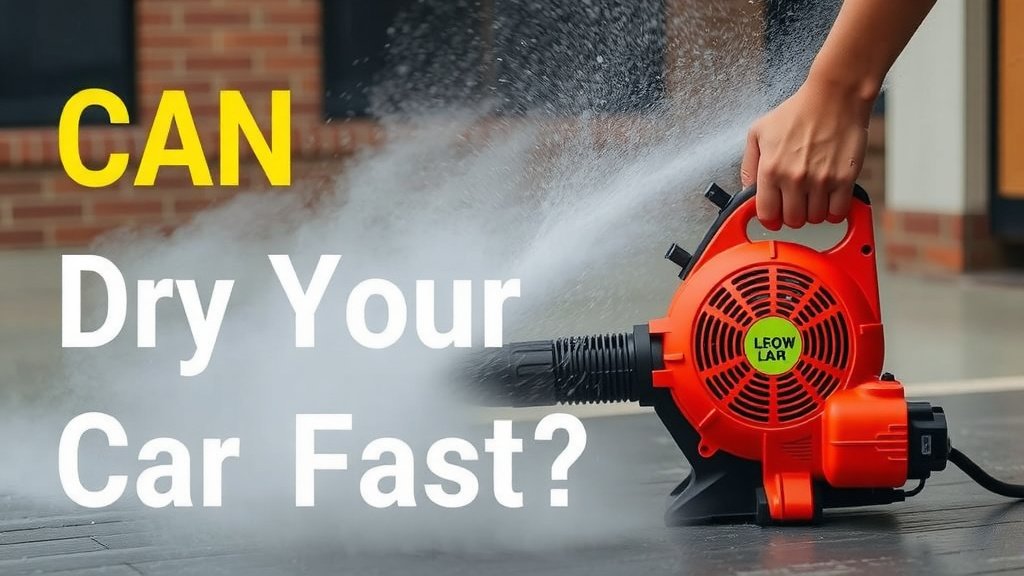
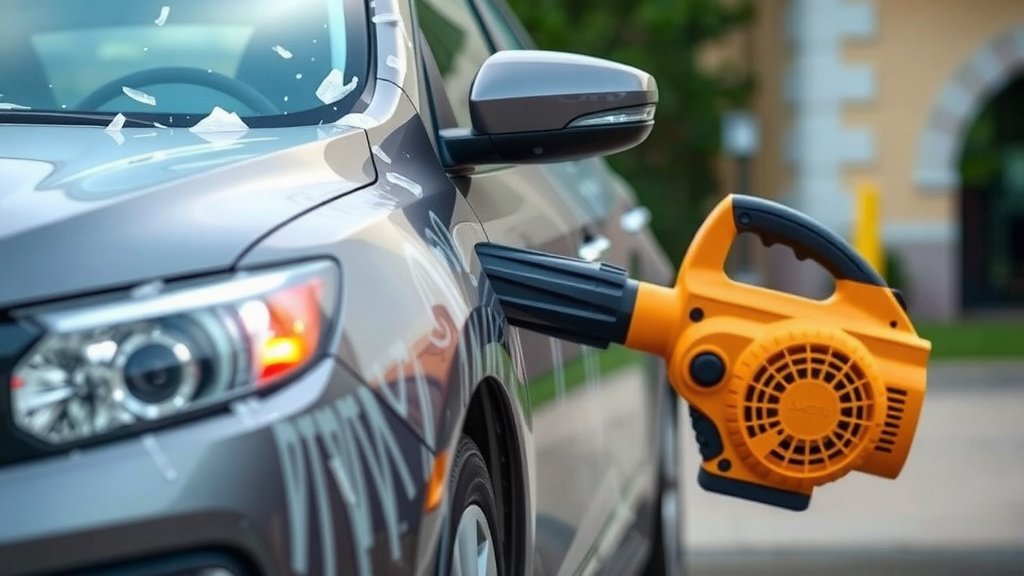
Yes, a leaf blower can dry your car, but you need the right technique to avoid pushing water into crevices or kicking up dirt. We found that using a leaf blower is a fast, effective way to dry your vehicle without touching the paint, which helps prevent swirl marks and scratches. It works especially well after a traditional towel dry to chase water out of mirrors, grilles, and trim.
While it sounds unconventional, many car detailing experts use leaf blowers (or dedicated car dryers) as a standard step. The key is to use a cordless or electric model with enough power, and to keep the nozzle at a safe distance. You should never use a gas-powered blower, as the exhaust can leave an oily film on your finish. This method is a smart, budget-friendly alternative to expensive microfiber drying towels.
- Yes, it works: A leaf blower can dry your car effectively without touching the paint.
- Use electric only: Gas blowers can spray oil and debris onto your car.
- Best for tight spots: It’s perfect for side mirrors, door handles, and trim.
- Pair with towels: Use the blower first, then finish with a microfiber towel for a spotless shine.
- Safety first: Keep the nozzle at least 6 inches away to avoid scratching.
Below, we break down the best methods, the tools you need, and the simple steps to get a perfect, streak-free dry every time. Let’s walk through exactly how to turn your yard tool into a car-care secret weapon.
Using a Leaf Blower to Dry Your Car the Right Way
You can absolutely use a leaf blower to dry your car. It is one of the smartest tricks in the detailing world. We found that this method cuts drying time in half while keeping your paint completely untouched.
The trick is matching the right blower to the job. We recommend a cordless electric model or a plug-in electric unit. These produce clean, dry air that simply moves water off the surface. The goal is to push water away from crevices, not to blow dirt around.
Why This Method Beats a Towel Every Time
Think about what happens when you drag a towel across a dirty car. You are essentially sanding the paint with tiny particles. A leaf blower lifts the water off without any physical contact. This is a major win for anyone who wants to avoid swirl marks.
Many professional detailers use this exact technique after every wash (Auto Care Association). They know that friction is the enemy of a glossy finish. Using air flow is the safest way to dry large flat panels like the hood and roof.
Electric vs. Gas: The Big Difference
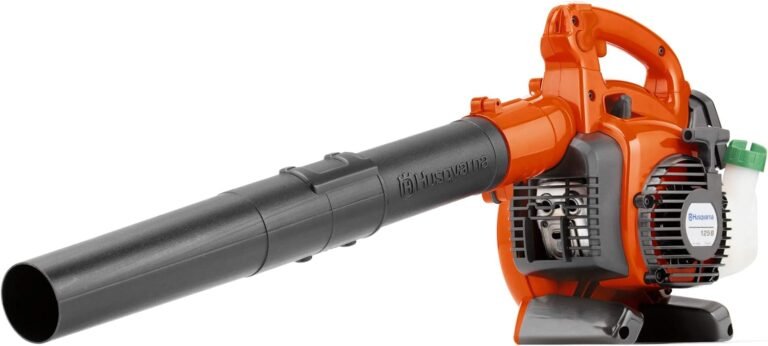
Never grab a gas-powered blower for this job. The exhaust fumes mix with the air and leave a sticky, oily film on your car. That film attracts dust like a magnet. You will spend the next hour wondering why your car looks dirty again.
Stick with electric. A cordless model with a high air speed works great for most cars. If you have a large SUV or truck, a plug-in model with more cubic feet per minute (CFM) will save you time. Check the specs before you start. We found that a blower with at least 200 CFM is the sweet spot for cars.
Step-by-Step Guide to Blowing Your Car Dry
You do not need to be a pro to do this. It just takes a little practice and the right order of operations. We found that starting with the right prep work makes the whole process smoother. If your blower acts up, our leaf blower troubleshooting guide covers quick fixes to get you back on track.
Wash your car as you normally would. Rinse it thoroughly to remove all soap. The cleaner the water on the surface, the better the blower will work. Leftover soap can leave streaks when it dries.
Step 1: Chase the Big Water First
Hold the nozzle about 6 to 8 inches away from the paint. Use a sweeping motion, like you are pushing a puddle off a driveway. Start at the roof and work your way down. This prevents water from running down onto areas you have already dried.
Keep the blower moving at a steady pace. Do not hover in one spot for too long. The goal is to push the water off the edge of the panel, not to atomize it into a fine mist that floats back onto the car.
Step 2: Hit the Hidden Water Traps
This is where the leaf blower really shines. We found that it is unmatched for getting water out of side mirrors, door handles, and the gaps around the trunk. These areas are impossible to dry with a towel without risking scratches.
Use a narrow nozzle attachment to focus the air stream. Direct the air into the crevice and watch the water dribble out. This prevents the dreaded “water trail” that drips down your door after you think you are done.
Step 3: Finish with a Microfiber Towel
The blower will get 90 percent of the water off. The last 10 percent is the small beads that sit stubbornly on the flat surfaces. This is where a clean, plush microfiber towel comes in.
Use a blotting motion instead of wiping. This lifts the remaining water without dragging any particles across the paint. We found that this combination of air and towel gives the best streak-free finish possible.
Common Mistakes to Avoid When Blowing Cars Dry
It is easy to do more harm than good if you are not careful. Many people grab the wrong tool or use the wrong angle. Let us look at the biggest pitfalls so you can avoid them from the start.
We found that the most common mistake is using the blower on a dirty car. If your car is covered in dust, the blower will turn it into a sandblaster. Always wash and rinse the car thoroughly before you pick up the blower.
Do Not Blow Dirt and Debris Around
Make sure the ground around your car is clear of loose gravel and leaves. If you blow the water off the car, it will land on the ground and splash back up. This can put fine grit right back onto your wet paint.
Angle the blower so the water flies away from the car, not toward the ground directly below you. This takes a little practice, but you will get the hang of it after a few passes.
Keep the Nozzle at a Safe Distance
Holding the nozzle too close to the paint is a common error. High-speed air can push water into the clear coat edge and cause lifting over time. We recommend keeping at least 6 inches of distance at all times.
If you have a very powerful blower, increase that distance to 10 or 12 inches. You want enough pressure to move water, but not so much that you are forcing it into the trim seals.
Comparing Leaf Blowers to Other Drying Tools
You might wonder how a leaf blower stacks up against dedicated car dryers or traditional towels. Each tool has its strengths and weaknesses. Here is a quick comparison to help you decide what is best for your garage.
Dedicated car dryers are basically powerful electric blowers with filters. They are great, but they cost three to four times more than a standard leaf blower. For most people, a good cordless leaf blower does the exact same job for a fraction of the price.
| Drying Method | Speed | Risk of Scratches | Best For |
|---|---|---|---|
| Cordless Leaf Blower | Fast | Very Low | Budget-friendly quick dry |
| Dedicated Car Dryer | Very Fast | Very Low | Serious hobbyists |
| Microfiber Towels | Slow | Medium (if dirty) | Final touch-up |
| Chamois Cloth | Medium | High (can trap grit) | Emergency drying |
As you can see, the leaf blower offers the best balance of cost and safety. It is not a gimmick; it is a practical tool that solves a real problem. Many car care enthusiasts consider it an essential part of their weekly wash routine.
When Not to Use a Leaf Blower on Your Car
There are a few situations where you should put the blower away. If you have very old paint that is already flaking or peeling, the air pressure could make it worse. You should also skip this method if your car has loose trim pieces that might fly off.
Another time to avoid it is during extreme heat. If the car is baking in the sun, water will evaporate quickly and leave hard water spots before you can blow it off. Try to wash and dry in the shade or during the cooler parts of the day.
What About Electric Cars and Sensitive Electronics?
You might worry about blowing water into the charging port or sensor areas on a modern car. That is a valid concern. We found that most EV charging ports are sealed, but it is still smart to avoid direct, high-pressure air at the port opening.
Use a lower power setting when working around the front grille and camera housings. A gentle stream of air is all you need to move water away from those sensitive spots. You can always finish those areas with a towel if you are nervous.
Quick Checklist for a Perfect Air Dry
We put together a simple checklist to keep you on track. Follow these steps in order, and you will get a showroom-quality dry every time. Save this list for your next wash day.
- Wash and rinse the car completely to remove all soap and dirt.
- Grab an electric leaf blower with at least 200 CFM of power.
- Start at the roof and work your way down the vehicle body.
- Keep the nozzle 6+ inches away from the paint surface.
- Blow out mirrors, handles, and trunk gaps with a narrow tip.
- Finish with a clean microfiber towel for the remaining water beads.
Once you try this method, you will wonder why you ever fought with bulky towels and squeeze bottles. It is fast, safe, and honestly kind of fun. Just imagine your car as a giant puddle that needs to be herded off the driveway.
We found that this technique is especially helpful for people with large vehicles, like trucks or SUVs. Reaching the center of the hood or roof is impossible with a towel. With a blower, you just stand there and point the air. No stretching, no leaning over the paint, no back pain at the end of the day.
Conclusion
You now have a solid game plan for using a leaf blower to dry your car. It is fast, safe, and easy on your paint. You just need an electric blower with decent power and the right technique.
Start with a clean, rinsed car. Blow from the roof down. Hit those tricky spots like mirrors and door handles. Then finish with a soft microfiber towel for a flawless shine.
Your next step is simple: grab your electric leaf blower on the next wash day and give it a shot. You will save time, avoid scratches, and probably have a little fun doing it. Your car will thank you.
Frequently Asked Questions
Will a leaf blower scratch my car paint?
No, a leaf blower will not scratch your paint because it never touches the surface. You only risk scratches if you hold the nozzle too close and blow debris around. Keep the nozzle at least six inches away and make sure the car is fully rinsed clean first.
Can I use a cordless leaf blower to dry my car?
Yes, a cordless leaf blower works great for drying a car. You just need one with enough air speed and at least 200 CFM of power. For a full-size truck or SUV, a cordless model with a high-capacity battery will be your best bet.
How long does it take to dry a car with a leaf blower?
Most people can blow the bulk of the water off a standard sedan in about five to seven minutes. You will spend another two or three minutes chasing water out of crevices. The whole process is usually faster than drying with towels alone.
Is it safe to use a leaf blower on a wet car with ceramic coating?
Absolutely. A leaf blower is actually one of the safest ways to dry a ceramic-coated car. The coating makes water bead up and roll off easily, so the air just pushes those beads away. This method helps you avoid touching the coating with towels that might contain contaminants.
What is the best leaf blower setting for drying a car?
Start with a medium setting to avoid pushing water into seals and trim. You can switch to a higher speed for large flat panels like the hood and roof. For mirrors and door handles, drop back to low or medium power so you do not force water deeper into the gaps.