Cordless Leaf Blower Buying Guide for 2026
Buying a cordless leaf blower comes down to three key specs: battery voltage, airspeed (mph), and air volume (CFM). You don’t need the most expensive model to get the job done. You need the right balance for your yard size.
Most homeowners don’t need a gas-powered monster. We found that a 40V or 60V cordless model handles most average-sized lawns perfectly. These tools are quiet, start instantly, and require almost zero maintenance. That’s why they’ve become the go-to choice for people who want to clear leaves and grass clippings without the hassle of cords or fuel.
TL;DR — Here’s what matters most when you shop:
- Battery voltage: 20V for tiny patios, 40V-60V for standard yards, 80V+ for large properties.
- CFM (air volume): Aim for 400+ CFM to move wet, heavy leaves.
- MPH (air speed): 100+ mph is great for blowing debris out of tight spaces.
- Battery life: Expect 15-30 minutes per charge; buy a second battery if your yard is large.
- Weight: Look for models under 8 pounds to avoid arm fatigue.
We’ve done the research and broken down everything you need to know to pick the right blower for your specific yard. Let’s walk through the key specs, battery tech, and our top picks so you can buy with total confidence.
Choosing the Right Cordless Leaf Blower for Your Yard
Let’s cut through the noise. The best cordless leaf blower for you depends on your specific property, not the price tag. You don’t need a commercial-grade machine for a suburban lot. You need a tool that matches your workload.
Start by mapping out your yard. Walk the perimeter. Note the trees, the driveway, and the flower beds. This simple step tells you exactly which specs matter most. A small patio needs a different tool than a half-acre wooded lot.
Match the Power to Your Property Size
We found that yard size is the single best predictor of the right blower. Small spaces need less power. Large spaces need more battery capacity and airflow. It sounds simple because it is.
Think about your blower like a broom. A tiny whisk broom works for a countertop. You wouldn’t use it to sweep a warehouse. The same logic applies here.
- Patio or small balcony (under 1/4 acre): A 20V model is plenty. It handles light dust and a few scattered leaves.
- Standard suburban yard (1/4 to 1/2 acre): A 40V or 60V model hits the sweet spot. It clears grass clippings and moderate leaf piles with ease.
- Large property (over 1/2 acre): An 80V model or a dual-battery setup is your best bet. You need sustained power for longer sessions. For very large properties, our guide to the best backpack leaf blowers covers high-power options.
Why Voltage Matters More Than You Think
Voltage is the engine of your blower. Higher voltage usually means more motor power. That translates to higher speeds and stronger airflow. But it also adds weight and cost.
Many experts say that 40V is the sweet spot for most homeowners. It balances power and portability. You get enough force to move wet leaves without feeling like you’re carrying a dumbbell.
Understanding CFM and MPH: The Dynamic Duo
Here’s where most people get confused. You’ll see two numbers on every box: CFM and MPH. They are not the same thing. Both matter. Neither tells the whole story on its own.
Think of CFM as the width of a river and MPH as the speed of the current. You need both volume and speed to move debris effectively. A narrow, fast jet of air is useless for piles of leaves. A wide, slow breeze won’t break up wet clumps.
CFM: Your Leaf-Moving Workhorse
CFM stands for cubic feet per minute. It measures the volume of air the blower pushes out. Higher CFM means you can move bigger piles and heavier material. It’s the number that matters most for clearing large areas.
We found that you should aim for 400+ CFM for standard yard work. This handles damp leaves, pine needles, and grass clippings. Below 300 CFM and you’ll be chasing debris around the yard. It’s frustrating and wastes battery life.
MPH: The Debris Dislodger
MPH, or miles per hour, measures the speed of the air leaving the nozzle. High MPH helps you blast debris out of cracks, flower beds, and under decks. It’s a precision tool for tight spots.
For most yards, 100+ mph gets the job done. It breaks up compacted leaves and pushes dirt out of crevices. Some models hit 150+ mph, but that’s often overkill. You don’t need hurricane-force winds to clean gutters.
Finding the Right Balance
Here’s the trick: you want a balance of both numbers. A blower with 500 CFM but only 90 mph is great for open lawns. A blower with 120 mph but only 300 CFM excels at detail work. Find a model that scores well on both.
Check the product specs before buying. Many brands advertise their best numbers, but the average output is what you’ll feel. Look for a unit that lists around 450 CFM and 110 mph. That combo handles 90% of home tasks.
Battery Life and Charging: The Real-World Test
Battery life is the biggest complaint we hear from cordless blower owners. It’s a valid concern. The spec sheets often promise 30 minutes of runtime, but that’s under ideal conditions. Real-world use is different.
You’ll get the advertised runtime only at the lowest speed setting. Run the blower at full power and you might cut that time in half. It’s like driving a car at top speed versus cruising on the highway. Same gas tank, wildly different mileage.
How Long Does a Full Charge Really Last?
On average, a standard 2.5Ah battery lasts 15–20 minutes at full power. A larger 5Ah battery pushes that to 30–40 minutes. That’s enough for most average-sized lawns if you work efficiently.
Don’t leave the blower running while you move around. Turn it off between tasks. This simple habit doubles your effective runtime. You’ll finish the job without a mid-task battery swap.
Why You Should Buy a Second Battery
We recommend buying a kit that includes two batteries. It’s a small upfront cost that saves you from frustrating downtime. When one battery dies, you swap it and keep working. The dead one charges while you finish the yard.
Many brands sell bare tools without batteries. This is a budget trap. Buying the tool, charger, and battery separately usually costs more. Always check the package contents before committing.
Weight and Ergonomics: Your Arms Will Thank You
Nobody talks about weight, but everyone feels it after 15 minutes. A heavy blower turns a quick chore into a workout. Your shoulders, arms, and back all take a beating.
We found that anything over 8 pounds is too heavy for most people. The extra power isn’t worth the discomfort. Look for a lighter model and you’re less likely to rush the job or quit halfway.
Design Features That Reduce Fatigue
Comfort is about more than weight. The handle, the balance, and the trigger all matter. A well-designed blower feels lighter than it is because the weight is distributed evenly.
Look for these features when shopping:
- Padded grips that absorb vibration
- A curved nozzle or adjustable tube for easier reach
- A variable-speed trigger so you can dial down power when needed
- A cruise control lock to avoid holding the trigger all day
Trigger Lock vs. Manual Control
Some models have a lock-on button. Others require you to hold the trigger the whole time. Experts say a lock-on feature saves your finger from cramping. We agree. It’s a small detail that makes a big difference.
That said, some people prefer manual control. It’s safer if you’re constantly pausing to pick up debris. A variable-speed trigger works for those who like to feather the throttle. Either way, test the grip in the store if you can.
Noise Levels: Being a Good Neighbor
Gas blowers are loud. Really loud. Many neighborhoods have noise ordinances that restrict them. Cordless models are a welcome change. They run at a fraction of the decibel level.
Most cordless blowers register between 60 and 70 decibels. That’s roughly the noise level of a normal conversation. You can use them early in the morning without waking the whole street. It’s a courteous choice and a practical one.
Why Quiet Matters for Your Ears
Prolonged exposure to noise above 85 decibels can cause permanent hearing damage. Gas blowers often exceed that threshold. Cordless blowers don’t. Your ears are safer with battery-powered tools.
We still recommend ear protection for extended sessions. It’s a cheap habit that protects your hearing for decades. A simple pair of foam earplugs costs pennies. Your future self will appreciate the foresight.

Battery Platform: One Battery to Rule Them All
Here’s a smart tip before you buy. If you already own a cordless drill or string trimmer, check the brand. Stick with the same battery platform. This saves you money and storage space.
Most major brands like DeWalt, Milwaukee, Ryobi, and EGO share batteries across their tool lines. You buy one battery system and use it for everything. It spreads the cost across multiple tools and reduces charger clutter.
Loyalty Pays Off
Committing to an ecosystem means you never have to buy a new charger. As your tool collection grows, your batteries stay compatible. It’s a smart long-term investment for your garage or shed.
On the flip side, this means you’re locked into one brand. That’s not a bad thing. It just means you should research the brand’s reputation before picking up your first tool. A trusted brand with good replacement part availability is the way to go.
What About Third-Party Batteries?
You can often find cheaper generic batteries on retail sites. We advise caution. These batteries lack the safety protections of official ones. They can overheat or fail prematurely.
Stick with the manufacturer’s batteries. They cost more, but they’re tested for safety and performance. Your blower is only as good as its power source, so don’t cheap out on the one thing that makes it run.
Putting It All Together: Your Pre-Purchase Checklist
You’ve got the specs down. Now let’s turn that knowledge into action. Before you add anything to your cart, run through this checklist. It takes two minutes and prevents buyer’s remorse.
- Check your yard size and match it to a voltage range (20V, 40V, or 60V+).
- Look for at least 400 CFM to handle wet leaves and heavy debris.
- Find a model with 100+ mph for clearing tight spots and crevices.
- Confirm the battery capacity and decide if you need a spare battery for your lot size.
- Weigh the unit and keep it under 8 pounds if possible.
- Verify the decibel rating if you live in a noise-sensitive area.
The Cost Question: What Should You Budget?
Price tags vary wildly across the category. Budget-friendly 20V models start around 50 dollars. High-end 80V kits can run north of 300 dollars. We found that the $150 to $250 range offers the best value for most homeowners.
That price gets you a 40V or 60V blower, a solid battery, and a charger. It’s the performance sweet spot without the professional markup. Anything more expensive adds marginal gains you probably won’t notice.
Sales and Bundles: Where to Save Money
Seasonal sales are your friend. Look for spring and fall promotions when retailers clear out lawn tools. You can often snag a blower with a bonus battery or a string trimmer for the same price.
Buying a kit with multiple tools is another money saver. Many homeowners need a blower, trimmer, and hedge cutter anyway. A combo kit costs less than buying each tool separately. It’s a win for your wallet and your yard.
Maintenance: Keep It Running for Years
One of the best things about cordless blowers is the low maintenance. No fuel mixes, no spark plugs, no carburetor cleaning. You just charge the battery and pull the trigger. That simplicity is a huge selling point.
You don’t need much to keep it running well. Wipe down the exterior after use. Check the air intake vents for dust and debris. A clean blower runs cooler and lasts longer, according to several manufacturer guidelines. If your blower ever acts up, our leaf blower troubleshooting guide covers quick fixes.
Battery Care Tips for Longevity
How you store your battery matters more than how you use it. Extreme temperatures shorten battery life. Keep them inside during winter and out of direct sunlight in summer. A climate-controlled garage is perfect.
Conclusion
Buying a cordless leaf blower doesn’t have to be complicated. You now know the exact specs that matter: voltage for power, CFM for volume, and MPH for speed. Match those numbers to your yard size, and you’ll avoid wasting money on overkill or frustration from underpowered tools.
Keep your choice under 8 pounds, check the battery platform, and grab a second battery if your property is larger than average. A solid 40V or 60V model with around 450 CFM and 110 MPH will handle nearly every home task you throw at it.
Start your search with a realistic budget between $150 and $250. That range delivers the best performance per dollar. Pick a model that fits your yard, and you’ll be clearing leaves in minutes without the hassle of cords or gas. You’ve got this.
Frequently Asked Questions
Can a cordless leaf blower handle wet leaves?
Yes, but you need enough power. Look for a model with at least 400 CFM to move wet, heavy leaves effectively. A high MPH also helps break up clumps. If your yard gets soaked often, skip the 20V models and go straight to a 40V or 60V unit.
How long does it take to charge a leaf blower battery?
Most standard chargers take 45 to 90 minutes for a full charge. Some fast chargers can top up a battery in as little as 30 minutes. Check the charger specs before buying. If you only have one battery, plan your chores around the charge time.
Is it worth buying an expensive leaf blower?
Only if you have a large property or need professional-grade power. For most homeowners, a mid-range 40V or 60V model is more than enough. You’ll save money and still get reliable performance. Expensive models add marginal gains you won’t notice on an average lawn.
Can I use a leaf blower to clean gutters?
Absolutely, with the right attachment. Many brands sell gutter cleaning kits that extend your reach. You don’t need a special blower, just the accessory. Use a lower speed setting to avoid blowing debris onto your roof or into your face.
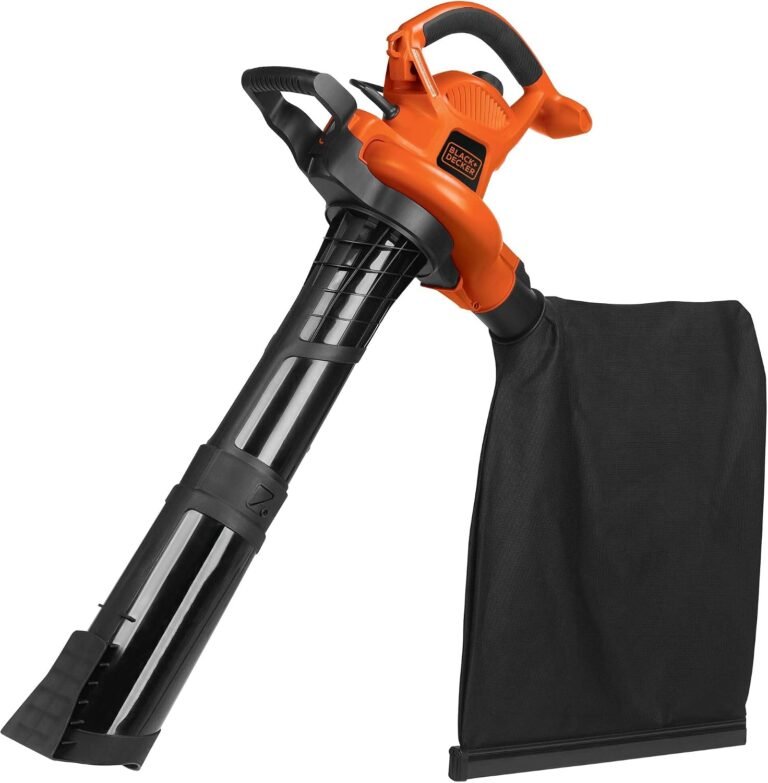
What is the difference between a leaf blower and a leaf vacuum?
A leaf blower pushes air to move debris. A leaf vacuum sucks leaves into a bag and mulches them. Some cordless models offer both functions in one tool. If you have heavy leaf buildup, a 2-in-1 blower and vacuum saves you raking time and reduces waste volume.