How to Choose the Right Leaf Blower Power for You
You need a leaf blower with at least 400 CFM of air volume and 150 MPH of air speed for most residential yard work. That combination handles leaves, grass clippings, and light debris on driveways and patios. For large properties with heavy oak or maple trees, step up to 600 CFM or more to save yourself hours of work.
Matching the blower’s power to your yard size and debris type is the secret to buying the right tool the first time. We found that many homeowners buy too much machine for a small yard or too little for a big one. The good news? You don’t need to overspend to get the job done fast. Battery-powered models now compete with gas blowers, and corded electric blowers still offer serious value on a budget.
- Small yards under 1/4 acre: 350-400 CFM is plenty
- Medium yards up to 1/2 acre: aim for 450-500 CFM
- Large yards over 1/2 acre: 600+ CFM saves you major time
- Wet, heavy leaves need more power than dry ones
- Battery blowers are lighter but check runtime before buying
Below, we walk you through exactly how to match your yard to the right power level, plus the specs that actually matter on the box. Let’s find your perfect blower so you can get back to enjoying your weekend.
Matching Blower Power to Your Yard Size
Your yard size is the single biggest factor in choosing the right blower. We found that most people either overspend on a monster machine or struggle with a weak one. Both mistakes cost you time and money.
Think of it like picking a car. A compact sedan handles city streets fine. A pickup truck is overkill for that commute. The same logic applies to leaf blowers. Match the tool to the job.
Small Yards Under a Quarter Acre
If you have a small lot, you do not need heavy equipment. A handheld blower with 350 to 400 CFM will handle everything you face. This power level clears grass clippings from driveways and moves dry leaves off patios with ease.
You might think more power means faster work. That is not always true. On a small property, a powerful blower just blows debris into your neighbor’s yard or kicks up dust clouds. Keep it simple and light.
Medium Yards Between a Quarter and Half Acre
Medium yards usually have a few trees and some garden beds. We found that 450 to 500 CFM is the sweet spot here. This range gives you enough muscle to move moderate leaf piles without wearing out your arm.
Battery blowers in this range are popular. They offer plenty of power and run for 30 to 45 minutes on a full charge. That is usually enough time to finish the job.
Large Yards Over Half an Acre
Big properties demand serious airflow. You want 600 CFM or more if you have large trees or lots of ground to cover. This is where backpack blowers and high-end battery models come into play.
We found that homeowners with big yards save hours each season by choosing a high-CFM blower. The extra power moves heavy wet leaves and cuts cleanup time in half. It is worth the investment.
Understanding the Numbers That Matter
Every leaf blower box shows two numbers: CFM and MPH. Most people focus on the bigger number and call it done. But both specs matter for different reasons. Let’s break them down.
CFM Measures Volume of Air
CFM stands for cubic feet per minute. It measures how much air the blower moves. Higher CFM means more leaves moved at once. This is the number you should care about most for clearing large piles.
Imagine using a wide broom to sweep a floor. A high-CFM blower is like a wide broom. It covers more ground with each pass.
MPH Measures Air Speed
MPH stands for miles per hour. It measures how fast the air travels. Higher MPH helps dislodge stuck debris like wet leaves or dirt in cracks.
Think of MPH as the force behind the push. It helps you blast through stubborn piles and blow debris out of flower beds. You need both speed and volume for best results.
The Balance Between CFM and MPH
The ideal setup combines decent CFM with decent MPH. You do not want one without the other. High CFM with low MPH moves piles but struggles with wet leaves. High MPH with low CFM blows debris around but takes forever on big piles.
We found that a balance of around 400 CFM and 150 MPH works well for most homes. Adjust from there based on your specific needs.
Choosing Between Gas, Battery, and Corded Blowers
Power source matters as much as raw specs. Each type has strengths and trade-offs. Your choice depends on your yard size, budget, and comfort with maintenance.
Battery Blowers for Most Homeowners
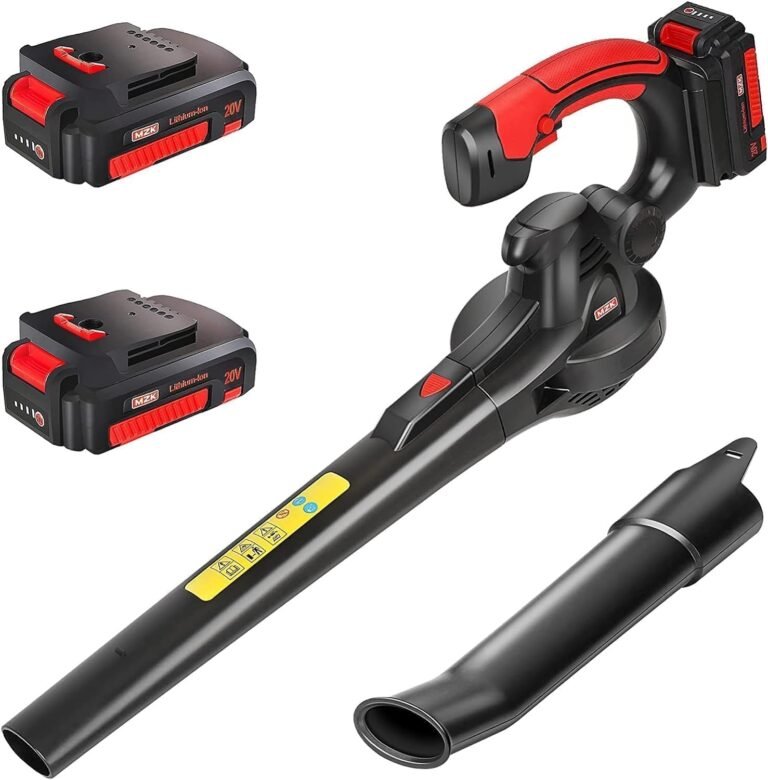
Battery-powered blowers have improved rapidly in recent years. Many now match gas blowers in power while weighing less and running quieter. They start instantly and need zero maintenance.
The trade-off is runtime. Most models run 20 to 45 minutes per charge. That is plenty for small and medium yards but not enough for large properties unless you buy extra batteries.
Charging time is another factor. A full charge takes 30 to 60 minutes depending on the model. Plan ahead if you have a big cleanup day scheduled.
Gas Blowers for Maximum Power
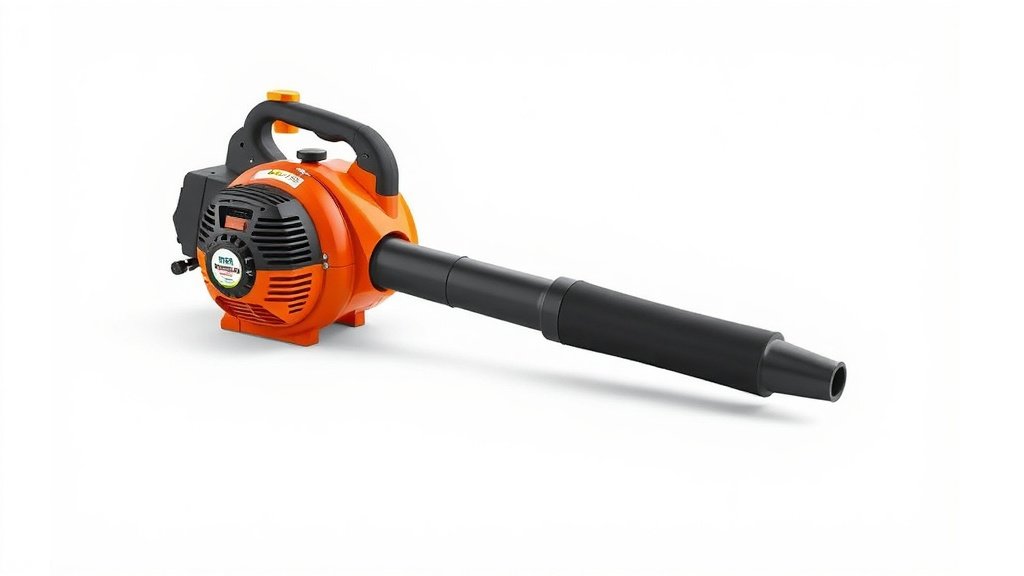
Gas blowers still win on raw power and runtime. They run as long as you have fuel and push more air than most battery models. Backpack gas blowers are the workhorses of the industry.
The downsides are real though. They are heavier, louder, and require regular maintenance like oil changes and fuel stabilizer. Many cities now restrict gas blower use due to noise and emissions.
Corded Electric Blowers for Budget Buyers
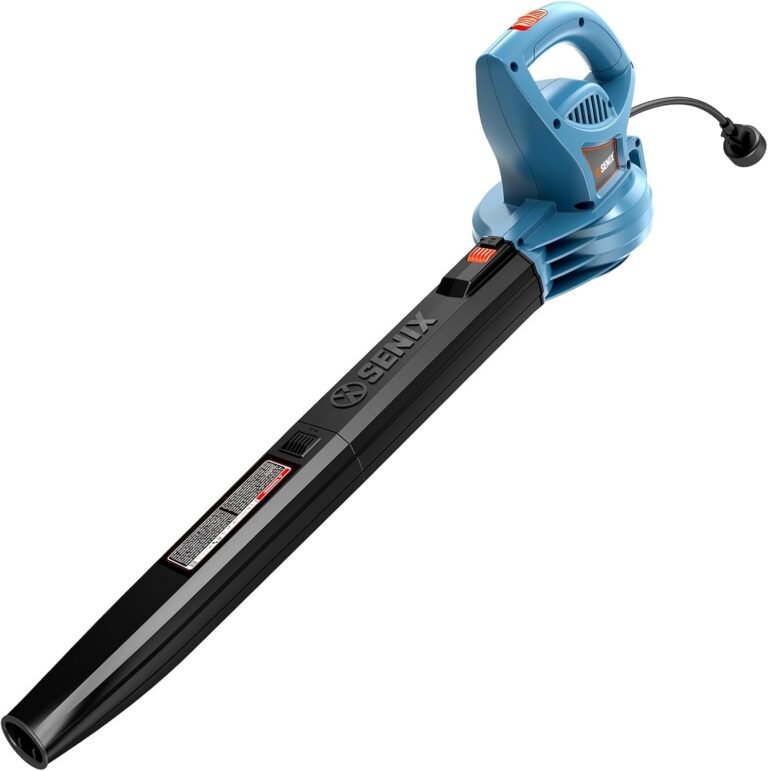
Corded blowers offer surprising value. They cost less than battery models and deliver consistent power without charging anxiety. They are great for small yards near an outlet.
The obvious limitation is the cord. You will wrestle with extension cords around trees and flower beds. It gets annoying fast on larger properties.
How Debris Type Affects Your Power Needs
Not all leaves are created equal. The type of debris in your yard changes how much power you need. Dry oak leaves are easy work. Wet maple leaves are a whole different story.
Dry Leaves and Grass Clippings
Dry leaves are light and move easily with moderate airflow. A blower in the 350 to 450 CFM range handles them without strain. Grass clippings on pavement also clear quickly at this power level.
If your yard only sees dry debris, you can buy a smaller blower and save money. No need for a heavy machine.
Wet Leaves and Heavy Debris
Wet leaves stick together and cling to the ground. They require significantly more power to move. You need 500 CFM or more to handle wet conditions effectively.
Pine cones, acorns, and small twigs also demand more power. These items are heavier than leaves and need higher MPH to dislodge them.
Hard Surfaces vs. Lawns
Blowing debris off pavement is easier than blowing it off grass. Hard surfaces allow air to push debris along smoothly. Grass traps debris and requires more airflow to lift it out.
We found that homeowners who primarily blow driveways and patios can use less power. Those who clear lawns need higher CFM to lift leaves from the turf.
Why Weight and Ergonomics Matter
Power means nothing if you cannot hold the blower comfortably. Many people buy a strong machine only to find it too heavy after 10 minutes. Weight directly affects how long you can work.
Handheld blowers weigh between 5 and 10 pounds. Backpack models distribute weight across your shoulders and back. That design allows you to work longer without fatigue.
Handheld Blowers for Quick Jobs
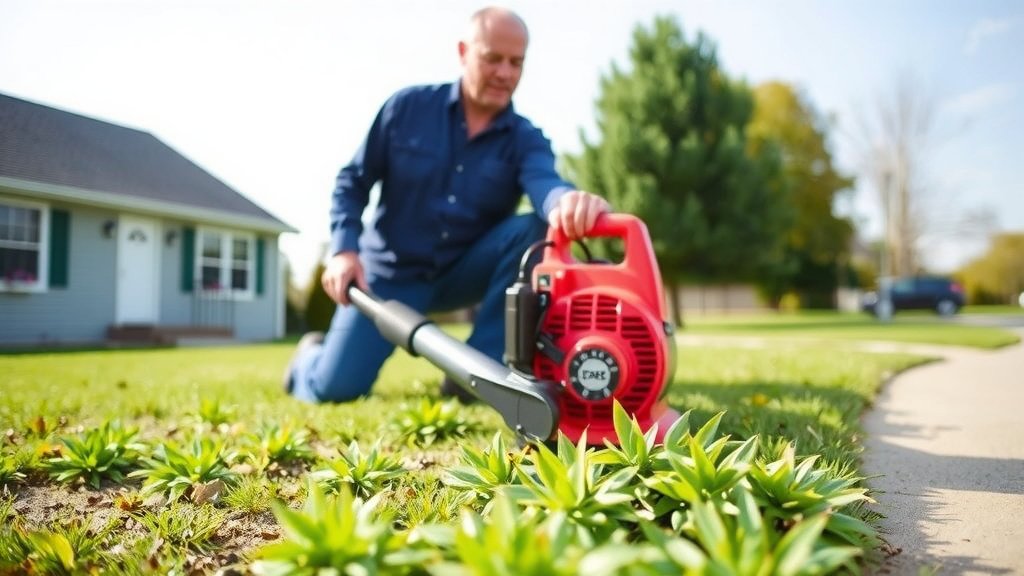
Handheld blowers are convenient for small yards and quick cleanups. They are easy to grab from the garage and start immediately. Look for models under 7 pounds if you plan to use it regularly.
Vibration is another consideration. Some models vibrate more than others, which can tire your hands. Test the blower in the store if possible.
Backpack Blowers for Extended Use
Backpack blowers shine on large properties. The weight rests on your hips and shoulders, not your arms. You can work for hours without the fatigue of a handheld unit.
They cost more and take longer to set up. But for big yards, the comfort is worth every penny. Many professional landscapers prefer backpack models for this reason.
Noise Levels and Neighborhood Considerations
Leaf blowers are loud. Gas models can reach 100 decibels or more. That is loud enough to damage hearing with prolonged exposure. Battery and corded models are much quieter.
Many communities now have noise ordinances that restrict gas blower use. Check your local rules before purchasing. You might be limited to certain hours or banned from gas models entirely.
Protecting Your Hearing
Experts recommend hearing protection when using any gas blower. Even battery models can exceed safe levels for extended use. Simple foam earplugs or earmuffs provide basic protection.
Many guidelines point to consistent hearing protection as essential for yard work (CDC). Protect your ears now so you do not regret it later.
Battery Runtime and Charging Realities
Battery blowers free you from cords and gas cans. But they introduce a new problem: runtime. Knowing how long you need to work helps you choose the right battery size.
Most residential blower batteries range from 2.5 to 5 amp-hours. Higher amp-hour ratings deliver longer runtime but add weight. You trade comfort for endurance.
Estimating Your Runtime Needs
Consider how long a typical cleanup takes you. If you finish in 20 minutes, a smaller battery works fine. If you spend an hour or more, look for a model with larger capacity or buy a spare battery.
We found that many homeowners buy one extra battery with their blower. This allows continuous work while one battery charges. It is the best way to avoid downtime.
Quick Checklist Before You Buy
Use this list when comparing leaf blowers at the store or online. It covers the essentials without overthinking the specs.
- Match CFM to your yard size — 400 for small, 500 for medium, 600+ for large
- Balance CFM and MPH — do not chase one number over the other
- Choose the right power source — battery for most homes, gas for big properties
- Check the weight — under 7 pounds for handheld units
- Consider battery runtime — buy a spare battery if you have a bigger yard
- Check your local noise rules — before spending money on a gas model
Comparing Popular Blower Categories
Here is a quick comparison of the main blower types to help you decide. We found this table useful for seeing the trade-offs at a glance.
| Blower Type | Power Range | Best For | Trade-offs |
|---|---|---|---|
| Corded Electric | 250-400 CFM | Small yards near outlets | Cheap, consistent power, but limited by cord |
| Battery Handheld | 350-600 CFM | Small to medium yards | Quiet, light, but limited runtime |
| Battery Backpack | 500-700 CFM | Medium to large yards | Comfortable, powerful, but pricey |
| Gas Handheld | 400-600 CFM | Medium yards | Max power, but loud and high maintenance |
| Gas Backpack | 600-900 CFM | Large yards and pros | Serious power, heavy, and noisy |
Rent or Borrow Before You Commit
Not sure which power level works for you? Try before you buy. Many equipment rental shops carry leaf blowers. Renting for a weekend costs little and gives you real-world experience.
Ask a neighbor if you can test their blower. Most people are happy to share their opinion on what works. You will learn more from 15 minutes of use than from reading specs all day.
We found that homeowners who test blowers before purchasing rarely regret their choice. You feel the weight, hear the noise, and see the power firsthand. That experience is priceless when making a purchase decision.
Conclusion
Choosing the right leaf blower comes down to matching power to your property. You now know that CFM moves volume and MPH handles stuck debris. Small yards need around 400 CFM, while larger properties benefit from 600 CFM or more.
We found that most homeowners pick the right machine when they think about yard size first. Battery models work great for most homes today. Gas still wins for huge properties, and corded blowers offer solid value on a budget.
Your next step is simple. Measure your yard, note your heaviest debris, and check your local noise rules. Then pick a blower that fits your real needs — not the biggest one on the shelf.
Frequently Asked Questions
Is 400 CFM enough for a leaf blower?
Yes, 400 CFM handles most residential yards up to a quarter acre. It moves dry leaves, grass clippings, and light debris effectively. You only need more power for wet leaves or larger properties.
What CFM do I need to blow wet leaves?
Wet leaves require at least 500 CFM to move effectively. They stick together and cling to the ground, so you need serious airflow. A blower with 600 CFM makes wet cleanup much faster and easier.
Is higher CFM or higher MPH more important?
CFM matters more for moving large piles of leaves. MPH helps dislodge stuck debris from cracks and flower beds. You want a balance of both, but prioritize CFM for general yard cleanup.
How long does a battery leaf blower last on one charge?
Most battery blowers run 20 to 45 minutes per charge. Runtime depends on the battery size and power setting you use. Buy a spare battery if your yard takes longer than 30 minutes to clean.
Can I use a leaf blower to clean gutters?
Yes, many leaf blowers work well for gutter cleaning. You need a model with enough MPH to push debris along the gutter. Look for attachments that extend your reach and direct airflow precisely.