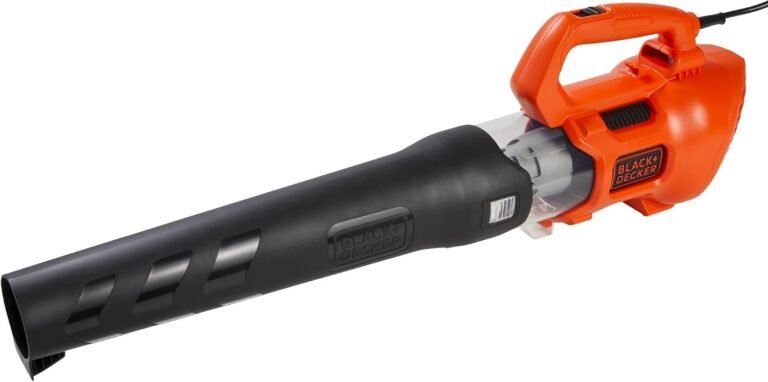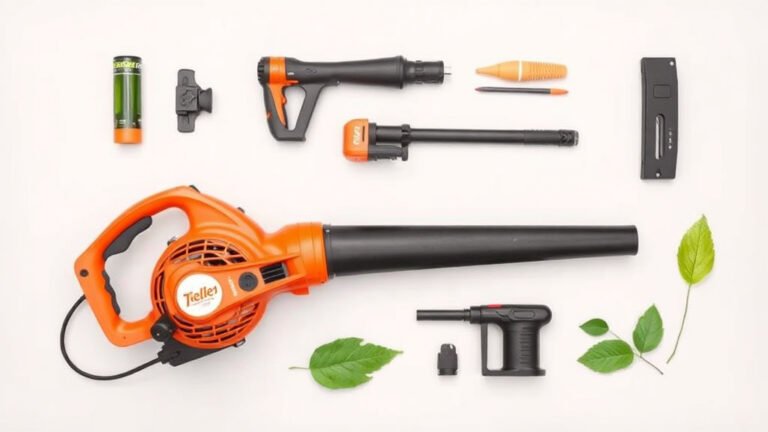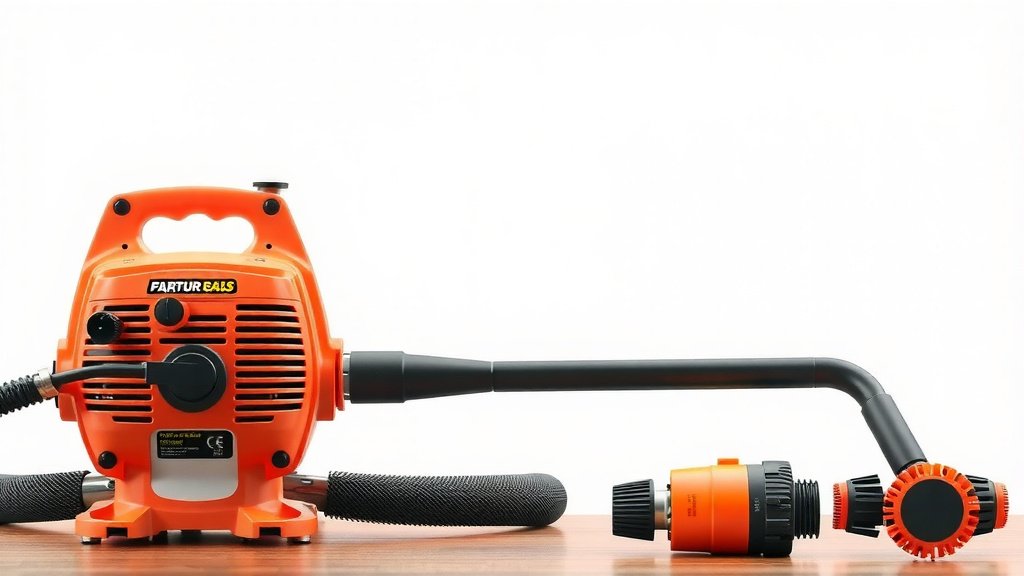
Can a Leaf Blower Use Mixed Gas? Key Facts
No, a standard leaf blower does not take mixed gas, but you need to check the engine type first. Most modern leaf blowers use straight unleaded gasoline, just like your car. If your blower has a 4-stroke engine, you pour regular gas directly into the tank and go. The tricky part is that some older or smaller models have a 2-stroke engine, and those absolutely require a precise mix of gas and oil to run properly.
Mixing fuel when you shouldn’t—or skipping the oil when you need it—can quickly destroy the engine. We found that checking the fuel cap and the owner’s manual is the fastest way to know what you have. The fuel cap is your biggest clue: a 2-stroke cap usually has a small oil can icon printed on it. Using the wrong fuel is one of the most common reasons leaf blowers fail to start, so this simple check saves you a headache down the road.
TL;DR — Quick Answers for Your Leaf Blower Fuel:
- 4-stroke engines: Use straight, regular unleaded gasoline. No oil mixing needed.
- 2-stroke engines: Require a specific gas-to-oil mixture (usually 50:1 or 40:1, but verify it).
- Check the fuel cap: A fuel pump icon means straight gas; an oil can icon means you must mix.
- Always verify the manual: If in doubt, look up the model online or check the sticker under the tank.
- Never guess: Putting straight gas in a 2-stroke will seize the engine, and mixing oil in a 4-stroke will cause heavy smoke and damage.
Below, we’ll walk you through exactly how to identify your engine type, the correct fuel ratios for 2-stroke models, and the step-by-step process to mix it safely without making a mess.
Matching the Right Fuel to Your Leaf Blower Engine
Figuring out your leaf blower’s fuel needs is easier than you think. You just need to know which type of engine sits inside the housing. We found that the simplest way to sort this out is by looking at the engine type and the fuel cap design. This is the difference between a smooth season of yard work and a costly trip to the repair shop.
There are two main engine types in the leaf blower world. The first is a 4-stroke engine, which is similar to what you have in your car or lawn mower. The second is a 2-stroke engine, which is lighter and often found in handheld models. Each one demands a completely different fuel strategy, so let’s break down how to tell them apart.
Spotting a 4-Stroke Engine on Your Blower
Many modern leaf blowers, especially the larger backpack models, run on 4-stroke engines. These are designed for efficiency and lower emissions. The fuel system is separate from the oil system, which means you never mix oil into the gas tank. For a look at top-rated models, see our guide to the best backpack leaf blowers.
You will typically find a small oil fill cap on the top or side of the engine. This is your main clue. If you see a cap that looks like an oil can with a drop, that is for engine oil, not fuel. The gas tank has its own cap, usually marked with a fuel pump icon.
We found that most users prefer 4-stroke blowers because they are less fussy. You just fill the tank with regular unleaded gasoline and pull the cord. There is no guessing game with mixing ratios, which saves you time and mental energy.
Identifying a 2-Stroke Engine Quickly
On the flip side, many lightweight handheld blowers use 2-stroke engines. These engines are simple and powerful for their size, but they require a specific blend of gas and oil. The oil is the only thing that lubricates the internal moving parts. Our handheld leaf blower review covers a model that requires mixed fuel.
Look at the fuel cap on these models. It usually has a small icon of an oil can or a fuel pump with a drop of oil. This is a universal indicator that you need to mix the fuel. If you ignore this and pour straight gas in, the engine will overheat and seize up within minutes.
Research and found that a seized engine is almost never worth fixing. The cost of a new engine is often higher than buying a new blower. So, taking 30 seconds to check the cap is the best insurance policy for your equipment.
Fuel Ratios and Mixing Instructions for 2-Stroke Models
If you have a 2-stroke engine, you need to mix two-cycle oil with gasoline. The exact ratio depends on the manufacturer and the age of the machine. Using the wrong ratio can cause poor performance or permanent damage, so this step is not optional.
Most modern leaf blowers use a 50:1 ratio. This means 50 parts gas to 1 part oil. Some older models might require 40:1 or even 32:1. You must verify this number before you mix anything. It is usually printed right next to the fuel cap or in the owner’s manual.
Standard Gas-to-Oil Ratios You Should Know
We found that the ratio is the most common source of confusion for new owners. Here is a quick breakdown of what you will likely see:
- 50:1 ratio: This is the standard for almost all new 2-stroke blowers. Use about 2.6 ounces of oil per gallon of gas.
- 40:1 ratio: Common in some mid-range models. Use 3.2 ounces of oil per gallon of gas.
- 32:1 ratio: Found in older or high-performance models. Use 4 ounces of oil per gallon of gas.
These ratios are critical for engine health. Too much oil causes heavy smoke and carbon buildup. Too little oil causes metal-on-metal friction, which leads to catastrophic failure. Many experts say that a slightly rich mixture (more oil) is safer than a lean one.
Choosing the Right Two-Cycle Oil
You cannot use just any oil. You need oil that is specifically labeled as two-cycle oil or 2-stroke oil. This oil burns cleanly and leaves minimal ash behind. Standard motor oil will not burn properly and will foul the spark plug quickly.
Look for oil that meets the ISO-L-EGD or JASO FD standards. These are high-quality certifications that ensure proper lubrication. We found that using a reputable brand of synthetic oil reduces smoke and keeps the engine cleaner for longer periods.
Step-by-Step Guide to Mixing Fuel Safely
Mixing fuel is a simple task, but you need to do it in the right order to avoid a mess. Pouring oil directly into a full gas tank does not mix well. You need a dedicated container to shake the mixture thoroughly.
Here is the process we recommend for a clean and safe mix:
- Purchase a clean, approved fuel container that is empty.
- Pour the correct amount of two-cycle oil into the container first.
- Add half of the required gasoline to the container.
- Close the cap and shake the container gently for about 10 seconds.
- Add the remaining gasoline and shake again for 10 seconds.
- Pour the mixture into your leaf blower’s fuel tank carefully.
This two-step shaking method ensures the oil and gas are fully homogenized. If you skip this, the first few pulls might feed pure oil to the engine, which causes a rough start and heavy smoke.
Using a Mixing Bottle for Accuracy
If you are worried about measuring, you can buy a pre-marked mixing bottle. These bottles have lines on the side that show you exactly where to fill the oil and gas. They take all the guesswork out of the equation.
We found that these bottles are inexpensive and worth every penny. They prevent overfilling and reduce the risk of spilling oil on your driveway. A spill not only stains concrete but also creates a slip hazard for you and your family.
What Happens If You Use the Wrong Fuel Type
Mistakes happen. Maybe you grabbed the wrong can from the shed, or you assumed all blowers take mixed gas. Understanding the consequences helps you react quickly if you realize your error.
If you put mixed gas (gas and oil) into a 4-stroke engine, the oil will coat the spark plug and clog the carburetor. The engine will run rough, produce a thick white smoke, and eventually stall. You might be able to fix it by draining the tank and running fresh gas through the system, but the damage can be severe if you run it for a long time.
The Damage from Straight Gas in a 2-Stroke Engine
This is the worst-case scenario. Without oil in the fuel, the piston rings and cylinder walls have no lubrication. The friction creates intense heat, and the metal parts can weld themselves together. This is called “seizing.”
We found that a seized engine is usually a death sentence for the blower. The repair cost often exceeds the value of the machine. If you realize you put straight gas in a 2-stroke engine, stop immediately. Do not try to “run it out” to fix it.
Can You Mix Old Gas with New Mix?
It is not recommended to mix old gas with a fresh batch. Gasoline degrades over time, especially when it contains ethanol. Old gas loses its volatility and can leave sticky deposits in the carburetor.
If you have leftover mixed fuel from last season, dispose of it properly. You can take it to a local hazardous waste collection site. Starting the season with fresh fuel is the best way to ensure reliable starts and smooth operation.
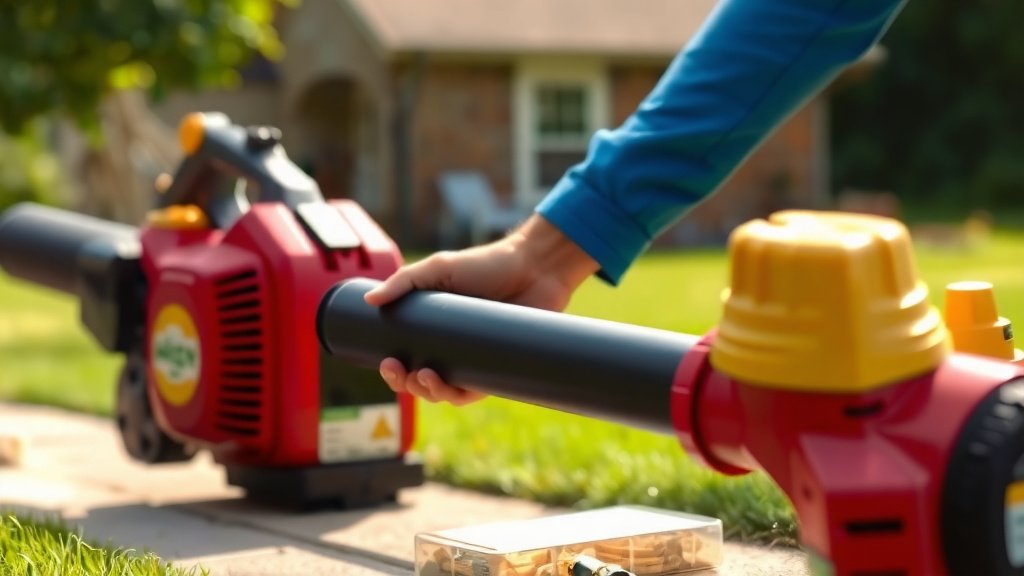
Quick Checklist Before You Fill the Tank
Before you head out to the garage, run through this mental checklist. It takes less than a minute and saves you from a costly repair bill. We found that this simple habit keeps your blower running strong for years.
- Check the fuel cap icon: Oil can means mix; fuel pump means straight gas.
- Read the owner’s manual: Look for the exact ratio and fuel type recommendation.
- Inspect the engine label: Look for “2-cycle” or “4-cycle” text near the pull cord.
- Use fresh fuel: Never use gas that has been sitting for more than 30 days.
- Buy the correct oil: Always use ISO-L-EGD or JASO FD certified two-cycle oil.
- Shake the mix well: A proper mix prevents rough starts and engine wear.
Tips for Storing Fuel and Your Leaf Blower
How you store your fuel is just as important as how you mix it. Poor storage leads to stale gas and clogged carburetors. This is one of the most common reasons blowers fail to start in the spring.
Always store mixed fuel in a sealed, approved container. Keep it away from direct sunlight and extreme temperatures. A cool, dark garage is ideal. We found that adding a fuel stabilizer can extend the life of your gas to about six months.
Emptying the Tank for Long-Term Storage
If you are putting your blower away for more than 30 days, you should empty the fuel tank. Running the engine until it stalls is the easiest way to clear the carburetor. This prevents the fuel from turning into a varnish-like substance.
Many experts say that leftover fuel in the carburetor is the number one cause of starting problems. Taking five minutes to drain the system saves you a frustrating afternoon of pulling the starter cord next season.
| Engine Type | Fuel Requirement | Oil Needed? |
|---|---|---|
| 4-Stroke | Regular unleaded gasoline | No (separate oil reservoir) |
| 2-Stroke | Gas and oil mixture | Yes (50:1, 40:1, or 32:1) |
Matching the fuel to the engine is the single most important maintenance task for your leaf blower. It takes one minute to check the cap and read the label. That one minute prevents engine failure, costly repairs, and the frustration of a tool that simply will not run when you need it most. Always err on the side of caution and verify before you pour. Your blower will thank you with reliable starts and powerful performance all season long.
Conclusion
You now know the simple truth: most leaf blowers do not take mixed gas. The real answer depends on whether you have a 2-stroke or a 4-stroke engine. Checking the fuel cap icon or the owner’s manual takes less than a minute, and it is the best way to protect your equipment from expensive damage.
Always use fresh fuel, pick the right two-cycle oil if you need to mix, and store everything properly. We found that a little preparation goes a long way. Before you pull the cord next time, take a quick look at the cap. That one small habit keeps your blower running strong and saves you a costly repair bill.
Frequently Asked Questions
Can I use pre-mixed fuel in a 4-stroke leaf blower?
No, you should not use pre-mixed fuel in a 4-stroke leaf blower. The oil in the mixture will cause heavy smoke and can clog the carburetor. You need straight, regular unleaded gasoline for a 4-stroke engine.
How long does mixed gas stay fresh in a leaf blower?
Mixed gas typically stays fresh for about 30 days when stored properly. Adding a fuel stabilizer can extend that to about six months. We recommend starting each season with a fresh batch of fuel for the best performance.
What happens if I accidentally put mixed gas in a 4-stroke blower?
If you realize the mistake quickly, drain the tank right away and refill with straight gas. The engine may run rough and smoke for a few minutes, but you can limit the damage. Running it for a long time with mixed gas will foul the spark plug and clog the carburetor.
Can I use regular motor oil instead of two-cycle oil?
No, you should never use regular motor oil in a 2-stroke engine. Standard motor oil does not burn cleanly and will leave heavy carbon deposits. You need oil specifically labeled as two-cycle or 2-stroke oil to protect the engine properly.
Is it better to use more oil in my 2-stroke mixture?
Sticking to the manufacturer’s ratio is the safest approach. A slightly richer mix is less harmful than a lean one, but too much oil causes heavy smoke and carbon buildup. Always follow the exact ratio printed on your blower or in the manual.