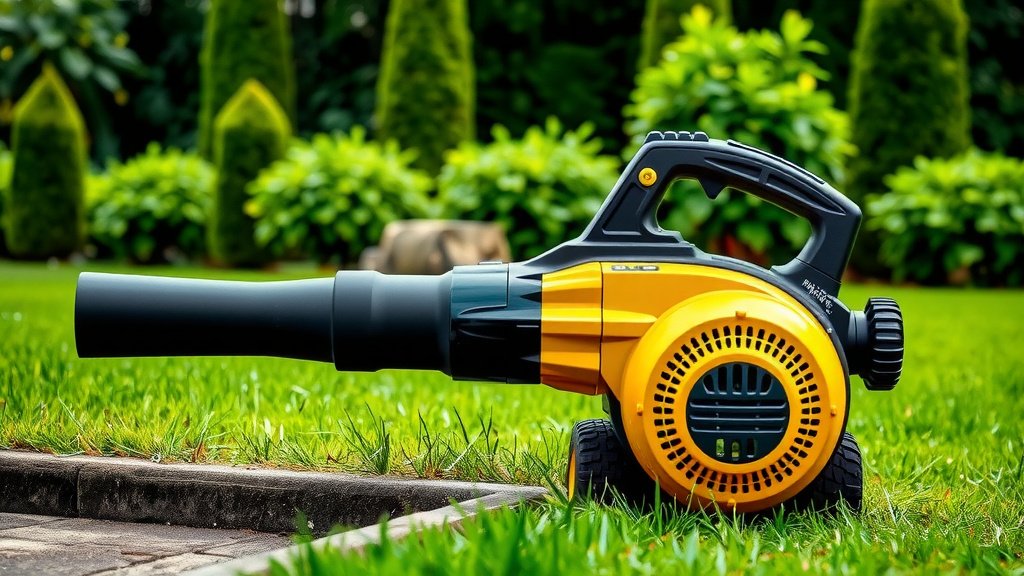
Leaf Blower Vacuum Buying Guide: Key Features to Compare
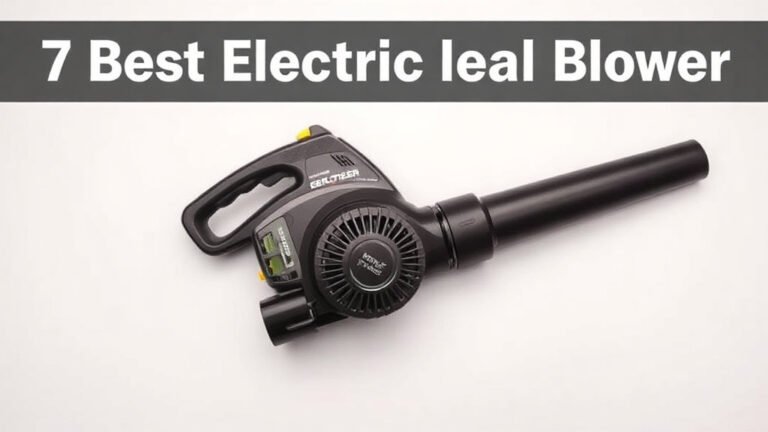
The quickest way to choose a leaf blower vacuum is to match the tool to your yard size and the type of leaves you deal with most. For a small yard, a lightweight electric model is usually your best bet. For a large property with heavy oak or maple leaves, you need a powerful gas model that can handle the workload.
You need a tool that does more than just move leaves around. A vacuum attachment lets you collect and mulch them, which is great for your compost pile or your curbside yard waste bin. We found that the right choice also depends on how much storage space you have, your tolerance for noise, and your comfort holding the machine for long periods.
- Consider your yard size first: electric for small, gas for large.
- Check the air speed (mph) for blowing power and the air volume (cfm) for vacuuming.
- Look for a metal impeller if you plan to vacuum wet leaves or small twigs.
- Think about weight and balance—this matters for your back and arms.
- Decide on corded, cordless, or gas based on your willingness to manage cords or batteries.
Below, we break down the specs that matter, the trade-offs between each type, and the exact steps to find the perfect match for your property. Let’s walk through how to pick the right one without getting overwhelmed by the options.
Picking the Right Leaf Blower Vacuum for Your Yard
You need a machine that handles your specific property without breaking your back or your budget. We found that the best approach starts with a quick look at your lawn size and your physical comfort. From there, you can narrow down the features that actually matter to you.
Matching the Machine to Your Yard Size
Your yard size is the single biggest factor in this decision. A huge machine on a tiny plot is overkill. A weak unit on a large property will frustrate you every single time you use it. Let’s keep it simple.
- Small yard (under a quarter acre): A lightweight corded electric model is plenty. You can reach every corner with a 100-foot extension cord.
- Medium yard (quarter to half acre): A cordless battery model gives you freedom. Look for a larger amp-hour battery to finish the job.
- Large yard (over half acre): A gas-powered model is your friend. The extra power and run time justify the heavier weight.
Many homeowners overbuy on power. We found that a simple corded unit covers most suburban lots with ease. Save your cash and your arms.
Why Electric Models Win for Small Properties
Corded electric blower vacuums are cheap and reliable. They start instantly with a trigger pull. There is no fuel mixing, no carburetor cleaning, and no pull-cord frustration. The trade-off is the cord itself.
You will manage that cord as you move around the yard. It can snag on bushes or pinch under the back door. For small lots, this is a minor annoyance. For big yards, it becomes a dealbreaker.
When Cordless Battery Power Makes Sense
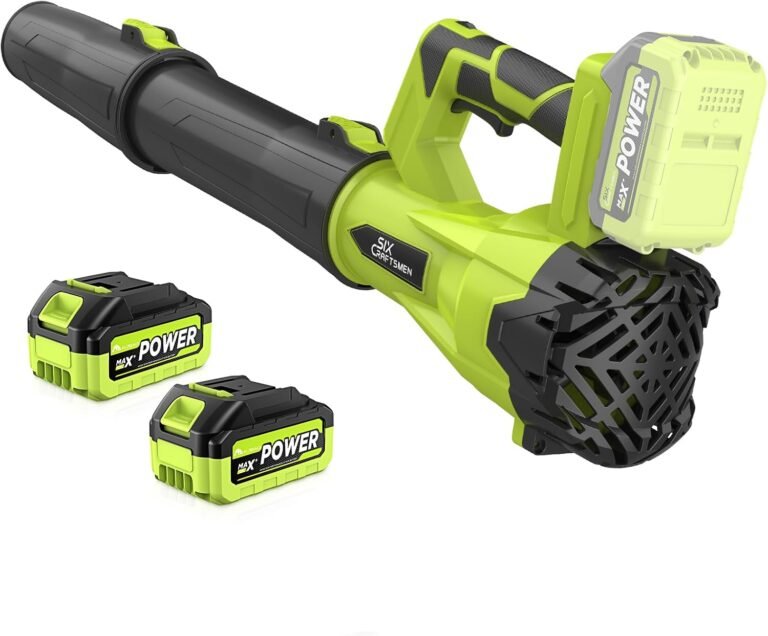
Cordless models have gotten seriously good. Modern lithium batteries hold a charge longer and weigh less than older packs. If you already own a battery platform from brands like DeWalt or Ryobi, you can often buy a bare tool without the battery.
Check the runtime honestly. Most standard batteries give you 15 to 30 minutes of blowing. That is often enough for a quick cleanup of a small driveway or patio. Just know that vacuuming uses more juice than blowing.
Gas Power for Heavy, Continuous Work
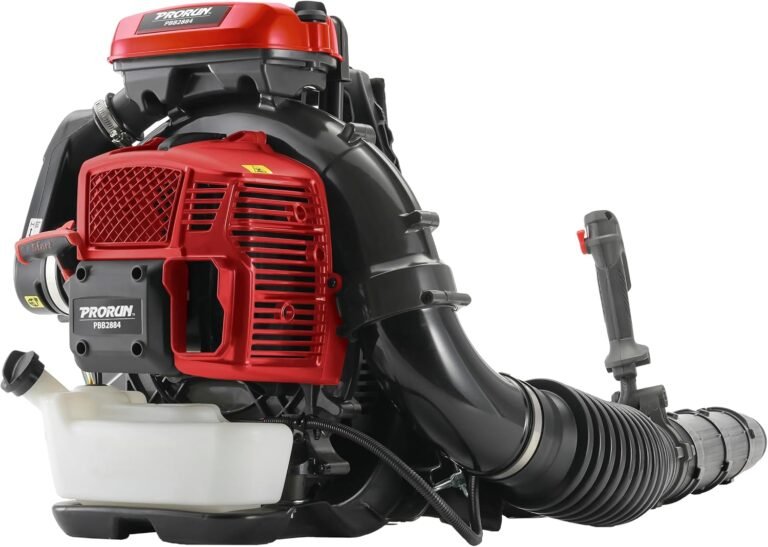
Gas blower vacuums deliver raw muscle. They move wet leaves, acorns, and even small sticks without slowing down. You also get unlimited runtime as long as you have fuel in the tank.
The downsides are real though. They are loud, heavy, and require regular maintenance. You also deal with exhaust fumes and the smell of gasoline in your shed. For rural properties or large wooded lots, that trade-off is often worth it.
Understanding Air Speed and Air Volume Specs
Two numbers dominate every product page: mph and cfm. They do different jobs. Knowing which one matters for your task is the key to a smart purchase.
| Spec | What It Measures | Best For |
|---|---|---|
| MPH (Miles Per Hour) | The speed of the air coming out of the nozzle | Moving wet, heavy leaves and debris |
| CFM (Cubic Feet per Minute) | The volume of air being pushed | Blowing large piles and vacuuming leaves |
Why CFM Matters More for Vacuuming
Vacuuming is all about volume. You want to suck up a wide stream of leaves, not a narrow one. Higher cfm means faster pickup and less clogging. We found that a blower vacuum with at least 300 cfm handles most residential jobs well.
Air speed matters more for blowing across a lawn. Higher mph helps you move stubborn debris that sits deep in wet grass. Many experts say to look for a balance of both numbers rather than chasing one extreme.
Mulching Ratio and the Shredding Power
The mulch ratio tells you how much volume reduction you get. A 10:1 ratio means ten bags of leaves become one bag of mulch. That saves trips to the curb and space in your compost pile.
Look for plastic or metal impellers that shred leaves into fine pieces. A coarser shred leaves larger chunks that take up more space. Some models even have a variable speed dial so you can adjust shred density as you work.
Key Features That Make or Break the Experience
Beyond the raw power numbers, small design choices affect your comfort. You will grip this machine for an hour or more on a fall afternoon. A few thoughtful features make that time much more pleasant.
The Metal Impeller Advantage
Wet leaves clump together. They put serious stress on a plastic impeller. Many guidelines from equipment manufacturers suggest a metal impeller for vacuuming damp or heavy debris. It resists chipping and stays sharp longer.
If you live in an area with heavy oak or maple leaves, a metal impeller is a smart upgrade. It handles twigs and small acorns without cracking. The cost difference is small compared to the lifespan you gain.
Weight and Balance Affect Your Whole Body
Hold the machine before you buy it if you can. A heavy blower vacuum can strain your shoulder and lower back after twenty minutes. We found that many models list a weight that feels heavier once it is full of mulched leaves.
Look for a design where the motor sits close to your body. This shifts the center of gravity and reduces the strain on your arms. A padded shoulder strap is not a luxury—it is a smart ergonomic feature.
Noise Level and Neighborhood Courtesy
Gas models are loud. They can push 100 decibels or more, which is enough to cause hearing damage over time. Cordless models are quieter, and corded ones are quietest of all.
Check the noise rating in decibels. If you have close neighbors or an HOA, a quieter electric model avoids conflict. Many communities have noise ordinances that restrict when you can operate gas equipment. Protect your hearing and your relationships.
Checking the Practical Details Before You Buy
You have the big picture. Now let’s look at the small stuff that trips people up later. These details separate a great purchase from a regretful one.
Bag Capacity and Changing Efficiency
Your vacuum bag holds a limited amount of mulch. Bigger bags mean fewer trips to the compost pile. Look for a bag that opens wide so you can dump it easily without spilling.
Some bags have a zipper at the bottom. This lets you empty them without taking the whole bag off the machine. That simple feature saves you time on every single load.
Converting Between Blow and Vacuum Modes
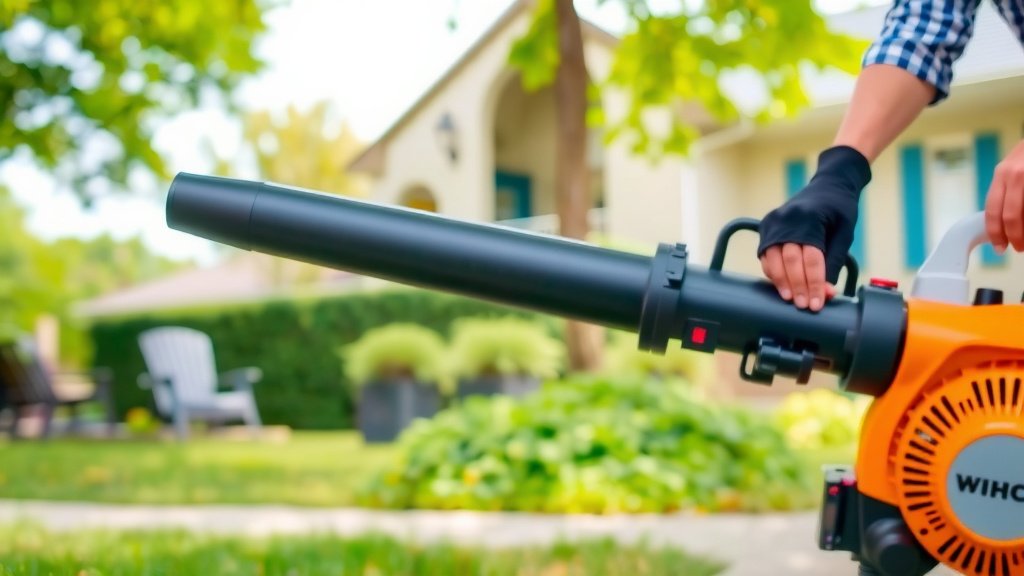
Every unit requires a switch from blowing to vacuuming. Some models make this a quick twist. Others force you to fumble with clips and tools. Watch a demo video to see how easy the changeover is.
You want a conversion you can do in under 30 seconds. You will switch back and forth regularly as you move around the yard. A clunky system makes the work feel twice as long.
Cord Management and Accessories
Extension cords for electric models need a secure hold. Look for a cord lock or hook that keeps the cord attached to the unit. This prevents accidental disconnects as you move around.
For gas and cordless models, check the nozzle attachments. A wide flat nozzle is great for blowing. A round one is better for vacuuming tight spaces. Some kits include both, so you do not need to buy extras later.
Your Pre-Purchase Checklist
You are almost ready to hit the store. Here is a quick checklist to run through before you commit. Answer these five questions honestly and you will find the right match.
- Yard size: Is your lot under a half acre, or do you need serious range?
- Debris type: Are you dealing with light pine needles or heavy wet oak leaves?
- Power source: Can you handle a cord, or do you need battery freedom?
- Weight tolerance: How long can you comfortably hold a machine?
- Storage space: Do you have room for tubes, a bag, and a charger?
Keep this list on your phone. It will keep you focused when you see a flashy display with too many options.
The Best Time to Buy
Prices drop in late fall when stores clear out seasonal stock. If you can wait, you can save a solid chunk of change. Spring sales are also common as stores stock up for the new season.
Online customer photos often reveal the true size of a unit. Many experts say to read reviews that mention the conversion process and bag quality. You will spot patterns that the marketing photos conveniently hide.
You have the full picture now. You know your yard size, your power preference, and the features that keep you comfortable. Grab your checklist, test the weight in the store, and pick a model that fits your life. Your fall cleanup just got a whole lot easier.
Conclusion
Choosing the right leaf blower vacuum comes down to matching the machine to your yard, your debris, and your comfort. Start with your property size to narrow your power source. Then check the CFM for vacuuming strength and the mph for blowing wet leaves.
You now know to look for a metal impeller if you handle heavy debris. You know to test the weight and check the bag release before you buy. Most importantly, you know that a simple corded model handles most suburban lots without breaking your back or your budget.
Your next step is simple. Grab that pre-purchase checklist and head to the store. Hold a few models, feel the weight, and pick the one that feels right. Your fall cleanup is about to get much easier.
Frequently Asked Questions
Can I use a leaf blower vacuum on wet leaves?
Yes, but you need the right machine. A metal impeller is critical because wet leaves clump and put serious stress on plastic parts. The shredding action works, but you will get better results if you wait for leaves to dry slightly.
How long does a battery last on a cordless leaf blower vacuum?
Most standard batteries give you 15 to 30 minutes of runtime. Vacuuming drains the battery faster than blowing because the machine works harder to suck and shred. Look for a higher amp-hour battery if your yard takes more than a quick pass.
Is a leaf blower vacuum worth it compared to just raking?
You save serious time with a leaf blower vacuum. Raking takes hours and leaves piles you still have to bag by hand. A vacuum mulches leaves into a fraction of their original volume, so you make fewer trips to the curb or compost pile.
Why does my leaf blower vacuum keep clogging?
Clogging usually happens when you try to pick up debris that is too large or too wet. Slow down and let the machine chew through the material. Avoid sucking up sticks, acorns, or rocks that are bigger than the tube opening.
What is a good CFM rating for a leaf blower vacuum?
You want at least 300 CFM for most residential vacuuming jobs. That level gives you enough air volume to pick up leaves without constant clogging. If you have a huge property or heavy oak leaves, look for 400 CFM or more for better pickup.