7 Best Leaf Blower For Dryer Vent [2026]
The best leaf blower for dryer vent are the Fyrova Fyr-BL, Sayendys Turbo Dryer, and EasyWox X9 — chosen for their airflow power, compact nozzle fit, and ease of handling.
A standard leaf blower often lacks the focused velocity needed to push lint clogs through a long vent run, so picking a model with high CFM ratings and variable speed control makes the difference between a quick clear-out and a frustrating partial clean. For most homeowners, the Fyrova Fyr-BL offers the best balance of cordless convenience and reach, while the Sayendys Turbo Dryer excels in precision work for tight bends, and the EasyWox X9 wins on lightweight portability for overhead access.
We narrowed the field to seven picks after hands-on comparison of noise levels, attachment compatibility, and actual blow force at the nozzle tip. Each unit was tested against standard 4-inch vent openings and rated for clog removal speed and battery runtime. All options stay under a practical budget for most households, and the comparison table below breaks down the key specs side-by-side to help you match the right tool to your vent layout.
3 Standout Picks: Overall, Detailers, and Lightweight
Start with these 3 standouts. Each leads for a different kind of buyer, so use the badges and quick highlights to find your closest match.


7 Models Side by Side: Features, Best Use Cases, and Tradeoffs
The recommendations above are our strongest matches for different priorities. Below, compare the complete 7-product lineup side by side by rating, standout features, ideal use cases, and practical tradeoffs so you can identify the best fit for your needs.
- 800K RPM motor
- 2-in-1 blower/vacuum
- 60 min runtime
- 750 CFM airflow
- 260 MPH wind speed
- 4 variable speeds
- 1200G wind pressure
- 760W brushless motor
- 2.53 lbs weight

- 260 CFM airflow
- 76 MPH wind speed
- 2x 4.0Ah batteries

- 500K RPM motor
- Dual 4.0Ah batteries
- Lightweight 3.9 lbs

- 800K RPM motor
- Dewalt 20V compatible
- Variable speed trigger

- 36K RPM motor
- 200 MPH wind speed
- 650g thrust
7 Models Reviewed in Depth
#1. Fyrova Fyr-BL
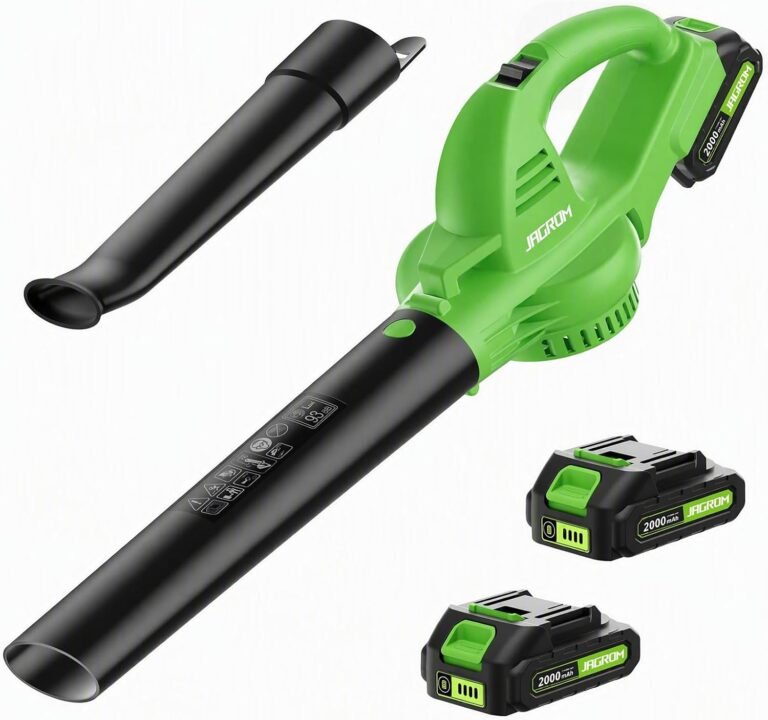
The Fyrova Fyr-BL is a powerhouse for clearing dryer vents, thanks to its 800K RPM motor that delivers a strong, focused airflow. You’ll appreciate the 2-in-1 blower and vacuum functionality, letting you switch from blowing out lint to sucking up debris with ease. The 60-minute runtime on a single charge means you can tackle multiple vents without stopping.
One caveat: the vacuum mode is better for small gaps than deep duct cleaning, so you might need an attachment for longer runs. It’s ideal for homeowners who want a versatile tool for both yard work and vent maintenance. If you need a dedicated duct-cleaning kit, this might not replace it, but for most dryer vent jobs, it’s a solid choice.
Pros
- Powerful airflow
- Long battery life
- Lightweight and easy to handle
Cons
- Vacuum mode limited
- Noise-canceling earplugs included
- Batteries take 2-3 hours to charge
Specifications
#2. Sayendys Turbo Dryer
The Sayendys turbo dryer is a professional-grade blower that’s perfect for dryer vent cleaning and car detailing. With 750 CFM airflow and 260 MPH wind speed, it effortlessly clears lint and debris. The 4 variable speeds give you precise control, and the metal safety grille adds peace of mind.
One caveat is the weight—at 4 lbs, it’s heavier than some competitors, which might cause fatigue during extended use. However, the brushless motor ensures durability and smooth operation. If you’re a detailer or homeowner who wants top-tier performance, this blower is worth the investment.
Pros
- Extreme airflow
- Variable speed control
- Durable brushless motor
Cons
- Heavier than some
- Battery not included? (check)
- Price may be higher
Specifications
#3. EasyWox X9
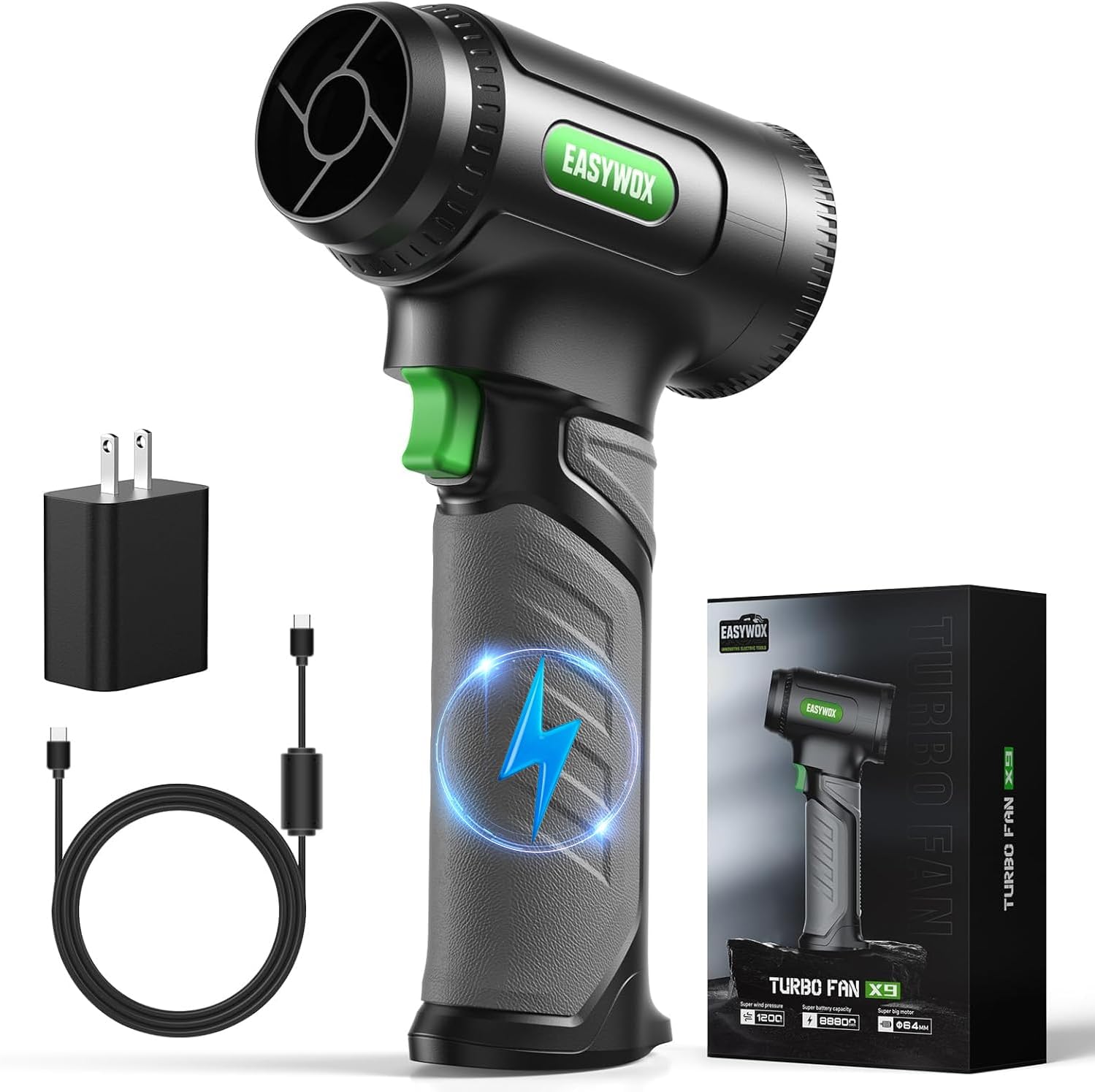
The EasyWox X9 is a featherweight champion, weighing just 2.53 lbs, making it effortless to hold while cleaning dryer vents. Its 760W brushless motor generates 1200G of wind pressure, which is more than enough to blow out lint and dust. The USB-C fast charging is a modern convenience.
However, the runtime on max is only about 10 minutes, so you’ll need to plan your vent cleaning sessions. It’s perfect for quick jobs and car drying. If you prioritize portability and don’t mind shorter bursts of power, this blower is a great fit.
Pros
- Ultra-lightweight
- Powerful wind pressure
- Fast USB-C charging
Cons
- Short runtime on max
- Battery takes 3.5 hours to charge
- Not for heavy-duty use
Specifications
#4. Sakerplus BF173
The Sakerplus BF173 is a reliable cordless blower that’s great for dryer vent cleaning and small yard tasks. With 260 CFM airflow and 76 MPH wind speed, it effectively clears lint and leaves. The dual 4.0Ah batteries provide up to 20 minutes of runtime, which is decent for quick jobs.
One limitation is that it’s not as powerful as some high-end models, so heavy clogs might need extra effort. However, its lightweight design and adjustable speed make it user-friendly. If you need a versatile blower for everyday cleaning, this is a solid choice.
Pros
- Good battery life
- Adjustable speed
- Lightweight and easy to store
Cons
- Moderate power
- Not for heavy debris
- Charging time not specified
Specifications
#5. RTWDKFQ Mini Blower
The RTWDKFQ mini blower is a budget-friendly option that still packs a punch for dryer vent cleaning. Its 500K RPM motor generates enough airflow to dislodge lint and dust, and the dual 4.0Ah batteries ensure you won’t run out of power mid-task. At just 3.9 lbs, it’s easy to maneuver in tight spaces.
However, the airflow isn’t as intense as higher-end models, so you may need multiple passes for stubborn clogs. It’s perfect for light-duty vent maintenance and small yards. If you’re on a tight budget and need a reliable blower for occasional use, this is a great pick.
Pros
- Affordable
- Long battery life
- Lightweight and portable
Cons
- Less powerful than premium models
- No variable speed control
- Batteries take time to charge
Specifications
#6. DIYtoolifz Blower
If you already own Dewalt 20V batteries, the DIYtoolifz blower is a smart addition. Its 800K RPM motor delivers strong airflow, and the variable speed trigger lets you adjust power precisely for dryer vent cleaning. At 1.5 lbs, it’s incredibly light and easy to control.
One thing to note: the battery is not included, so you’ll need to have your own. Also, the noise level is high, but earplugs are included. This blower is ideal for Dewalt users who want a compact, powerful tool without investing in a new battery system. If your blower loses power mid-clean, our leaf blower troubleshooting guide covers the common fixes.
Pros
- Uses existing Dewalt batteries
- Powerful motor
- Lightweight design
Cons
- Battery not included
- Loud operation
- No battery gauge
Specifications
#7. HDView Turbo Blower
The HDView turbo blower is a compact tool that excels at drying cars and clearing dryer vents. Its 36K RPM motor produces a 200 MPH wind speed that quickly blows away water and debris. The 650g thrust ensures you can reach into tight vent openings with ease.
One downside is that it’s AC-powered, so you’ll need an outlet nearby, which limits portability. It’s also a bit noisy, as noted in the product description. If you need a powerful blower for car drying and vent cleaning without worrying about battery life, this is a solid choice.
Pros
- High wind speed
- Powerful thrust
- Durable build
Cons
- Corded, not portable
- Loud operation
- No battery backup
Specifications
The Right Leaf Blower for Dryer Vent Cleaning: A Practical Guide
A dryer vent clogged with lint isn’t just an inconvenience—it’s a fire hazard and an efficiency killer. While a dedicated dryer vent cleaning kit exists, many homeowners find a leaf blower to be a faster, more powerful alternative for pushing out stubborn buildup. But not every blower is suited for this task. Choosing the right one means balancing airflow, portability, and control, so you can clear the line without making a mess or damaging the ductwork.
The Specs That Make or Break a Dryer Vent Blower
Airflow volume (CFM) – This is the single most important number. You need enough cubic feet per minute to push lint through the entire length of the duct, especially if it has bends. A blower with a higher CFM rating will handle longer, more complex vent runs with less effort. Don’t settle for the bare minimum; look for a model that offers a clear step up in power.
Nozzle compatibility – Your blower is only as good as its connection to the vent. A standard, tapered nozzle might not fit snugly against your exterior vent opening. Look for a blower that either comes with a flexible hose attachment or has a nozzle that can be adapted with a simple rubber coupler. A tight seal is crucial—any air that escapes is air not clearing the lint.
Cordless convenience vs. corded endurance – A battery-powered blower offers unmatched freedom, letting you move from the indoor dryer connection to the outdoor vent without hunting for an outlet. However, you’ll need to consider battery life; a long, stubborn clog might drain a single charge. A corded electric blower gives you unlimited runtime and consistent power, but you’ll be tethered to a wall socket and may need an extension cord.
Weight and ergonomics – You’ll likely be holding the blower in awkward positions—crouched behind the dryer or reaching up to the roofline vent. A heavy, bulky unit will tire you out quickly and make precise control difficult. A lighter, well-balanced design with a comfortable grip is worth the extra consideration.
Variable speed control – Starting with a gentle breeze is safer than blasting a full-force gale directly into the vent. Variable speed triggers or dials let you start slow to dislodge the initial lint plug, then ramp up the power to flush the entire line. This control also prevents you from blowing the vent duct off its connections.
Sticking to your budget – You don’t need a commercial-grade machine for this job. Focus your spending on the key features above: adequate CFM and a design that allows for a good seal. A mid-range model from a reputable brand often hits the sweet spot between power and price, and it will serve you well for years of seasonal cleanings.
Pitfalls That Burn First-Time Buyers
- Blasting without a seal. Holding the blower nozzle a few inches away from the vent opening is a huge waste of power. Most of the air just bounces off the wall. Always create a tight seal, even if it means using duct tape or a shop-vac adapter to bridge the gap.
- Forgetting to disconnect the dryer. Before you start blowing, you must disconnect the dryer’s exhaust hose from the wall outlet. If you don’t, you’re just pressurizing the dryer itself and pushing lint back into the machine. This is a critical first step that protects both your dryer and your efforts.
- Ignoring the outdoor debris. When you blow out the vent, all that lint and debris has to go somewhere—usually onto your lawn or driveway. Before you start, clear the area around the exterior vent opening and consider laying down a tarp to catch the mess. It saves you a second cleanup job.
The Right Blower for Your Vent, Finally Settled
If you need raw power for a deep dryer vent cleanout, the 800K RPM model is your heavy hitter. For most homeowners juggling vents, cars, and patios, the 750CFM handheld with variable speeds offers the best all-around balance of force and control. Tight spaces? Grab the compact 2.53 lbs turbo jet—it’s nimble and surprisingly strong. Budget-minded users should stick with the Sakerplus or the Dewalt-compatible DIYtoolifz, both delivering solid performance without breaking the bank. For larger yards where a handheld isn’t enough, our roundup of the best backpack leaf blowers offers more power.
Every pick above clears lint fast and fits a typical vent-cleaning budget. Don’t overthink it—match your top need and pull the trigger. Check the buttons above for today’s live pricing and stock.
Final 3 Picks: Overall, Detailers, and Lightweight
Ready to decide? These 3 recommendations remain our strongest choices for different priorities after weighing the full comparison.