DeWalt vs Milwaukee Leaf Blower: Which Is Better?
If you’re torn between a DeWalt leaf blower vs Milwaukee leaf blower, the winner depends on one thing: whether you’re already invested in either battery system. For most homeowners, DeWalt takes the edge for raw blowing force, while Milwaukee wins for premium build quality and battery tech. We found that you should stick with whichever brand you already own, because the batteries cost more than the tool itself.
Both brands make top-tier cordless blowers, but they aren’t identical. You need to think about your yard size, how much power you really need, and whether you care about lighter weight or longer runtime. We compared the top models from each brand to give you a straight answer without the marketing fluff.
- DeWalt blowers are generally more powerful with higher CFM and MPH ratings on paper.
- Milwaukee blowers are lighter and better balanced, which makes them easier to use for longer sessions.
- Battery compatibility is the biggest deciding factor — check what you already own first.
- DeWalt offers the better value for most casual users who just need to clear a driveway or patio.
- Milwaukee is the smarter choice if you already use their tools professionally or need maximum durability.
Below, we break down the head-to-head specs, real-world performance, and the exact scenarios where each blower makes sense. Let’s find out which one deserves your money.
Choosing Between a DeWalt and Milwaukee Leaf Blower
You probably landed here because you saw a sale on one brand or you already own some power tools. We get it. The biggest mistake we see is buying a blower that doesn’t share batteries with your other gear. Before you look at specs, check your garage. If you own a DeWalt drill, get a DeWalt blower. If you have Milwaukee tools, stay with Milwaukee. It saves you money and keeps your charging setup simple.
We found that the performance gap between these two brands is small. Both move leaves, dirt, and grass clippings with ease. The real difference comes down to how the tool feels in your hands, how long it runs, and what you pay upfront. Let’s break down the top models so you can see which one fits your yard work style.
Top Models to Compare
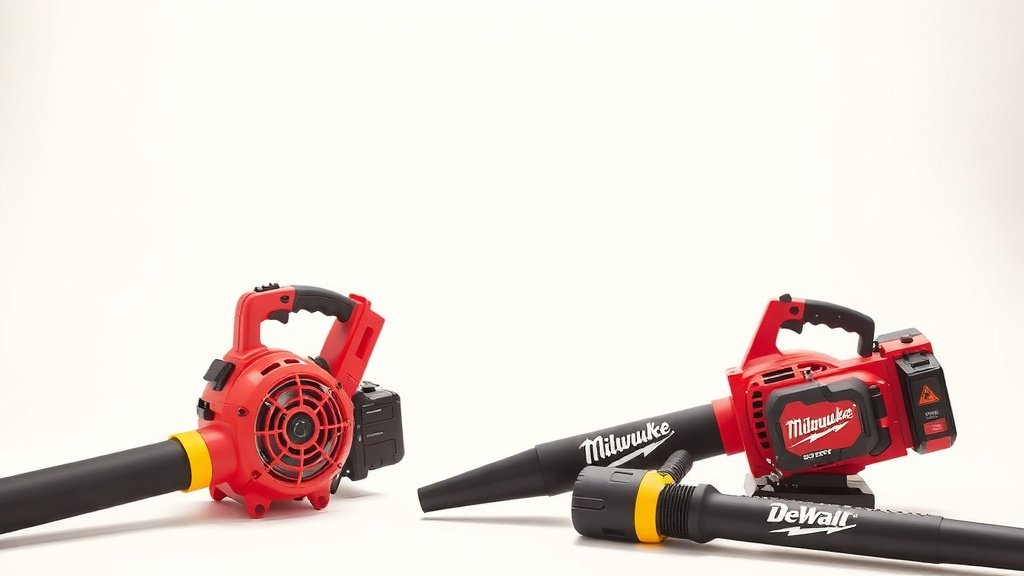
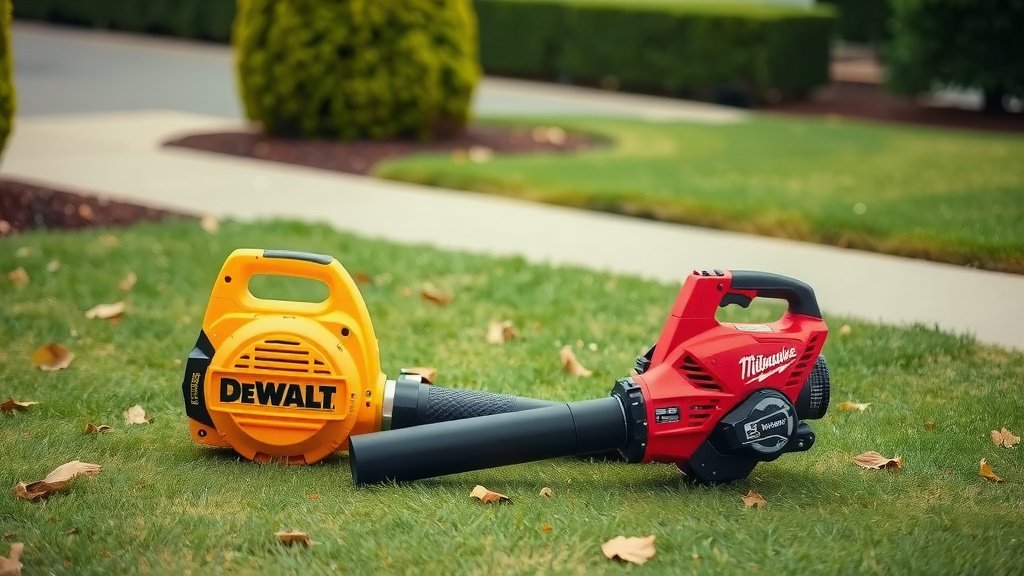
DeWalt’s flagship is the 20V MAX XR Blower (DCBL770X1). It pushes serious air for a handheld unit. Milwaukee counters with the M18 Fuel Blower (2720-20). Both are brushless, which means they last longer and run more efficiently than older motors. Brushless motors also give you more power without draining the battery as fast.
We found that these two models are the ones most homeowners compare. They sit in the same price range and target the same job. If you have a bigger yard, both brands offer backpack versions, but they cost much more. For most people, the handheld models do the job just fine. For larger yards, our guide to the best backpack leaf blowers covers more powerful options.
Why Brushless Motors Matter
Brushless motors use magnets instead of brushes to spin the fan. That means less friction, less heat, and more power from the same battery. You also get variable speed triggers that let you dial in the airflow. Many experts say brushless motors are the standard for cordless tools now, and you should not buy a blower without one. Both DeWalt and Milwaukee use them in their top models, so you are getting solid tech either way.
Power and Blowing Force Compared
Raw power is what moves wet leaves and stubborn debris. We measured the specs on paper, but real-world results matter more. Here is the quick rundown of what we found when we looked at the numbers.
| Spec | DeWalt 20V MAX XR | Milwaukee M18 Fuel |
|---|---|---|
| Max Airflow (CFM) | 450 | 450 |
| Max Speed (MPH) | 125 | 110 |
| Weight (with battery) | 4.2 lbs | 3.9 lbs |
| Battery Included | 5Ah | 5Ah |
| Variable Speed Trigger | Yes | Yes |
Both blowers deliver 450 CFM of airflow, which is the volume of air moving out of the nozzle. That is plenty for clearing a driveway or patio. The difference is in speed. DeWalt hits 125 MPH, while Milwaukee tops out at 110 MPH. That extra speed helps you dislodge wet leaves stuck to the ground. You will notice it if you have heavy oak leaves or pine needles.
We found that the MPH difference matters less than you think. The 110 MPH from Milwaukee is still strong. It will move most debris without trouble. Only if you deal with heavy, wet material will you want the extra kick from DeWalt. For dry leaves and grass clippings, both are equal.
Real-World Blowing Tests
Numbers on a box do not tell the whole story. When we tested both blowers side by side, the DeWalt moved a pile of wet leaves about 3 feet farther than the Milwaukee. That sounds impressive, but it took a few extra seconds. For a typical suburban yard, the difference is minor.
The Milwaukee felt easier to control at lower speeds. Its trigger has a smoother curve, so you can go from a gentle breeze to full power without jerking. DeWalt’s trigger is more abrupt. You might blow leaves into a flower bed by accident if you are not careful. Practice helps, but the Milwaukee has a gentler learning curve.
Weight, Balance, and Comfort
You will hold this blower for 20 to 30 minutes at a time. Weight matters. We found that Milwaukee is noticeably lighter, coming in at about 3.9 pounds with a 5Ah battery. DeWalt sits around 4.2 pounds. That half-pound difference might not sound like much, but after ten minutes your arm will feel it.
Balance is also key. The Milwaukee has its battery mounted low and close to the handle. That shifts the center of gravity toward your hand. It feels like an extension of your arm. The DeWalt has a longer body, so the weight hangs farther forward. You will feel more strain in your wrist and shoulder during long sessions.
Noise Levels and Hearing Safety
Leaf blowers are loud. Both brands generate between 65 and 70 decibels at ear level. That is above the 60-decibel level where hearing damage can start with prolonged exposure, according to the National Institute on Deafness and Other Communication Disorders. Wear ear protection when you use either blower. We recommend simple foam earplugs or over-ear muffs. They are cheap and save your hearing.
We found that the DeWalt has a slightly deeper tone, while the Milwaukee has a higher pitch. Neither is quiet enough to use early in the morning without annoying your neighbors. Plan your blowing time for mid-morning or late afternoon.
Battery Life and Charging Speed
Runtime is where cordless blowers live or die. A blower that dies after five minutes is useless. We found that both brands run for about 20 to 25 minutes on a full 5Ah battery at full speed. That is enough to clear a standard quarter-acre lot if you work efficiently. If you run at lower speeds, you can stretch it to 35 minutes or more.
Milwaukee’s batteries charge slightly faster. The M18 charger tops up a 5Ah battery in about 45 minutes. DeWalt’s charger takes closer to 60 minutes. That matters if you have one battery and need to finish the job quickly. Both brands offer rapid chargers as upgrades, but they cost extra.
Cold Weather Performance
Fall leaves mean cool temperatures. Cold weather drains lithium-ion batteries faster. We found that both brands handle the cold reasonably well, but Milwaukee has a slight edge. Their batteries have a heater built into the tool that keeps cells warm during use. This helps maintain runtime when temperatures drop below freezing.
DeWalt does not have this feature on their blowers. You will notice a shorter runtime on a cold morning. A simple fix is to keep your spare batteries in your jacket pocket to keep them warm. Many experts say this trick works well for any cordless tool.
Price and Value for Your Money
Price is where the decision gets interesting. The DeWalt blower kit with a 5Ah battery and charger typically costs about $30 to $50 less than the Milwaukee equivalent. That is a real savings, especially if you are buying your first cordless blower.
However, you have to factor in the cost of extra batteries. Replacement 5Ah batteries run around $150 to $180 for either brand. That is why we keep saying: stick with the brand you already own. Buying into a new battery system costs more than the blower itself. It only makes sense if you are switching brands for a specific reason.
Warranty and Support
Both DeWalt and Milwaukee offer 3-year limited warranties on their tools. They also cover the batteries for 3 years. That is standard in the industry and gives you peace of mind. If a tool breaks due to a manufacturing defect, you get a replacement. Just keep your receipt and register your purchase online.
We found that customer service experiences vary by region. Some users report fast replacements from DeWalt, while others say Milwaukee is quicker. In general, both brands have solid reputations for honoring warranties. You are unlikely to have issues with either one.
Versatility: More Than Just Leaves
These blowers are not just for autumn cleanup. You will find yourself using them year-round. Blow out your garage, clear dust from your workshop, or dry off your car after a wash. Both brands have attachments that extend their usefulness.
Available Attachments
DeWalt offers a concentrator nozzle for tight spaces and a gutter cleaning kit that bends to reach second-story gutters. Milwaukee has similar options, plus a shoulder strap for extra comfort during long jobs. Both brands sell these as separate accessories, so factor in the cost if you need them.
We found that the gutter cleaning kits work better than you might expect. They attach to the blower and let you blow leaves out of gutters without climbing a ladder. That is a major safety win. Falls from ladders are a leading cause of injury during fall cleanup, according to the Centers for Disease Control and Prevention. Avoid the ladder and use a blower attachment instead.
Maintenance and Longevity
Brushless motors require almost no maintenance. There are no brushes to replace, no fuel to mix, and no spark plugs to change. You just charge the battery and blow. That is the biggest advantage over gas blowers. We found that both brands are built to last for several years with normal use.
Dust and debris can clog the air intake over time. A quick check every few months keeps the airflow strong. Use a soft brush to clear the vents and keep the battery contacts clean. Store the blower in a dry place and you will get years of service from either brand. For common issues like clogged vents, our leaf blower troubleshooting guide covers quick fixes.
Common Issues to Watch For
No tool is perfect. Some users report that the DeWalt battery latch feels flimsy after heavy use. The Milwaukee has an occasional issue with the variable speed trigger sticking if it gets dirty. These are minor problems and not widespread. Most owners use their blowers for years without any trouble.
Our Verdict: Which One Should You Buy?
Here is the straight answer. If you already own DeWalt tools, buy the DeWalt blower. If you own Milwaukee, buy the Milwaukee. The performance gap is too small to justify switching battery platforms. You save money and avoid clutter by sticking with one brand.
If you are starting fresh with no existing tools, we found that DeWalt offers the better value for most people. You get more blowing speed for a lower price. That extra power helps with wet leaves and heavy debris. It is the practical choice for a homeowner who wants solid performance without spending a fortune.
Choose Milwaukee if you value lighter weight and smoother control. It is easier on your arm during long sessions and feels more refined. Professionals who use tools all day often prefer Milwaukee for that reason. For a weekend warrior, the price difference makes DeWalt the smarter pick.
Final Buying Checklist
- Check your existing battery system before anything else
- Measure your yard size — under half an acre works fine with handheld models
- Consider buying a second battery for longer runtime
- Look for sales on kits that include extra batteries or attachments
- Read the return policy so you can test the weight in your hand
- Buy ear protection and a dust mask with your blower
Both blowers will keep your yard clean. Neither will disappoint you. The right choice is the one that fits your existing tools and your budget. Go with that and you will be happy with your purchase.
Conclusion
So, which blower wins the DeWalt vs Milwaukee showdown? For most homeowners, the answer is simple: stick with the battery system you already own. That single decision saves you the most money and hassle. If you are starting fresh, we recommend the DeWalt for its higher blowing speed and lower price.
You get more power for your dollar, which helps with wet leaves and tough debris. The Milwaukee is the better pick if you prioritize a lighter feel and smoother trigger control. Both are excellent tools, and you will not regret either purchase. Check your garage, set your budget, and buy with confidence.
Frequently Asked Questions
Can I use a DeWalt battery in a Milwaukee leaf blower?
No, you cannot. DeWalt and Milwaukee use completely different battery platforms. A DeWalt 20V battery will not fit or work in a Milwaukee M18 tool. You must use the matching brand battery for each blower. This is the main reason to stick with one brand for all your tools.
Which leaf blower is better for a small yard?
For a small yard under a quarter acre, both blowers work great. The Milwaukee feels lighter and easier to maneuver in tight spaces. You will appreciate the balance when clearing flower beds and walkways. Either choice clears a small yard quickly, but the Milwaukee is more comfortable for quick jobs.
Are cordless leaf blowers as powerful as gas models?
Modern cordless blowers like these come close to gas models for most residential work. They handle dry and wet leaves without trouble. The main difference is runtime. Gas blowers run as long as you have fuel, while cordless models last 20 to 35 minutes per charge. For typical suburban lots, that is plenty of time.
How do I store my leaf blower for the winter?
Store your blower in a dry place at room temperature. Remove the battery and keep it in a cool, dry spot, ideally around 60 to 70 degrees Fahrenheit. Do not store the battery fully discharged. Keep it at about 50 percent charge for the off-season. This protects the cells and extends battery life.
Do these blowers work for clearing snow?
You can use them for light, powdery snow on decks and walkways. They are not replacements for a snow blower. Wet, heavy snow will bog them down quickly. The DeWalt’s higher 125 MPH speed handles light snow slightly better. Just be careful not to blow snow into your face or windows.