How to Hang a Backpack Leaf Blower: Easy Storage Guide
The quickest way to hang a backpack leaf blower is to mount a wall hook or bracket at shoulder height and slide the backpack frame onto it. This keeps the unit secure, off the floor, and ready for your next use. You can do this in under five minutes with a simple stud finder and a screwdriver.
We found that storing your blower properly is just as important as using it correctly. Hanging it prevents damage to the fuel lines and keeps the harness from twisting out of shape. Proper storage also saves valuable garage space and keeps your equipment out of reach of kids and pets.
- Find a stud in your wall to hold the weight safely.
- Use a heavy-duty hook or a purpose-built blower bracket for the frame.
- Mount it at chest to shoulder height for easy lifting.
- Always empty the fuel tank before long-term storage.
- Hang it by the frame, never the handle or tube, to avoid bending parts.
Below, we break down the exact steps to hang your backpack leaf blower, along with the best mounting options and common mistakes to avoid. Let’s walk through the process so you can get your garage organized and your gear protected.
Hanging Your Backpack Leaf Blower the Right Way
You just finished clearing the yard. Now you are staring at a bulky backpack blower taking up half the garage floor. We get it. That machine is awkward to store. Hanging it on the wall is the smartest move you can make for your space and your equipment.
We found that most garage storage injuries happen when people try to wrestle heavy tools onto high shelves. A wall mount at the right height solves that problem completely. You simply walk up, slide the frame onto the hook, and walk away. No bending. No straining. No mess.
Why Wall Storage Beats Floor Storage
Leaving your blower on the concrete floor is a bad habit. Moisture from the ground can seep into the metal parts and cause rust over time. We found that floor storage also invites accidents. You might trip over the tube or knock the machine over when you are grabbing a rake.
Wall storage protects your investment. The harness stays flat and untwisted. The fuel lines remain intact. Plus, you free up valuable floor space for your lawn mower or a workbench. It is a simple change with big benefits for your garage organization.
What You Need Before You Start
Gathering your tools first makes this job quick and painless. You probably already own most of these items. Check your garage or toolbox before heading to the store.
- Stud finder to locate a solid anchor point in your wall.
- Heavy-duty wall hook or a purpose-built blower bracket rated for at least 50 pounds.
- Power drill with the correct drill bit for your wall type.
- Screwdriver or socket wrench to tighten the mounting hardware.
- Pencil to mark your drill holes.
- Level to make sure your mount sits perfectly straight.
Do not skip the stud finder. Drywall alone will not hold the weight of a backpack blower. We found that hanging a heavy tool on drywall anchors is one of the most common garage mistakes. A stud gives you a solid foundation that will not pull out.
Finding the Perfect Spot in Your Garage
Location matters more than you think. You want the blower accessible but out of the way. The ideal spot is near your other lawn tools, so you can grab everything in one trip. Avoid placing it near water heaters or electrical panels for safety reasons.
Think about how you move in your garage. If you park a car daily, choose a wall that will not get bumped by doors or mirrors. We found that the wall next to your lawn mower is often the most convenient choice. It keeps all your yard gear in one zone.
Choosing the Correct Mounting Height
Shoulder height is the sweet spot for most people. This lets you slide the blower on and off without lifting it over your head. It also keeps the machine safely out of reach of small children who might want to play with it.
Stand next to the wall with your arm slightly bent. Mark that spot with your pencil. That is your mounting height. If you are taller or shorter than average, adjust accordingly. The goal is a comfortable, natural lifting motion every time you store the unit.
Checking for Wall Obstructions
Before you drill, run your stud finder along the wall. Look for pipes, wires, or ductwork hiding behind the drywall. Hitting a water pipe with a drill bit is a nightmare you want to avoid. Many experts say checking for obstructions takes less than two minutes and saves you from costly repairs.
If your garage wall is finished drywall, the stud finder will beep when it detects a stud. Mark the center of the stud. If you have an unfinished garage with exposed framing, you can see the studs directly. Just pick a sturdy one and mark it.
Step-by-Step Mounting Process
Now it is time to get to work. Follow these steps carefully, and you will have your blower hanging in no time. We found that going slow at the beginning prevents mistakes that cause frustration later.
Marking Your Drill Points
Hold your hook or bracket against the wall at your marked height. Use your level to make sure it is straight. A crooked mount looks bad and can cause the blower to sit at an awkward angle. Trace the screw holes with your pencil.
Double-check your marks before you drill. Measure the distance between the screw holes on your bracket. Verify that the spacing matches your marks. This simple check prevents you from drilling holes in the wrong places.
Drilling Pilot Holes
Pilot holes make the job easier and prevent the wood from splitting. Choose a drill bit slightly smaller than your screws. Drill straight into the stud at your marked points. Keep the drill level and steady as you go.
If you hit something hard while drilling, stop immediately. You might be hitting a nail or a metal plate protecting a wire. Back out the drill and recheck your stud finder readings. It is better to relocate than to damage something important.
Securing the Hook or Bracket
Line up your hook with the pilot holes. Insert the screws and tighten them with your screwdriver or socket wrench. Do not overtighten. You want the mount snug against the wall without stripping the screw heads or crushing the wood.
Give the hook a firm tug after installation. It should not move at all. If it wiggles, remove it and investigate. A loose mount will eventually fail and drop your blower, which can crack the housing or bend the frame.
Best Wall Mount Options for Backpack Blowers
Not all hooks are created equal. We found that the mounting hardware you choose makes a huge difference in how secure your blower feels. Here is a quick comparison of the most popular options on the market.
| Mount Type | Best For | Weight Capacity |
|---|---|---|
| Single heavy-duty hook | Lightweight electric blowers | 50-75 lbs |
| Purpose-built blower bracket | Gas backpack models with wide frames | 75-100 lbs |
| Utility wall track system | Multi-tool storage setups | Varies by track |
| Rubber-coated J-hook | Protecting painted or plastic frames | 50 lbs |
The purpose-built bracket is usually the best choice for gas-powered backpack blowers. It cradles the frame securely and distributes the weight evenly. A simple hook works fine for smaller electric models that weigh less.
Rubber Coating Makes a Difference
Look for hooks with a rubber or vinyl coating. This soft layer grips the frame and prevents scratches. It also reduces vibration if your blower shifts slightly when you close the garage door. We found that the extra few dollars for a coated hook are worth it.
Metal-on-metal contact can wear through the paint on your blower frame over time. That leads to rust and an ugly appearance. A coated hook keeps your machine looking new and protects its resale value if you ever decide to sell it.
Proper Storage Prep Before Hanging
Do not just yank the blower off your back and hang it. A few minutes of prep work will extend the life of your machine. This is especially important for gas-powered models that sit for weeks between uses.
Fuel Management for Gas Blowers
Empty the fuel tank if you are storing the blower for more than a month. Old gasoline goes bad and can clog your carburetor. Many guidelines from equipment manufacturers recommend running the engine until it stalls to clear the fuel lines.
For short-term storage, you can leave a stabilized fuel mixture in the tank. Add a fuel stabilizer to fresh gas to keep it fresh for up to six months. We found that this simple step prevents most starting issues at the beginning of the season.
Cleaning the Air Filter and Vents
Check the air filter before you hang the blower. A clogged filter reduces performance and wastes fuel. Tap it gently to remove loose debris. If it is heavily soiled, clean it according to your owner’s manual or replace it entirely.
Wipe down the exterior with a dry cloth. Remove any grass clippings or dirt from the cooling vents. Blocked vents cause the engine to overheat, which is a common cause of premature failure in leaf blowers.
How to Hang the Blower Correctly
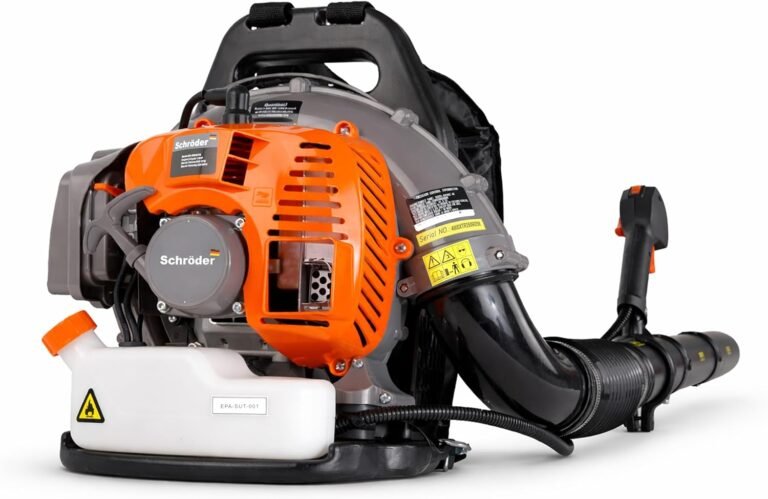
There is a right way and a wrong way to place your blower on the hook. Always hang it by the backpack frame. Never hang it by the handle, the tube, or the throttle cable. These parts are not designed to bear the weight of the machine.
Approach the hook with the frame facing the wall. Slide the frame down onto the hook so the weight rests on the sturdy metal bars. Make sure the blower sits evenly and does not tilt to one side.
Avoiding Damage to the Harness
Check that the shoulder straps are not caught under the frame when you hang it. Pinched straps can bend or weaken the padding. Drape the straps neatly over the top of the blower or tuck them between the frame and the wall.
We found that twisting the harness out of shape makes the blower uncomfortable to wear. A properly stored harness keeps its shape and stays ready for the next time you need it. Take two extra seconds to arrange the straps, and you will save yourself discomfort later.
Common Mistakes to Avoid When Hanging
Even seasoned homeowners make errors with this task. Knowing what to avoid helps you get it right the first time. Here is what we found are the most frequent missteps.
Mounting on Hollow Drywall
Drywall anchors seem like a quick fix, but they are not strong enough for a backpack blower. The weight of the machine can pull the anchor right through the wall. Always locate a stud and use the proper hardware.
If you cannot find a stud in your desired location, consider mounting a piece of plywood across multiple studs first. Then attach your hook to the plywood. This spreads the load and gives you flexibility in hook placement.
Hanging by the Blower Tube
This mistake damages the plastic tube and the connection point. The tube is designed to direct airflow, not support weight. Hanging the blower by the tube can crack the housing and create air leaks that reduce blowing power.
Always use the frame. That is what the frame is built for. The metal bars are designed to carry the weight of the engine and the fuel tank. Using anything else risks breaking expensive parts.
Organizing Your Full Lawn Tool Setup
Once your blower is hung, you will notice how much cleaner your garage looks. Take the opportunity to organize the rest of your yard equipment. A dedicated wall system keeps everything visible and accessible.
Group items by frequency of use. Your blower and trimmer should be the easiest to reach. Seasonal tools like snow shovels can go higher on the wall. We found that a little planning creates a garage that feels twice as big.
Creating a Quick-Release System
You can hang your blower, trimmer, and edger all on the same wall track. This creates a quick-release system where you grab everything for a full yard session in one pass. No more hunting around the garage for missing tools.
Label each hook with a permanent marker or printed tag. This helps family members know where things belong. It also makes it easy to notice when something is missing and has not been returned.
Final Thoughts on Backpack Blower Storage
Hanging your backpack leaf blower takes less than thirty minutes from start to finish. The payoff is a cleaner garage, a protected machine, and a safer space for your family. You will wonder why you did not do it sooner.
Check your blower every few weeks to make sure it is still sitting correctly on the mount. Tighten any screws that feel loose. With minimal upkeep, your wall mount will serve you for years. Your blower will be ready to go the moment you need it.
Conclusion
You now have everything you need to get that backpack blower off the floor and onto the wall. The whole job takes less than thirty minutes. You just need a stud, a sturdy hook, and the right mounting height.
Remember to always hang the unit by its frame. Empty the fuel tank if you are storing it for a while. And check the mount every few weeks to make sure nothing has loosened up. These small habits keep your gear running strong for years.
Your next step is simple. Grab your stud finder, pick a spot near your other lawn tools, and get that blower hung today. You will love how much room you free up in your garage.
Frequently Asked Questions
Can I hang my backpack leaf blower from a regular wall hook?
Yes, but only if the hook is heavy-duty and rated for at least 50 pounds. A standard coat hook will bend or pull out of the wall. You also need to make sure you screw the hook into a wall stud, not just drywall.
Will hanging my blower by the frame damage the harness straps?
No, not if you hang it correctly. The frame is designed to support the weight of the machine. Just make sure the shoulder straps are draped neatly over the top or tucked behind the frame so they do not get pinched or twisted.
How high should I mount the hook for my backpack blower?
Mount it at shoulder height. Stand next to the wall with your arm slightly bent and mark that spot. This makes it easy to slide the blower on and off without lifting it high over your head.
Do I need to drain the gas before hanging my blower for the winter?
Yes, for long-term storage you should drain the tank. Run the engine until it stalls to clear the fuel lines. Old gas can clog your carburetor and make the blower hard to start next spring.
What is the best way to hang a blower if I cannot find a stud?
Mount a piece of 3/4-inch plywood across multiple studs first. Then attach your hook to the plywood. This spreads the weight across several studs and gives you more flexibility with hook placement.