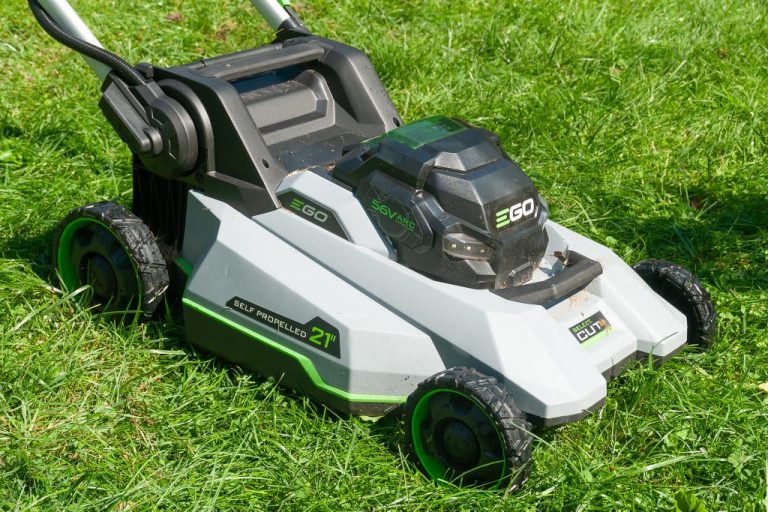
How to Remove the Carburetor from a Lawn Mower: A Simple Tutorial
Have you ever wondered how such a small piece like a carburetor can have such a big impact on your lawn mower’s performance? If you’re ready to tackle a bit of DIY magic, this guide will help you master the art of carburetor removal. Let’s dive in!
Introduction
So, your lawn mower has been sputtering and stalling lately. You might have a carburetor issue on your hands. But fear not! We’re here to share a detailed and straightforward guide on how to remove the carburetor from your lawn mower. It’s like performing a little mechanical surgery that will revive your lawn care champion.
Understanding Carburetors: A Brief Overview
Think of the carburetor as the heart of your lawn mower’s engine. It’s responsible for mixing the right amount of air and fuel to create a combustible mixture. Without this delicate balance, your engine would be as useful as a chocolate teapot in a heatwave. So, before we jump into removal, let’s get acquainted with its function.
Tools Required for the Job
Gathering the right tools is akin to a chef preparing mise en place. You wouldn’t want to start cooking without everything you need, would you? Here’s a list of tools to have on hand:
- Wrench set
- Screwdrivers (flathead and Phillips)
- Socket set
- Needle-nose pliers
- Fuel container
- Rags or towels
- Gloves
Safety Measures to Consider
Ever hear the saying, “Safety first!”? This is crucial when dealing with engine parts. Wear gloves to protect your hands and goggles if you’re removing parts that might come loose. Turn off the engine and let it cool down. We don’t want any burns or accidents during our mechanical adventure.
Preparing Your Lawn Mower
You wouldn’t want to dive into an empty pool, right? Preparation is key. Ensure your lawn mower is positioned on a flat surface and is stable. Block the wheels if necessary to prevent any surprising movements.
Draining Fuel and Disconnecting the Battery
Removing fuel is like ensuring there’s no water in the pool before repairs. First, disconnect the spark plug to prevent accidental starts. Use a fuel container to drain the gas and keep your work area clean and safe.
Locating the Carburetor: Where to Begin
Finding the carburetor is the treasure hunt part of our journey. Usually, it’s nestled beside or under the air filter housing. Consult your mower’s manual if you feel lost—think of it as your treasure map!
Removing the Air Filter Housing
Air filters are like the lungs of your mower. Remove it by unscrewing the housing bolts. Set it aside carefully as it tends to collect dirt and debris, and we don’t want that spilling everywhere.
Disconnecting Fuel Lines: Care and Precision
Here’s where we test our surgeon-like precision. Use needle-nose pliers to gently loosen the clamps on the fuel lines. Be careful! A little gas might spill, so keep those rags handy.
Detaching Linkages and Cables
The carburetor connects to your mower through a series of linkages and cables. Think of it like untying a knot: patient and gentle movements will save the day. Note their positions to ensure a smooth reconnection later.
Loosening Mounting Bolts
Locate the mounting bolts that secure the carburetor. Using your socket set, begin loosening them. Easy does it—the bolts secure the heart of your mower.
Removing the Carburetor: The Moment of Truth
And here we are—lift the carburetor away from its mounts carefully. This is the moment we’ve prepared for, and congratulations, you’ve done it with style!
Inspecting Your Removed Carburetor
Take a good look at the carburetor. Are there visible signs of wear and tear, cracks, or dirt? It may require cleaning or replacement. Just like when a mechanic inspects a car engine, these observations are crucial for a smooth-running mower.
Maintenance Tips for Better Longevity
An ounce of prevention is worth a pound of cure, as they say. Regularly clean your carburetor and replace air filters to enhance performance. Store your mower in a dry place and drain fuel during long dormant periods to keep everything in tip-top shape.
Conclusion
Removing the carburetor from a lawn mower can seem daunting at first, but with preparation, the right tools, and a little patience, even a mechanical novice can perform like a pro. Remember, every little operation is one step closer to reviving your beloved mower and achieving that perfectly manicured lawn.
FAQs
1. Why isn’t my lawn mower starting even after carburetor removal?
If your mower refuses to start, check the spark plug and ensure fuel lines and connections are securely reattached. It could also be due to a faulty carburetor needing repair or replacement.
2. How often should I clean my lawn mower’s carburetor?
Routine carburetor cleaning every season or 25-30 hours of use helps maintain optimal performance and catches potential issues early.
3. Can a damaged air filter affect the carburetor?
Absolutely! A clogged or damaged air filter restricts airflow, leading to rich fuel mixture problems and affecting overall engine performance.
4. Is it possible to replace a carburetor myself?
Yes, with the right tools and a good guide, replacing a carburetor can be a rewarding DIY task. Just ensure compatibility with your mower model.
5. Should I consider professional help for carburetor removal?
If you’re uncertain or lack the tools, seeking a professional can prevent mistakes and ensure the longevity of your lawn mower’s engine.