How to Say Leaf Blower in Spanish: Quick Guide
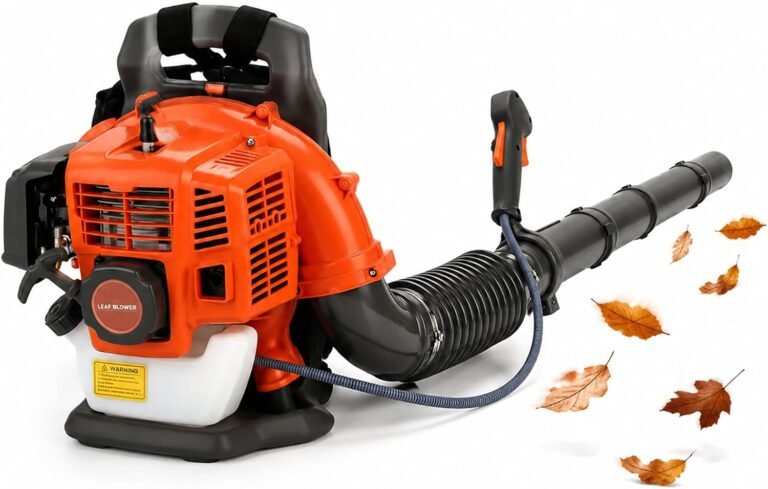
The Spanish word for leaf blower is sopladora de hojas. You might also hear soplador de hojas in some regions, but both mean the same thing.
If you’re shopping for one in a Spanish-speaking store or talking to a neighbor, this is the term you need. We found that Spanish speakers across different countries often use their own slang, so a quick regional check can be handy before you buy.
- Sopladora de hojas is the most universally understood term in Spanish.
- In Mexico, many people simply say “sopladora” when the context is clear.
- In Spain, you’ll often hear “soplador de hojas” instead.
- The verb “soplar” means “to blow,” which is the root of these words.
- You can also say “soplador de viento” in casual conversation, but it’s less precise.
Below, we’ll break down the exact Spanish phrases, regional differences, and a few practical examples so you can use the right term with confidence.
Mastering the Spanish Term for Leaf Blower
The phrase you will use most often is sopladora de hojas. We found that this term works across Mexico, Central America, and much of South America. If you travel to Spain, you will likely hear soplador de hojas instead.
Think of it this way: soplar means “to blow,” and hojas means “leaves.” You are literally saying “blower of leaves.” Once you understand that root, the rest becomes easy to remember.
Why the Gender of the Word Changes
Spanish nouns have genders, and this can confuse English speakers. The word for “blower” can be sopladora (feminine) or soplador (masculine). Both are correct, but they depend on the region and the specific machine.
In Latin America, the machine is often called la sopladora. In Spain, workers commonly refer to el soplador. You will not sound wrong either way, but matching the local habit helps you fit in.
Breaking Down the Word “Sopladora”
The ending -dora usually indicates a machine that performs an action. For example, lavadora means washing machine, and secadora means dryer. So sopladora naturally means “blower machine.”
We found that native speakers drop the word “hojas” when the context is obvious. If you are standing in a garden with leaves everywhere, just say “pasa la sopladora” (pass the leaf blower). Everyone will understand.
Regional Variations Across the Spanish-Speaking World
Spanish is not one single block. Each country has its own flavor. We found that regional slang can change the name entirely in casual conversation.
- Mexico: Sopladora de hojas or simply sopladora.
- Spain: Soplador de hojas, sometimes soplo de hojas.
- Argentina: Sopladora de hojas, but you might hear soplador in hardware stores.
- Caribbean (Puerto Rico, Cuba): Soplador de hojas is common.
- Chile: Soplador de hojas, though some use sopladora.
Our research found that you can use sopladora de hojas almost anywhere without confusion. It is the safest choice for travelers and new learners.
Other Ways to Describe a Leaf Blower
Sometimes you need a backup phrase. Maybe the person you are talking to does not understand the standard term. We found that using a descriptive phrase works well in those moments.
You can say “la máquina para soplar hojas” (the machine for blowing leaves). This is a bit longer, but it is crystal clear. Spanish speakers will appreciate your effort to explain rather than guess.
Using “Soplador de Viento” Carefully
Some people say soplador de viento, which literally means “wind blower.” This term can be confusing because it might refer to a fan or an air pump. We recommend using this only as a last resort.
Imagine telling a friend you bought a “wind blower” in English. They might picture a giant fan, not a yard tool. The same confusion happens in Spanish, so stick to the leaf-specific terms when you can.
Handy Phrases for Real Conversations
You will not just say the word alone. You need full sentences to buy, borrow, or fix a leaf blower. Here are a few practical examples we found useful:
- “¿Dónde está la sopladora de hojas?” — Where is the leaf blower?
- “Necesito comprar una sopladora nueva.” — I need to buy a new leaf blower.
- “¿Me prestas tu soplador?” — Can you lend me your blower?
- “La sopladora no enciende.” — The leaf blower won’t start.
- “¿Cuánto cuesta esa sopladora?” — How much does that leaf blower cost?
These phrases cover most situations you will run into. Practice them a few times, and you will feel ready for a trip to the hardware store.
Vocabulary That Pairs With “Sopladora”
Learning one word is great, but you need a bit more vocabulary to be effective. When you talk about leaf blowers, you will also need words for parts and actions. We put together a small list of related terms that come up often.
| English | Spanish | Pronunciation Hint |
|---|---|---|
| Leaves | Hojas | OH-hahs |
| To blow | Soplar | soh-PLAR |
| Gas | Gasolina | gah-soh-LEE-nah |
| Battery | Batería | bah-teh-REE-ah |
| Power | Potencia | poh-TEN-see-ah |
| Nozzle | Boquilla | boh-KEE-yah |
| Yard | Jardín | har-DEEN |
Using these words together will make your Spanish sound natural. You can say “la boquilla de la sopladora” (the nozzle of the blower) without missing a beat.
How to Ask for a Leaf Blower at a Store
Walking into a hardware store in a Spanish-speaking country can feel intimidating. But with the right phrase, you will be fine. We found that store employees appreciate customers who try the local language.
Start with a polite greeting: “Hola, buenos días.” Then ask your question clearly. You can say, “¿Tienen sopladoras de hojas?” which means “Do you have leaf blowers?”
What to Say When You Need Help
Sometimes you need more than the basic question. You might want a specific brand or a cordless model. Use these follow-up questions to get exactly what you need:
- “¿Tienen sopladoras eléctricas?” — Do you have electric leaf blowers?
- “¿Cuál es la más potente?” — Which one is the most powerful?
- “¿Esta sopladora es a gasolina?” — Is this blower gas-powered?
- “¿Viene con batería?” — Does it come with a battery?
These questions show that you are a serious buyer. Store staff will take the time to help you properly.
If You Need to Return or Exchange
Returns are awkward in any language. But knowing the right words saves you stress. You can say “Quiero devolver esta sopladora” (I want to return this leaf blower).
If the machine is broken, say “Está dañada” (it is damaged). This is direct and honest. Most stores will handle the rest from there.
Understanding Product Labels and Manuals
Once you buy the leaf blower, you will face the manual. Spanish manuals use technical words that are not everyday vocabulary. We found that focusing on a few key terms helps you navigate the instructions.
Look for words like encendido (ignition), apagado (off), and mantenimiento (maintenance). These appear on most machines and in most manuals.
Common Warning Labels
Safety warnings are important. You should know what they say before you start the machine. Common labels include:
- Peligro — Danger
- Advertencia — Warning
- Use protección ocular — Wear eye protection
- No usar bajo la lluvia — Do not use in the rain
Pay attention to these. They keep you safe and prevent accidents. Many experts say that ignoring basic safety labels is the leading cause of yard tool injuries (Consumer Product Safety Commission).
Tips for Learning Spanish Words Quickly
Memorizing one word is easy, but building a vocabulary takes strategy. We found that connecting new words to images works best. Picture the leaf blower in your hand as you say sopladora out loud.
Another trick is to use the word in a sentence immediately. Do not just memorize it. Say “Voy a usar la sopladora” (I am going to use the leaf blower) five times today. Repetition builds memory.
Use Flashcard Apps
Language apps like Anki or Quizlet let you build custom decks. Add sopladora de hojas and related terms. Review them daily for a week. You will be surprised how fast you learn.
We found that short daily sessions work better than long study marathons. Spend five minutes a day on your Spanish vocabulary. That adds up to over 30 hours of practice in a year.
Watch YouTube Videos in Spanish
Seeing and hearing the word in context helps a lot. Search for “sopladora de hojas” on YouTube. Watch a few reviews of leaf blowers in Spanish. You will hear the pronunciation and see the machine at the same time.
This method works because your brain connects the sound to the visual. Many language teachers recommend this technique for practical vocabulary (American Council on the Teaching of Foreign Languages).
Putting It All Together
You now have everything you need to talk about leaf blowers in Spanish. The core word is sopladora de hojas. Use soplador de hojas in Spain. Drop “de hojas” when the context is clear.
Practice the phrases we shared. Use the vocabulary table. Watch a video or two. Before you know it, you will ask for a leaf blower in Spanish without hesitation.
Ready to test yourself? Here is a quick checklist to confirm you are on track:
- I can say sopladora de hojas out loud.
- I know the difference between sopladora and soplador.
- I can ask for a leaf blower in a store.
- I know the word for “leaves” (hojas) and “to blow” (soplar).
- I can say “the leaf blower is broken” in Spanish.
- I understand basic safety labels like Peligro and Advertencia.
Check off each item and you are ready. Spanish speakers will understand you, and you will feel confident in any garden or hardware store conversation. Keep practicing, and soon the words will come naturally.
Conclusion
You now have a clear path to saying leaf blower in Spanish with confidence. The safest bet is sopladora de hojas for most of Latin America and soplador de hojas for Spain.
Just remember the root: soplar means “to blow” and hojas means “leaves.” That simple connection will help you recall the term even if you forget it mid-conversation.
Your next step is simple: pick one phrase from this guide and use it today. Say it out loud a few times. Then try the full sentence “¿Dónde está la sopladora de hojas?” You will be ready for your next trip to the hardware store or a chat with your Spanish-speaking neighbor.
Frequently Asked Questions
What is the literal translation of leaf blower in Spanish?
The literal translation is “blower of leaves.” That gives you sopladora de hojas in most countries. In Spain, you will hear soplador de hojas instead. Both mean the exact same thing.
Is sopladora a feminine or masculine word?
It can be both. Sopladora is feminine and common in Mexico and Latin America. Soplador is masculine and more common in Spain. You will not sound wrong either way, so just pick one and stay consistent.
Can I just say “sopladora” and people will understand me?
Yes, in most cases. If you are standing in a yard with leaves covering the ground, sopladora is enough. Native speakers drop the word “hojas” when the context is obvious. It saves time and sounds natural.
What do they call a leaf blower in Mexico?
In Mexico, the most common term is sopladora de hojas. Many people simply say sopladora in casual conversation. You will also hear soplador in some hardware stores, but sopladora is the friendlier choice.
How do you say “gas leaf blower” in Spanish?
You say sopladora de hojas a gasolina. If you just need the machine, you can say sopladora de gasolina. This clearly tells someone you want the gas-powered model, not an electric or battery version.