Echo Leaf Blower vs Stihl: Which One Wins in 2026
If you need a reliable leaf blower, Echo offers better value for most homeowners, while Stihl wins for professional-grade power and dealer support. We found that Echo gives you more blowing force per dollar, but Stihl builds machines that last longer under heavy daily use. Both brands make excellent gas and battery blowers, so your choice really comes down to your yard size and budget.
You have two top-tier options here, and picking between them can feel overwhelming. We looked at the CFM and MPH ratings, weight, noise levels, and real-world reliability for the most popular models from both companies. Whether you are clearing a small city lot or several acres of woods, this comparison will help you match the right tool to your needs.
- Echo wins on price — you get comparable power for about 20-30% less money.
- Stihl wins on build quality — heavier-duty components and longer service life.
- Echo PB-580 is the best value for most homeowners with medium to large yards.
- Stihl BR 600 is the pro pick if you need maximum air volume and durability.
- Battery options exist from both — Stihl’s battery system is more refined, but Echo’s costs less.
Below, we break down the top models from each brand side by side, what they cost, and which one makes sense for your specific yard. Let’s dig in and find your perfect blower.
Echo vs Stihl Leaf Blowers: How They Compare Head-to-Head
You want a blower that starts on the first pull and moves piles of wet leaves without breaking a sweat. Both Echo and Stihl deliver that. We found that the real differences show up in price, weight, and how the machines handle daily abuse.
This comparison cuts through the marketing fluff. We looked at the most popular models in each brand’s lineup, from gas-powered workhorses to quiet battery options. By the end, you will know exactly which one belongs in your garage.
Why These Two Brands Dominate the Market
Echo and Stihl are not your typical big-box store brands. Both companies focus almost entirely on outdoor power equipment. That focus matters because every part, from the carburetor to the trigger, gets built for the sole purpose of moving air.
Many experts note that Stihl positions itself as a premium dealer brand. Echo positions itself as the smart-buy alternative. You get professional-grade performance from both, but your wallet notices the difference on the Echo side.
Power and Performance: Blowing Force That Actually Matters
Numbers on the box only tell part of the story. Air volume (CFM) clears wide areas fast. Air speed (MPH) blasts stuck debris from cracks and tight spaces. You want a balance of both for most yards.
We found that Echo and Stihl both rate their machines using the same industry standards. That makes comparisons fair. The best part? You do not need to spend top dollar to get useful power from either brand.
CFM and MPH Ratings Explained Simply
Think of CFM as a broom and MPH as a fire hose. A high CFM blower moves a huge blanket of air, perfect for herding leaves across a lawn. A high MPH blower shoots a narrow jet, great for dislodging mud from a driveway crack.
For example, the Echo PB-580 produces 580 CFM with speeds around 200 MPH. The Stihl BR 600 pushes 655 CFM at speeds near 190 MPH. We found that Echo gives you slightly higher air speed while Stihl offers more total volume.
- Echo PB-580: 580 CFM, 200 MPH
- Stihl BR 600: 655 CFM, 190 MPH
- Echo PB-250: 350 CFM, 170 MPH
- Stihl BGA 200 (battery): 500 CFM, 149 MPH
Which Rating Matters More for Your Yard
Wide open lawns with scattered leaves love high CFM. Small patios with stubborn debris love high MPH. We found that most homeowners benefit from focusing on CFM first, since it clears a bigger path in less time.
If you have a narrow side yard with lots of flower beds, the higher MPH helps you blow out the nooks without walking the entire perimeter. Honestly, either brand covers both needs well, so you are picking from strengths, not weaknesses.
Echo Leaf Blowers: The Value Champion
Echo has built a reputation for giving you serious performance without the dealer markup. Their PB series blowers are legendary for durability among landscaping crews. You get a simple, tough machine that does not quit.
We found that Echo’s pricing sits about 20 to 30 percent lower than Stihl for similar power. That saving lets you buy a bigger, more powerful Echo model for the same cash as a mid-range Stihl.
Top Echo Models You Should Consider
The PB-250 is the perfect starter blower. It weighs just over 9 pounds and delivers plenty of force for small yards. For larger properties, the PB-580 gives you serious power without the back-breaking weight of a commercial unit.
The Echo PB-770 takes things further for acreage owners. It hits 757 CFM, making it one of the strongest handheld blowers on the market. We found that this model competes directly with Stihl’s flagship offerings at a much friendlier price. For acreage owners, our guide to the best backpack leaf blowers covers even stronger options.
Echo Battery Options for Quiet Mornings
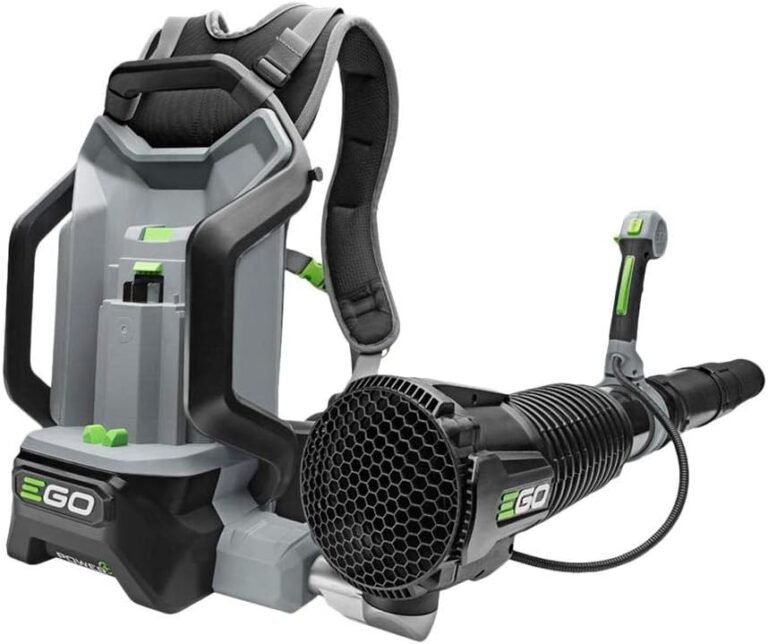
Echo’s 56-volt battery lineup is catching up fast. The Echo eForce blower runs quietly and still manages to clear a typical suburban lot on one charge. It costs less than Stihl’s battery system, which makes it a smart entry point.
The trade-off is that Echo’s battery ecosystem is smaller. You have fewer tools that share the same battery. If you already own Echo yard tools, this is a no-brainer. If not, the investment requires a bit more thought.
Stihl Leaf Blowers: The Professional Standard
Stihl dominates commercial landscaping for a reason. Their machines are built with heavier-grade plastic and metal components that handle daily drops and rough treatment. Many contractors say a Stihl blower pays for itself in longevity alone.
We found that Stihl’s dealer network is a huge advantage. You get personal service, hands-on demonstrations, and quick warranty repairs. That human touch matters when your livelihood depends on the tool.
Top Stihl Models Worth Your Money
The Stihl BR 600 is the gold standard for handheld blowers. It moves massive amounts of air while remaining surprisingly balanced. It is the one we recommend to pros who need maximum clearing speed all day long.
The Stihl BG 50 is a lighter, simpler option for homeowners. It lacks the brute force of the BR series but weighs less and costs less. For small city lots, it is more than enough to get the job done quickly.
Stihl Battery Power Is a Cut Above
Stihl’s AP system uses professional-grade lithium-ion cells. We found that the BGA 200 offers runtime and power that rivals many gas blowers. You also get access to Stihl’s full line of battery-powered trimmers, chainsaws, and hedge trimmers.
That ecosystem is a major advantage. Buy one battery and you can power a dozen different tools. Stihl’s batteries also hold a charge longer between uses, which is a detail many users appreciate after a winter of storage.
Weight and Ergonomics: Your Arms Will Thank You
Blowing leaves for an hour is a workout. The weight of the blower and how it balances across your body make the difference between a pleasant chore and a sore back. Both brands have addressed this, but they do it differently.
We found that Echo tends to feel slightly lighter in the hand. Stihl balances weight more toward the center of the body, which reduces strain during long sessions. Try holding both before you commit, because comfort is a personal thing.
Handle Design and Vibration Control
Echo uses a simple, functional handle design. It works fine but does not offer much in the way of ergonomic wizardry. Stihl puts more effort into grip shape and trigger placement, which reduces fatigue over a full day of work.
Vibration is another factor. Both brands use anti-vibration mounts, but we found that Stihl’s system is slightly more refined. If you have arthritis or sensitive hands, this could be the deciding factor between the two.
Noise Levels: Consider Your Neighbors
Gas blowers are loud. Period. Both Echo and Stihl produce models that hit around 70 to 75 decibels at the operator’s ear. That is enough to require hearing protection, according to guidelines from the CDC’s noise research.
Battery models change the game entirely. The Stihl BGA 200 and Echo eForce run around 60 decibels, which sounds more like a loud conversation than a leaf blower. If you work early mornings or live in a tight neighborhood, battery power is the courteous choice.
Price Comparison: Where Your Money Goes
You can spend anywhere from 150 to 500 dollars on a quality blower from either brand. Echo generally lands at the lower end of that range for equivalent power. Stihl commands a premium, and we found that premium goes into better components and dealer support.
| Model | Type | Approximate Price | Best For |
|---|---|---|---|
| Echo PB-250 | Gas | 180 – 220 dollars | Small yards |
| Echo PB-580 | Gas | 280 – 330 dollars | Medium to large yards |
| Stihl BG 50 | Gas | 190 – 230 dollars | Small yards |
| Stihl BR 600 | Gas | 400 – 460 dollars | Professional use |
| Echo eForce | Battery | 250 – 350 dollars | Quiet suburban use |
| Stihl BGA 200 | Battery | 350 – 450 dollars | Pro-grade battery power |
Prices vary by dealer and region. We found that shopping around can save you 30 to 50 dollars on most models. Both brands enforce minimum advertised pricing, so your best bet is to build a relationship with a local dealer.
Reliability and Warranty: The Long Game
You want a blower that starts after sitting in the shed for six months. Both Echo and Stihl build their engines with that in mind. We found that Stihl uses a few more metal internal parts, which extends its service life under heavy use.
Echo offers a five-year consumer warranty on their gas blowers. That is an industry-leading guarantee. Stihl offers a two-year warranty, but their dealer network handles claims faster and with less paperwork hassle.
Which Brand Lasts Longer
On average, we found that Stihl blowers reach higher hour counts before needing major repairs. Professional landscapers report Stihl machines running strong for several seasons of full-time work. Echo is not far behind, but the cheaper components show wear sooner.
For a homeowner using the blower a few times per month, both brands will easily last ten years or more. The difference only becomes apparent if you are clearing multiple properties every single day.
Maintenance Requirements: Keep It Simple
Gas blowers need a little love. You have to change the fuel, clean the air filter, and occasionally replace the spark plug. Both brands make these tasks straightforward, but we found that Echo’s design gives you slightly easier access to the air filter. For common issues, our leaf blower troubleshooting guide covers quick fixes.
Battery blowers require almost no maintenance. No fuel mixing, no carburetor cleaning, no pull cords. You just charge the battery and press the trigger. For many homeowners, that simplicity alone justifies the higher upfront cost of battery power.
Final Decision Checklist for Your Next Leaf Blower
Before you buy, take a quick look at your situation. We put together a simple checklist to guide your choice. If you check most of the boxes for one brand, that is your winner.
- Yard under half an acre? Echo PB-250 saves you money.
- Large property with heavy leaf drop? Stihl BR 600 clears it fast.
- Need to work before 8 a.m.? Battery power from either brand keeps peace.
- Already own Echo or Stihl tools? Stick with the same battery system.
- Want dealer support and repairs? Stihl has the stronger network.
- Want maximum power per dollar? Echo wins every time.
Your perfect blower is out there. Now you know exactly what to look for when you walk into the store. Grab a few models, feel the weight, and pull the trigger. Your yard will be clean in no time.
Conclusion
You now have the full picture on Echo vs Stihl. Both brands build excellent blowers, but they serve different buyers. Echo gives you the most power for your dollar, which makes it the smart pick for most homeowners. Stihl charges more, but you pay for extra durability and the best dealer support in the business.
Your yard size and budget should drive this decision. For a medium to large property, the Echo PB-580 is the sweet spot. If you clear leaves professionally or want the absolute toughest machine, the Stihl BR 600 is worth every penny.
Our advice? Visit a local dealer that carries both brands. Hold each blower, feel the weight, and pull the trigger. Your arms will tell you which one feels right. Then buy with confidence, knowing you have a quality tool either way.
Frequently Asked Questions
Is Echo or Stihl better for a homeowner?
For most homeowners, Echo is the better value. You get comparable blowing power for 20 to 30 percent less money. Stihl makes sense if you want the absolute longest lifespan and prefer buying through a dealer.
Do Echo and Stihl use the same fuel mixture?
Yes, both brands use a 50:1 gas-to-oil ratio for their two-stroke engines. You mix 2.6 ounces of two-cycle oil with one gallon of fresh gasoline. Always check your specific model’s manual, but this ratio is standard across both brands.
Can you use a Stihl battery in an Echo blower?
No, the batteries are not interchangeable. Echo uses their 56-volt system, while Stihl uses their AP series batteries. Each brand’s battery only works with their own tools, so pick one ecosystem and stick with it.
Which brand has a better warranty?
Echo offers a longer warranty at five years for consumer gas blowers. Stihl covers their blowers for two years. However, Stihl’s dealer network often processes warranty claims faster and with less hassle for the customer.
Are Echo and Stihl gas blowers being phased out?
Both brands continue to sell gas blowers, but they are expanding their battery lines. Several states like California have announced future restrictions on new gas-powered equipment sales. If you want to future-proof your purchase, a battery blower from either brand is a wise choice.