Best Leaf Blower for Home Use in 2026
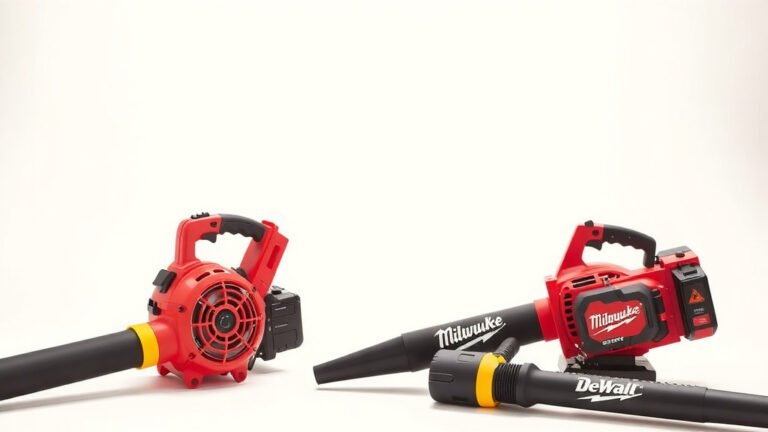
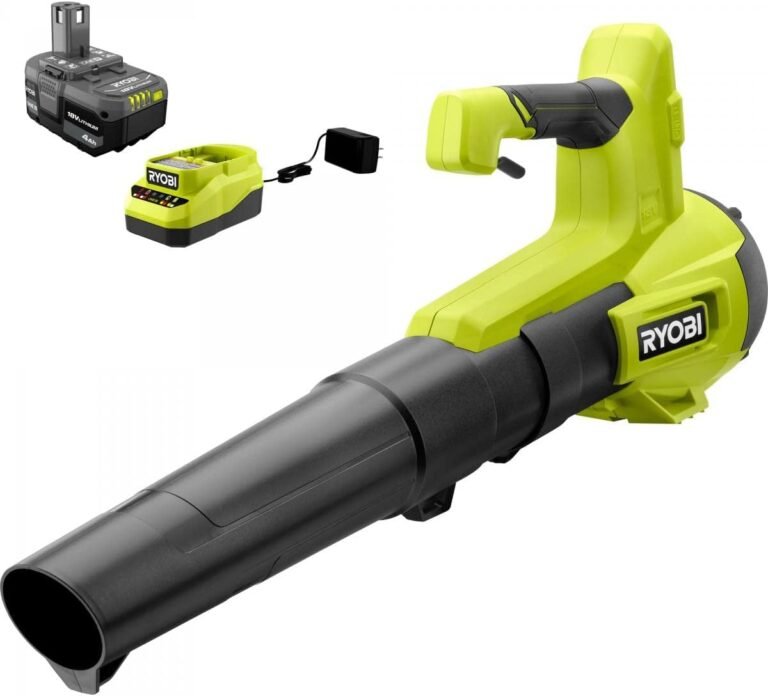
The best leaf blower for home use is a cordless battery model with at least 18 volts and a brushless motor. We found that this type gives you enough power for most yards without the hassle of cords or gas. It is lightweight, quiet, and ready to go whenever you are.
Choosing the right blower depends on your yard size, the number of trees, and how much storage space you have. We looked at what real homeowners need, not just what works for commercial landscapers. Whether you are clearing a small patio or a half-acre lot, the goal is the same: get the job done fast without killing your back.
- Battery blowers are best for most homes under a half-acre.
- Gas blowers offer more power but require more maintenance and noise.
- Electric corded blowers are cheapest but limit your range.
- Look for at least 18 volts and a brushless motor for reliable power.
- Consider a variable speed trigger for more control on delicate areas.
Below, we break down the best leaf blower types for home use and what to look for before you buy. Let’s walk through the simple details so you can pick the perfect one for your yard.
Choosing the Right Leaf Blower for Your Home Yard
You do not need a massive commercial machine to clean up your driveway. We found that the sweet spot for most homeowners is a cordless battery model that weighs under 10 pounds.
Think about your yard as a daily chore, not a landscaping business. If you are pushing a blower around for 20 minutes, you want something that starts instantly and does not pull your arm out of its socket.
Why Battery Power Wins for Most People
Battery technology has improved a lot in recent years. We found that modern lithium-ion batteries hold a charge longer and deliver consistent power until they die.
You get the freedom to walk anywhere without a cord. Plus, you skip the hassle of mixing gas and oil. Many experts say that for yards under half an acre, a battery blower is the practical choice (Consumer Reports).
Voltage and Runtime Explained
Look for a blower with at least 18 volts. We found that 20-volt and 40-volt models offer the best balance of power and weight for home use.
Runtime varies by brand. Most blowers run for 15 to 30 minutes on a full charge. If you have a bigger yard, buy a second battery so you can swap them out quickly.
The Brushless Motor Advantage
Brushless motors are more efficient than older brushed motors. They generate more power, run cooler, and last longer.
We found that blowers with brushless motors deliver up to 50% more runtime per charge. That means you finish the job without waiting for a recharge.
When Gas Still Makes Sense
If you have a large property with heavy leaf coverage, gas blowers pack a serious punch. They move more air and handle wet, matted leaves without bogging down.
But gas blowers are heavy and loud. You will need to store fuel and perform regular maintenance like changing spark plugs and air filters. We found that most homeowners prefer to avoid that extra work.
Corded Electric Blowers on a Budget
If you have a small patio or a tiny yard, a corded blower is the cheapest option. They are lightweight and provide unlimited runtime as long as you are near an outlet.
The downside is the cord. You will constantly watch where you are going, and you might need an extension cord rated for outdoor use. We found that corded blowers work fine for quick jobs under 15 minutes.
Key Features to Look For Before You Buy
Not all blowers are created equal. We found that a few simple features make a big difference in daily usability.
You want a tool that feels comfortable in your hands and gives you control over the air speed. Let us break down the features that matter most.
Variable Speed Trigger and Cruise Control
A variable speed trigger lets you squeeze lightly for gentle work around flower beds. Pull fully for heavy leaf piles on the lawn.
Many models also include a cruise control button. You can lock the speed without holding the trigger, which saves your finger from fatigue during longer sessions.
Weight and Balance Matter
You will hold this machine for extended periods, so weight is a big deal. We found that blowers under 7 pounds are easiest to manage for most adults.
Look for a design with the battery mounted at the rear. That balances the weight better and reduces strain on your wrist and forearm.
Noise Levels You Can Live With
Battery blowers are noticeably quieter than gas models. They usually register between 60 and 70 decibels, similar to a normal conversation.
Gas blowers can hit 90 decibels or more. That is loud enough to cause hearing damage with prolonged exposure (CDC). If you value your ears and your neighbors’ sanity, go battery.
Airflow and Speed Numbers
Manufacturers list two numbers: cubic feet per minute (CFM) and miles per hour (MPH). CFM measures volume, and MPH measures speed.
For home use, look for at least 400 CFM and 100 MPH. We found that these numbers handle most leaves on grass and pavement without trouble.
Comparing the Three Main Types Side by Side
Sometimes it helps to see everything in one place. We put together a quick comparison so you can spot the differences at a glance.
| Feature | Battery Cordless | Gas Powered | Corded Electric |
|---|---|---|---|
| Best Yard Size | Under half an acre | Half acre or larger | Small patios and walkways |
| Weight | 5 to 10 pounds | 10 to 15 pounds | 4 to 8 pounds |
| Noise Level | Quiet (60-70 dB) | Loud (90+ dB) | Moderate (70-80 dB) |
| Maintenance | Minimal | High (fuel, spark plugs) | Very low |
| Power | Good for most leaves | Excellent for heavy debris | Good, but limited by cord |
| Convenience | Portable and instant start | Requires fuel mixing | Limited range |
We found that battery blowers offer the best mix of convenience and power for typical home use. They are quiet enough for early morning cleanups and light enough to carry with one hand.
Simple Steps to Pick the Perfect Blower
Now that you know the basics, let us simplify the decision. Use this checklist when you shop online or at the store.
- Measure your yard size and count the number of trees you have.
- Choose battery power if your yard is under half an acre.
- Pick a model with a brushless motor for better efficiency.
- Look for a variable speed trigger for better control.
- Check the weight and hold it if possible before buying.
- Consider buying an extra battery for longer runtime.
We found that following these six steps leads to a blower you will actually enjoy using. You will not dread fall cleanup anymore.
Getting the Most Out of Your Leaf Blower
Once you have your blower, a few simple habits will keep it running for years. Proper care is easier than you think.
Battery Care and Storage Tips
Store your battery at room temperature, not in a hot garage or freezing shed. Extreme temperatures shorten battery life.
Do not leave the battery fully drained for long periods. We found that charging it to about 50% for storage keeps it healthy between seasons.
Clearing Techniques That Save Time
Work in one direction, starting from the far side of your yard. Blow leaves toward a central pile instead of chasing them around.
Use a high-speed setting for wet, heavy leaves. Switch to a lower speed when working near gravel or flower beds to avoid scattering mulch.
When to Use Accessories
Many blowers come with a concentrator nozzle for tight spaces. That narrows the air stream and helps move stubborn debris stuck in corners. Our guide to using a leaf blower to clean your gutters shows the right attachments and technique.
Some models include a vacuum attachment for collecting leaves. We found that this works well for small piles but fills up quickly on larger jobs.
Safety First in Your Yard
Leaf blowers are safe tools, but you still need some basic precautions. Protect yourself so you can enjoy your yard for years to come.
Protect Your Hearing and Lungs
Even battery blowers can get loud over time. The CDC recommends hearing protection for any tool above 85 decibels.
Wear safety glasses to keep dust and debris out of your eyes. If you have allergies, consider a simple dust mask while you work.
Mind Your Posture
Keep your back straight and use your legs to move around. Do not twist your torso while blowing, as that can strain your lower back.
We found that taking a quick break every 10 minutes helps prevent fatigue. Your arms and shoulders will thank you later.
Remember that you are cleaning your yard, not competing in a race. Take your time, use good form, and you will finish feeling good about the work.
Conclusion
Picking the best leaf blower for home use comes down to matching the tool to your yard. For most of you, a cordless battery model under 10 pounds is the smart buy. You get enough power for leaves, quiet operation, and zero maintenance headaches.
We found that a brushless motor with at least 18 volts handles typical suburban lots with ease. Skip the gas if you value your hearing and your weekends. Skip the cord if you hate tripping over extension cables.
Your next step is simple. Measure your yard, check the tree count, and grab a battery blower with a variable speed trigger. You will finish fall cleanup in half the time and actually enjoy the job.
Frequently Asked Questions
How long does a battery leaf blower last on a single charge?
Most battery blowers run between 15 and 30 minutes on a full charge. You can extend that by using a variable speed trigger and backing off the power when you do not need full blast. For bigger yards, we recommend buying a second battery so you can swap and keep working.
Is a leaf blower worth it for a small yard?
Yes, absolutely. Even a small patio or walkway collects leaves, grass clippings, and dirt. A lightweight battery blower makes quick work of those cleanups. You will save your back from sweeping and finish the job in minutes instead of half an hour.
Can I use a leaf blower on wet leaves?
Battery blowers can handle slightly damp leaves, but they struggle with heavy, matted piles. You will need higher CFM and MPH numbers to move wet debris effectively. For really soaked leaves, wait for them to dry out a bit. Gas blowers handle wet leaves better, but they come with extra noise and maintenance.
What is the difference between CFM and MPH on a leaf blower?
CFM measures the volume of air moving through the nozzle. MPH measures how fast that air travels. You want a balance of both for home use. We found that 400 CFM and 100 MPH is a solid target for clearing most lawns and driveways without issues.
Do I need to wear ear protection with a battery leaf blower?
Battery blowers run between 60 and 70 decibels, which is quieter than gas models. That said, prolonged exposure to any tool noise can fatigue your ears. If you are blowing for more than 15 minutes, throwing on a pair of ear muffs is a smart move. Your hearing is worth protecting.