How to Choose the Right Leaf Blower Size for Your Yard
You need a leaf blower with at least 400 CFM of air volume for most yards, but your lot size and what you are blowing matter just as much. For a typical quarter-acre property, a 400-500 CFM handheld model gets the job done. For larger yards or heavy wet leaves, you will want a backpack blower pushing 600 CFM or more.
Choosing the right size is not just about power. It is about matching the machine to your specific needs without wasting money or struggling with a tool that is too heavy. Leaf blower sizing comes down to your yard’s square footage, the types of debris you clear, and whether you prefer a lightweight handheld unit or a powerful backpack model. We found that most homeowners overestimate the power they need, which means they pay more and carry extra weight for no reason.
- CFM (air volume) moves leaves, not speed alone. It is the most important number to check.
- Handheld blowers (400-500 CFM) handle small to medium yards up to a quarter acre.
- Backpack blowers (600+ CFM) are best for half-acre-plus properties and heavy leaf piles.
- Electric blowers are lighter and quieter but cordless models run out of battery fast on big jobs.
- Gas blowers offer unlimited run time, but they are louder and need more maintenance.
Below, we break down exactly how to match the right blower size to your yard, debris, and budget, so you can make a confident choice the first time.
Matching a Leaf Blower to Your Yard Size
Your yard’s square footage is the single best starting point for sizing a blower. We found that most people buy too much power for their space, which means extra cost and extra weight. Start with your lot size, and you will narrow down your options fast.
Think of it like picking a car for your commute. A tiny sports car is fun but impractical for hauling lumber. A work truck is overkill for a quick trip to the store. You want the right tool for the actual job you do every week.
Small Yards: Up to a Quarter Acre
If you are working with less than a quarter acre, a basic handheld blower is your sweet spot. You need about 400 CFM of air volume to move typical dry leaves off grass and hard surfaces. This size is light enough to hold for 20 to 30 minutes without arm fatigue.
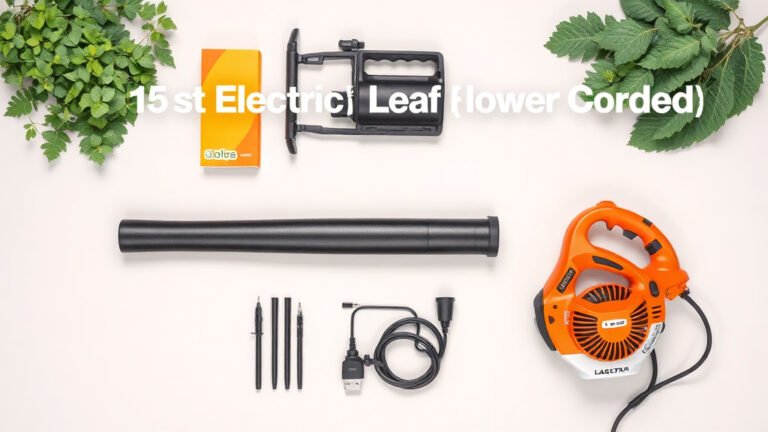
A corded electric model makes sense here if you have outdoor outlets. You get unlimited run time and consistent power without battery anxiety. Many guidelines point to corded electric as the most reliable option for small properties (Consumer Reports).
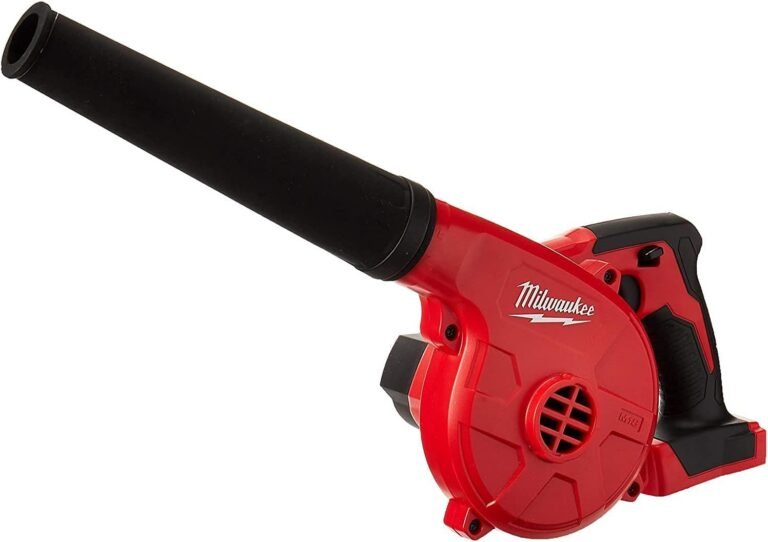
Battery-powered handhelds also work well for these smaller spaces. Just know that you will likely get 15 to 25 minutes of real work per charge. That is usually enough for a small yard, but not much more.
What About Tiny Patios and Walkways?
For patios, driveways, and sidewalks, you do not need a leaf blower at all. Many people get by with a simple broom. But if you want a blower, even a 200-300 CFM compact model handles light debris on hard surfaces.
We found that smaller blowers are great for garages, porches, and car interiors. They are cheap, light, and easy to store. Do not let anyone talk you into a giant machine just for these small jobs.
Medium Yards: Quarter to Half Acre
Once you cross the quarter-acre mark, you need a step up in power. A handheld blower in the 400-500 CFM range still works, but you want a higher-end model. Look for variable speed triggers and cruise control features to reduce hand strain.
Battery options in this class have improved a lot. We found that modern 40V and 60V systems can keep up with medium yards on a single charge. But if your grass is thick or your leaves are heavy, a gas handheld gives you more consistent push.
At this size, you might also start considering a backpack blower. Even if you do not need the power, the weight distribution on your back feels better. Some homeowners prefer a backpack just for comfort, not raw strength.
Backpack Blowers for Larger Properties
When your lot hits half an acre or more, handheld blowers start to struggle. You need a backpack blower with 600 CFM or more to move leaves efficiently. The extra air volume clears grass faster and pushes heavier piles without bogging down.
We found that backpack blowers reduce fatigue during extended use. The engine sits on your back, and the tube extends forward. Your arms stay free and relaxed, which makes a huge difference after 45 minutes of work.
Many experts say that a 600-700 CFM backpack blower is the sweet spot for most residential properties. The shoulder straps and back padding distribute weight well, and the power handles nearly any leaf situation you will face.
When to Choose a 700+ CFM Model
Even bigger backpack blowers exist, pushing 750 to 900 CFM. These are for large, heavily treed properties or commercial work. If you have an acre or more with mature trees, this extra power saves you real time each season.
High-CFM blowers also handle wet, matted leaves that stick to the ground. That soggy pile that refuses to budge with a smaller unit is no match for serious air volume. If you hate waiting for leaves to dry, consider this class.
A word of caution: these big blowers are loud and physically demanding. They are not toys. You need earmuffs and potentially eye protection. But for the right user, nothing else compares.
Air Speed vs. Air Volume
CFM measures air volume, which is how much air moves per minute. MPH measures air speed, which is how fast that air exits the nozzle. Both matter, but they do different jobs.
High CFM is what moves piles of leaves across your lawn. High MPH is what dislodges wet leaves stuck to the ground or blows debris out of tight corners. You want a balance of both, weighted toward CFM for clearing leaves.
Most quality blowers list both numbers on the box. We found that 400+ CFM with 150+ MPH is a solid combination for residential use. If you must choose, prioritize CFM, especially for fall leaf cleanup.
Fuel Type and How It Affects Power Needs
Gas, corded electric, and battery blowers each deliver power differently. Your choice impacts how big a blower you need, even within the same CFM rating. Let’s break down the real-world differences.
Gas blowers deliver consistent full power the entire time you run them. They are the strongest option for backpack models. But they are heavier, louder, and need fuel mixing and maintenance.
Electric blowers (both corded and battery) are quieter and start instantly. You push a trigger and go. The trade-off is run time for battery models and cord length for corded ones.
Battery Limits You Should Know
Battery blowers are popular, and for good reason. They are light, quiet, and easy to handle. But their battery life is the hidden catch. We found that most batteries only last 15 to 30 minutes under heavy load.
That is fine for a small or medium yard. But if you need 45 minutes of continuous blowing, you will burn through two or three battery packs. That adds significant cost to the purchase, turning a cheap blower into an expensive one.
Check the amp-hour (Ah) rating on any battery blower you consider. Higher Ah means longer run time but also heavier batteries. For medium yards, look for at least 4Ah. For larger areas, you want 6Ah or backup batteries.
Gas Blowers Give Unlimited Run Time
If you have a big yard and do not want to stop for recharges, gas is still the champion. A full tank runs 30 to 60 minutes depending on the model. You refill at the gas can and keep going for hours.
The downside is noise. Many communities now restrict gas blower use during certain hours. Check your local rules before buying. We found that noise complaints are the number one issue with gas blowers in residential areas.
Some newer gas models are quieter and cleaner-burning than older ones. But none approach the silence of electric. If you have close neighbors, factor that into your decision.
What You Are Actually Blowing Matters
Leaves are not all the same. Dry oak leaves are light and easy to move. Wet maple leaves are heavy and cling to grass. Maple seed pods and acorns add another layer of difficulty.
Your debris type can push you up a size class. If you only clear dry leaves in October, a 400 CFM handheld works great. If you fight wet leaves and pine cones all season, you need more muscle.
Heavy Debris and Wet Leaves
Wet leaves can double or triple in weight. A blower that works fine on dry leaves bogs down immediately on wet ones. You need higher CFM to keep the air stream moving despite that added weight.
We found that a 500-600 CFM blower handles wet leaves far better than a 400 CFM unit. The extra volume keeps the air moving through dense piles. If you know you will deal with moisture, buy at least one size up.
Acorns, small twigs, and gravel need high MPH more than high CFM. The fast air stream knocks them loose from surfaces. For these jobs, look for blowers with a speed rating of 160 MPH or higher.
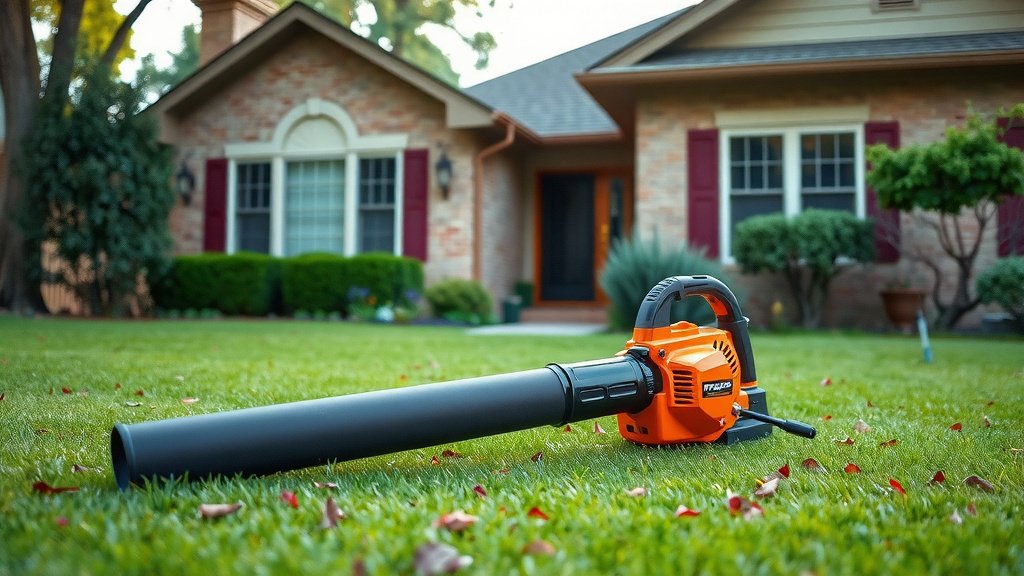
Comparing Blower Types Side by Side
To keep things simple, here is a quick comparison of the main blower types. This helps you see your options at a glance before you shop.
| Blower Type | Best Yard Size | CFM Range | Best For |
|---|---|---|---|
| Corded Electric | Up to quarter acre | 200-400 | Small yards, no battery worries |
| Battery Handheld | Up to quarter acre | 300-450 | Light yard, garage, patio |
| Gas Handheld | Quarter to half acre | 400-500 | Medium yards without cords |
| Battery Backpack | Half acre | 500-600 | Quiet power with occasional use |
| Gas Backpack | Half acre plus | 600-900 | Big yards, heavy leaves, commercial |
This table assumes typical conditions. You might need to move up a category if you have dense trees or steep terrain. You might move down if your yard is mostly hardscaping.
Ergonomics: Size Is More Than Power
The physical weight and balance of your blower matter just as much as its CFM. A powerful blower is useless if your arms give out after ten minutes. You must consider how the machine feels in your hands.
Handheld blowers weigh anywhere from 5 to 12 pounds. The heavier ones strain your wrists and forearms during extended use. We found that most people underestimate how tired their arms get from holding a blower at a slight angle.
Backpack models put the weight on your hips and shoulders instead of your arms. This design reduces fatigue significantly. For anything over 30 minutes of work, a backpack blower is a smart investment.
Vibration and Hand Strain
Gas blowers vibrate, and that vibration transfers to your hands. Over time, this can cause discomfort or even tingling. Look for models with anti-vibration mounts or padded grips.
Electric blowers generally vibrate less than gas ones. This makes them more comfortable for people with arthritis or hand sensitivity. Research has noted that prolonged vibration exposure can cause issues (NIOSH). So, you have a real reason to prioritize comfort.
Try before you buy if you can. Visit a store and pick up the blowers you are considering. Notice how the weight feels in your hands. Imagine holding it out at chest height for ten minutes. That quick test tells you more than any spec sheet.
Your Final Sizing Checklist
Before you hit buy, run through this quick checklist. It pulls everything together into simple yes or no questions and ensures you get the right size the first time.
- Is your yard under a quarter acre? A 400 CFM handheld is plenty.
- Do you have a half acre or more? Go for a backpack with 600+ CFM.
- Do you clear wet leaves frequently? Add 100 CFM to your base size.
- Is your yard full of hardscapes like patios and walkways? Prioritize MPH over CFM.
- Do you need over 30 minutes of run time? Choose gas or corded electric.
- Do you have small shoulders or back issues? Try a lighter battery model first.
Answering yes to any of these last three questions might change your choice. That is okay. You want the blower that fits your life, not one that just looks good on paper.
Remember that you can always rent a bigger blower for fall cleanup season. Many hardware stores offer daily or hourly rentals. That is a great way to test a powerful unit before committing.
We found that home improvement stores often let you compare models side by side during demos. Take advantage of these events. The hands-on experience will teach you more than any online review.
Conclusion
Picking the right leaf blower comes down to your yard size, the debris you face, and how long you plan to work. A 400-500 CFM handheld handles most quarter-acre yards with ease. If you have half an acre or more, step up to a backpack blower with 600 CFM or better.
Don’t overspend on power you will not use. You will just carry extra weight and pay more for nothing. Check your local noise rules, especially if you are leaning toward gas. And always keep wet leaves or heavy debris in mind, because they change your needs fast.
Your next step: Measure your yard, grab the checklist above, and pick the smallest blower that fits your real conditions. You will save money and finish the job without sore arms.
Frequently Asked Questions
Is a 400 CFM leaf blower enough for a standard suburban yard?
Yes, for most quarter-acre lots, 400 CFM gets the job done. You can clear dry leaves off grass and hard surfaces without much trouble. If you have thick trees or wet leaves, bump up to 500 CFM for more confidence.
What is the difference between CFM and MPH, and which one matters more?
CFM is the volume of air moving, and MPH is how fast it travels. CFM is what stacks and pushes piles of leaves across your lawn. MPH helps dislodge wet leaves or debris stuck in tight corners. For general leaf cleanup, prioritize CFM.
Will a battery leaf blower work for a half-acre yard?
You can make it work, but you will likely need multiple batteries. Most battery blowers run 15 to 30 minutes under heavy load. Look for a high amp-hour battery or a second pack so you do not stop halfway through the job.
How do I know if I need a backpack blower instead of a handheld?
If your arms get tired after 15 minutes, or your yard takes over 30 minutes to clear, go with a backpack. The weight sits on your hips and shoulders, not your wrists. It is a comfort upgrade as much as a power upgrade.
Are gas leaf blowers still worth buying in 2025?
Yes, gas blowers still win on pure power and run time, especially for large properties. The trade-offs are noise, weight, and maintenance. Check your local restrictions before buying, since many towns now limit gas blower hours.