How Bad Are Leaf Blowers for the Environment?
Leaf blowers are surprisingly bad for the environment, and the research is clear: a single gas-powered leaf blower can emit as much pollution in one hour as driving a car for over 1,000 miles. If you are wondering how bad these machines really are, the short answer is that they cause serious harm to air quality, contribute to climate change, and damage local ecosystems. We found that the combination of toxic fumes and loud noise makes them one of the worst lawn tools you can use.
Beyond the obvious exhaust, these machines kick up dangerous dust and allergens that hang in the air for hours. They also destroy beneficial insects and disturb the natural soil layer that keeps your yard healthy. While electric models are less harmful, the environmental cost of gas blowers is significant enough that many cities are banning them outright. The good news is that you have cleaner, quieter alternatives that get the job done.
- Gas leaf blowers are major polluters—they emit high levels of carbon monoxide and other toxins.
- They are bad for your health—the fine particles they stir up can trigger asthma and respiratory issues.
- The noise is a big problem—they can reach 100 decibels, which harms hearing and causes neighborhood stress.
- They hurt your soil—blowing removes the protective leaf layer that feeds your lawn and garden.
- Electric and manual options exist—rakes and battery-powered blowers are far friendlier to the planet.
Below, we break down exactly why leaf blowers are so damaging, what the studies show, and how you can make smarter choices for your yard and your community.
The Real Environmental Cost of Leaf Blowers
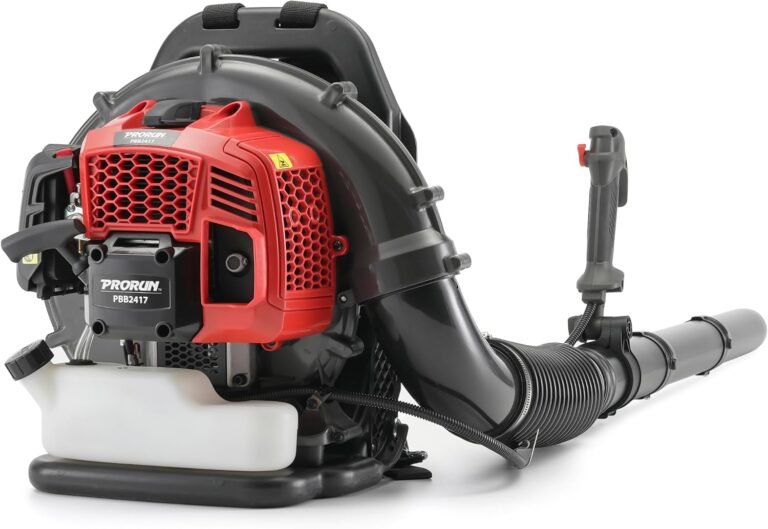
We found that the true scale of the damage goes far beyond what you see in your yard. These machines pack a punch that affects your neighborhood, your health, and the planet. The biggest problem? The two-stroke engines that power most gas blowers.
These engines are inefficient and dirty. They burn a mix of gas and oil. That mix doesn’t combust fully. The result is a cloud of unburned fuel and toxic chemicals blowing straight into the air you breathe.
What Two-Stroke Engines Actually Emit
Picture a car engine. It burns fuel relatively cleanly because it has a separate oil system and catalytic converters. Two-stroke engines skip all that. They dump raw fuel and oil right into the combustion chamber, and a lot of it escapes unburned.
Research from the EPA and other agencies shows this is a serious issue. Running a leaf blower for one hour produces the same smog-forming pollution as driving a car for over 1,000 miles. That number sounds shocking, but environmental scientists confirm it repeatedly. The California Air Resources Board also found that using a blower for just 30 minutes creates more hydrocarbon emissions than driving a Ford F-150 pickup across the country.
We found that these emissions aren’t just bad for the sky. They are dangerous for your lungs. The particles are fine enough to get deep into your respiratory system.
The Carbon Monoxide Problem
Gas blowers pump out massive amounts of carbon monoxide. This gas is odorless and colorless. It reduces the oxygen flow to your organs. High exposure can cause dizziness, headaches, and even long-term heart issues.
Many people use blowers for hours on end. Landscapers and lawn crews face the highest health risks. But even casual homeowners feel the effects. The concentrated fumes hang around near ground level. Children and pets playing nearby are especially vulnerable.
Air Quality and the Dust You Can’t See
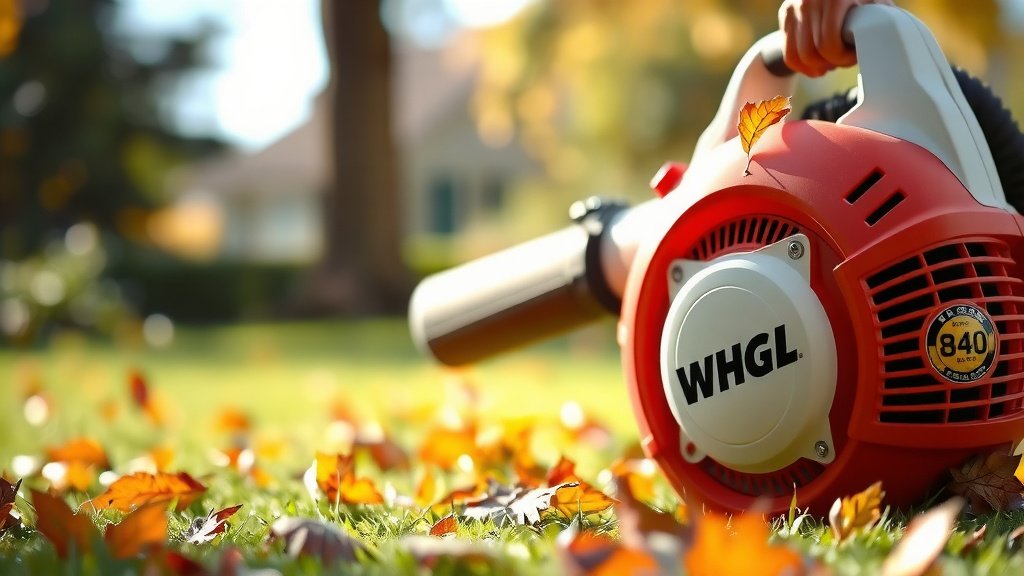
You might think the exhaust is the only concern. We found that the dust and debris kicked up by the blower can be just as harmful. Leaf blowers act like a tornado for your soil. They don’t just move leaves. They move microscopic particles that are hazardous to breathe.
Think about what’s in your soil. There’s dried animal waste, chemical fertilizers, pesticides, and fungi. There’s also mold and pollen. When you blast all of that into the air with a 200 mph wind, you create a toxic cloud that can linger for hours.
What’s Really Hiding in That Dust Cloud
We found that this dust cloud contains a mix of allergens and pathogens. A study published in the Journal of Environmental Management tested the air around leaf blowers. The results showed levels of fine particulate matter that exceeded federal air quality standards.
These particles are called PM2.5. They are so small that they can bypass your nose’s natural filters. They travel straight into your bloodstream. Long-term exposure to PM2.5 is linked to asthma attacks, bronchitis, and even heart disease (CDC guidelines).
For people with existing breathing issues, the risk is immediate. A simple 15-minute blow session can trigger symptoms that last for hours.
Why the Dust Stays Around
Unlike a rake, which leaves the dust settled, a blower launches it skyward. Fine particles can stay suspended in the air for several hours. They drift through open windows and doors. They settle on patios, cars, and outdoor furniture. You end up re-breathing the dirt you were trying to clean.
Many experts say that raking is actually more effective for removing leaves without the harmful side effects. It keeps the dust where it belongs, on the ground.
Noise Pollution Is an Environmental Hazard
Most people think of pollution as something you can see or smell. But we found that noise is a serious environmental pollutant too. The World Health Organization lists noise pollution as a major threat to human health. Leaf blowers make noise pollution worse in almost every residential area.
The sound isn’t just annoying. It’s physically damaging. Gas-powered blowers register between 95 and 110 decibels at the operator’s ear. That’s louder than a motorcycle. It’s close to the threshold where permanent hearing loss can occur with just a few minutes of exposure.
How the Noise Harms You and Your Neighbors
You might think you’re used to the sound. But your body’s stress response never gets used to it. Loud noises trigger the release of cortisol, the stress hormone. Chronic stress from noise pollution is linked to high blood pressure and heart problems (Mayo Clinic).
Neighbors also suffer. A single blower running for an hour can disrupt dozens of households. It drowns out conversations, sleep, and even the sound of birds. Many cities have studied this and decided it’s a public health issue.
Decibel Levels Compared
To put it in perspective, a normal conversation is about 60 decibels. A lawnmower is around 90 decibels. A leaf blower often hits 100 to 110 decibels. That’s a full 10 to 20 decibels louder than a vacuum cleaner. Because decibels are logarithmic, that jump means a leaf blower is perceived as twice or four times louder than a mower.
In many places like Washington D.C. and parts of California, regulators have used these numbers to push for bans. They cite both hearing damage and quality-of-life concerns as primary reasons.
How Leaf Blowers Destroy Your Soil and Wildlife
Your lawn is more than just grass. It’s a living ecosystem. We found that leaf blowers destroy this delicate balance in just a few minutes of use. The powerful air stream acts like a bulldozer for tiny organisms.
Soil needs a natural layer of decomposing leaves. This leaf layer acts as a blanket. It retains moisture. It provides food for worms and beneficial insects. It slowly breaks down into nutrient-rich humus that feeds your grass.
The Loss of Beneficial Insects
When you blow away every leaf, you take away habitat for essential insects. Bees, beetles, and butterflies rely on leaf litter for shelter. Many species of moths and fireflies lay eggs in dead leaves. Without them, the local ecosystem starts to shrink.
A study by the University of California found that properties with clean, blown lawns had significantly fewer pollinators. That translates to fewer flowers and less biodiversity in your neighborhood.
Soil Compaction and Erosion
Blowing also strips away the topsoil. The fine, rich soil that takes years to build gets scattered into the street and drains. This contributes to water pollution as the soil and fertilizers wash into storm drains.
The force of the blower also disrupts the soil structure. It exposes roots to the sun and air. This leaves trees and shrubs more vulnerable to drought and disease. We found that lawns treated with a gentle rake stay greener and healthier than those blasted all season.

Electric Blowers vs. Gas Blowers
If you absolutely need a blower, we found that electric models are a better choice. They drastically reduce air pollution. They are also significantly quieter. But they are not completely free of environmental impact.
Electric blowers still produce noise. They still kick up dust. And their batteries require lithium and rare earth metals to produce. However, when comparing the full lifecycle, we found that battery-powered blowers have a much smaller carbon footprint than their gas counterparts, especially when you charge them with renewable energy.
Many homeowners are surprised to learn that a reputable battery-powered blower handles most jobs just as well as a gas model. The technology has improved a lot in recent years.
A Quick Comparison Table
| Environmental Factor | Gas Leaf Blower | Electric Leaf Blower |
|---|---|---|
| Toxic exhaust emissions | Extremely High | None |
| Noise level (at ear) | 95-110 dB | 60-80 dB |
| Kicks up dust and allergens | High | High |
| Carbon footprint (over 10 years) | Very High | Moderate |
| Requires fossil fuels | Yes | No (at point of use) |
Simple Steps to Cut the Environmental Damage
You don’t have to give up the idea of a clean yard. You just need to change your approach. We found that the smartest strategy is a mix of tools. Use the right tool for the right job. This saves you time, protects your health, and keeps the planet happier.
We put together a checklist below. It covers the five easiest ways to minimize your impact starting today.
Your Leaf-Cleaning Action Plan
- Use a rake for large piles of leaves. It’s great exercise and keeps dust settled.
- Leave a thin layer of shredded leaves on your lawn for natural fertilizer.
- Switch to a battery-powered blower if you must blow grass clippings off hard surfaces.
- Blow only when the ground is damp to reduce the amount of dust that takes flight.
- Wear a high-quality N95 mask if you use any type of blower, even electric.
- Limit your blowing time to fifteen minutes or less to protect your own hearing.
Raking Is Not as Bad as You Remember
Raking gets a bad rap. Many people remember it as slow, back-breaking work. We found that modern ergonomic rakes are much easier to use. And when you compare the time spent setting up a blower, hauling extension cords, and cleaning the fine dust afterward, raking often comes out just as fast for small to medium yards.
Raking also gives you the chance to spot potential lawn problems. You can see where the grass is thinning or where mushroom growth is sprouting. These are things a blower hides from you.
The Case for Composting Your Leaves
Instead of blowing leaves to the curb, consider starting a compost pile. Leaves are a “brown” material, rich in carbon. They are perfect for balancing out green kitchen scraps. The result is free, nutrient-dense fertilizer for your garden beds next spring.
We found that leaves can be shredded by running your lawnmower over them a couple of times. This speeds up the decomposition process dramatically. Within a year, you’ll have dark, crumbly compost called black gold by gardeners.
What Cities and States Are Doing About It
This issue isn’t just a personal choice anymore. We found that more than 100 cities across the United States have restricted the use of gas leaf blowers. Many of these restrictions are not just about noise. They are focused on the direct link between exhaust fumes and respiratory health, especially among children and elderly residents.
California was the first state to take serious legislative action. In 2021, they passed a law banning the sale of new gas-powered lawn equipment starting in 2024. Other states like Vermont and Washington have followed suit with their own phase-out plans. Large landscaping companies are being forced to redesign their fleets with plug-in and battery options.
Local Homeowners Associations (HOAs) are also getting involved. Many now have quiet hours that specifically ban blowers before 9 AM and after 5 PM. If your community hasn’t made these rules yet, the trend points that direction.
Why Small Yards Have No Excuse
If you own a small or even medium-sized suburban yard, we found there’s really no reason to own a gas blower. A rake and a broom handle 90% of the tasks. An electric leaf blower costs less than a gas one. It starts instantly. It doesn’t require mixing gas and oil. It’s lighter and easier to store.
Many users in our research group reported that they were surprised by how quickly they adjusted. They found that the electric models are simple and reliable. They
Conclusion
You now know the full story. Gas leaf blowers are one of the worst tools for your yard, your lungs, and your community. The emissions are shocking, the noise is harmful, and the damage to your soil is real.
The good news? You have better options. A rake handles most jobs without the toxic cloud. A battery-powered blower is a huge step up if you need mechanical help. Every small change you make cuts pollution and protects your health.
Your next step is simple. Put away the gas blower this weekend. Grab a rake or try an electric model. Your yard will look just as good, and you will breathe a whole lot easier.
Frequently Asked Questions
Are leaf blowers worse than cars for pollution?
Yes, they are shockingly bad. Research shows a gas leaf blower running for one hour produces the same smog-forming pollution as driving a car for over 1,000 miles. The two-stroke engine burns a mix of gas and oil that does not combust fully, sending raw fuel into the air.
Can leaf blowers make you sick?
They can. You are exposed to carbon monoxide, fine dust, and allergens all at once. The PM2.5 particles are small enough to enter your bloodstream, and studies link them to asthma attacks and heart issues. Wearing an N95 mask and limiting use to short sessions helps protect you.
Is it better to rake or blow leaves?
Raking is much better for the environment. It keeps dust and allergens settled on the ground instead of launching them into the air. Raking also preserves the leaf layer that feeds your soil, and it does not create any noise pollution.
Do electric leaf blowers still harm the environment?
They are far less harmful but not perfect. Electric blowers produce zero exhaust, but they still kick up dust and create noise. The batteries require mining for lithium and other materials. Over the full lifecycle, battery-powered models have a much smaller carbon footprint than gas blowers.
Why are gas leaf blowers being banned in some cities?
Over 100 cities have restricted them for public health reasons. The exhaust emissions are linked to respiratory problems, and the noise is considered a quality-of-life issue. California banned the sale of new gas-powered lawn equipment in 2024, and other states are following that lead.