Leaf Blower Pay Rates: What You’ll Earn in 2026
Most leaf blowers earn between $15 and $25 per hour, but your exact pay depends on who you work for and where you live. If you run your own lawn care business, you can make $50 to $75 per hour by charging per job. We found that working for a landscaping company pays an average of $17 per hour, while independent work brings in more money per job.
Leaf blowing is often a seasonal gig, but it can turn into year-round income if you bundle it with other lawn services. You might also earn tips from homeowners, especially after big storms or during fall cleanup season. Many people start with just a leaf blower and a truck, then grow into a full landscaping business.
- Employees earn $15-$25 per hour at landscaping companies
- Independent leaf blowers can charge $50-$75 per hour
- Seasonal work peaks in fall but can extend year-round with add-on services
- You may earn extra tips for storm cleanup and hard-to-reach areas
- Starting your own business requires a blower, insurance, and basic marketing
Below, we break down everything you need to know about leaf blower pay, including real rates, factors that affect your income, and how to land higher-paying gigs.
Realistic Leaf Blower Pay Rates You Can Expect
We found that leaf blower pay splits into two main categories: working for someone else or working for yourself. If you clock in for a landscaping company, you will see a steady hourly wage. If you run your own route, you set your own prices and keep the full amount.
Employees typically earn $15 to $25 per hour. Independent operators often charge $50 to $75 per hour. The difference comes down to overhead, marketing, and the value you add by handling the whole job yourself.
Hourly Wages at Landscaping Companies
Most landscaping companies pay entry-level leaf blowers around $17 per hour. This rate varies by state and by the company’s size. Larger firms in metro areas tend to pay a bit more to attract reliable workers.
Your experience matters here. A first-year employee will earn less than someone who has been on a crew for a few seasons. We found that workers with equipment maintenance skills or pesticide licenses often push their pay toward the $22 to $25 range.
Independent Leaf Blower Earnings Per Job
When you run your own gig, you charge per property rather than per hour. Most independent operators quote $40 to $100 per residential job. A typical suburban yard with moderate leaf coverage takes about 45 minutes to an hour.
Do the math on that. At $60 per job with two jobs in an hour, you are looking at $120 per hour before expenses. That number drops after you factor in gas, equipment wear, and travel time. Still, the earning ceiling is much higher than an hourly wage.
Factors That Change Your Leaf Blower Income
Your location plays a huge role in what you can charge. A homeowner in a leafy New England suburb expects to pay more than someone in a desert city with two palm trees. We found that regions with heavy tree cover and long fall seasons offer the best earning potential.
Seasonality also matters. Leaf blowing peaks in October and November. Spring brings a smaller wave of cleanup work. Summer slows down dramatically unless you add mowing or hedge trimming to your service list.
Regional Pay Differences
Landscaping companies in the Northeast and Pacific Northwest pay higher wages because demand is strong and the cost of living is higher. Workers in the South and Midwest see lower hourly rates, but the cost of running a business is also lower.
We found that urban areas consistently offer higher pay than rural ones. Suburban markets fall somewhere in the middle. If you are willing to drive 20 minutes from a city center, you might find less competition and more generous customers.
Equipment Quality and Speed
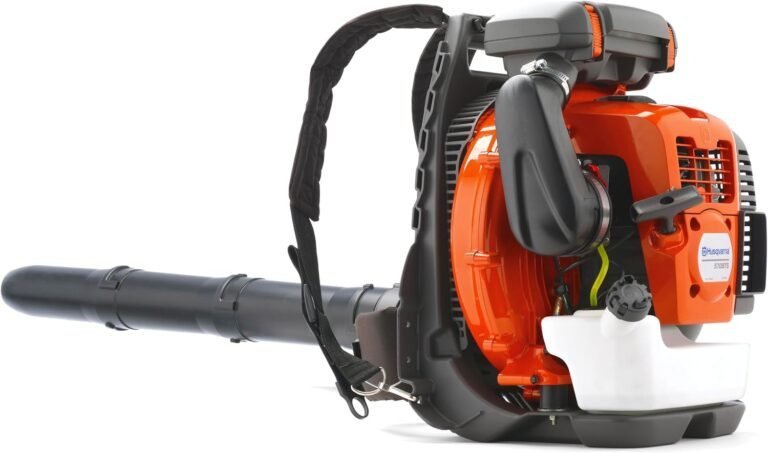
Your equipment affects your income more than you might think. A backpack blower moves leaves much faster than a handheld model. Faster work means more jobs per day and higher earnings per hour.
Professional-grade blowers cost more upfront, but they pay for themselves quickly. We found that operators using commercial equipment complete jobs 30 to 40 percent faster than those using basic homeowner models.
How to Increase Your Leaf Blowing Pay
You do not have to stay stuck at $17 per hour. Several strategies can push your earnings higher. The most effective approach is bundling services. A customer who hires you for leaf removal will likely also need gutter cleaning, lawn mowing, or debris hauling.
Another simple tactic is raising your prices. Many new operators undercharge because they fear losing customers. We found that homeowners expect to pay for quality work. A modest price increase rarely drives clients away.
Add-On Services That Boost Revenue
- Gutter cleaning adds $50 to $150 per job
- Lawn mowing creates recurring weekly income
- Debris hauling charges $75 to $200 per load
- Hedge trimming brings in $30 to $80 per yard
- Storm cleanup earns premium rates during emergencies
- Seasonal flower bed prep extends your working season
Each add-on service makes your business more valuable. You become the go-to person for outdoor maintenance, not just the leaf blower. That repeat business is the key to steady income.
Marketing Yourself for Higher Pay
Word of mouth works, but it is slow. We found that operators who post before-and-after photos on local community pages win more jobs. A simple Facebook post with a messy yard and a clean result speaks louder than any ad.
Business cards at hardware stores and coffee shops help too. Door hangers in neighborhoods with lots of trees work surprisingly well. You do not need a fancy website to start. A clear phone number and fast response time will win you plenty of work.
Comparing Employee Pay vs. Independent Work
Choosing between a steady paycheck and running your own route is a real trade-off. Employees get benefits, training, and guaranteed hours. Independent operators get freedom and higher per-hour earnings, but they also carry risk.
We found that many people start as employees, learn the trade, then branch out on their own. That path makes sense. You build skills and a customer base before taking on the full responsibility of business ownership.
| Factor | Employee | Independent Operator |
|---|---|---|
| Hourly pay range | $15 – $25 | $50 – $75 |
| Income stability | Steady and predictable | Variable by season |
| Equipment costs | Provided by employer | You pay all costs |
| Taxes | Employer withholds | You handle all taxes |
| Insurance | Often provided | You purchase your own |
| Growth potential | Limited raises | Unlimited with effort |

Hidden Costs That Cut Into Your Leaf Blowing Income
Independent work looks great on paper, but costs add up fast. Gas for your blower and truck eats into earnings. Equipment repairs happen more often than you would like. Insurance is not optional if you want to protect yourself.
We found that many experts say independent operators should set aside 20 to 30 percent of every job for expenses and taxes. That number feels painful at first, but it keeps you profitable in the long run.
Starting Costs for Your Own Leaf Blowing Business
You can start with a surprisingly small budget. A quality backpack blower costs between $300 and $600. Add a leaf rake, tarps, and a basic tool kit for another $100. If you already own a truck or SUV, you are ready to work.
Insurance is the biggest startup expense. A basic liability policy runs $300 to $600 per year. That coverage protects you if you accidentally damage a window or a customer trips over your equipment.
Tax Obligations for Independent Leaf Blowers
You will pay self-employment tax on your earnings. Many new operators forget this until tax season arrives. We found that setting aside money from every job makes the process painless.
Keep track of your mileage and equipment purchases. These are legitimate deductions that lower your taxable income. A simple spreadsheet works fine. You do not need an accountant for your first season, but hiring one becomes smart as you grow.
Getting Started Checklist for Your First Season
- Buy or borrow a reliable backpack blower
- Get liability insurance before your first customer
- Set your prices based on your local market
- Print simple flyers for your target neighborhoods
- Save 25 percent of every job for taxes
- Ask every customer for a referral or online review
This checklist keeps you focused during the chaos of your first fall season. You will make mistakes, and that is fine. Every missed estimate teaches you something for the next job.
Seasonal Income Patterns and Planning
Leaf blowing is not a year-round job in most regions. The fall rush creates a spike in demand that lasts eight to twelve weeks. Spring brings a smaller bump. Summer is typically slow unless you diversify.
We found that operators who plan for the slow months avoid financial stress. Save a portion of your fall earnings to carry you through winter. Or add snow removal to your service list if you live in a cold climate.
Building Year-Round Income
Mowing, edging, and hedge trimming keep you busy from April through September. Fall leaf cleanup fills October and November. Snow shoveling covers December through February. That combination creates a full-year business instead of a seasonal side gig.
Your leaf blowing customers are the perfect audience for these other services. They already trust you and know your work quality. Offering a yearly maintenance package is an easy upsell that smooths out your income.
When to Raise Your Rates
You should evaluate your pricing every season. If you are fully booked and turning down work, your rates are too low. Raise them by 10 to 15 percent and see what happens.
We found that customers rarely leave over a modest price increase. They value reliability and quality work. If you show up on time and leave a clean yard, most people will happily pay a little more each year.
Conclusion
Leaf blowing can pay $17 an hour as an employee or $50 to $75 per hour when you work for yourself. Your real income depends on your location, your equipment, and how smart you are about pricing. You do not need to stay in the low range forever.
Start with a decent backpack blower and basic insurance. Add services like gutter cleaning or mowing to smooth out your slow months. Raise your rates a little each season if you are consistently booked.
Your next step is simple: pick your market, set your price, and knock on one neighbor’s door today. The fall season waits for no one.
Frequently Asked Questions
How much do leaf blowers make per day?
Employees typically make $120 to $200 per day on an 8-hour shift. Independent operators can earn $300 to $500 per day during peak fall weeks when they line up back-to-back jobs. Your daily total depends on how fast you work and how many properties you can cover.
Do leaf blowers get paid cash?
Many independent operators do accept cash, but we recommend tracking every payment for tax purposes. Cash jobs are common for one-time cleanup gigs, especially after storm damage. Most ongoing customers prefer checks or digital payments for their records.
What is the best month to start a leaf blowing business?
We found that September is the sweet spot for starting your business. This gives you a few weeks to market yourself before the October and November rush. You can also practice your pricing on lighter jobs before the heavy leaf fall hits.
How many houses can a leaf blower do in a day?
A skilled operator with good equipment can handle 6 to 10 houses per day during peak season. This range depends on yard size and leaf density. Suburban lots with light tree cover might allow for more stops, while heavily wooded properties will slow you down.
Is a leaf blower business worth it versus other side hustles?
We think a leaf blowing business is worth it if you enjoy outdoor work and have reliable transportation. The startup costs are low compared to other gigs, and the fall demand is strong. It also gives you a natural path to become a full landscaping service later on.