Leaf Blower Costs: How Much Are They Worth in 2026
Most leaf blowers are worth between $50 and $600, depending on the type and power you need. You can grab a solid corded electric model for around $50, while a premium battery-powered blower runs $200 to $400. For heavy-duty commercial work, gas models can hit $600 or more.
Before you spend a dime, think about your yard size and your tolerance for noise. We found that battery-powered blowers offer the best balance of power and convenience for most homeowners. Corded models are the budget winner, but they tie you to an outlet. Gas models pack the most punch, but they come with more maintenance and a louder roar.
- Budget pick (under $100): Corded electric blowers are light and get the job done on small lots.
- Best value ($150-$300): Battery blowers with a 40V or 60V battery deliver strong airspeed without the cord hassle.
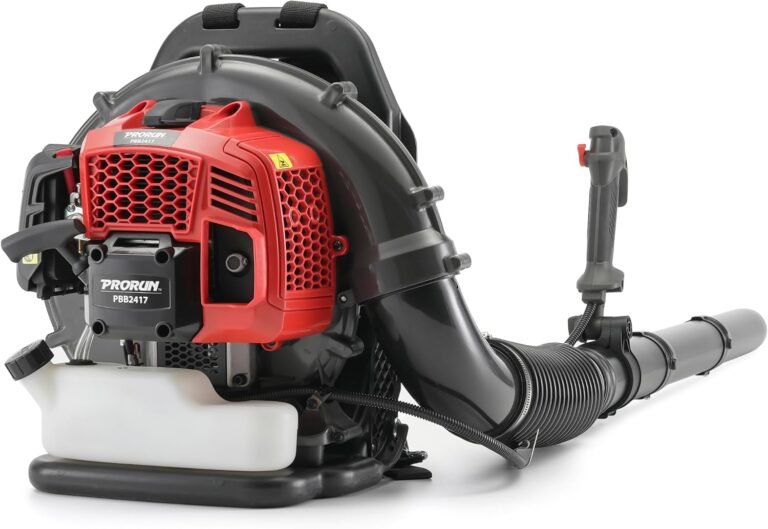
- Pro-grade ($400+): Backpack gas blowers are worth it only if you clear leaves for a living or have a massive property.
- Hidden costs you might miss: Extra batteries, chargers, and fuel add $50 to $200 to your total.
- Check the CFM and MPH numbers, not just the brand name, to know if a blower can actually move wet leaves.
Below, we break down what makes each type worth its price, so you can pick the right one without overpaying.
What a Leaf Blower Is Really Worth by Type
We found that the single biggest factor in leaf blower pricing is the power source. You have three main choices: corded electric, battery-powered, and gas. Each one has a different job, a different price tag, and a different set of trade-offs.
Think about it like buying a car. A compact sedan gets you to work. A pickup truck hauls heavy loads. You wouldn’t pay pickup truck prices if you only need a sedan. The same logic applies here. Match the blower to your property, not to the most expensive option on the shelf.
Corded Electric Blowers: The Budget Workhorses
These are the cheapest leaf blowers you can buy. Expect to pay anywhere from $30 to $80 for a reliable corded model. They are simple machines. Plug them in, pull the trigger, and go.
The catch is the cord. You are always tethered to an outlet. That means you need extension cords, and you need to watch out for obstacles. We found that corded blowers are perfect for small yards under a quarter acre.
They are also incredibly light. Most weigh under five pounds. You can carry them with one hand without getting tired. And because they run on electricity, they start instantly. No priming, no pulling, no fuss.
For the price, they deliver solid airspeed. Many corded models push between 200 and 400 CFM (cubic feet per minute). That is enough to move dry leaves on a sidewalk or driveway.
Who Should Buy a Corded Blower
If you have a small lot and you already own long extension cords, this is your best value. You will save money upfront. You will also save on maintenance because there is no engine to service.
Just remember that you cannot use one far from your house. If your yard is long or has no outdoor outlets near the back, this gets frustrating fast.
Battery-Powered Blowers: The Sweet Spot for Most Homes
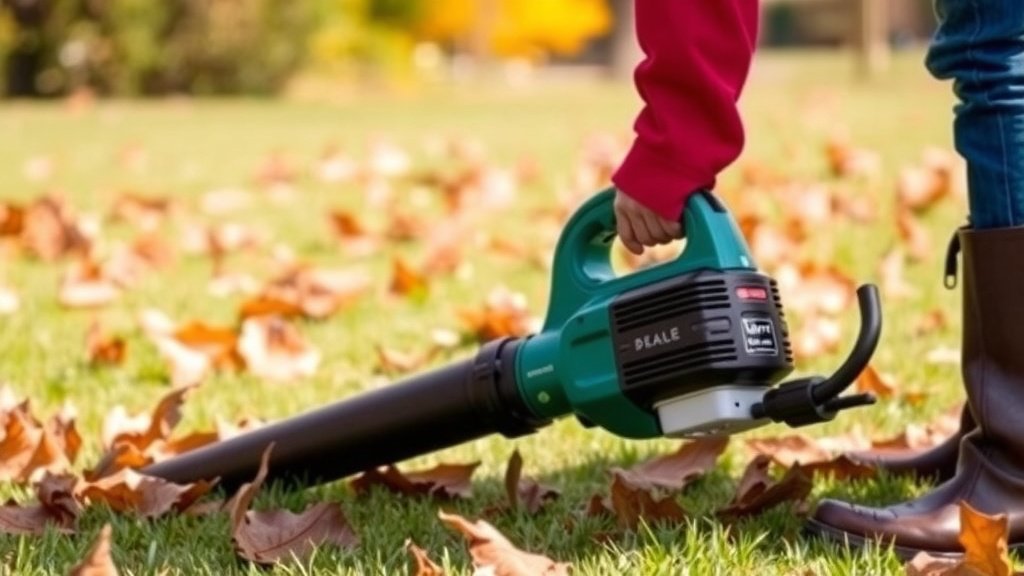
Battery blowers are the most popular category right now. Prices range from $100 to $400 for a complete kit with a battery and charger. This is the range we found offers the best balance of power and convenience.
You get the freedom of a gas blower without the noise and fumes. Battery technology has improved dramatically over the last few years. Many experts say that modern 40V and 60V models match the power of entry-level gas blowers.
Look for a battery blower with a CFM rating between 400 and 600. That range will handle most residential leaf cleanup. You will pay more for higher voltage batteries, but you get longer run time.
The Hidden Cost of Batteries
Here is where you need to read the fine print. Many budget battery blowers come with a small 2.0Ah battery. That might only give you 15 to 20 minutes of run time. If your yard takes longer, you will need a second battery.
Extra batteries are not cheap. A replacement 4.0Ah battery can cost $100 to $150. If you buy a blower without a battery, you might save $50 upfront. But you still need one to make it work.
Our advice is to check the kit contents. A “tool only” price is always lower, but it is not the total cost. Make sure you factor in the price of a battery and charger.
Handheld vs. Backpack Battery Models
Most battery blowers are handheld units. They are easy to store and simple to use. For large properties, though, a backpack battery blower is worth considering. These distribute the weight across your shoulders and back.
Backpack battery blowers start around $300 and go up to $600. They are overkill for small yards. But for a half-acre or more, they save your arms from fatigue.
Gas-Powered Blowers: Maximum Power, Maximum Price
Gas blowers are the heavyweights. Handheld gas models start around $150 and go up to $400. Backpack gas blowers are the premium option, ranging from $400 to $600 or more.
These machines move serious air. High-end backpack models can push over 800 CFM. That is enough to move wet leaves, pine needles, and even small rocks. They are built for commercial crews and people with very large properties.
But there is a price beyond the sticker. Gas engines require maintenance. You need to mix oil and fuel. You need to clean air filters. You need to replace spark plugs. And you need to store fuel safely.
The Noise and Vibration Factor
Gas blowers are loud. Many measure between 90 and 110 decibels, according to hearing health guidelines from the CDC. That is louder than a chainsaw. You need hearing protection every time you use one.
They also vibrate. Extended use can make your hands tingle or go numb. We found that backpack models reduce vibration compared to handheld gas units, but they do not eliminate it.
For many neighborhoods, gas blowers are also restricted. Some cities and towns ban them during certain months. Check your local ordinances before you buy one.
Understanding the Numbers That Set the Price
You will see two key numbers on every leaf blower box: CFM and MPH. These two figures tell you exactly how the blower performs. But a lot of shoppers ignore them and just look at the brand.
CFM stands for cubic feet per minute. It measures the volume of air the blower moves. Think of it like the width of a river. A high CFM means you can move a wider path of leaves. This matters when you are clearing a big lawn.
MPH stands for miles per hour. It measures the speed of the air coming out of the nozzle. Think of it like the current in that river. High MPH helps you move wet, stuck-on leaves or debris in tight corners.
| Blower Type | Typical CFM | Typical MPH | Best For |
|---|---|---|---|
| Corded Electric | 200-400 | 130-200 | Small patios and driveways |
| Battery Handheld | 350-600 | 110-180 | Medium suburban yards |
| Battery Backpack | 500-700 | 130-190 | Large residential lots |
| Gas Handheld | 400-600 | 150-230 | Rural properties |
| Gas Backpack | 600-900+ | 160-230 | Commercial and huge estates |
We found that most homeowners do not need the highest numbers on the chart. A CFM of 450 is enough for dry leaves. You only need 600+ CFM if you deal with wet leaves, acorns, or heavy pine straw.
Why You Should Not Overpay for Big Numbers
Here is a common mistake we see. People buy a monster gas backpack blower for a small city lot. They spend $500 when a $150 battery blower would do the same job. That is money wasted.
Research and found consumer reports show that higher CFM does not always mean better results. More airflow requires more power, which means more weight and more noise. A lighter blower you can control is worth more than a heavy one you hate using.
Start with your yard size. Measure the square footage of the grass and hard surfaces you need to clear. That number should guide your choice.
Budgeting for the Total Cost of Ownership
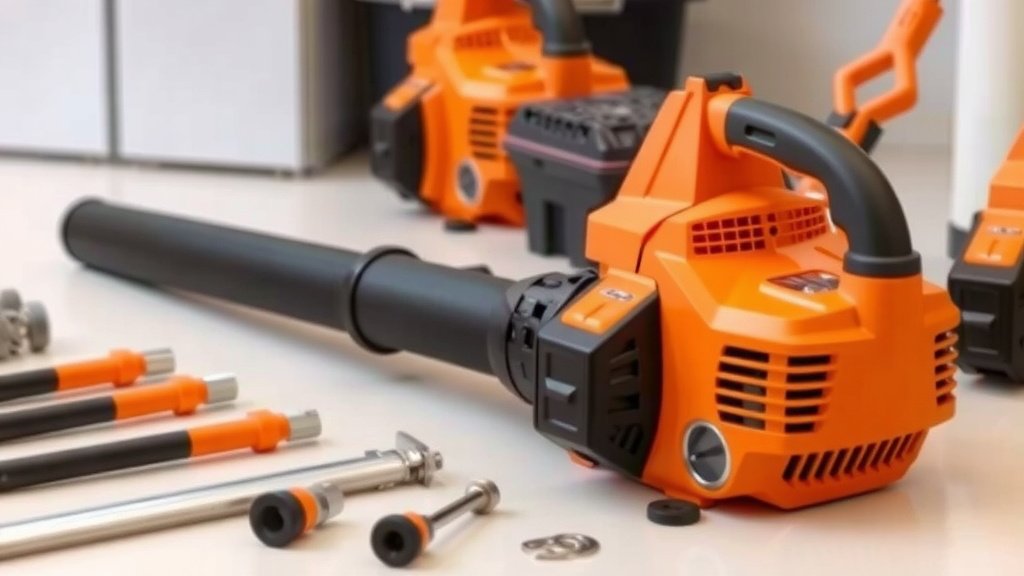
The sticker price is not the whole story. We found that the real cost of a leaf blower includes accessories, maintenance, and even your time. Let us break down what you should plan to spend over the first year.
For corded models, you might need a heavy-duty extension cord. A good 100-foot outdoor cord costs $30 to $50. Add that to the blower price if you do not already own one.
For battery models, budget for an extra battery. As we mentioned, that is $80 to $150 extra. You might also want a fast charger, which can add another $50 to the total.
For gas models, you need fuel stabilizer, two-stroke oil, and a gas can. That is $20 to $40 in the first month. And plan for an annual tune-up that costs about $50 to $100 at a local shop.
- Do not forget the noise. Budget $20 for ear protection if you buy a gas model.
- Check the warranty. Most blowers have a 2 to 5 year limited warranty. Longer is better.
- Look for a brushless motor. They last longer than brushed motors and are standard on most models above $150.
- Weigh the blower at the store. Hold it for 30 seconds. If it feels heavy, it will feel heavier after 20 minutes.
- Consider a leaf vacuum attachment. Some blowers convert to mulch vacuums for another $30 to $60.
When Spending More Is Actually Worth It
Sometimes the expensive option is the right call. We found that spending more makes sense in three specific situations. If any of these apply to you, do not feel bad about paying for a premium blower.
You Have a Large Property or Lots of Trees
If your yard is over half an acre, or you have more than three mature trees, a cheap blower will frustrate you. You need the higher CFM to move big piles efficiently. A battery backpack or gas backpack model is worth the investment.
We found that the time savings alone justify the cost. A powerful blower can clear a large yard in 30 minutes. A weak one might take over an hour. Your time has value too.
You Have Physical Limitations
If you have back, shoulder, or arm problems, a handheld blower can be painful. The weight and vibration take a toll. A backpack model distributes the load so you can work longer without discomfort.
Many experts say that ergonomics matter more than raw power for older users. The extra $100 to $200 for a backpack design is cheaper than a chiropractor visit.
You Use It Professionally or Nearly Every Day
Landscapers and lawn care pros need the most durable machines. They also need the highest performance to get jobs done fast. For them, a $600 gas backpack blower is a business tool, not a toy.
If you are a homeowner, resist the urge to buy commercial-grade equipment. It will outlast your needs, and you will never use its full potential.
How to Avoid Overpaying for a Leaf Blower
Shopping smart is easier than you think. We found that a few simple steps can save you $50 to $100 or more on your purchase. Here is a practical checklist to follow before you pay.
- Compare CFM per dollar. Divide the CFM rating by the price. A higher number means better value.
- Shop at the end of the season. Leaf blowers go on sale in late winter and early spring when demand drops.
- Check for bundle deals. Some stores include a second battery for free or a charger at a discount.
- Read the return policy. You want at least 30 days to test it on your actual yard.
- Look for refurbished models. Factory-refurbished blowers are often 30% cheaper and carry a warranty.
- Ask a neighbor. If someone on your street has one, ask to try it for five minutes. Real-world feedback beats online reviews.
Take your yard size, leaf conditions, and comfort level into account. Add up the total cost with batteries or fuel
Conclusion
You do not need to spend a fortune to get a leaf blower that works well for your yard. Most homeowners find their sweet spot between $150 and $300 with a battery-powered model. That price range gives you enough power to clear a typical suburban lot without the hassle of cords or the maintenance of a gas engine.
Match the blower to your property size, not to the most expensive option on the shelf. Check the CFM numbers, factor in the cost of extra batteries, and remember that a lighter machine you will actually use is worth more than a heavy powerhouse that stays in the garage.
Your next step is simple. Measure your yard, set a budget that includes accessories, and pick a model with at least 400 CFM. That is the sweet spot for most homes. You will get the job done without overpaying.
Frequently Asked Questions
Is a $100 leaf blower worth buying?
A $100 leaf blower is worth it if you have a small yard under a quarter acre. You can get a solid corded model or a basic battery unit in that price range. Just check the CFM rating. You want at least 350 CFM to move dry leaves effectively.
How long should a leaf blower last?
A quality leaf blower should last between 5 and 10 years with proper care. Battery models may need a new battery after 2 to 3 years. Gas models last longer but require regular maintenance like oil changes and spark plug replacements.
Are expensive leaf blowers worth the extra money?
Expensive leaf blowers are worth it only if you have a large property or use one professionally. For most homeowners, a mid-range model between $200 and $300 gets the job done just fine. You pay extra for more power, longer battery life, and better build quality, but you may not use those features.
What is the best time of year to buy a leaf blower on sale?
You will find the best deals on leaf blowers in late winter and early spring. Demand drops after fall cleanup season ends, so stores mark down their inventory. You can often save 20% to 30% off the regular price during these months.
Should I buy a leaf blower with a bigger battery?
You should buy a bigger battery if your yard takes more than 20 minutes to clear. A standard 2.0Ah battery runs about 15 to 20 minutes. A 4.0Ah or 5.0Ah battery gives you double the runtime. The extra cost is worth it if you hate stopping to recharge.