Choosing a Leaf Blower: Specs, Power, and What Matters
Choosing a good leaf blower comes down to matching the tool to your yard size and the type of debris you handle. For most homeowners, a cordless battery model with 40V or higher power is the best balance of convenience and performance. If you have a huge property with heavy, wet leaves, you will likely need a gas or backpack blower instead.
We get it. Standing in the home improvement store looking at rows of plastic tubes and motors is confusing. You want to clear your lawn fast without waking the whole neighborhood. Your back matters too. The right blower makes this chore almost fun, while the wrong one leaves you frustrated with dead batteries or an aching shoulder.
- Yard size is your #1 guide. Small city lots can use lightweight battery blowers.
- CFM moves air volume, MPH moves speed. Focus on CFM for pushing heavy piles.
- Battery voltage matters. 40V is the minimum for real work; 60V+ is better for larger areas.
- Backpack blowers save your arms but they are heavier and more expensive.
- Noise level is a big deal. Gas blowers are loud; batteries are quiet and neighbor-friendly.
Below, we break down each of these factors in plain English so you can pick your perfect blower without the headache.
Choosing the Best Leaf Blower for Your Property
You need a blower that matches your workload without breaking your budget. We found that shoppers who focus on three numbers usually make the right call. Those numbers are CFM, MPH, and battery voltage. Once you understand these three, you can filter out the noise and pick the winner.
Understanding CFM and MPH Without the Headache
Think of CFM as the volume of air moving through the tube. It is the amount of wind you produce. Think of MPH as the speed of that wind. Both matter, but they do different jobs in your yard.
High CFM pushes a wide path of leaves across the grass. High MPH blasts stuck debris out of flower beds or off hard surfaces. You want a bit of both. For most yards, we found that a CFM rating above 350 is the sweet spot. That moves normal leaves without you needing to walk slowly.
MPH becomes important for wet leaves. Wet maple leaves cling to the lawn like cheap stickers. You need speed to break that grip. Look for at least 120 MPH if you deal with moisture.
Ignoring these numbers is a common mistake. A blower with high MPH but low CFM clears a tiny strip. That means more walking. A blower with high CFM but low MPH leaves wet piles sitting stubbornly in place. Balance is key here.
Why Voltage and Battery Type Rule the Day
Battery power changed the game for homeowners. No cords, no fuel, no pull cords that hurt your shoulder. But you have to respect the voltage. We found that 40V is the true baseline for useful work. Anything less is for patios and driveways. It won’t handle a real lawn.
If your yard sits under half an acre, a 40V model works fine. If you have closer to a full acre, step up to 60V. The higher voltage pushes more air and lasts longer per charge. You won’t run out of juice halfway through the front lawn.
Battery Amp-Hours Mean Runtime
Voltage is the power, and amp-hours (Ah) is the fuel tank. A 4Ah battery runs longer than a 2Ah battery. Many kits include one battery and one charger. That is fine for small jobs. It is a problem for bigger lots because you wait for a recharge mid-chore.
We found that buying a second battery is the most common upgrade. Treat it like buying a spare gas can. You never want to run dry at the back fence.
Matching the Blower Type to Your Yard Size
Yard size is the fastest filter for your search. It tells you exactly which category of blower fits your life. Let’s break it down so you do not overpay or underperform.
Compact Handheld Battery Blowers for Small Lawns
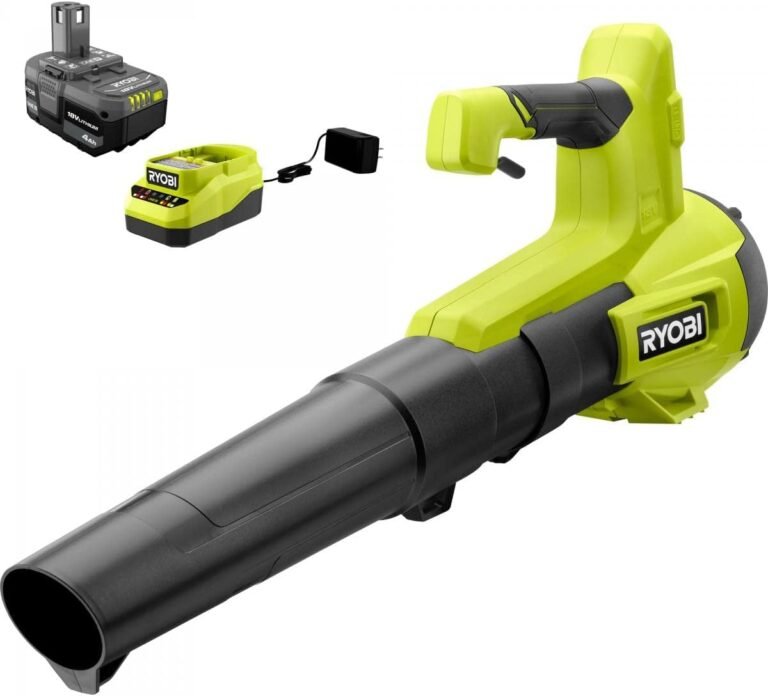
If you have a townhouse patio or a yard under a quarter acre, this is your lane. Handheld battery blowers weigh between five and eight pounds. They slip into tight garage spaces and need zero warm-up time. Just pull the trigger and go.
These units handle dry leaves on grass easily. They also clean out gutters and driveways without fuss. The trade-off is runtime. You get about 20 to 30 minutes of solid use per battery. That is plenty for a postage-stamp lawn.
Mid-Range Blowers for Suburban Workhorses
Most suburban lawns land between a quarter and half an acre. We found that a larger handheld blower with a 60V battery is ideal here. These models push serious air and carry enough battery to finish the job in one pass.
They cost more than the compact units, but the extra power is worth it. You also get better ergonomics. Many of these have curved handles and adjustable tubes. That saves your wrists during the last ten minutes of work.
Backpack Blowers for Heavy Duty and Large Properties
If your property exceeds an acre, or you pick up heavy wet leaves, stop looking at handheld units. Your arms will tire after fifteen minutes. Backpack blowers distribute the weight across your hips and shoulders. That means you can work for an hour without feeling like you wrestled a bear.
These are available in both battery and gas versions. Battery backpacks are quieter and cleaner. Gas backpacks produce more raw power for massive leaf piles. Many experts say that backpack blowers are the go-to choice for property maintenance because of the torque they produce.
The downsides are cost and weight. Backpack units run significantly higher in price. They also take up more storage space. But if you are tired of fighting your yard, they are the best tool for the job.
Weighing Battery, Gas, and Corded Options
Each power source has loyal fans and valid drawbacks. We broke down the three main types so you can see the clear winner for your routine. Your tolerance for noise and maintenance is the deciding factor here.
Battery Blowers for Quiet Mornings
Battery blowers are the current sweet spot for most families. They start instantly with a squeeze of the trigger. No fuel mixing or carburetor cleaning. They also run at about 60 decibels, which is conversational loud, not jet engine loud.
You can blow leaves at seven in the morning without the neighbors giving you the stink eye. Battery technology keeps improving, and new models run longer than older ones. We found that a quality battery blower now outworks gas models from just five years ago. The only real limitation is total runtime on huge properties.
Gas Blowers for Maximum Grunt
Gas models still hold the crown for raw power and endless runtime. If you refill the tank, you can run all day. That is why professional landscapers stick with them. But that power comes with serious noise. Prolonged exposure to gas blower noise can damage your hearing, and the CDC recommends hearing protection when using them.
The maintenance is the real chore. You deal with fuel stabilizer, spark plugs, and air filters. If you leave gas in the tank all winter, you will have problems in the spring. These are the workhorses, but they demand constant attention.
Corded Blowers for Budget and Reliability
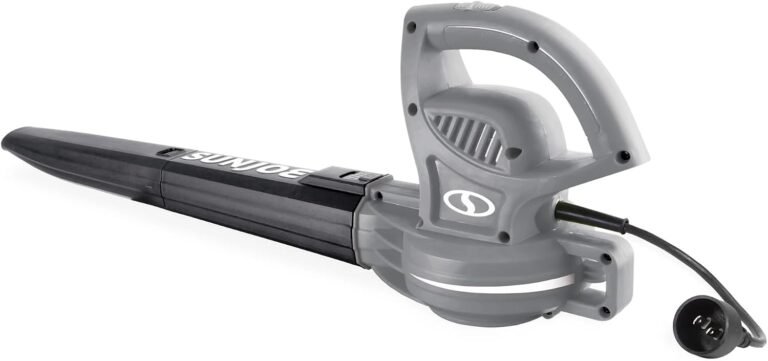
Corded electric blowers are the quiet budget heroes. They plug into an outlet and run as long as you keep the cord untangled. They never lose power mid-job. They never need charging. The price tag sits far below the other options.
The catch is the cord itself. It gets caught under leaves, wrapped around bushes, and tangled around your legs. You also stay tethered to within 100 feet of a power outlet. If you have a simple yard with accessible outlets, this is a great choice. If you have a sprawling lawn, the cord becomes a constant frustration.
Checking the Physical Comfort Factors
You will hold this machine for extended periods. Comfort matters more than any spec sheet. We found that the difference between a pleasant chore and a painful one starts with ergonomics.
Weight and Balance
Look for a blower that hangs naturally in your hand. The weight should sit near the motor housing, not way out at the tube. A balanced unit lets you hold it with a loose grip. An unbalanced unit makes your fingers cramp after ten minutes.
Hold the blower in the store before you buy. Do not buy online without trying the grip first. Your forearm will thank you in November.
Handle Design and Vibration
Soft-grip handles absorb some of the shake, and they prevent blisters. Look for a handle that fits your glove size. Some models have adjustable handles that pivot, which is excellent for aiming into tight corners. Vibration can numb your hands, so test how smooth the motor runs at full throttle.
Noise Levels and Hearing Safety
Noise is not just a courtesy issue. It is a health issue. Many gas blowers hit 100 decibels or more at the operator’s ear. The National Institute for Occupational Safety and Health states that prolonged exposure above 85 decibels can cause hearing loss. If you go gas, you need ear protection. Battery blowers run significantly quieter, which is why they are the crowd favorite for residential neighborhoods.

Reading Specs Like a Smart Shopper
Manufacturers love to confuse you with jargon. You only need four numbers to make a smart choice. CFM, MPH, voltage, and weight. We put together a simple comparison to help you visualize what works for each yard type.
| Yard Size | CFM Target | Power Source | Weight Range |
|---|---|---|---|
| Patio or small city lot | 300-400 CFM | 40V Battery | 5-8 lbs |
| Quarter to half acre | 400-500 CFM | 60V Battery | 8-10 lbs |
| One acre or more | 500+ CFM | Backpack Gas or 60V Battery | 15-25 lbs |
Your Pre-Purchase Checklist
Before you head to the register, run through this quick list. It takes two minutes and prevents buyer’s remorse. We found that most returns happen because people skipped these simple steps.
- Measure your lawn. Walk it off or use an app to get the square footage.
- Test the weight. Lift the blower with one hand and hold it for 30 seconds.
- Check the battery system. Make sure it uses a battery platform you already own or plan to keep.
- Listen to the decibel rating. Stay under 70 dB if you hate earplugs.
- Consider the warranty. Look for a two-year or longer coverage plan.
- Buy one size up. If you are between categories, get the more powerful one.
Your next leaf blower is out there waiting. Now you have the roadmap to find it. Match the specs to your lawn, prioritize your comfort, and you will clear every pile without breaking a sweat.
Conclusion
Choosing a good leaf blower really comes down to matching the tool to your yard’s size and the kind of debris you fight every fall. You now know that CFM moves volume and MPH adds speed for wet leaves. You know that 40V is your floor for battery power, and that backpack units save your arms on big properties.
Don’t overthink this. Measure your lawn, test the weight in your hand, and buy one size up if you are on the fence. Your back and your neighbors will appreciate a quieter battery model. Grab a spare battery while you are at it, and you will be ready for whatever November throws at you.
Frequently Asked Questions
When is the best time of year to buy a leaf blower?
Late summer and early spring are your best windows. Retailers discount old stock to make room for new models, and you avoid the fall rush when demand spikes. You will find the best deals in August and September.
Are cordless leaf blowers as strong as gas ones?
Modern battery blowers have closed most of the gap. A 60V or 80V cordless model now handles typical residential yards nearly as well as gas. You only need gas if you manage multiple acres or deal with extremely heavy, wet debris all day long.
Can you use a leaf blower to clean gutters?
You can, with the right attachments. Many blowers offer gutter kits that attach to the tube and let you stand on the ground while clearing debris. Look for a model with at least 120 MPH to push out packed leaves and pine needles.
How long do leaf blower batteries last before they wear out?
A quality lithium-ion battery typically lasts three to five years with regular use. You will notice shorter runtimes as the battery ages. Store them indoors during winter and avoid leaving them on the charger overnight to extend their life.
What is the best leaf blower for a small yard under 1/4 acre?
A lightweight handheld battery blower in the 40V to 60V range is your best bet. Look for one under eight pounds so your arm does not get tired. A model with around 400 CFM will clear a small lawn in under fifteen minutes without any fuss.