How to Choose a Cordless Leaf Blower: Key Tips
Choosing a cordless leaf blower comes down to matching the power and battery life to your yard size. The easiest way to start is to look at the air volume (CFM), not the speed, because that tells you how much leaf-moving power you actually get. You want the highest CFM you can afford, but you also need a battery that will last long enough to finish the job.
We found that most homeowners get confused by all the specs and battery jargon. You don’t need a degree in engineering to pick the right one. You just need to think about how big your driveway is, how many trees you have, and how much you hate dragging around a power cord. There are a ton of options on the market, from lightweight handhelds to massive backpack models, but they all boil down to the same three things: power, runtime, and weight.
- Check CFM first: It measures the volume of air, which is what moves piles of wet leaves.
- Battery voltage matters less than you think: A higher Ah (amp-hour) rating means longer runtime.
- Consider your property size: A small city lot can get away with a basic 20-volt model.
- Weight is a big deal: You will hold this machine for 30 minutes straight, so test the balance.
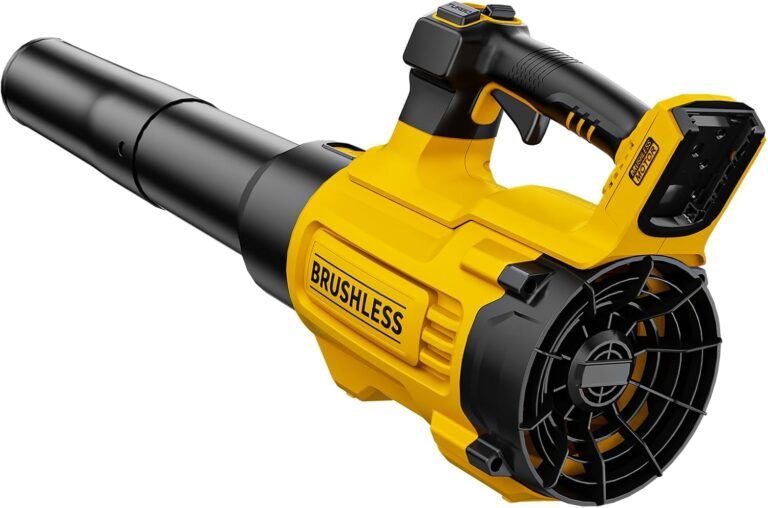
- Look for brushless motors: They are more efficient and last longer than older brushed motors.
Below, we break down the exact specs you need to compare, how to budget for batteries, and a few simple tips to avoid buyer’s remorse. Let’s walk through how to pick the perfect blower for your yard so you can get back to your weekend.
Picking a Cordless Leaf Blower That Matches Your Yard
You don’t need the most expensive machine on the shelf. You need the one that fits your specific property. We found that starting with your yard size and the types of debris you handle daily makes the rest of the decision much easier.
Think about your typical fall cleanup. Are you pushing piles of wet oak leaves across a long driveway? Or are you just blasting grass clippings off the patio? The answers will point you to the right CFM and battery size before you even look at brand names.
Start With Your Lot Size and Debris Type
Your property is the biggest factor in this buying decision. A small townhouse patio needs far less power than a half-acre plot with mature maple trees.
Break it down like this:
- Small patios and balconies: A basic 20-volt handheld blower is plenty. You need something light that can reach under a table or clear a few steps.
- Quarter-acre standard lots: Look for a 40-volt to 60-volt handheld with decent CFM. This handles grass clippings, light leaves, and hard surfaces well.
- Half-acre to full-acre yards: You need higher CFM and at least one spare battery. A backpack-style blower will save your arms during longer sessions.
- Large, heavily treed properties: Consider the 60-volt backpack models or a dual-battery system to avoid stopping mid-job.
We found that people with smaller yards often overbuy. They end up carrying extra weight they never needed. Conversely, homeowners with big yards buy cheap handhelds and then spend twice as long fighting the battery.
Understanding CFM and MPH Without the Headache
You will see two numbers on every box: CFM and MPH. Most buyers obsess over the MPH, but that is a mistake.
CFM (cubic feet per minute) measures the volume of air moving through the nozzle. This is what actually moves leaves. Higher CFM means you can push heavier, wetter piles without stopping.
MPH (miles per hour) measures the speed of that air. It helps dislodge stuck leaves from mulch or tight corners. But raw speed without volume just creates a narrow tornado that scatters debris.
Many experts say you should prioritize CFM first. For most residential jobs, look for a blower in the 350 to 600 CFM range. That covers everything from dry grass to wet autumn leaves. If you only need to clear a driveway of dust and pollen, a lower CFM around 200 will do the trick.
What the Numbers Mean in Real Life
Imagine holding a leaf blower versus a drinking straw. The straw blows air fast but moves almost nothing. That is high MPH, low CFM. A box fan moves a ton of air but at low speed. That is high CFM, low MPH. You want a balance.
For most yards, 400 CFM is the sweet spot. It gives you enough volume to push piles without creating a mess. If you deal with soaking wet leaves or large gravel driveways, step up to 600 CFM or more.
Battery Power: The Real Engine of Your Blower
The battery is the heart of any cordless tool. We found that understanding voltage and amp-hours clears up most of the confusion people have about runtime.
Voltage (V) tells you the force behind the motor. Amp-hours (Ah) tells you how long the battery holds that force. A 20-volt, 5Ah battery will run longer than a 20-volt, 2Ah battery, even though they push the same power.
Voltage vs. Amp-Hours Explained Simply
Think of voltage like the size of a water pipe. Bigger pipe, more water flow. Amp-hours are like the size of the water tank. Bigger tank, longer time before you run dry.
A higher voltage blower (like 60V) will push air harder than a 40V model. But a 40V blower with a large amp-hour battery can still outlast a 60V model with a small battery.
Our research and found that most cordless blowers run between 20V and 60V. For a basic patio, 20V is fine. For a real yard, look for 40V or higher. The battery size (Ah) then determines how many minutes of continuous use you get.
| Battery Voltage | Best For | Typical Runtime (per charge) |
|---|---|---|
| 20V | Patios, balconies, light dust | 15–25 minutes |
| 40V | Standard lots, dry leaves | 20–40 minutes |
| 60V | Large yards, wet heavy debris | 25–50 minutes |
That table gives you a rough idea. Real runtime depends on how hard you squeeze the trigger. If you run it at full blast the whole time, expect the lower end of that range.
Choosing Between One Big Battery or Two Small Ones
You have two ways to get enough runtime. Option one: buy one giant battery. Option two: buy two smaller batteries and swap them out.
We found that two smaller batteries often work better than one huge one. Here is why. When one dies, you pop in the spare and keep going. The dead one charges while you work. This means zero downtime.
Also, a massive 12Ah battery is heavy. It makes the blower front-heavy and tiring after ten minutes. Two 4Ah batteries give you the same total time but spread the weight across your session.
Check if the blower comes with a rapid charger. Some chargers juice a battery in 30 minutes. Others take two hours. Fast charging turns a single battery into a practical option.
Motor Type and Build Quality Differences
You will see two kinds of motors on cordless blowers: brushed and brushless. This matters more than most people realize.
Brushless motors are the modern standard. They use electronic controls instead of physical brushes, which means less friction and heat. Research from the Department of Energy points to brushless motors being significantly more efficient than traditional brushed motors. That efficiency translates directly into longer runtime and better power.
A brushless motor also lasts far longer. With fewer moving parts to wear down, you get more seasons of heavy use before problems start. The upfront cost is slightly higher, but the longevity usually wins in the end.
Where Weight and Balance Matter Most
You will hold this machine in your hands for 20 to 40 minutes at a time. Weight becomes a real issue, especially when you are reaching over bushes or up into flower beds.
Look at the dry weight of the blower with the battery attached. Many manufacturers list the weight without the battery, which is misleading. A battery can add a pound or more.
Here is a simple rule we found helpful: try to stay under seven pounds for a handheld model. Anything heavier and your arms will ache before the yard is done. Backpack models shift the weight to your shoulders and hips, letting you work much longer without fatigue.
Handle Comfort and Trigger Design
Grab the handle before you buy, if you can. Some triggers are placed awkwardly for long fingers or shorter grips.
Look for a variable-speed trigger. This lets you control power with your finger, so you are not always running at full blast. A cruise control or lock-on switch also helps. You can set the speed and relax your grip instead of squeezing the whole time.
We found that many buyers overlook the noise level. Cordless blowers are quieter than gas models, but they are still loud. Check the decibel rating and consider wearing ear protection, especially for longer sessions. The CDC recommends hearing protection when exposed to sounds above 85 decibels.

Nozzle Attachments and Extra Features Worth Paying For
Not all blowers come with the same attachments. Some extras genuinely change how you use the tool.
A concentrator nozzle is the most useful attachment. It narrows the air stream into a high-speed jet for getting into tight spots or moving stubborn wet leaves. Most blowers include one, but check before you buy.
Some models offer a scraper nozzle for dislodging wet leaves stuck to pavement. Others have a gutter attachment, which is a curved tube that lets you blow debris out of rain gutters without climbing a ladder.
We found that blower-vac combos are hit or miss. The vacuum function adds weight and complexity. Unless you specifically want to mulch leaves into a bag, skip the combo and get a dedicated blower.
Deciding on Handheld vs. Backpack Styles
Your back and shoulders will tell you which style is right.
Handheld blowers are simple and affordable. They suit small to medium yards. The tradeoff is that all the weight is in your arms. After 15 minutes of pushing heavy piles, you will feel the burn.
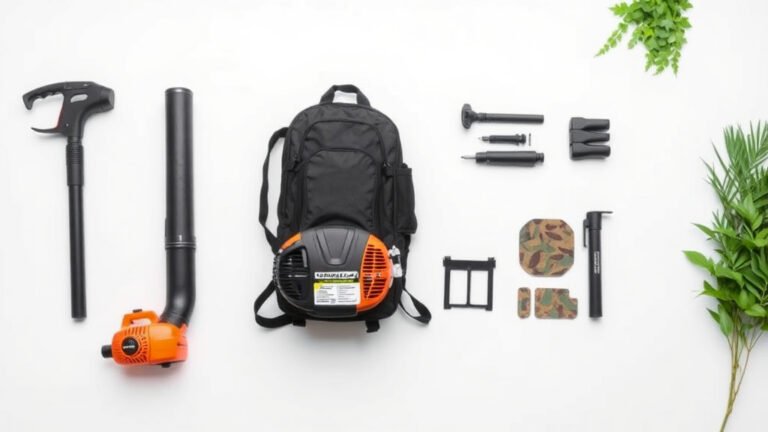
Backpack blowers carry the weight on your hips and shoulders. The tube and nozzle in your hands are very light. This design allows for longer working sessions with less fatigue. Backpack models also tend to have larger batteries and higher CFM ratings.
For a quarter-acre or less, a handheld is the sensible choice. For anything bigger, or if you have back problems, a backpack blower is worth the extra money. Many landscaping professionals prefer backpack models for this exact reason.
Quick Checklist Before You Buy
Use this list when you are standing in the store or staring at your phone screen. It covers the essentials without overcomplicating things.
- Match CFM to your debris: 350 CFM for light work, 600+ for wet leaves and big yards.
- Check the battery amp-hours: Higher Ah means longer runtime. Two smaller batteries beat one huge one.
- Verify the weight with battery: Under 7 pounds for handhelds. Backpack style for bigger jobs.
- Look for a brushless motor: More efficient, longer lasting, and worth the price hike.
- Confirm a fast charger is included: A 30-minute charger makes a single battery more practical.
- Test the trigger and handle: Make sure it fits your hand and has a variable-speed option.
Take this checklist to the store. It will keep you from getting distracted by shiny features you will never use. The right blower handles your yard without wearing you out or quitting halfway through the job. If your blower ever acts up, our leaf blower troubleshooting guide covers the quick fixes.
Conclusion
Choosing the right cordless leaf blower doesn’t have to be complicated. You just need to match the power to your yard size and pay attention to battery runtime. Focus on CFM over MPH, pick a brushless motor, and always check the weight with the battery attached.
We found that most people regret either buying too much machine or not enough battery. Two smaller batteries beat one giant one for real-world use. That simple swap keeps you working without long charging breaks.
Your next step is simple. Grab the checklist we covered and measure your yard size. Then compare a few models online using CFM, battery amp-hours, and weight. You will land on the right blower in under an hour and be ready for fall cleanup.
Frequently Asked Questions
How long does a cordless leaf blower battery actually last?
Real runtime depends on how hard you pull the trigger. Running at full blast will drain most batteries in 15 to 25 minutes. Using a variable-speed trigger and backing off the throttle can stretch that to 40 minutes or more.
Cold weather also cuts battery life. Store your batteries at room temperature and keep spares ready if you have a large yard.
Can I use the same battery for other yard tools?
Most brands share batteries across their tool lines. If you already own a cordless drill or string trimmer from a specific brand, check if the leaf blower uses the same battery platform.
Sticking with one brand saves you money on extra batteries. You only need one charger and one set of spares for everything.
Is it worth paying more for a backpack leaf blower?
Backpack models are worth the money if you have a large yard or deal with heavy wet leaves. They shift the weight from your arms to your back and hips, which reduces fatigue significantly.
For small patios and standard quarter-acre lots, a handheld is lighter and easier to store. You will not see much benefit from a backpack unless you are working for 30 minutes or more at a time.
How do I store a cordless leaf blower for the winter?
Remove the battery and store it separately at room temperature. Keep the battery at around 50 percent charge if you are not using it for several months.
Clean the air intake and nozzle before storing. Hang the blower in a dry spot to avoid any moisture damage to the motor.
What CFM do I need for wet leaves?
Wet leaves are heavy and clump together, so you need more air volume. Look for a blower with at least 500 CFM to push through damp piles without stopping.
If you have a lot of mature trees, aim for 600 CFM or higher. That gives you enough power to break up clumps and move them across a driveway in one pass.