Mastering Your Stihl Leaf Blower: A Step-by-Step Guide
To start a Stihl leaf blower, turn the choke lever to the cold start position, press the primer bulb five times, and pull the starter rope firmly. The easiest way to start your Stihl is to prime the engine correctly and use the choke system the right way. This process takes less than a minute once you know the steps.
Stihl leaf blowers are popular for their power and reliability, but cold starts can feel tricky if you aren’t familiar with the sequence. We found that most starting issues come from a few simple mistakes like skipping the primer or pulling the rope too softly. The good news is that once you learn the routine, your blower will fire up on the first or second pull every time.
TL;DR — Quick Starting Guide:
- Check the fuel: Make sure you have fresh 50:1 gas-oil mix in the tank.
- Set the choke: Move the lever to the closed (cold start) position.
- Prime the bulb: Press the primer bulb 5 times until fuel fills the clear bulb.
- Pull the cord: Pull quickly and firmly until the engine fires briefly.
- Flip the choke: Move the choke to open, then pull again to run.
Below, we’ll walk you through each step in plain English, including what to do when it’s warm outside, and how to fix the most common startup problems. You’ll have this down in no time—let’s get started.
Starting Your Stihl Leaf Blower the Right Way
We found that the key to a quick start is understanding the starting sequence. Stihl designs its engines to fire up with a simple routine. Whether you own a handheld BG 50, a backpack BR 600, or an electric model, the logic stays the same. You control the air and fuel mix with the choke and primer. Get that mix right, and you are in business.
The process we outline below works for most gas-powered models. It follows the basic steps printed on the machine’s own sticker. So, let’s break down the exact routine so you can start confidently every time.
Before You Pull the Cord: Safety and Setup
Nothing slows you down like a blower that won’t start because the fuel is stale. We cannot stress this enough. Check the fuel level first. Stihl engines run on a 50:1 gas-to-oil mix. Using fresh fuel is the single biggest factor in easy starts.
Place the blower on a flat surface. This prevents fuel from sloshing and makes pulling easier. If you are using a backpack model, set it down on the ground. Make sure the ignition switch is in the ON position. It sounds simple, but we found that many “broken” units just had the switch flipped off.
Understanding Your Blower’s Controls
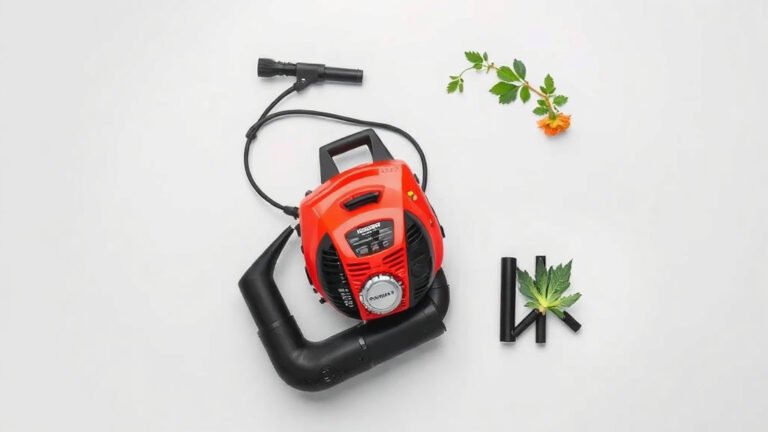
Take a quick look at your machine. You will see a choke lever and a primer bulb. The choke restricts air flow to create a richer fuel mixture. This helps the engine start when cold. The primer bulb pushes fuel directly into the carburetor. Knowing which is which saves you a lot of guesswork.
On newer Stihl models, the choke lever has two or three positions. You might see a cold start position and a warm start position. Some machines use a multi-function master control lever. This combines the choke, throttle, and stop switch into one unit. Check your manual if the layout looks unfamiliar.
Step-by-Step Cold Start Procedure
Here is the main event. We will walk you through the cold start sequence. This is for an engine that has been sitting for more than 30 minutes or is completely cool. Follow these steps in order.
Step 1: Set the Choke
Move the choke lever to the closed position. This is often marked with a snowflake icon or the word “cold.” On models with a master control lever, slide it all the way down to the start position. This does two things. It closes the choke and sets the throttle to idle speed.
Why does this matter? A closed choke restricts air. The engine then pulls in more gas. This richer mix is easier to ignite when the engine is cold. Many experts say this mimics the effect of a carburetor’s accelerator pump in older cars.
Step 2: Press the Primer Bulb
Press the primer bulb slowly and firmly. You want to do this about five times. Watch the bulb. You should see fuel fill the clear plastic chamber. If the bulb feels empty or spongy, you might be out of gas. If it stays full and hard, you have enough fuel pressure.
Do not oversaturate the engine. We found that pressing more than seven times floods the cylinder. That can make the blower harder to start, not easier. If you see fuel leaking from the carburetor, you have pressed too many times. Let it sit for a few minutes and try again with fewer presses.
Step 3: Pull the Starter Rope
Grab the starter handle. Give the cord a sharp, decisive pull. Do not yank it all the way out. Pull it smoothly but with speed until you feel resistance, then give it one solid tug. You are looking for the engine to fire. This means it pops or sputters once, then dies.
Usually, this happens on the first or second pull. When you hear that first sputter, stop pulling. The engine has ignited once. Now you need to adjust the choke to keep it running.
What If It Doesn’t Fire?
If you pull five times and you get nothing, stop. Check the choke position. Make sure the primer bulb is full. We found that pulling the cord with a half-hearted effort is the main culprit. A slow pull won’t create enough vacuum to draw fuel. Use a full, assertive motion.
Step 4: Open the Choke and Start
Now, move the choke lever back to the open position. This is often marked with a sun icon. If you are using a master control lever, move it one notch up to the run position. Then pull the starter rope again. The engine should roar to life within one or two pulls.
When it starts, do not immediately give it full throttle. Let it idle for about 30 seconds. This lets the engine oil circulate properly. If you blip the throttle too soon, you can stall it. A brief warm-up keeps your machine running smoothly all day.
Starting a Warm Stihl Leaf Blower
You just shut the blower off to move some branches. Now it will not start. Sound familiar? This is a common issue. The fix is simple. You do not need the full choke procedure for a warm engine.
For a warm start, skip the choke entirely. Leave the choke lever in the open position. Do not press the primer bulb more than once or twice. Give the cord a firm pull. The engine should start on the first try. The fuel system is already primed from the previous run.
If you use the full cold start procedure on a hot engine, you flood it. A flooded engine will not start. You will smell strong gasoline. If this happens, set the choke to open, hold the throttle wide open (if possible), and pull the rope several times to clear the excess fuel.
Model-Specific Starting Tricks
Not all Stihl blowers are the same. We found that specific models have slight quirks. Understanding your model type helps you start it faster. Below is a quick breakdown of the main types.
Handheld Models (BG Series)
These are the small, lightweight units you see most often. The BG 50 and BG 86 are popular choices. They have a simple two-position choke. The primer bulb is right on the side. The starting process is exactly as we described above. No special tricks here.
Backpack Models (BR Series)
Backpack blowers like the BR 600 and BR 700 are bigger and more powerful. They have a larger carburetor. We found that these often need a few extra pulls when cold. Start with the choke closed. Press the primer bulb five to seven times. Pull firmly until you hear the first pop.
The “Half Choke” Technique
Some users report success with the half-choke position. This is usually a detent between open and closed on the lever. We found that this works well in mild weather, around 50 to 60 degrees Fahrenheit. It prevents flooding and reduces crank time. Try it if your standard cold start fails after three pulls.
The Best Starting Technique for Pulling the Cord
There is a right way and a wrong way to pull the starter. Many people hurt their backs because they use their arms only. Use your legs and body weight instead. Place one foot on the base of the blower to stabilize it. This stops the machine from sliding across the ground.
Grasp the handle firmly. Pull the cord straight out, not at an angle. A rope that rubs against the housing will wear out fast. Pull it in one smooth, fast motion. Do not pull the rope to its full length. Let it rewind slowly after the pull. Letting it snap back causes internal damage.
Troubleshooting Common Startup Problems
Sometimes the blower just refuses to start. Do not panic. We found that 90% of starting issues are related to fuel or spark. Use the quick reference table below to diagnose your issue.
| Problem | Likely Cause | Quick Fix |
|---|---|---|
| Engine won’t fire at all | Empty tank or stale fuel | Add fresh 50:1 mix |
| Pulls hard but won’t start | Spark plug fouled | Clean or replace the plug |
| Starts then dies | Choke left closed | Open the choke fully |
| No fuel in primer bulb | Air leak in fuel line | Check the fuel pick-up filter |
| Engine floods easily | Oversaturated with primer | Wait 10 minutes, then re-prime |
Check the spark plug first. If the tip is black and sooty, that is a sign of a rich fuel mix. If it is wet with gas, you have flooded it. If it is dry and gray, you have no fuel. This simple visual check saves you a trip to the repair shop.
Your Pre-Start Checklist
Save yourself a headache. Run through this quick list before you ever touch the starter cord. It takes 20 seconds and prevents most frustrating moments.
- Fresh fuel: Your mix should be less than 30 days old.
- Correct oil ratio: Use a 50:1 mix with high-quality two-stroke oil.
- On/Off switch: Confirm the switch is in the ON position.
- Choke position: Set it to cold start, not run.
- Primer filled: The bulb should be full of fuel, not air.
- Flat surface: The blower is stable and level on the ground.
That is it. If every box is checked, your engine is ready to fire. You will notice that starting becomes muscle memory after a few tries.
Why Warm-Up Time Matters
You got it started. Now what? Let it idle for a moment. A quick 30-second idle lets the lubricating oil reach all moving parts. This matters because a two-stroke engine relies on the fuel mix for lubrication. If you rev it hard right away, you risk scoring the piston.
We found that letting the blower run at idle while you put on your goggles and ear protection is the perfect routine. It warms the engine and keeps you ready to work. It also prevents stalling when you squeeze the throttle trigger.
When to Ask for Professional Help
If you have fresh fuel, a clean spark plug, and you still cannot start it, stop pulling. You are not helping anything by tiring yourself out. The issue could be a clogged carburetor, a broken recoil spring, or a damaged ignition coil. These are not simple DIY fixes.
Take the blower to an authorized Stihl dealer. They have the tools and expertise to diagnose the problem quickly. Many experts say that using the right starting procedure extends the life of your equipment. But a mechanical failure is not your fault. Let the pros handle it.
Conclusion
Starting your Stihl leaf blower really comes down to a simple routine. You need fresh fuel, the right choke position, and a firm pull on the cord. Once you get the priming and choke sequence down, it becomes second nature. We’ve found that most people struggle because they skip the primer or pull too gently. You will not have that problem anymore.
Take a few minutes to run through the cold start steps with your machine right now. Check the fuel mix, set the choke, and pull with confidence. You will get it on the first or second try. And remember, if the engine still won’t fire after checking everything, let a Stihl dealer handle it. You have better things to do than fight a stubborn engine all day.
Frequently Asked Questions
Why won’t my Stihl leaf blower start on the first pull?
Most likely, the engine is not getting enough fuel. The primer bulb needs a solid five presses to fill the carburetor. Also, make sure you are pulling the cord with a sharp, quick motion. A slow pull doesn’t create enough suction to draw fuel into the engine.
Can I use regular gas in my Stihl leaf blower?
No, you should not use straight gas. Your Stihl engine needs a 50:1 mix of gasoline and two-stroke oil. This oil is what keeps the internal parts lubricated. Running straight gas will cause severe engine damage in a very short amount of time.
How long should I let my Stihl blower warm up?
We recommend letting it idle for about 30 seconds. This is enough time for the oil in the fuel mix to coat the cylinder walls and bearings. You can use this time to put on your safety gear. Listen for the engine to smooth out before you squeeze the throttle.
Why does my leaf blower start then immediately die?
You probably left the choke in the closed position. The engine starts on the rich mix but then starves for air. Move the choke lever to the open position as soon as you hear the engine fire. If it still dies, check that the fuel tank has enough fresh mix in it.
Is it bad to pull the starter rope all the way out?
Yes, you want to avoid pulling the rope to its full length. This stresses the recoil spring and can cause it to break. Pull the cord until you feel resistance, then give it one firm, sharp tug. Let the rope rewind slowly after each pull.