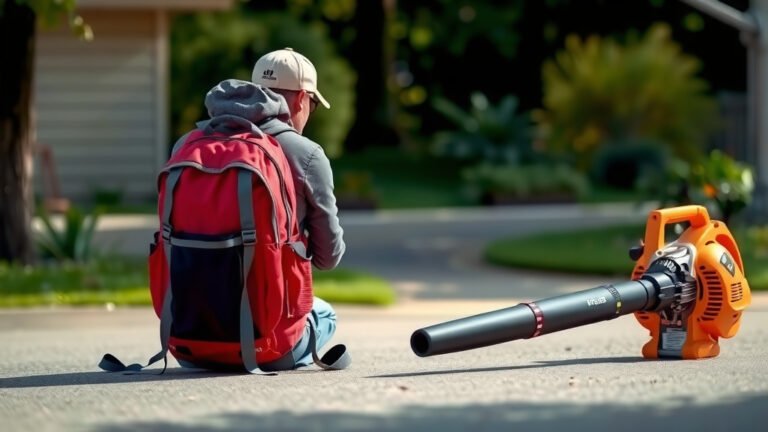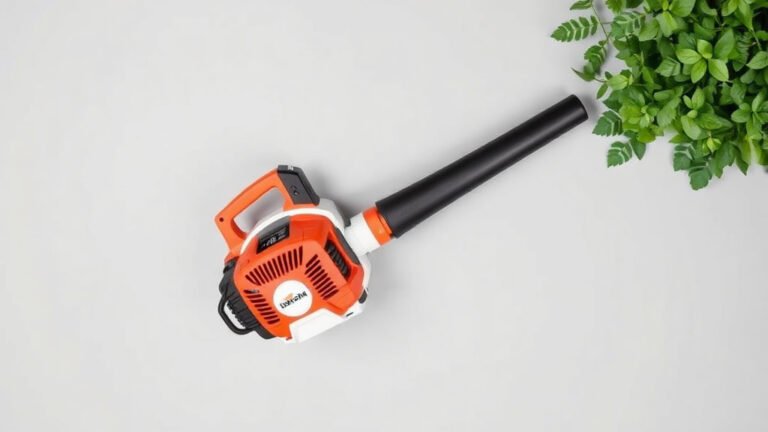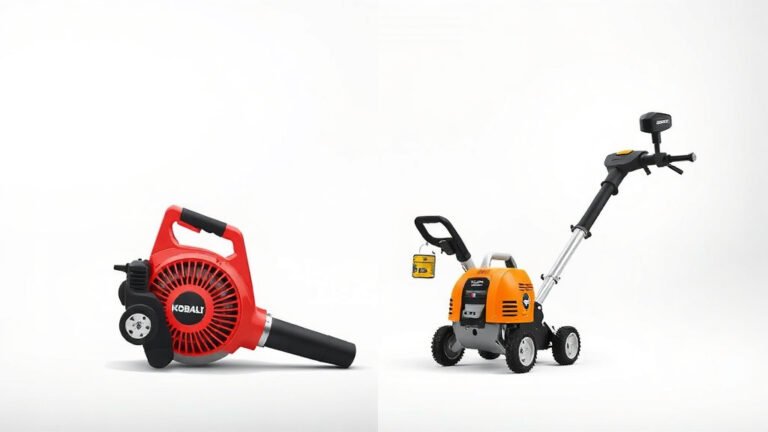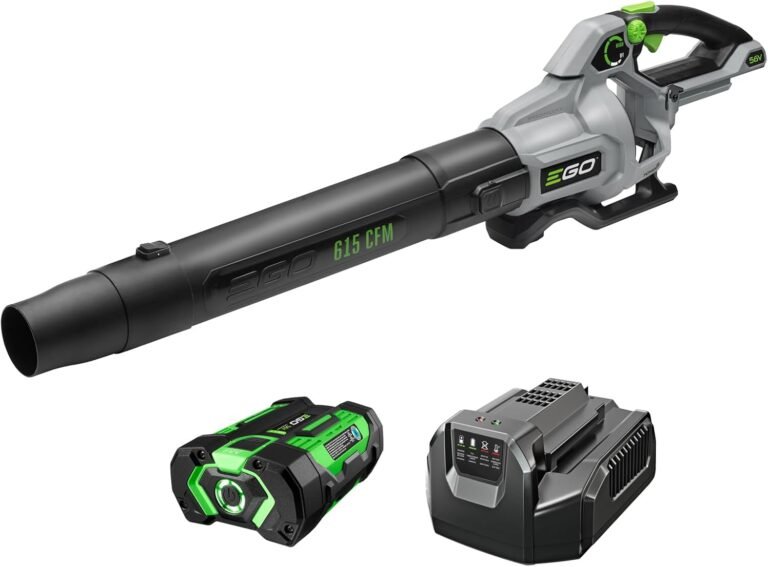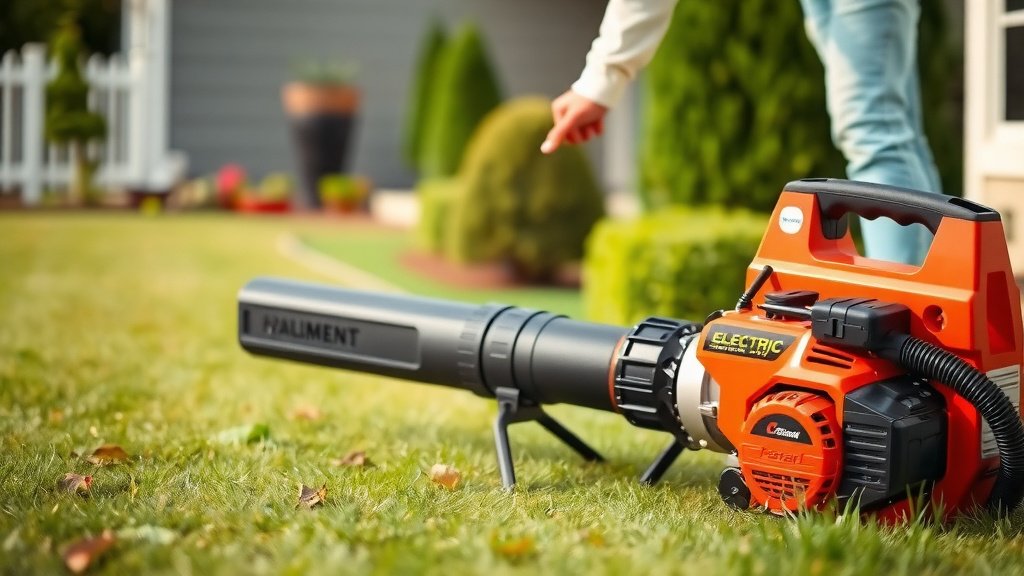
Electric Leaf Blower vs Gas: Which Is Right for You
For most homeowners, an electric leaf blower is the better choice than a gas model. We found that electric blowers are lighter, quieter, and require almost zero maintenance. They also start instantly with the push of a button, so you skip the hassle of pulling a cord and mixing fuel.
This electric leaf blower vs gas debate comes down to your yard size and your tolerance for noise. Gas blowers offer more raw power and longer run times, which is great for large properties. However, electric models, especially battery-powered ones, have improved so much that they handle most average-sized yards with ease. You get the job done without the fumes or the ear-splitting roar.
- Winner for most people: Electric, due to lower cost and easier handling.
- Power difference: Gas has more force, but modern electric blowers are strong enough for leaves and light debris.
- Noise levels: Electric is significantly quieter, making it neighbor-friendly.
- Maintenance: Electric needs almost none; gas requires oil changes and fuel care.
- Run time: Gas lasts longer, but electric has swap-able batteries for unlimited use.
Below, we break down the full comparison so you can pick the right blower for your specific yard and budget. Let’s walk through the key details that matter most before you spend a dime.
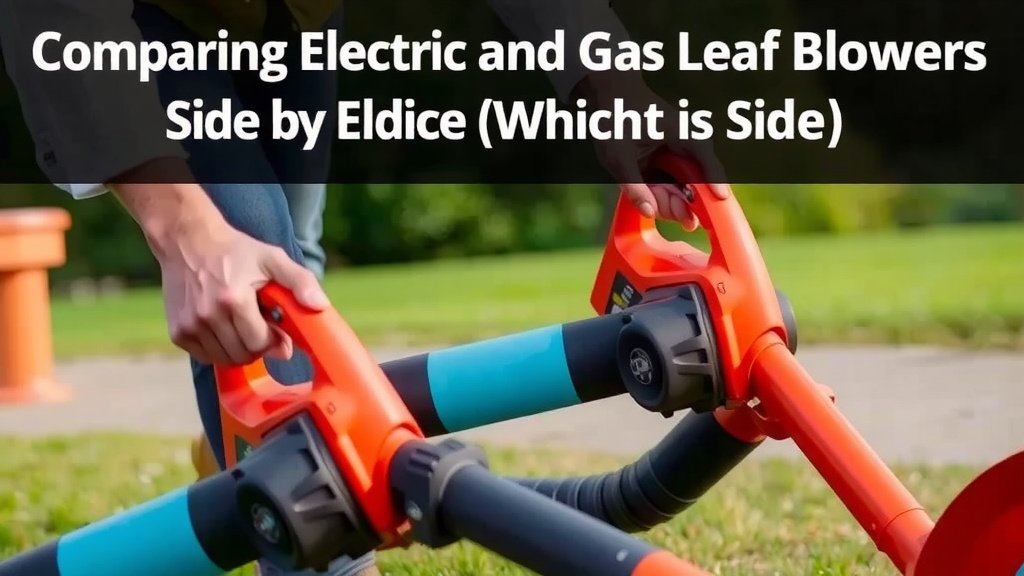
Comparing Electric and Gas Leaf Blowers Side by Side
We found that the core difference between these two types of blowers is simple. You are choosing between convenience and raw power. Most people should pick convenience. Let’s look at why the scales tip so often toward electric.
The Weight and Handling Difference
Gas engines are heavy. They carry fuel tanks, carburetors, and steel components. We found that most gas backpack blowers weigh over 20 pounds. Handheld gas models often tip the scales at 10 to 12 pounds.
Electric blowers are much lighter. A typical corded model weighs around 5 pounds. Battery models usually sit between 6 and 8 pounds. You hold this weight out in front of you for an hour. That extra bulk adds up fast.
Think about lifting your arm straight out. Now add 12 pounds to your hand. That gets tiring quickly. Lighter tools let you work longer without aching shoulders. For most people, this alone is a reason to switch.
Maneuverability in Tight Spaces
Heavy gas blowers are hard to control. They pull your arms down and make precise aiming tough. Electric units feel almost like a toy in comparison. You can easily direct air under bushes or around flower beds. This control helps you finish the job without damaging plants.
The Noise Factor and Your Neighbors
Gas blowers are loud. We found that many gas models hit 100 decibels or more. That is louder than a chainsaw. It can cause hearing damage over time without proper protection.
Electric blowers are quieter. Most run between 60 and 75 decibels. That is closer to a normal conversation or heavy traffic. You can still hear birds and traffic while you work. Your neighbors will appreciate the peace.
Many cities have laws about gas blowers. Some ban them entirely during certain months. Others restrict them to weekday hours only. An electric blower avoids these headaches. You can often work early on a Saturday morning without causing a fuss.
Power Output and Air Speed You Can Actually Use
Gas blowers win on pure numbers. They push more cubic feet of air per minute. They also move that air at higher speeds. You can blow wet, heavy leaves with a gas unit. You can even move small rocks and acorns.
Electric blowers have caught up in recent years. We found that modern battery models produce up to 600 cubic feet per minute. That is enough for dry leaves, grass clippings, and light debris. Corded models often do even better because they pull unlimited power.
When You Need the Extra Force
You might need gas power if you have a large property. Big yards with many mature trees produce tons of leaves. A gas blower clears them faster. You also need gas for wet leaves that stick to the ground.
Consider your typical fall cleanup. If you spend hours blowing piles of damp oak leaves, gas might help. If you just clear your driveway and walkway, electric is plenty. Most average lots (under half an acre) do fine with electric.
Battery Technology Has Closed the Gap
Lithium-ion batteries changed everything. Older electric blowers were weak. They ran out of power in 15 minutes. Today’s batteries deliver consistent power until they die. They also hold a charge for months when stored properly.
We found that most battery blowers run 20 to 40 minutes on a single charge. That covers a typical suburban yard. You can buy a second battery for longer jobs. Many brands sell kits with two batteries and a fast charger.
Maintenance Requirements and Long-Term Costs
Gas engines demand regular care. You must mix oil and fuel correctly. You need to change spark plugs and air filters. The carburetor can clog if fuel sits too long. Many experts say stale gas is the number one reason small engines fail.
Electric blowers are almost maintenance-free. There is no engine to tune up. No fuel to mix. No spark plug to replace. You just charge the battery or plug in the cord. That saves you time and money every single season.
The Hidden Costs of Fuel
Gas prices keep climbing. A gas blower uses about one gallon of fuel per hour. Over a season of heavy use, that adds up. You also buy two-stroke oil and stabilizers. These costs sneak up on you.
Electricity is cheaper. We found that charging a battery costs just pennies. A corded blower costs even less to run. Your utility bill barely notices the difference. The savings are small each time but compound over years.
Repair Costs and Lifespan
Gas engines eventually need professional repairs. A carburetor rebuild can cost $100 or more. That is often half the price of a new blower. Many people just replace the unit instead of fixing it.
Electric motors last a long time. They have fewer moving parts to break. The battery is the main part that wears out. A replacement battery costs $100 to $200. That is still cheaper than most gas engine repairs.
Run Time and Corded vs Battery Trade-Offs
Run time is where gas used to dominate. A full tank of gas runs for 30 to 60 minutes. You just refill and keep going. There is no downtime unless you run out of fuel.
Battery blowers need recharging. That takes 30 to 60 minutes typically. If you have one battery, you must stop and wait. This is annoying for large yards. But you can fix it by buying a second battery or choosing a corded model.
Why a Cord Might Be the Right Choice
Corded electric blowers have endless run time. You plug them in and never stop. They are also the cheapest option available. You can buy a solid corded blower for under $50. That is a fraction of the cost of gas or battery units.
The cord is the downside. You must stay near an outlet. Extension cords can be a tripping hazard. You might need a 100-foot heavy-duty cord for larger yards. The cord can also get caught on bushes and fences.
Battery Freedom and Convenience
Battery blowers give you freedom. No cord to drag around. No outlet required. You can walk all over your property without restrictions. This is the best of both worlds for most people.
We found that battery systems are a smart long-term investment. Many brands share batteries across tools. You buy one battery system and use it for your blower, trimmer, and chainsaw. This reduces clutter and saves money.
The Environmental Impact and Your Health
Gas blowers are bad for air quality. A gas leaf blower running for one hour produces as much smog-forming pollution as driving a car for hundreds of miles. This comes from the two-stroke engine design that burns oil in the fuel.
You breathe those fumes directly. The exhaust blows right up toward your face. This can cause coughing and throat irritation. People with asthma or allergies have even worse reactions. Many guidelines point to reducing gas-powered equipment use for better local air quality (EPA).
Carbon Footprint Comparison
Electric blowers produce zero direct emissions. The electricity they use might come from coal or natural gas. But the overall carbon footprint is still much lower. Plus, the grid gets cleaner every year.
Battery production has an environmental cost. Mining lithium and other metals impacts the planet. However, the total environmental impact is still smaller than burning gasoline for years. Most experts agree that electric is the greener choice over time.
Cold Start Performance and Ease of Use
Gas blowers are finicky to start. You must prime the engine. Pull the cord several times. Choke it just right. When it’s cold outside, this gets harder. You might pull the cord 10 times before it catches.
Electric blowers start instantly. You press a button and go. There is no priming or choking. This is a huge advantage when you have 15 minutes before work. You do not waste time wrestling with a stubborn engine.
The Learning Curve for New Users
Operating a gas blower takes practice. You must learn the throttle response and how to handle the vibrations. The machine shakes your hands and arms. This makes precise control harder.
Electric blowers feel intuitive. You squeeze the trigger and air flows. Release and it stops. The lack of vibration makes them easier for seniors and people with joint issues. Many users report less fatigue after switching.
Cost Breakdown and Value Over Time
Let’s look at the real costs. We found that gas blowers cost more upfront. A decent gas handheld runs $150 to $300. Backpack models go for $300 to $600. That is a serious investment.
Electric blowers are cheaper to buy. Corded models cost $30 to $80. Battery models range from $100 to $250. Even premium electric units rarely exceed $300. You get a quality tool without breaking the bank.
| Feature | Electric Blower | Gas Blower |
|---|---|---|
| Upfront price | $30 – $250 | $150 – $600 |
| Maintenance cost | Almost none | $50 – $150 per year |
| Weight | 5 – 8 pounds | 10 – 22 pounds |
| Noise level | 60 – 75 dB | 90 – 110 dB |
| Run time | 20 – 40 min (battery) | 30 – 60 min |
| Startup | Push button | Pull cord |
Your Personal Yard Checklist Before Buying
Take a quick inventory before you decide. We found that answering these questions helps you avoid buyer’s remorse. Grab a notepad and think through your specific situation.
- Yard size: Is your property under half an acre? Electric handles this easily.
- Leaf volume: Do you have a few trees or a whole forest? Heavy leaf loads favor gas.
- Moisture level: Do you blow wet leaves in the spring? Gas moves wet debris better.
- Noise tolerance: Do you have close neighbors or early work times? Electric is polite.
- Storage space: Is a small garage shelf your only option? Electric fits anywhere.
- Physical strength: Do you get tired holding tools? Lighter electric wins for comfort.
Answer these honestly and the right choice becomes clear. Most homeowners tick more boxes for electric. A few with huge properties still prefer gas. Both tools get the job done. One just makes your life easier.
Conclusion
For most people, we recommend going electric. You get a lighter tool, quieter operation, and you skip all the maintenance headaches. Gas still wins for massive properties with heavy, wet debris. But for the typical suburban yard, modern electric blowers handle everything you throw at them.
Think about your own routine. If you clear leaves for 20 minutes a few times a month, electric is the obvious pick. You save money upfront and never deal with fuel or repairs. Start by measuring your yard and checking your local noise rules. Then pick a battery model from a brand you trust. You will thank yourself next fall.
Frequently Asked Questions
Can I use an electric leaf blower in the rain or on wet grass?
You should avoid using any leaf blower in heavy rain. Water can damage electrical components, especially in corded models. For light morning dew, both battery and gas blowers work fine. Just check that your extension cord connections stay dry and off the ground.
How long do electric leaf blower batteries actually last before they wear out?
Most lithium-ion batteries last between 3 and 5 years with regular use. You will notice shorter run times as the battery ages. Storing them in a cool, dry place during winter helps extend their life. Replacing a battery costs less than a major gas engine repair.
Is a backpack leaf blower worth the extra money?
A backpack blower makes sense only if you have a large yard and need power all day. The harness shifts weight to your back, which reduces arm fatigue. For most homeowners under half an acre, a handheld electric blower is more than enough. You save money and storage space.
Do gas leaf blowers require premium fuel or special oil?
Gas blowers run on regular unleaded fuel mixed with two-stroke oil. You must use the exact oil-to-fuel ratio listed in your manual, usually 50:1. Always use fresh fuel and add a stabilizer if you store it for more than a month. Stale fuel is the most common reason gas blowers fail to start.
Can I convert my gas leaf blower to electric?
There is no practical way to convert a gas blower to electric. The engine, housing, and controls are completely different. You are better off selling your gas unit and buying an electric model. Many brands now sell bare tools without batteries, so you can save money if you already own their battery system.