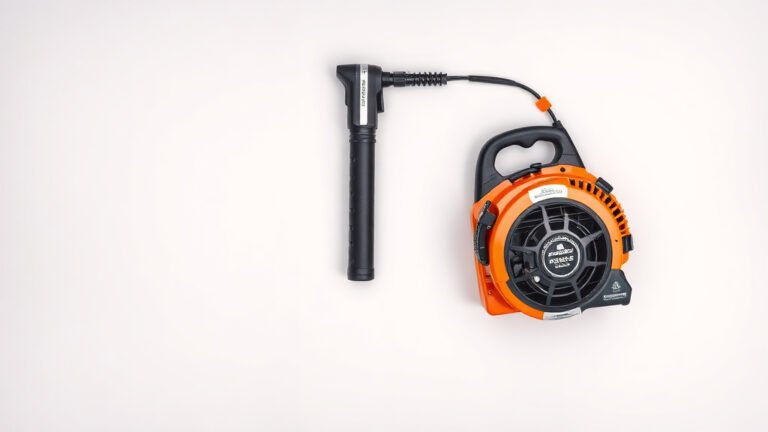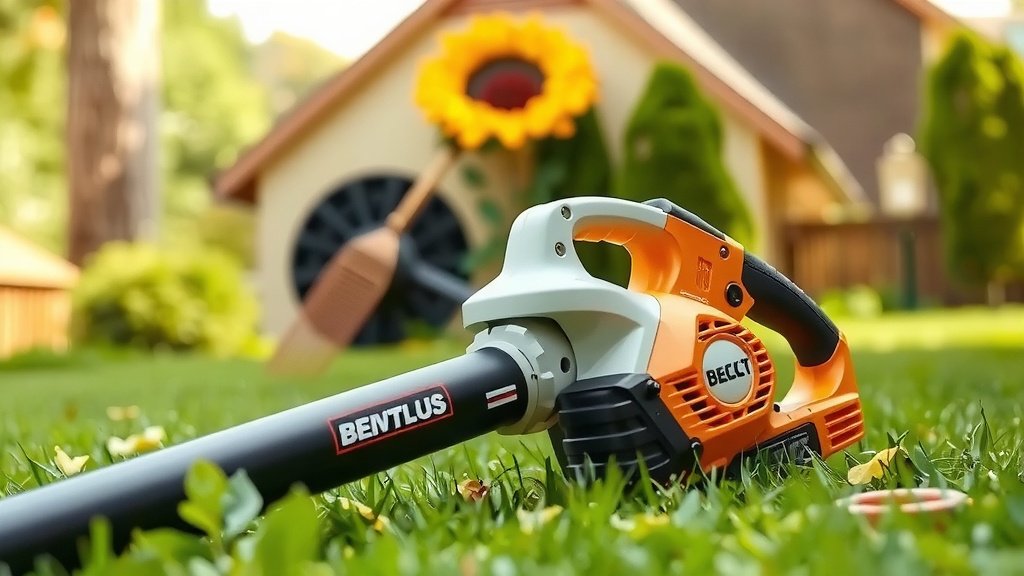
Cordless vs Corded Leaf Blower: Which Is Better?
For most homeowners, a corded leaf blower wins on raw power and value, but a cordless leaf blower wins on pure convenience. If you have a small yard and hate dealing with cords, go cordless. If you have a larger property with lots of leaves, a corded model will save you time and money.
Choosing between the two really comes down to how you live and how you work. We researched both options and found that your yard size, your storage space, and your patience for battery charging all play a huge role. The good news? You don’t need a commercial-grade machine to get the job done right, you just need the right type for your specific situation.
- Power: Corded blowers are significantly stronger and never lose power mid-job.
- Portability: Cordless blowers let you roam your entire yard without dragging a cord behind you.
- Runtime: Most cordless batteries last 20-40 minutes, which might not cover a big yard.
- Cost: Corded models are cheaper upfront and require no battery replacement costs.
- Best Pick: Choose cordless for small to medium yards and corded for big, leaf-heavy properties.
Below, we break down the full comparison to help you pick the perfect blower for your yard.
Making the Call Between Cordless and Corded Leaf Blowers
You want a clean yard without a battle. We found that matching the blower to your property size is the single best way to make that happen. Let’s walk through the big differences so you can buy with confidence today.
Think of it like choosing between a vacuum cleaner and a broom. One needs an outlet, the other goes anywhere. Both get the job done, but they fit different lifestyles.
Why Your Yard Size Matters Most
Your yard is the deciding factor, hands down. A small city lot and a sprawling suburban acre present totally different challenges. We found that most buyers overlook this simple math.
Measure your total leaf-covered area first. If you’re clearing more than a quarter acre of leaves, the numbers change fast. That’s where the cordless vs corded debate really heats up.
The Small to Medium Yard Advantage
For properties under a quarter acre, a cordless blower is your best friend. You can finish the job in under 20 minutes. That fits perfectly inside a standard battery’s runtime.
You’ll also dodge the biggest cordless complaint — running out of juice. With a small yard, you simply won’t hit that wall. The freedom of no cord makes the whole job feel faster.
When Corded Blowers Take the Lead
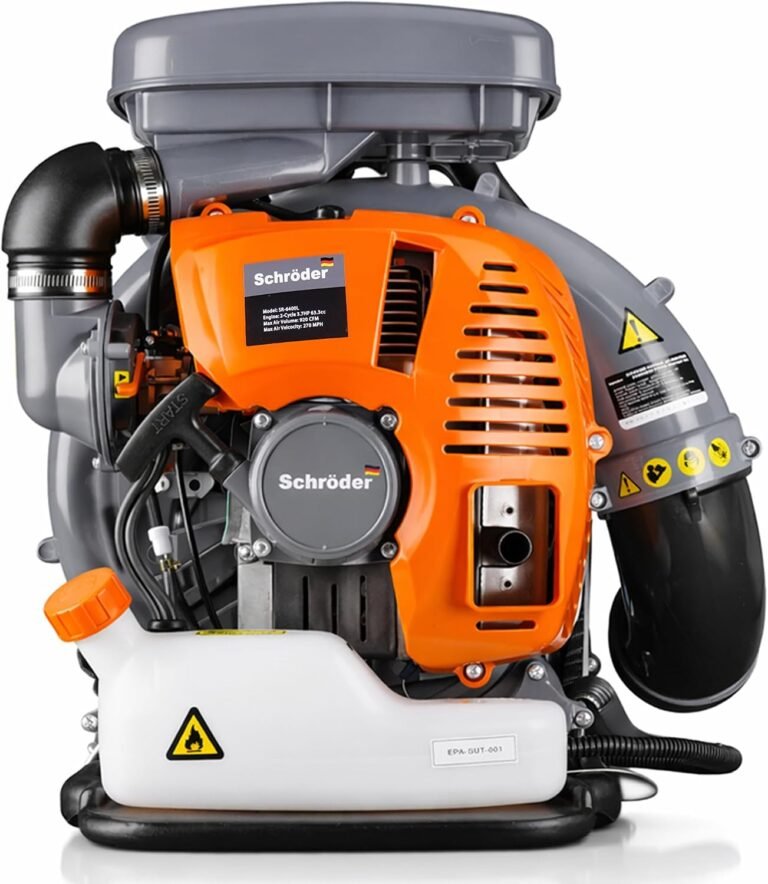
Big properties with heavy leaf drop are where corded blowers shine. They run forever, so your only limit is your own stamina. You never have to stop and wait for a recharge. For large properties, our guide to the best backpack leaf blower 2025 covers models built for heavy work.
Also, the raw power of a corded motor moves wet, heavy leaves without clogging. That’s a huge win when you’re dealing with fall’s messiest weeks. Your back will thank you.
Power and Airflow Comparison
Power is measured in CFM (cubic feet per minute) and MPH (miles per hour). We found that CFM matters more for moving large piles of leaves. MPH matters more for blasting stuck debris from tight spots.
| Spec | Cordless Leaf Blower | Corded Leaf Blower |
|---|---|---|
| Average CFM | 350–600 CFM | 400–750 CFM |
| Average MPH | 100–150 MPH | 120–200 MPH |
| Runtime | 20–40 minutes per charge | Unlimited (while plugged in) |
| Weight | Lighter (6–8 lbs) | Heavier (8–12 lbs) |
Notice the gap in the middle. Corded models simply push more air for longer. That makes them the default choice for heavy, continuous work.
Real Talk About Battery Life
Battery technology has improved, but it’s not magic. We found that most standard batteries die after 20 to 40 minutes under full throttle. That’s just physics.
Variable speed triggers help stretch runtime. But if you run max power the whole time, you’ll see the gauge drop fast. Plan for that, and the surprise disappears.
Two batteries double your time, but they double your cost too. Spare batteries often run $100 or more apiece. That adds up quickly when you price out your total setup.
Also, cold weather drains lithium batteries faster than warm weather. Many guidelines point to storing batteries indoors during winter (U.S. Department of Energy). That alone extends their useful life.
Why Corded Motors Never Quit
A corded motor pulls constant power from your outlet. There’s no voltage drop, no taper, no slowdown. It just runs until you decide to stop.
That consistency is a huge relief. You can clear your entire property in one uninterrupted pass. No waiting for chargers, no juggling spare packs.
The tradeoff is the cord itself. It can tangle around bushes and patio furniture. But for pure output, nothing beats that steady stream of electricity.
Portability and Handling
Heft matters more than you think. We found that a lighter blower reduces arm fatigue during long sessions. Your shoulders will hurt less the next morning.
Cordless Freedom in Action
Roaming cordless means you can climb a hill or circle the house without tripping. You can even reach that awkward strip behind the garage without wrestling an extension cord.
Most cordless units weigh between 6 and 8 pounds. That’s light enough for most adults to hold with one hand. Quick breaks are easy because you can set it down anywhere.
Managing the Cord’s Reach
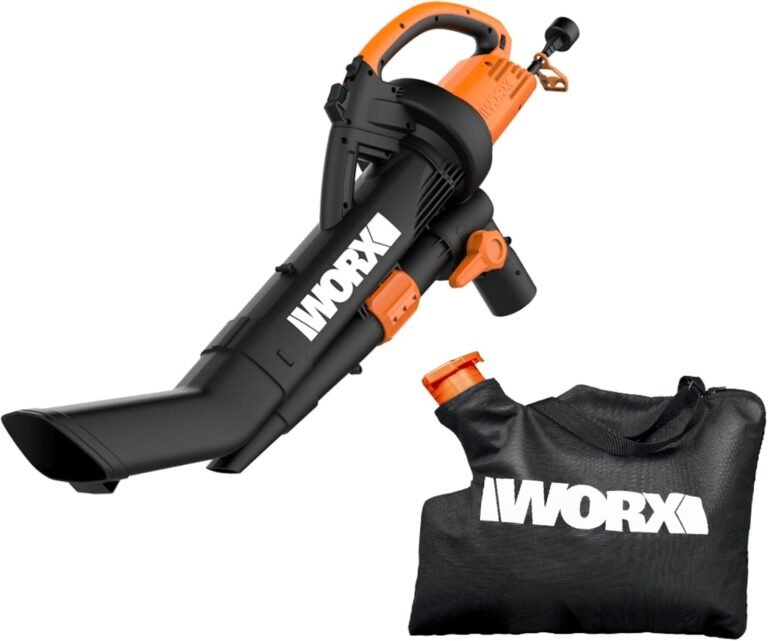
Corded blowers require an extension cord rated for outdoor use. You’ll want a 14-gauge or heavier cord to avoid voltage drop. A 100-foot cord adds some drag, but it’s manageable.
The cord also means you’re tethered to an outlet. That can be tricky in fenced yards or long driveways. You might need to work in sections to cover every corner.
Still, for open, flat properties, the cord is a minor annoyance. It’s a fair trade for a machine that never stops working.
Upfront Costs and Long-Term Value
Money shapes this decision more than any feature. We found that corded blowers cost significantly less at the register. That’s a big deal for budget-conscious homeowners.
The Budget-Friendly Corded Route
A solid corded blower often sells for between $40 and $80. There are no batteries, no chargers, no extra accessories to buy. What you see is what you pay.
Since they have fewer fragile parts, they also last longer on average. Many owners report 10 years or more of reliable service. That’s outstanding value per dollar spent.
The Cordless Investment Equation
Cordless blowers start around $80 and climb past $200 for premium models. That price includes the battery and charger, which drives up the initial cost.
Replacement batteries are the hidden expense. Over five years, you might spend as much on batteries as you did on the tool itself. Factor that into your long-term budget.
However, if you already own a cordless tool system, this gets cheaper. You can buy a bare tool that shares batteries with your existing drill and trimmer. That slashes your entry cost.
Noise Levels and Comfort
Both types create serious racket. We found that corded models tend to be slightly louder on average. But the difference is small enough that hearing protection is still mandatory either way.
Health guidance consistently highlights the risk of noise-induced hearing loss (CDC). So wear earplugs or earmuffs every single time you blow leaves. Your future self will appreciate it.
Vibration is another comfort factor. Lighter cordless models vibrate less in your hands. That means less tingling and numbness during extended sessions.
Maintenance and Storage Simplicity
Machines break when you neglect them. We found that both types are easy to maintain, but their needs differ. Choose the one that fits your habits.
Corded blowers have fewer components. There’s no battery to degrade and no contacts to corrode. Just keep the air intake clear and store it dry.
Cordless blowers need a bit more care. Store batteries at room temperature and avoid full discharges. A little attention goes a long way toward longevity.
Storage Space Considerations
Corded blowers are simpler to stash. Roll them into a corner or hang them on a pegboard. They take up minimal room in a garage or shed.
Cordless blowers need space for the tool plus batteries and charger. That’s not huge, but it adds up. Make sure you have a dedicated shelf or cabinet spot.
Best Use Cases for Each Type
We found that real-world scenarios make the choice clearer. Match these situations to your own life and the right pick emerges quickly.
- Small paved patios: A cordless blower clears dust and debris in minutes.
- Large wooded lots: A corded blower handles endless, heavy leaf piles.
- Apartment balconies: Cordless is perfect since there’s rarely an outdoor outlet.
- Multi-day fall cleanups: Corded keeps going through marathon sessions.
- Tool-shop loyalty: Cordless wins if you already own the same battery platform.
Final Checklist Before You Buy
Use this quick list to lock in your decision. Run through it at the store or while shopping online.
- Measure your leaf area — know your total square footage first.
- Count your outlets — corded requires access points near your yard.
- Check your existing tools — shared batteries save real money.
- Set a realistic budget — remember replacement batteries for cordless.
- Test the trigger feel — comfort matters for longer jobs.
- Buy spare safety gear — earmuffs and safety glasses are non-negotiable.
Take these steps and you’ll walk away with a blower that fits your yard, your budget, and your back. No regrets, just clean gutters and tidy lawns.
Conclusion
You now have the full picture. Cordless blowers give you freedom to roam, while corded models deliver nonstop power that never quits. For small yards under a quarter acre, go cordless and enjoy the lightweight convenience. For larger, leaf-heavy properties, a corded blower is the smarter investment.
Your decision comes down to three things: yard size, budget, and patience for cords or batteries. Measure your space, check your outlets, and think about your existing tool collection. That quick review will point you in the right direction every time.
Your next step is simple. Grab a tape measure, walk your yard, and count how long it takes to clear the worst areas. Once you know that number, you’ll know exactly which blower fits your life.
Frequently Asked Questions
Can I use a cordless leaf blower for wet leaves?
You can, but you’ll want a model with high CFM ratings. Wet leaves clump together and resist airflow, so weaker blowers will struggle. Cordless units with at least 500 CFM handle damp debris reasonably well, but corded blowers still win for heavy, soaked piles.
How long does a cordless leaf blower battery take to charge?
Most standard batteries need between 30 and 60 minutes for a full charge. Some fast chargers cut that down to around 20 minutes. You’ll want a spare battery if your yard takes longer than one charge to clear.
Is a corded leaf blower safe to use in light rain?
It’s not recommended. Water and electricity create serious safety risks, even with a GFCI outlet. Wait for dry conditions or use a cordless model if you absolutely must clear damp leaves. Your safety comes first.
What gauge extension cord do I need for a corded leaf blower?
Use a 14-gauge cord for runs up to 100 feet. For longer distances, step up to a 12-gauge cord to prevent voltage drop. A thinner cord makes your blower run weaker and can overheat.
Do cordless leaf blowers work with any battery brand?
No, batteries are brand-specific and often platform-specific within the same brand. A Dewalt battery won’t fit a Ryobi blower. Stick with one tool brand family so all your batteries work across your equipment.