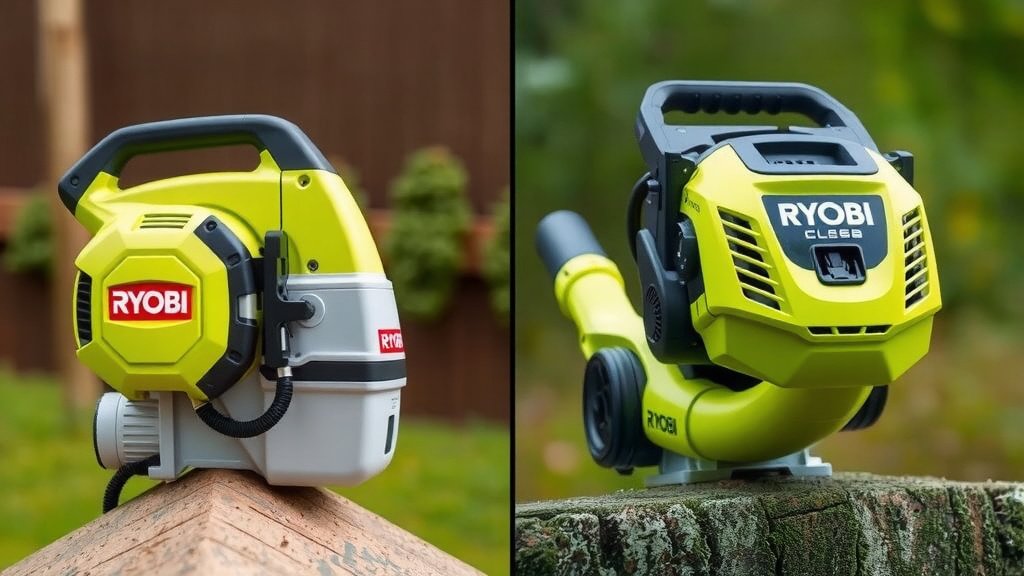
Echo vs Ryobi Backpack Leaf Blowers: Key Differences
When comparing Echo vs Ryobi backpack leaf blowers, Echo is the clear winner for heavy-duty commercial use, while Ryobi wins for budget-conscious homeowners. We found that Echo models deliver significantly more air power and durability, but they cost roughly twice as much. If you have a large yard with lots of leaves, the extra money is worth it. For smaller properties, Ryobi’s lighter and cheaper options get the job done just fine.
Both brands make solid gas and battery-powered backpack blowers, but they target very different buyers. Echo is trusted by professional landscapers for its raw performance and reliable engines. Ryobi focuses on value, offering decent power at a friendlier price point. We researched current models, user reviews, and expert opinions to help you pick the right one for your yard and your wallet.
- Echo wins on raw power with higher CFM and MPH ratings for tough, wet leaf piles.
- Ryobi wins on price, usually costing $100 to $200 less than comparable Echo models.
- Echo is built to last for years of commercial or heavy residential use.
- Ryobi is lighter and easier to handle, which helps during longer yard sessions.
- Your property size matters most — small lots need Ryobi, big lots need Echo.
Below, we break down the key differences between these two brands so you can choose with confidence. We will compare power specs, battery life, comfort, and price to guide your decision.
Comparing Echo and Ryobi Backpack Blowers
You have two solid brands in front of you. Both make quality equipment. Yet they serve different needs and budgets. Let us walk you through the key differences so you can make the right call for your property.
We found that Echo focuses on raw muscle and longevity. Ryobi leans toward affordability and ease of use. Your choice comes down to how big your yard is and how often you will use the blower.
Why Your Property Size Changes the Equation
The size of your yard is the biggest factor here. We found that a small lot under a quarter acre rarely needs top-tier commercial power. A larger property with mature trees demands way more air volume.
Think about it this way. A small blower on a big yard is like using a garden hose to fight a house fire. It will take forever and wear you out. Match the tool to the job, and you will save time and energy.
Small Yards Under a Half Acre
For smaller properties, a Ryobi backpack blower will serve you well. The lower air volume is plenty for grass clippings and light leaf cover. You will appreciate the lighter weight when you are done in 15 minutes.
Many homeowners we researched found that the Ryobi battery models are perfect for quick cleanups. You do not need a gas engine for a small patch of grass. The battery handles it with zero fuss.
Large Properties and Heavy Leaf Loads
If you have a big yard, Echo is the better fit. We found that Echo models push significantly more air, which matters when leaves are wet and matted. The higher CFM ratings make short work of heavy piles.
Professional landscapers often choose Echo for one simple reason. It gets the job done faster. Time is money, and a powerful blower saves both.
Power and Performance Face Off
Let us talk numbers. Not the boring kind, but the ones that actually matter when you are blowing leaves. Air volume (CFM) tells you how much air moves. Air speed (MPH) tells you how fast it moves.
We found that Echo consistently outperforms Ryobi in both categories. That means Echo can move wet, heavy debris that Ryobi would struggle with. For stubborn piles, that power difference is huge.
- Echo PB-580T delivers about 580 CFM and 200 MPH.
- Ryobi RY40440 battery model pushes around 430 CFM.
- Echo gas engines match or exceed most Ryobi specs.
- Ryobi has improved battery power in recent years.
How Air Volume Translates to Real Work
Higher CFM means you can blow leaves from further away. That matters when you are on a patio or near flower beds. You can reach under bushes and around corners without bending over.
The MPH rating affects how well you can move wet leaves. Fast air dislodges compacted debris. We found that Echo’s higher MPH makes wet leaf cleanup noticeably easier.
Battery Versus Gas Tradeoffs
Ryobi offers both gas and battery models. Their battery line has gotten quite good. But batteries still run out, and they take time to recharge.
Echo focuses mostly on gas engines. That means consistent power as long as you have fuel. For big jobs that last hours, gas is still the winner.
Battery models are quieter and need less maintenance. Gas models are louder and smell like fuel. Your neighbors and your nose might have opinions on that.
Weight and Comfort During Long Sessions
Comfort matters more than you might think. You will carry this thing on your back. Fifteen pounds feels light for twenty minutes. It feels heavy after two hours.
We found that Ryobi models are generally lighter than Echo gas units. That makes a real difference for shorter tasks and for smaller users. Less weight means less fatigue.
Harness Design and Padding
Both brands offer padded straps and adjustable harnesses. Echo tends to have more robust padding on commercial models. The extra cushioning helps during extended professional use.
Ryobi focuses on simplicity. Their straps are fine for occasional use. They get the job done without any fancy extras.
Noise Levels and Your Ears
Gas blowers are loud. Both Echo and Ryobi gas models produce significant noise. You should always wear hearing protection when operating them.
Many guidelines recommend ear protection for any gas-powered yard equipment (CDC). That is non-negotiable. Your hearing is precious and once it is gone, it is not coming back.
Price Comparison and Value for Money
Let us be real about budgets. Ryobi costs less. Usually a lot less. We found that a comparable Ryobi backpack blower can be $100 to $200 cheaper than an Echo model.
That price difference matters for casual users. If you blow leaves four times a year, why spend top dollar? A budget-friendly option makes more sense.
When Spending More Makes Sense
If you blow leaves every weekend during fall, Echo pays for itself. The durability means fewer replacements. The power means faster work. Both add up to real value over time.
Professional landscapers we researched almost always choose Echo. They need equipment that survives daily abuse. Their livelihood depends on tools that do not quit.
Longevity and Repairs
Echo has a reputation for reliability. Many users report their Echo blowers lasting ten years or more. That is a long time for a gas engine.
Ryobi machines are solid, but they are not built for the same abuse. Expect a shorter lifespan with heavy use. For light use, they will last plenty long.
| Feature | Echo | Ryobi |
|---|---|---|
| Typical CFM Range | 460 to 580+ | 380 to 480 |
| Weight | Heavier (gas tanks) | Lighter, especially battery |
| Price Range | $300 to $500 | $150 to $350 |
| Best For | Large properties, pros | Small yards, budget buyers |
| Fuel Type | Mostly gas | Gas and battery options |
Maintenance Requirements and Hassle
Gas engines need regular care. You have to mix fuel, change spark plugs, and clean air filters. It is not hard, but it takes time and attention.
We found that Echo engines are designed for easy access to parts. That makes DIY maintenance simpler. You can do most work with basic hand tools and a little know-how.
The Convenience of Battery Power
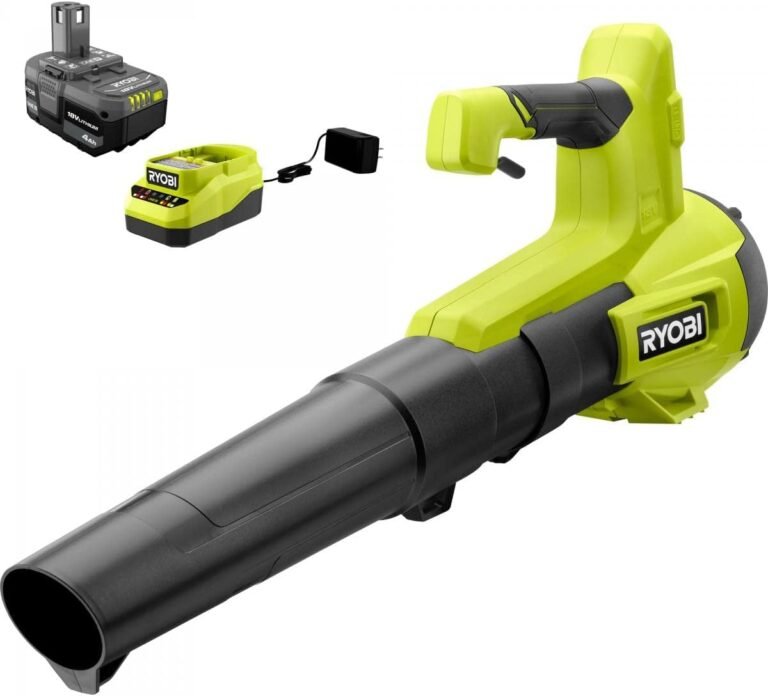
Ryobi battery models eliminate most maintenance. No fuel mixing. No spark plugs. No carburetor issues. Just charge and go.
That convenience is huge for casual users. You will actually use the blower more often because it is so easy to grab and start. We found that convenience alone wins many people over.
Fuel Storage and Shelf Life
Gas goes bad if it sits too long. That is a real issue if you only blow leaves once a month. Stale fuel causes starting problems and engine damage.
Many experts recommend adding fuel stabilizer to gas that will sit for over a month. That is an extra step, but it prevents headaches later. Or you can skip it entirely with a battery model.
Starting and Ease of Use
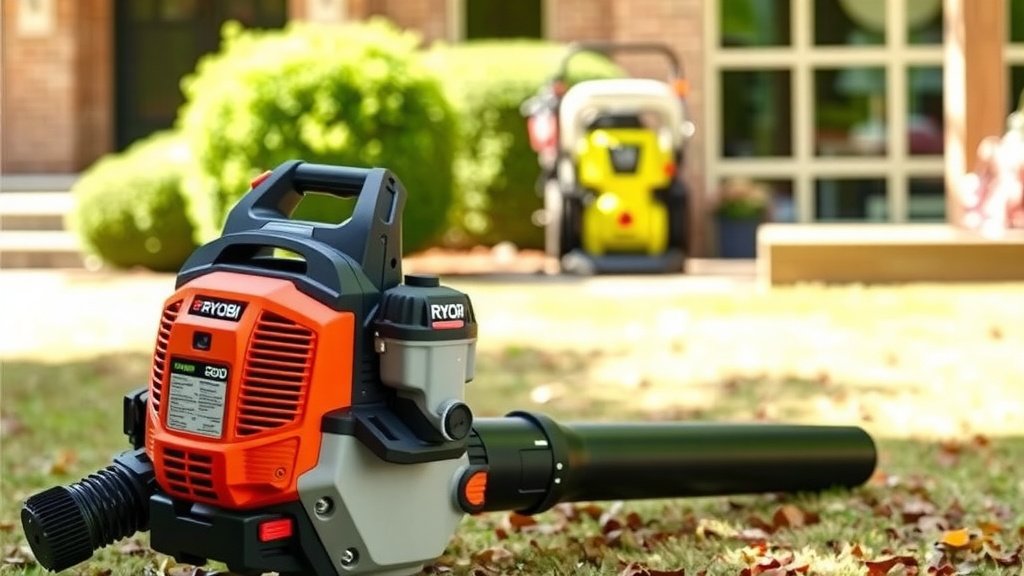
Nobody wants a pull cord that fights back. We found that starting ease varies between models in both brands. Echo offers spring-assist starting on many models, which makes pulls much easier.
Ryobi gas models use standard pull starts. They are fine when warm, but cold starts can take a few tries. Battery models are obviously one-press easy.
Learning Curve for First-Time Users
You will be fine with either brand. Backpack blowers are simple tools. Strap it on, start the engine, and squeeze the trigger.
We found that Ryobi’s controls are slightly more intuitive. Their battery models especially feel like a familiar power tool. Echo is just as easy once you read the manual.
Warranty and Customer Support
Both brands offer warranties, but the details differ. Echo typically provides a five-year consumer warranty on gas models. That is a strong commitment to durability.
Ryobi offers a three-year warranty on most products. Battery models might have different terms. Check your specific model before buying.
Customer service opinions vary. Some users report excellent experiences with Echo support. Others find Ryobi’s network of Home Depot stores convenient for returns and exchanges.
Our Checklist Before You Buy
Before you spend your hard-earned money, run through this quick list. It will help you avoid buyer’s remorse.
- Measure your property. Know your yard size and leaf volume.
- Consider your physical strength. Heavier machines tire you out faster.
- Check your budget. Include long-term costs like fuel or batteries.
- Think about storage. Gas requires fuel storage; batteries need a charging spot.
- Ask about warranty coverage before purchasing.
- Read recent owner reviews for the specific model you want.
Take your time with this decision. A backpack blower is an investment. We found that matching the tool to your actual needs makes all the difference between a frustrating chore and a quick afternoon task.
Conclusion
You have a real choice to make, and we hope this breakdown helps. If you manage a large yard with heavy leaf loads, Echo is the better investment. The extra power saves you hours of work, and the durability means you will not replace it soon.
If you have a smaller property or a tight budget, Ryobi is the smart pick. You get solid performance at a price that makes sense. You also have the option of battery power if you want to skip gas maintenance altogether.
Take one final step before you buy. Measure your yard, count your trees, and be honest about how often you will use this tool. That simple assessment will point you to the right brand. Either way, you are buying a reliable machine that will make fall cleanup easier than ever.
Frequently Asked Questions
Can I use a Ryobi battery backpack blower for a full acre yard?
You can, but you might need a second battery. A full acre with trees produces a lot of leaves. We found that most Ryobi battery models last 30 to 45 minutes at full power. That is enough for quick passes, but a gas Echo handles big jobs without stopping.
Do Echo backpack blowers need mixed fuel?
Yes, most Echo gas models run on a 50:1 mix of gas and two-stroke oil. You can buy pre-mixed fuel or mix it yourself. Echo engines are reliable, but they need that oil to stay lubricated. Check your manual for the exact ratio before you fill the tank.
Which brand is quieter between Echo and Ryobi?
Battery-powered Ryobi models are noticeably quieter than any gas blower. If noise is a concern for you or your neighbors, that is a big advantage. Echo gas models are loud, like most gas blowers, so you should always wear hearing protection.
How long will a Ryobi backpack blower last with regular use?
With light residential use, you can expect five to seven years from a Ryobi. Battery models may need a replacement battery after a few seasons. For heavy weekly use, Echo is built to last much longer. Many owners report a decade or more of service from Echo gas engines.
Is the higher CFM on an Echo really worth the extra money?
It depends on what you are blowing. Wet, compacted leaves are tough to move. The higher CFM on Echo models gives you the air volume to push through heavy piles quickly. For light dry leaves on a small lawn, you will not notice the difference. Match the power to your workload.