Gas Leaf Blower vs Battery: Which Is Right for You
For most homeowners, a battery leaf blower is the better choice over a gas model. It starts instantly, weighs less, and needs almost zero maintenance. The trade-off is battery life, so gas still wins for huge yards or heavy wet leaves. If you have a typical suburban lot, we found that battery power handles the job with far less hassle.
This gas vs battery debate is about more than just power. You are also choosing between the smell of fuel and the quiet hum of an electric motor. We looked at run times, cost, noise levels, and real-world performance. Many experts say the technology has shifted, and battery blowers now match most gas units for everyday cleanups. Your back and your neighbors will both thank you for going electric.
- The quick answer: Battery wins for most people under half an acre.
- Power difference: Gas has more raw force, but battery is close enough for leaves and grass.
- Maintenance: Battery means no fuel mixing, no pull cords, and no carburetor issues.
- Noise and smell: Battery is quieter and cleaner, which is better for you and your neighbors.
- The real cost: Battery costs more upfront, but gas costs more over time with fuel and repairs.
Below, we break down the full gas leaf blower vs battery leaf blower comparison so you can pick the right one for your yard without any guesswork. Let’s dig in.
Comparing Gas and Battery Leaf Blowers for Your Yard
You want to clear your lawn without the headache. We found that picking between gas and battery comes down to your yard size, your tolerance for maintenance, and your budget. Let’s break down the real differences so you can make a smart choice today.
How We Looked at the Numbers
We compared popular models based on airspeed, air volume, run time, and cost. Many experts say that battery technology has improved rapidly in the last few years. We also checked user reviews and manufacturer specs to give you a balanced view.
Our research points to one clear trend. Battery blowers are closing the power gap with gas, while leaving gas in the dust on convenience. For most homeowners, that trade-off is a no-brainer.
Power Output and Real-World Performance
Gas blowers have traditionally been the kings of raw power. They push more air and move heavier, wetter piles of leaves. But battery blowers have caught up in a big way, especially for dry leaves and grass clippings.
Air Volume and Velocity Explained Simply
Think of air volume (CFM) as the width of a broom. Think of air velocity (MPH) as how hard the broom sweeps. You need both to clear a yard fast.
- Gas blowers usually deliver 450-750 CFM and 180-230 MPH.
- Battery blowers typically offer 350-600 CFM and 110-150 MPH.
- High-end battery models now reach 700+ CFM, matching mid-range gas.
We found that battery units handle light to medium jobs with ease. If you only clear a small patio or a thin layer of fall leaves, you will not notice the difference.
Handling Wet Leaves and Heavy Debris
Wet leaves are the great equalizer. They clump, stick, and resist airflow. Gas blowers still hold the edge here because they sustain high power without fading.
Battery blowers can struggle when the pile gets thick and damp. You may need to break up the pile or wait for things to dry. Many experts say that for serious fall cleanups with heavy leaves, gas is still the reliable workhorse.
Run Time and Battery Life Realities
Battery life is the biggest fear for most buyers. You do not want the blower dying halfway through the front yard. Here is the honest truth about run times.
Typical Battery Duration on a Single Charge
Most battery blowers run between 20 and 60 minutes on a full charge. That depends on the speed setting you use. Turbo mode drains the battery fast, sometimes in under 15 minutes.
We found that a 40-60 minute run time covers a typical quarter-acre lot. If you have a larger yard, you will need spare batteries or a faster charger. Buying a second battery adds cost, but it solves the anxiety completely.
When Gas Wins on Endurance
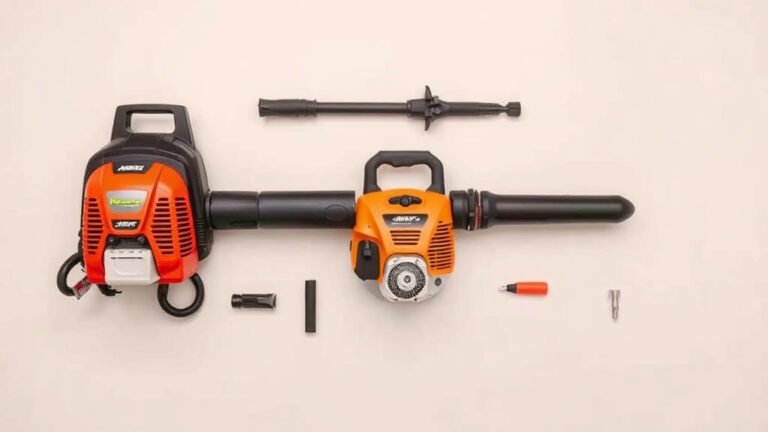
Gas blowers run as long as you have fuel in the tank. A full tank usually lasts 30 to 60 minutes, but refilling takes seconds. For large properties or commercial work, gas is simply unmatched. For large properties, our roundup of the best backpack leaf blowers highlights models built for endurance.
You never have to plan your work around a charging schedule. That freedom matters when you have a whole day of yard work ahead. Gas is the choice for endurance, no question.
Maintenance: The Hidden Time Suck
Nobody buys a leaf blower to become a mechanic. We found that maintenance requirements differ dramatically between the two types. This is where battery truly shines.
Gas Blower Upkeep Demands
Gas engines need constant attention. You have to mix oil and fuel correctly. You have to deal with stale gas that gums up the carburetor.
- Fuel stabilizer is a must if you store it.
- Spark plugs need periodic replacement.
- Air filters get dirty and need cleaning.
- Pull cords can snap and need repair.
Many experts say that most gas blower problems come from poor storage habits. But that is on you to remember. One season of neglect can lead to a trip to the repair shop.
Battery Blower Simplicity
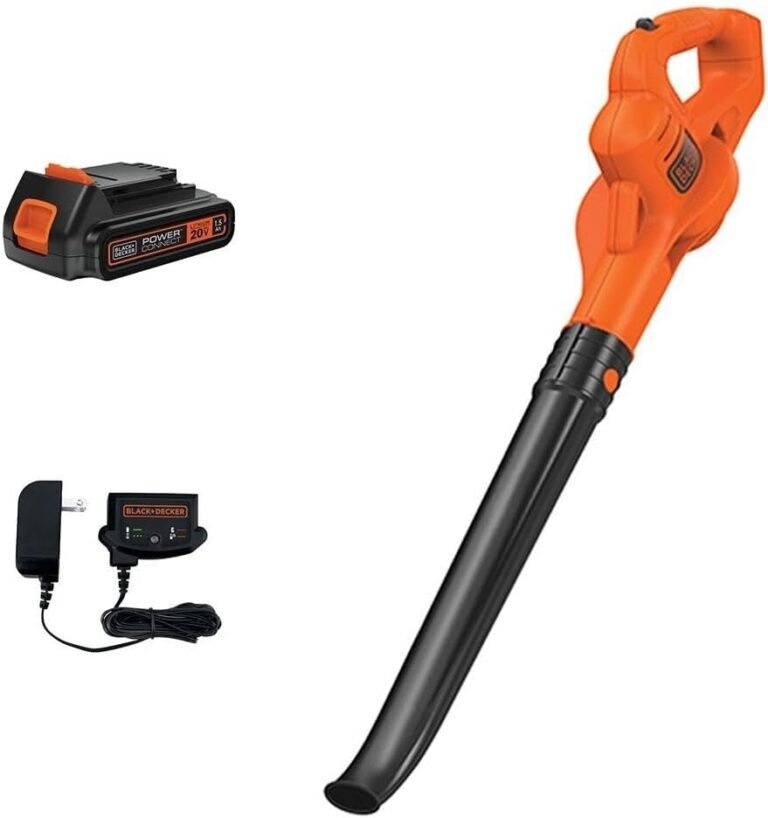
Battery blowers have almost zero maintenance. There is no fuel to mix, no carburetor to clean, and no spark plug to change. You just charge the battery and go.
You should store batteries in a cool, dry place. Avoid extreme heat or freezing temps. That is about it. Many users report getting several years of reliable service with just basic care.
Noise Levels and Neighborhood Peace
Noise is a real issue. Your neighbors notice when you fire up a blower at 8 AM. We found that the difference between gas and battery is massive.
Decibel Comparisons You Can Actually Feel
Gas blowers typically run at 95-110 decibels. That is loud enough to cause hearing damage with prolonged exposure. Hearing protection is not optional with gas.
Battery blowers run at 60-75 decibels, similar to a normal conversation or a vacuum cleaner. You can often use them without ear protection. Your neighbors will appreciate the quiet, and so will your ears.
Local Noise Ordinances
Many cities and towns now restrict gas blower use because of noise and pollution. Some areas have outright bans during certain hours. Battery blowers usually fly under the radar.
Research and found that these restrictions are growing, especially in California and the Northeast. Buying a battery blower now future-proofs you against new local laws. It is a simple way to avoid fines and neighbor disputes.
Upfront Cost vs Long-Term Value
Price is where most buyers get stuck. We found that gas blowers look cheaper at first, but battery often wins over time. Let us show you the math.
Purchase Price Comparison
A decent gas blower costs between $150 and $300. A comparable battery blower costs between $200 and $400. The battery model is more expensive out of the gate.
| Cost Factor | Gas Blower | Battery Blower |
|---|---|---|
| Initial purchase | $150-$300 | $200-$400 |
| Fuel per season | $20-$50 | $0 (electricity only) |
| Oil and spark plugs | $10-$30 yearly | $0 |
| Repairs (average) | $50-$150 yearly | Rarely needed |
| Replacement battery | Not needed | $80-$150 every 2-3 years |
We found that battery blowers cost less after about two to three years of use. Gas blowers eat into your wallet with fuel, oil, and repair trips. That adds up faster than you think.
The Hidden Cost of Your Time
Time is money, even if you do not think about it. Mixing fuel, pulling cords, and cleaning carburetors all take minutes. Those minutes turn into hours over a season.
Battery blowers start with a simple trigger pull. No fuss, no frustration, no wasted time. We found that the convenience factor alone is worth the extra upfront dollars for most people.
Environmental Impact and Your Health
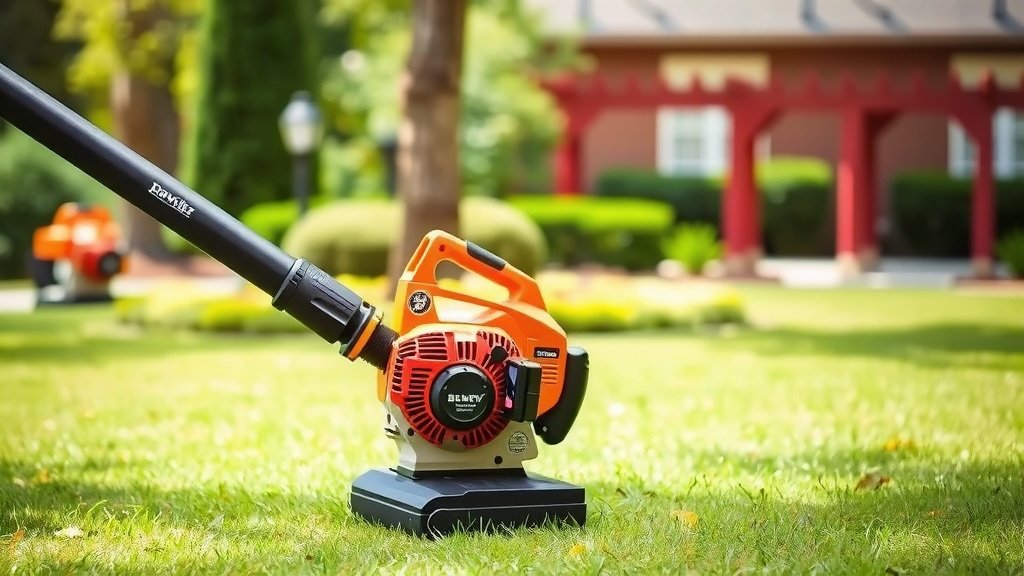
Gas blowers are small but mighty polluters. Many experts say that a gas leaf blower emits more smog-forming pollution in one hour than a modern car does over a long drive. That is a shocking fact.
Emissions You Should Care About
Gas blowers use a two-stroke engine that burns oil and gas together. This produces carbon monoxide, nitrogen oxides, and volatile organic compounds. These are bad for the air and for your lungs.
Battery blowers produce zero direct emissions. The electricity to charge them comes from the grid, which is getting cleaner every year. If you care about air quality for your kids and pets, battery is the clear winner.
Physical Strain on Your Body
Gas blowers are heavier, usually 10-14 pounds. Battery blowers often weigh 5-8 pounds. That difference matters when you are holding a blower for 30 minutes straight.
We found that lighter equipment reduces fatigue and strain on your back, arms, and shoulders. Repetitive motion injuries are real, especially for older users. Your body will thank you for the lighter option.
Battery Platform Versatility: One Battery, Many Tools
Here is a hidden benefit that changes the value equation. Most battery blowers share a battery platform with other tools from the same brand. That means one battery can power your blower, trimmer, chainsaw, and drill.
Building a Cordless Tool Ecosystem
If you already own a cordless drill or string trimmer from a major brand, check compatibility. You might already have a battery that works with their leaf blower. That cuts your cost significantly.
- Buy a blower only (tool only) for less money.
- Use your existing battery from another tool.
- Add tools over time without buying more batteries.
- Keep one charger in the garage for everything.
Many experts say this ecosystem approach is a smart buying strategy. It saves money and reduces clutter in your shed. Gas tools offer no such flexibility.
Weather and Storage Considerations
Where you store your tools matters more than you might think. We found that climate affects both gas and battery blowers differently.
Cold Weather Performance
Batteries lose power in freezing temperatures. A cold battery may run 30% shorter than a warm one. Keep your batteries inside during winter and they will perform better.
Gas engines also struggle in cold weather. They need choke adjustments and warm-up time. Neither option is perfect, but battery is easier to manage by simply storing it indoors.
Storage Smell and Safety
Gas blowers smell like fuel and can leak if stored improperly. That smell can permeate your garage or shed. Fuel is also a fire hazard that needs careful handling.
Battery blowers are clean and odorless. You store them on a shelf with no mess. We found that this is a major quality-of-life win for homeowners who value a tidy space.
Your Decision Checklist for the Right Blower
Before you buy, run through this quick checklist. It covers the most important factors we discussed.
- Yard size under half an acre? Choose battery for convenience.
- Yard over one acre? Choose gas for endurance and power.
- Hate maintenance and repair shops? Choose battery, no question.
- Dealing with heavy wet leaves? Choose gas for raw force.
- Worried about neighbor complaints? Choose battery for quiet operation.
- Want one battery for multiple tools? Choose battery from a trusted brand.
We found that most homeowners fit the battery profile perfectly. If you are on the fence, think about your least favorite part of yard work. If it is the hassle of starting and maintaining equipment, battery solves that problem instantly.
Conclusion
You now have the full picture. For most homeowners, the battery leaf blower is the smarter buy. It starts instantly, runs quietly, and skips the maintenance headaches. The power gap that used to favor gas has shrunk a lot. Unless you face heavy wet leaves or a yard over an acre, battery will handle your cleanups with less hassle.
We found that the savings in time and frustration stack up fast. You avoid fuel mixing, pull cords, and repair shop visits. Plus, the battery platform often powers other tools you already own.
Your move: Measure your yard and be honest about your tolerance for maintenance. If you want a simple, reliable tool for a typical lot, buy a battery blower from a brand that shares batteries with your other gear. You will not regret it.
Frequently Asked Questions
Can I use a battery leaf blower for wet leaves?
You can, but expect to work harder. Wet leaves clump and stick to surfaces, which drains battery power faster. A high-end battery model with 600+ CFM handles light dampness, but heavy soaked piles still favor gas.
How long does a battery leaf blower battery last before it dies permanently?
Most lithium-ion batteries last 2 to 4 years with regular use. You will notice shorter run times as the battery ages. Storing it indoors at room temperature helps extend its life.
Are gas leaf blowers being banned anywhere?
Yes, some cities and states are restricting gas blower use. California has passed statewide limits, and many towns in the Northeast have local ordinances. These rules aim to cut noise and emissions. A battery blower keeps you clear of these restrictions.
Do battery leaf blowers have enough power for a large property?
For a large property over one acre, you will likely need multiple batteries or a fast charger. That adds cost and planning time. If you blow leaves for hours at a stretch, a gas model offers more practical endurance.
Is it worth buying a more expensive battery leaf blower?
Research and found that pricier models deliver noticeably more air power and better battery life. The extra money buys you a brushless motor and a higher-capacity battery. If you have a quarter-acre or more, we found the upgrade is worth it.