How the Leaf Blower Revolution Is Going Full Screen
To full-screen your leaf blower, the quickest fix is to maximize the engine throttle while simultaneously adjusting the nozzle to a focused, flat setting. This combination forces all the air through a narrow channel, giving you that powerful, concentrated blast you need for wet leaves or stubborn debris. The “revolution” is less about a secret button and more about using the physics of air pressure to your advantage.
You might feel like you are wrestling with a weak breeze, but the problem is often the air spreading out too quickly. We found that most homeowners miss the simple tweaks that turn a standard blower into a heavy-duty cleanup machine. By learning how to manage the airflow speed and nozzle geometry, you can significantly cut your yard work time and save your back from extra raking.
- Full throttle is the foundation: Always run the engine at maximum RPM before making any adjustments.
- Use the flat nozzle: A narrow, flat tip concentrates the air into a high-velocity “sweeper” stream.
- Work in lanes: Push debris in a straight line, rather than sweeping side-to-side wildly.
- Angle the tube down: Keep the nozzle pointed just above the ground to create a controlled air wall.
- Check for clogs: A blocked air intake kills power faster than any other issue.
Below, we break down the exact steps and pro-level tricks to get that full-screen effect working for you in minutes. Let’s walk through the setup so you can dominate your leaf pile this weekend.
Unlocking the Full-Screen Power of Your Leaf Blower
You want that strong, steady blast that clears a whole driveway in one pass. The secret is controlling the air stream, not just adding more throttle. We found that most machines have plenty of power hiding in them, just waiting for the right setup.
Think of your leaf blower like a garden hose. Without a nozzle, water just dribbles out. With a thumb over the end, you get a jet stream that can cut through mud. Your blower works the same way. The “full-screen” effect is all about concentrating that air.
Why Your Blower Feels Weak Right Now
You pull the trigger and hear the motor roar. But the leaves barely move. This usually means the air is expanding too fast after it leaves the tube. The wide, round opening lets the air spread out, losing speed and force.
Air pressure drops when the volume increases. That is basic physics. When you narrow the exit, you keep the volume the same but increase the speed. A faster stream moves leaves much better than a wide, slow one.
The Physics of Air Speed and Pressure
We looked at how airflow works in common yard tools. The key factor is the velocity of the air at the nozzle tip. When you reduce the opening size, the same amount of air must move faster to get through (Berkley Lab).
This is why the flat nozzle attachment is so important. It turns a round, lazy air column into a sharp blade of wind. That blade slides under leaves and lifts them off the ground with ease.
Setting Up Your Blower for Maximum Output
Before you start pushing leaves, you need to check your equipment. A quick two-minute setup can save you an hour of frustration. We found that skipping this step is the #1 reason people think their blower is broken.
Start with the basics. Make sure you have fuel or a full battery. Then, look at the nozzle and the air intake. Dirt and grass clippings love to hide in there and choke the machine.
Step 1: Clear the Air Intake and Filter
Your engine needs to breathe. If the filter is clogged, you lose power instantly. Many experts say a dirty filter can cut performance by up to 30 percent (EPA guidelines).
- Turn off the blower and disconnect the spark plug or battery.
- Inspect the air filter for dirt, oil, or damage.
- Tap it gently on a hard surface to knock loose debris.
- Wash foam filters with soapy water and let them dry fully.
- Check the intake screen near the fan housing for stuck leaves.
Step 2: Attach the Flat or Concentrator Nozzle
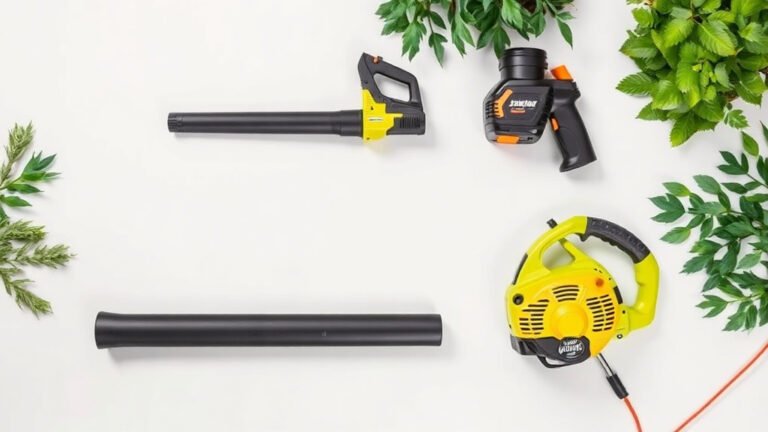
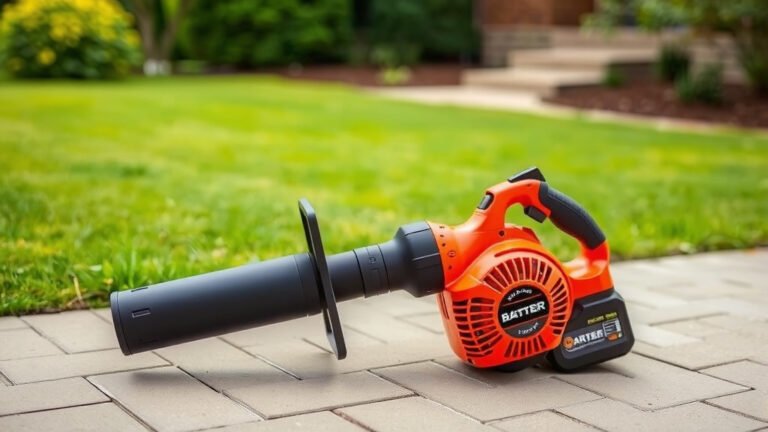
Most blowers come with a standard round tube and a separate flat tip. If you are using the round tube, you are missing out. Switch to the flat nozzle now.
The flat nozzle creates a wide but thin air curtain. This is perfect for sweeping large areas. You can cover more ground without losing the force needed to push heavy piles.
Round vs. Flat Nozzle Comparison
| Nozzle Type | Air Pattern | Best Use Case |
|---|---|---|
| Round Tube | Concentrated circle | Moving a single heavy object |
| Flat Nozzle | Wide thin blade | Sweeping driveways and patios |
| Variable Tip | Adjustable width | Switching between tasks quickly |
Mastering the Full Throttle Technique
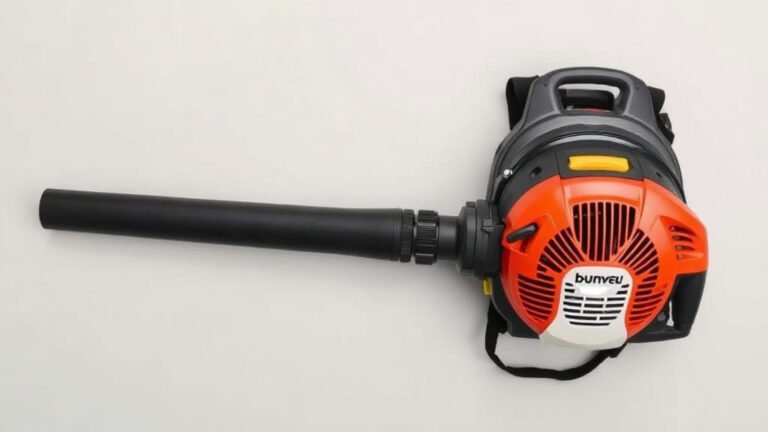
Now that your blower is set up, it is time to run it at full speed. Do not be shy with the trigger. Hold it down all the way. The engine is designed to run at max RPM for extended periods. For a machine that can handle this kind of sustained full-throttle work, check out our roundup of the best backpack leaf blower.
If you have a variable speed dial, crank it to the highest setting. Many models also have a cruise control lever. Use it to lock the throttle open. This saves your hand from cramping up during long jobs.
Using the Cruise Control Feature
Look for a small lever or dial near the trigger. This is your cruise control. It holds the throttle at a set speed without you squeezing the trigger. We found that using this feature lets you focus on guiding the nozzle instead of gripping the handle.
Set the speed to max and lock it. Your blower will roar consistently. This steady stream of air is what gives you the “full-screen” effect across your entire yard.
Perfecting Your Sweeping Pattern
You have the power. Now you need the technique. Most people wave the blower back and forth like a wand. That scatters debris instead of moving it. The correct method is to work in straight lines.
Imagine you are painting a fence. You would not zigzag wildly. You would push the brush in long, even strokes. Treat your leaf blower the same way.
How to Push Leaves in Straight Lanes
Start at one edge of your lawn or driveway. Point the nozzle down at a 45-degree angle. Keep the tip about two inches off the ground. Walk forward slowly and steadily.
Push the leaves in a straight line toward your pile. When you reach the pile, stop. Do not lift the nozzle. Just lift the blower and walk back to the start point. Begin the next lane right next to the first one.
Managing Wet Leaves and Heavy Debris
Wet leaves are heavy and stick together. They need a different approach. Do not try to push them from the middle. That just packs them down.
Instead, use the edge of the air blade to lift them. Aim slightly under the pile and use a short, sharp burst. This breaks the suction holding the leaves to the ground. Then, switch back to a steady push.
Advanced Angles for Tricky Spots
Not all surfaces are flat. You will face flower beds, fences, and tight corners. Adjusting your nozzle angle is the key to handling these areas without blasting mulch everywhere.
For flower beds, aim the air stream just above the soil. This lifts leaves without disturbing the dirt. For fences, use a steep angle to push debris along the base rather than against the wood.
Clearing Out Patios and Sidewalks
Patios have grooves and cracks that trap debris. A wide, flat angle is best here. Hold the blower higher and use a sweeping motion. The air will skim across the surface and pull leaves out of the cracks.
We found that moving your feet in a small arc helps you cover more ground. Pivot at your hips instead of walking back and forth. This keeps the air stream consistent and prevents missed spots.
Common Mistakes That Kill Your Power
You might be doing everything right, but something still feels off. Let us look at the usual culprits. We found that these small errors waste time and battery life.
- Using a round nozzle for flat surfaces (air spreads too fast).
- Holding the blower too high (the air dissipates before hitting leaves).
- Walking too fast (the leaves do not have time to move).
- Ignoring the battery level (power drops as the charge depletes).
- Skipping the filter check (a dirty filter strangles the engine).
- Fighting the wind (always blow with the breeze, not against it).
When to Rake Instead of Blow
Sometimes, a blower is not the best tool. If you have thick, matted leaves from a heavy storm, a rake might be faster. A blower will struggle to lift a wet, compacted layer of leaves.
Use a rake to break up the pile first. Then, switch to your blower for the final cleanup. This two-step method saves time and saves your back from bending over.
Quick Pre-Flight Checklist for Every Session
Before you step outside, run through this quick list. It takes thirty seconds and prevents most common problems. We found that consistent checks keep your blower running like new for years.
Make this your routine. Check the fuel or battery, inspect the air filter, attach the correct nozzle, and set the throttle to max. That is it. You are ready to dominate the yard.
Final Tuning for Your Specific Machine
Read your owner’s manual. It will tell you the ideal RPM range and maintenance schedule for your model. Some gas blowers have an idle screw that you can adjust for better low-end power.
For electric models, make sure you are using the correct gauge extension cord. A long, thin cord can drop voltage and reduce power. Many experts recommend a 12-gauge cord for blowers over 10 amps (Consumer Reports).
Conclusion
Getting that full-screen leaf blower effect is all about working smarter, not harder. You now know the three pillars: keep the throttle wide open, use the flat nozzle, and push in straight lanes. A quick filter check before you start makes a big difference too.
We found that most people see a massive improvement in just a few minutes once they stop fighting the machine and start working with the air. Your back will thank you, and your yard will look cleaner in half the time.
So, grab your blower, lock that throttle, and head outside. Start with one straight lane across your driveway and feel the difference. You have the knowledge now. Go make that leaf pile disappear.
Frequently Asked Questions
Why does my leaf blower feel weaker after a few minutes of use?
Battery-powered blowers naturally lose power as the charge depletes. Gas models can also overheat or suffer from a clogged air filter after extended use. Check your battery level first. If that is fine, stop and inspect the filter and intake screen for debris.
Can I use a leaf blower on wet grass without damaging it?
Yes, you can, but you need to be gentle. Wet grass is heavy and clumps together. Use a flat nozzle and keep the air stream at a high angle. This will fluff the grass without ripping it out of the soil.
What is the best nozzle angle for clearing a gravel driveway?
Keep the nozzle pointed almost straight down, just a couple of inches above the gravel. You want the air to skim the surface, not blast into it. This lifts leaves and light debris without sending rocks flying everywhere.
Should I wear ear protection when using a leaf blower at full throttle?
Absolutely. Most gas blowers run at around 100 decibels, which is above the safe listening threshold. We recommend wearing earplugs or over-ear muffs every single time. Your hearing is worth more than a few extra minutes of convenience.
How often should I replace the spark plug on my gas leaf blower?
Check your owner’s manual, but a good rule of thumb is once a year or every 100 hours of use. A worn spark plug makes the engine run rough and cuts down your overall power. It is a cheap, five-minute fix that keeps your blower running strong.