Electric vs Gas Leaf Blower Noise: Key Differences
Electric leaf blowers are quieter than gas leaf blowers, and by a lot. Most gas models hit around 90 to 100 decibels, while electric ones usually stay between 60 and 75 decibels. That is the key difference when comparing electric vs gas leaf blower noise.
That noise gap matters more than you might think. Gas blowers don’t just sound louder to your ears, they create deep, throbbing sounds that easily travel through walls and across your neighbors’ yards. Electric blowers, especially battery-powered ones, make a higher-pitched whirr that fades much faster. You’ll also avoid the smell and fumes. If you have close neighbors, small children, or just want peace and quiet, the noise level is often the deciding factor.
- Gas blowers are loud: They typically run at 90 to 100+ decibels, which can cause hearing damage in under two hours.
- Electric blowers are quieter: Corded and battery models usually sit between 60 and 70 decibels, closer to normal conversation.
- Sound type matters: Gas makes low-frequency, booming sounds that travel far; electric makes high-pitched whirrs that don’t.
- Hearing safety: You need ear protection with gas blowers, but most electric blowers are safe without it.
- Local rules: Many cities restrict gas blowers because of noise, but allow quieter electric models at more hours.
Below, we break down the exact noise numbers, real-world comparisons, and what we found about how each type performs in a typical yard. Let’s walk through what you need to know before you buy.
Comparing the Noise Output of Gas and Electric Leaf Blowers
Here’s the short answer: electric leaf blowers run at roughly 60 to 70 decibels, while gas models push 90 to 100 decibels or more. That gap of 30 decibels isn’t just a small step up, it’s a massive difference in how the sound hits your ears.
How Decibels Actually Work for Leaf Blower Noise
The decibel scale is logarithmic, not linear. We found that a 10-decibel increase doesn’t sound 10% louder, it sounds about twice as loud to your ears.
So when a gas blower hits 100 decibels and an electric one sits at 70 decibels, the gas model sounds roughly eight times louder. That’s a huge difference when you’re standing behind the machine for an hour.
The Sound Type: Low Boom vs. High Whirr
Gas engines produce low-frequency, throbbing pulses. These deep sounds bend around houses, fences, and trees with ease. That’s why you hear your neighbor’s gas blower from inside your living room with the windows closed.
Electric motors make a high-pitched whirr. That sound is more directional and gets absorbed by foliage and walls quickly. Once you’re 50 feet away, an electric blower barely registers. A gas one still grumbles in your ears.
Why Gas Leaf Blowers Sound So Loud in Practice
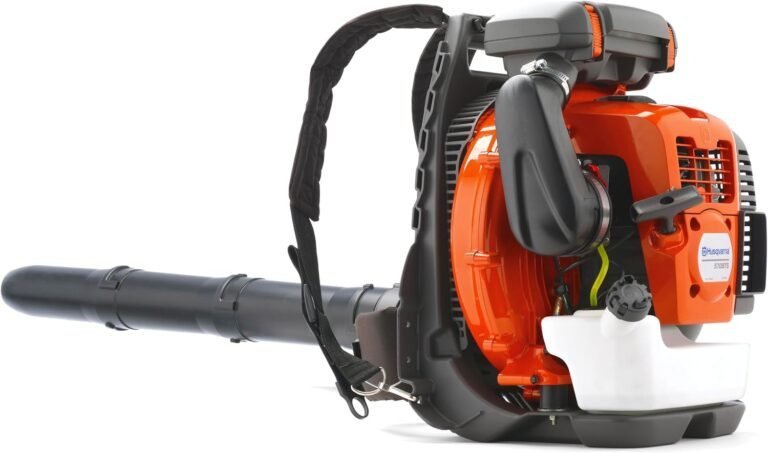
Gas blowers are noisy for two main reasons: the internal combustion engine itself and the lack of insulation around it. The engine fires hundreds of times per second, creating that signature roar.
Most gas leaf blowers simply aren’t built with sound dampening in mind. A lightweight plastic housing does little to muffle the exhaust and mechanical clatter. We found that many gas models don’t even list a decibel rating on the box, which tells you something.
Hearing Damage Risk With Gas Blowers
This is where the numbers get serious. The National Institute for Occupational Safety and Health (NIOSH) sets safe noise exposure limits at 85 decibels for an 8-hour work shift.
At 100 decibels, which is common for gas blowers, hearing damage can begin in as little as 15 minutes. We found that using a gas blower for an afternoon without ear protection is genuinely risky, not just uncomfortable.
What Experts Recommend for Ear Protection
Many experts say that anyone using a gas leaf blower should wear ear muffs or foam plugs every single time. It’s not optional. The damage is cumulative and permanent.
With an electric blower, you’re still above normal conversation levels, but you’re far less likely to cause lasting harm. Still, if you’re blowing leaves for more than an hour, a cheap pair of earplugs is a smart habit.
How Electric Leaf Blowers Compare on Real-World Decibel Readings
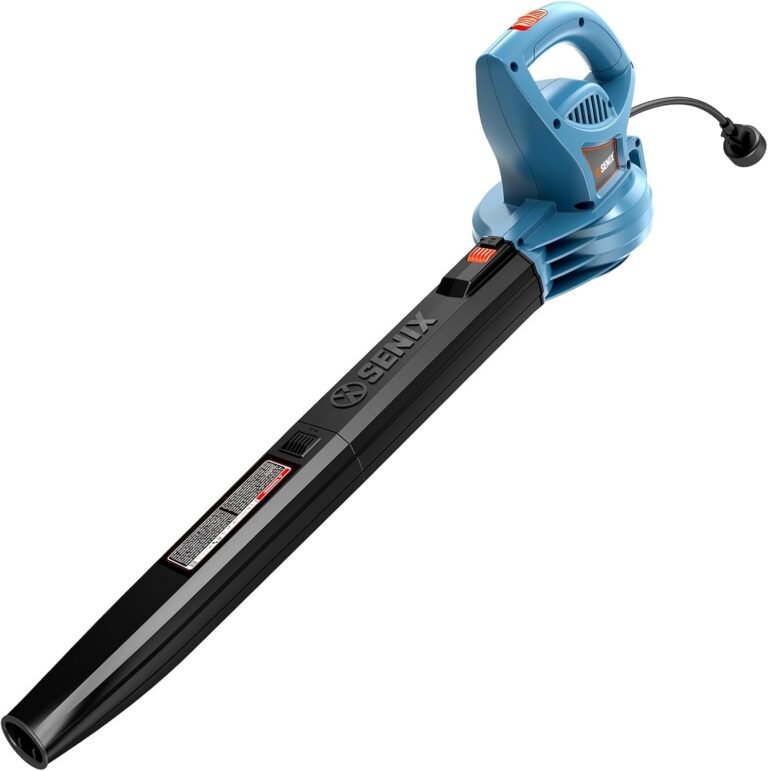
We found that corded electric blowers typically run a bit louder than battery models. That’s because corded units often have more motor power and less engineering pressure to be quiet.
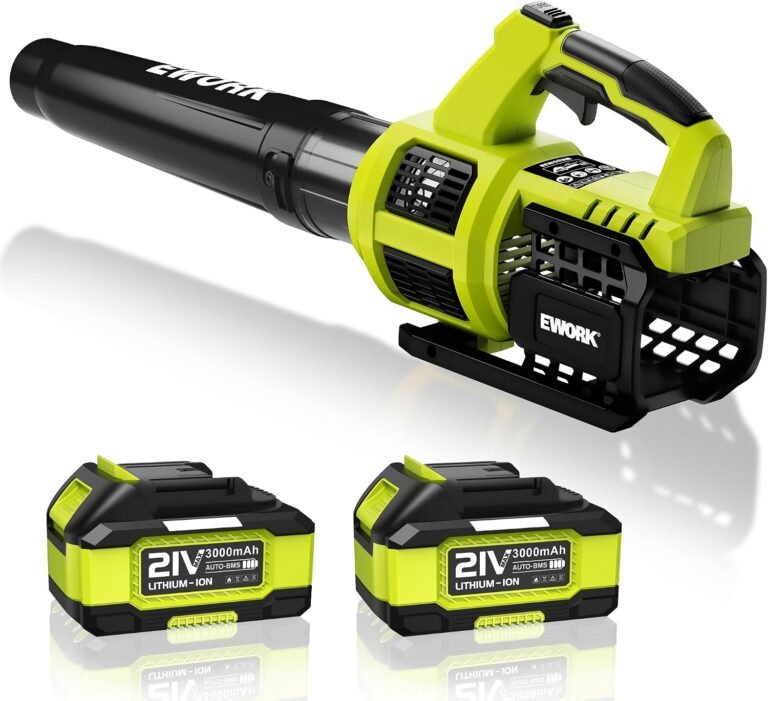
A typical battery blower sits around 60 to 65 decibels at the operator’s ear. That’s roughly the same as a dishwasher or a normal conversation. You can talk to someone next to you without shouting.
How Far Gas and Electric Sounds Travel
Sound doesn’t just vanish after a few feet. But how far it travels depends heavily on frequency and pitch. Low-frequency gas blower noise can travel 300 to 500 feet across a neighborhood. High-pitched electric whirrs drop off much faster.
Think of it this way: a gas blower is like a bass drum in a band, you feel it in your chest from across the venue. An electric blower is more like a snare drum, it’s noticeable up close but fades into the background once you move away.
| Leaf Blower Type | Typical Decibel Range | Feels Like |
|---|---|---|
| Gas backpack blower | 95–105 dB | Chainsaw or jackhammer at close range |
| Gas handheld blower | 90–100 dB | Lawn mower at full throttle |
| Corded electric blower | 65–75 dB | Vacuum cleaner or loud conversation |
| Battery electric blower | 60–70 dB | Normal chat or background music |
What Municipal Noise Ordinances Say About Leaf Blowers
City codes across the US are starting to take sides in the gas vs. electric debate. We found that over 100 cities have already restricted gas leaf blower usage, often banning them entirely during certain months.
The reasons are almost always noise complaints and air quality. Many towns limit gas blower use to certain hours like 9 a.m. to 5 p.m. on weekdays. Electric blowers get much more leeway.
Why Homeowners Associations Care About Leaf Blower Noise
HOAs are often stricter than cities. It’s common for HOAs to ban gas blowers altogether to keep the neighborhood quiet and peaceful. Violations can mean fines, not just complaints.
If you live in a planned community, we found it’s worth checking your HOA rules before buying any blower. The last thing you want is a gas blower that you can’t even use on your own property.

Why Your Own Yard Size Changes the Noise Equation
For a small yard, the noise difference might not matter much. A quick 10-minute blow job with a gas blower won’t wreck your hearing. But for a larger property, you’re looking at 45 to 60 minutes of continuous exposure.
That long exposure time is where electric really shines. Your ears stay fresher, and your neighbors are far less likely to glare at you from their porch. We found that users of electric blowers report far fewer neighbor disputes.
When a Gas Blower Might Be Worth the Noise
We’ll be honest with you: gas blowers still win on raw power. If you’re clearing heavy wet leaves, pine needles, or gravel, a gas blower moves more material per second. That power comes with the noise penalty.
But with the newest battery blowers, the power gap has narrowed significantly. For most homeowners, the quieter electric option now does more than enough work without the aural assault.
A Simple Checklist for Choosing Based on Noise
- Check your local noise ordinance hours before you buy anything.
- Measure your typical blow time, not just the yard size.
- Test the blower in person at a store, not just trust the box.
- Listen to both types at least 20 feet away, not up close.
- Think about morning or evening use when neighbors are home.
- Budget for ear protection if you plan to go with gas.
The bottom line is that electric leaf blowers give you a much quieter way to clean up your yard. The noise difference isn’t subtle or up for debate, it’s measured in deafening gas roars versus a calm electric hum. Your ears, your neighbors, and your local community will all notice the difference the moment you pull the trigger.
Conclusion
When it comes to electric vs gas leaf blower noise, the choice is clear for most homeowners. Electric models run about 30 decibels quieter, which sounds roughly eight times softer to your ears. You get the same cleanup power without the ear-ringing roar or the neighborly glares.
We found that battery blowers now handle most yards easily, and you can use them at reasonable hours without breaking local noise rules. Your hearing stays protected, and your property stays clean.
Before you buy, check your city’s noise ordinance and test a few models at the store. If you want a peaceful yard cleanup, go electric. Your ears will thank you.
Frequently Asked Questions
Is 70 decibels loud enough to damage your hearing from a leaf blower?
No, 70 decibels is generally safe for your hearing. Research shows that noise exposure only becomes risky around 85 decibels over an 8-hour period. An electric blower at 70 decibels won’t cause hearing damage, even during a long afternoon of yard work.
How far away can you hear a gas leaf blower compared to an electric one?
A gas blower can be heard up to 500 feet away, while an electric one fades out around 50 to 100 feet. The low-frequency rumble of gas engines travels much farther, especially through trees and around houses. That’s why you can hear a neighbor’s gas blower from inside your home.
Can you use a cordless leaf blower early in the morning without bothering neighbors?
Yes, most battery-powered blowers are quiet enough for early morning use, but it depends on your local rules. Many cities have specific quiet hours, and some HOAs restrict all yard work before 8 a.m. Even if it’s allowed, it’s polite to wait until at least 9 a.m. on weekends.
Why do gas leaf blowers sound louder at a distance than electric blowers?
Gas blowers produce low-frequency sound waves that bend around obstacles and carry over long distances. Electric blowers make higher-pitched sounds that get absorbed by walls, fences, and foliage quickly. This means the gas blower’s roar travels much farther than the electric whirr.
Do electric leaf blowers get louder as the battery drains?
No, electric blowers actually stay consistent in volume until the battery cuts out. Gas blowers, on the other hand, can get louder as they age or when the engine struggles. Some corded electric blowers produce more noise under heavy load, but it’s still far quieter than any gas model. If your blower gets louder over time, our leaf blower troubleshooting guide can help you diagnose the issue.