Gas Leaf Blower vs Electric: Which Is Better?
When it comes to clearing leaves, electric leaf blowers are the better choice for most homeowners. They are lighter, quieter, and require almost no maintenance. While gas blowers offer more raw power, we found electric models handle typical yards just fine without the fumes and hassle.
The debate between a gas leaf blower vs electric leaf blower is a big one. We’ve researched user experiences and expert opinions to see how they really compare. You want to get the job done fast, but you also want a machine that starts every time and doesn’t break your back. We looked at cost, noise, and power to help you decide.
- Winner for power: Gas blowers move more air, but electric is catching up.
- Winner for daily use: Electric is lighter and much easier to start.
- Winner for maintenance: Electric wins big since there is no engine to tune up.
- Winner for noise: Electric is significantly quieter for you and your neighbors.
- Winner for price: You can get a great corded electric model for under $100.
Below, we break down everything you need to know about the gas vs electric debate. We’ll walk you through the key differences in power, weight, and cost so you can pick the right tool with confidence.
Comparing Gas and Electric Leaf Blowers for Your Yard
You want a clean yard without the headache. We get it. The choice between gas and electric really comes down to how you value power versus convenience. Let’s break down the real-world differences so you can make a confident choice.
Power and Airflow Performance
Gas blowers have historically been the heavy hitters. They move massive amounts of air and handle wet, heavy leaves with ease. If you have a huge property with mature trees, that raw power matters.
But electric models have caught up in a big way. Modern battery-powered blowers offer impressive airspeeds that rival many gas units. We found that for most suburban lots, an electric blower handles the job without breaking a sweat.
Measuring Air Volume and Speed
You will see two numbers on the box: cubic feet per minute (CFM) and miles per hour (MPH). CFM measures the volume of air. MPH measures the speed of that air. Together, they tell you how much force the blower produces.
For gas blowers, you often see 450 to 600 CFM. Electric battery models usually range from 350 to 500 CFM. Corded electric blowers can push up to 700 CFM, which beats many gas units. The difference matters most with wet leaves or deep piles.
Weight and Ergonomics: Your Back Will Thank You
Carrying a heavy machine for an hour is exhausting. Gas blowers are heavy because of the engine and fuel tank. Many weigh 10 to 14 pounds. That weight hangs on your arm and strains your shoulder.
Electric blowers are much lighter. Battery models typically weigh 5 to 8 pounds. Corded models are even lighter. We found that the reduced weight lets you work longer with less fatigue. You finish the job faster because you are not taking so many breaks.
The Daily Grind: Startup and Operation
Nothing is more frustrating than pulling a pull cord twenty times. Gas engines require prime, choke, and a steady arm. Cold mornings make it worse. It is a workout before you even start working.
Electric blowers start with the press of a trigger. No priming. No choking. No yanking. You just squeeze and go. This convenience is the number one reason many people switch to electric.
Noise Levels and Your Neighbors
Gas blowers are loud. Really loud. They often produce 95 to 110 decibels of noise. That is loud enough to cause hearing damage over time. Many neighborhoods have banned gas blowers because of the racket.
Electric blowers are significantly quieter. They usually operate around 60 to 75 decibels. That is about the level of a normal conversation or a vacuum cleaner. Your neighbors will appreciate the peace, and so will your ears.
Health researchers point out that prolonged exposure to noise above 85 decibels can cause hearing loss (CDC). Using a gas blower often puts you right at that danger zone.
Maintenance Requirements: Time and Money
Gas engines need regular care. You have to change the oil, replace the spark plug, and clean the air filter. The fuel goes bad if it sits too long. You also need to mix oil and gas correctly for two-stroke models.
Electric blowers are almost maintenance-free. There is no engine to tune. No fuel to mix. No spark plugs to replace. The most you need to do is keep the air intake clear and charge the battery. We found that this simplicity saves you hours every season.
Lifespan of the Equipment
A well-maintained gas blower can last for many years. The engines are built tough. But they require that upkeep to reach their full lifespan. Skip the maintenance, and they fail fast.
Electric blowers have a simpler design with fewer moving parts. The motor can last a long time. The battery, however, will degrade after a few hundred charge cycles. You may need to replace a battery after 3 to 5 years, which is a cost to consider.
Cost Comparison: Upfront and Long-Term
Price is a major factor for most buyers. Gas blowers generally cost more upfront. A decent gas model runs between $150 and $400. You also need to budget for fuel, oil, and replacement parts.
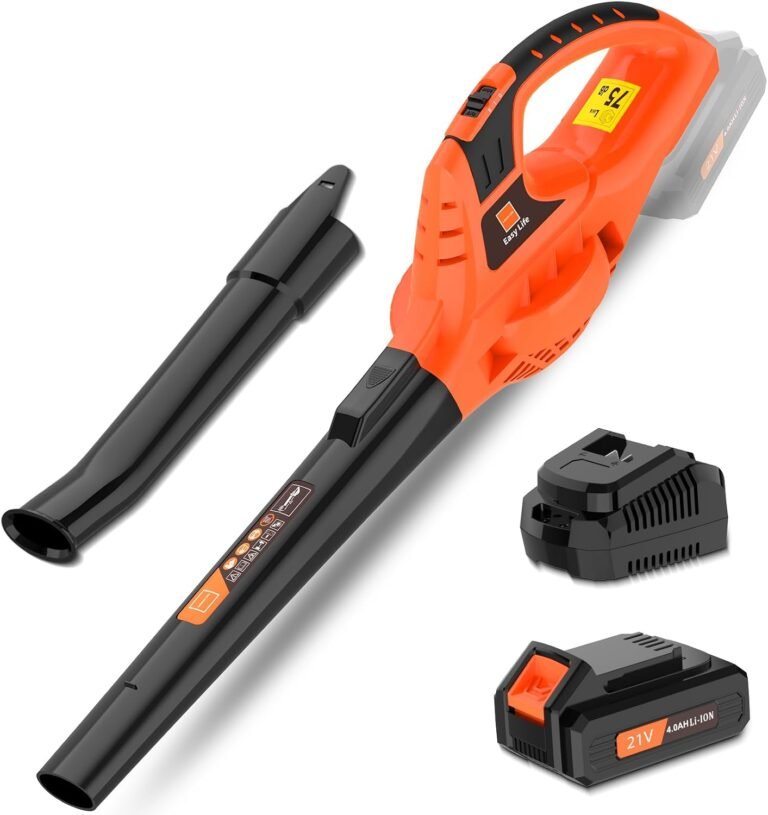
Electric blowers cover a wide price range. Corded models can be as cheap as $50 to $100. Battery models run from $150 to $400, often including a battery and charger. If you already own the same battery platform, you can buy the bare tool for much less.
| Cost Factor | Gas Leaf Blower | Electric Leaf Blower |
|---|---|---|
| Upfront price | $150 – $400 | $50 – $400 |
| Fuel cost | $5 – $10 per month | Negligible (electricity) |
| Maintenance parts | Spark plugs, oil, filters | Battery replacement after years |
| Long-term cost | Higher due to fuel and parts | Lower overall |
Over five years, the savings with electric add up. You skip the gas station trips and the tune-ups. Many experts point out that the total cost of ownership for electric is much lower.
Environmental Impact: What the Research Says
Gas blowers are tough on the environment. They emit pollutants and carbon dioxide. A 2011 study from the EPA found that small engines, like those in leaf blowers, contribute significantly to air pollution. Running a gas blower for one hour can produce emissions equal to driving a car for hundreds of miles.
Electric blowers produce zero direct emissions. The electricity used to charge them may come from fossil fuels, but it is still much cleaner overall. You also eliminate the risk of spilling fuel on the ground.
Emissions and Air Quality
The fumes from gas blowers are not just unpleasant. They are harmful to your health. Breathing in exhaust from small engines can irritate your lungs. People with asthma or respiratory issues should avoid gas blowers entirely.
Switching to electric improves the air quality in your yard and your neighborhood. You breathe easier, and so does everyone around you.
Runtime and Charging: The Battery Question
Battery runtime is the biggest limitation for cordless electric blowers. A typical battery lasts 20 to 40 minutes on high power. If you have a large yard, that might not be enough to finish the job.
Gas blowers run as long as you have fuel. You can work for hours without stopping. For very large properties, gas still has an edge in endurance.
Battery Technology Improvements
Battery tech has improved rapidly. Newer lithium-ion batteries hold more charge and last longer. Many models come with a fast charger that tops up a battery in under an hour.
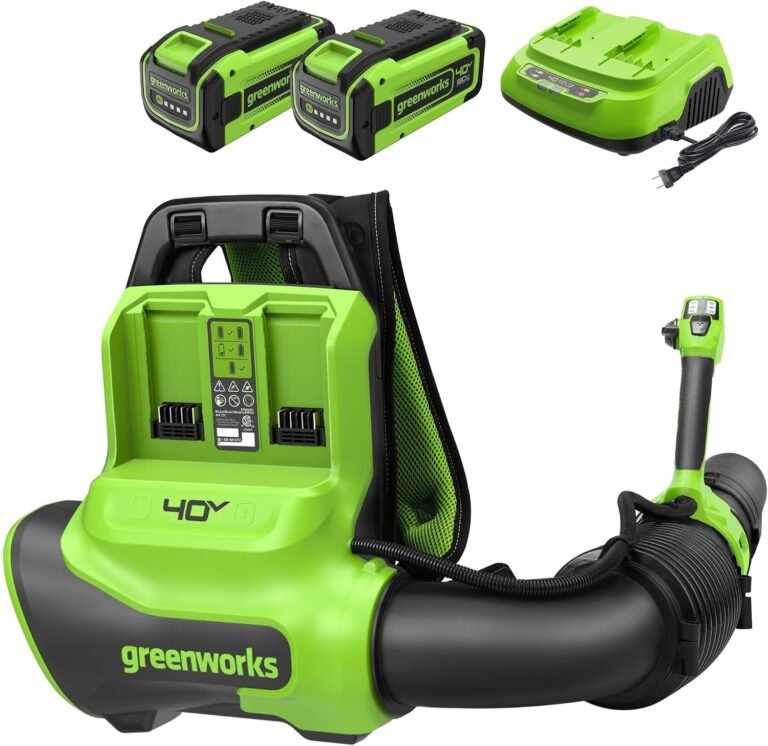
You can also buy a second battery to swap out. This lets you work continuously. The extra battery adds cost, but it solves the runtime problem.
Corded electric blowers bypass this issue entirely. They have unlimited runtime as long as you have an outlet. The cord can be a hassle, but you never worry about running out of power.
Practical Tips for Making Your Choice
We have covered the big differences. Now let’s narrow it down to your situation. You want the right tool for your specific yard.
Ask yourself a few simple questions. How big is your property? How many trees do you have? Do you mind noise? What is your budget? Your answers will point you in the right direction.
When Gas Makes Sense
Gas is still the winner for certain scenarios. If you have over an acre of land, gas power helps you finish faster. If you deal with wet, matted leaves every fall, the extra airflow is helpful.
Professional landscapers often stick with gas for commercial jobs. They need maximum power and long runtime. For them, the maintenance is part of the job.
When Electric Is the Clear Winner
For the average homeowner, electric is the better fit. Most people have a quarter-acre or smaller. An electric blower handles that size easily.
You will appreciate the lighter weight and instant start. You will enjoy the quiet operation. And you will love skipping the maintenance entirely. We found that the convenience wins for most people.
Quick Checklist for Your Decision
Here is a simple checklist to guide your purchase. Consider each point before you head to the store.
- Yard size: Under half an acre? Go electric.
- Leaf type: Dry leaves? Electric works great. Wet leaves? Consider gas.
- Noise tolerance: Quiet neighborhood? Electric is the polite choice.
- Physical strength: Want to avoid heavy lifting? Electric is lighter.
- Maintenance willingness: Hate tinkering with engines? Electric needs almost none.
- Budget: Want to spend under $100? Corded electric is your best bet.
Ultimately, the best leaf blower is the one you actually use. If a machine is too heavy or too loud, you will avoid the chore. Electric blowers remove the barriers. They make yard work quicker, quieter, and more pleasant. For most of us, that is the real victory. Your leaf blower can also help clean your gutters with the right attachment.
Conclusion
When we look at the gas leaf blower vs electric leaf blower debate, electric wins for most people. You get enough power for a typical yard, plus a much lighter machine that starts instantly. You skip the fuel mixing, oil changes, and spark plug replacements that gas engines demand.
Gas still makes sense for huge properties or pro landscapers who need maximum airflow all day. But for your weekend cleanup, electric gets the job done with less noise and zero fumes. We recommend starting with a corded electric model if you want the best value. If you already own a battery tool platform, grab the bare blower to save even more. Once you own a blower, you can also use it to clean a dryer vent safely.
Frequently Asked Questions
Can I use an electric leaf blower when the leaves are wet?
Yes, but you need enough power. Look for a model with at least 400 CFM and a high MPH rating. Electric blowers can move damp leaves, though they work best on dry material. You may need to make multiple passes on heavy, matted piles.
How long does a gas leaf blower last compared to electric?
A well-maintained gas blower can last 10 years or more. Electric motors also last a long time, but the battery degrades after roughly 3 to 5 years. Replacement batteries cost between $100 and $200, depending on the brand and capacity.
Are battery leaf blowers strong enough to replace gas?
For most residential yards, yes. Modern battery blowers push 350 to 500 CFM, which handles leaves on a typical half-acre lot. The trade-off is runtime. You get about 20 to 40 minutes per charge, so you may need a second battery for bigger jobs.
Why are gas leaf blowers banned in some areas?
Many cities and towns have passed restrictions due to noise and emissions. Gas blowers often reach 100 decibels, which disturbs neighbors. They also produce air pollutants from small engines. Check your local regulations before buying a gas model, as more areas are adding restrictions every year.
Is a corded electric leaf blower better than a battery one?
It depends on your yard size. Corded blowers offer unlimited runtime and often more power for less money. The downside is the cord, which can tangle or limit your reach. Battery blowers give you freedom of movement but cost more and need charging. For yards under a quarter acre, a corded model is hard to beat.