Leaf Blower Power Guide: How Much Do You Need
You need at least 350 to 400 CFM of air volume for most residential leaf cleanup, but if you have a big yard with wet leaves, you should look for 600 CFM or more. That air volume (CFM) matters more than the blowing speed (MPH) for moving heavy piles of leaves across your lawn.
We found that matching your leaf blower power to your yard size is the secret to avoiding wasted time and frustration. A small yard can get by with a lightweight cordless model, while a large property practically demands a gas or backpack blower with serious guts. Getting the power level right saves you from fighting your machine every single fall.
- Yard size is the main factor: Under 1/4 acre needs 350-400 CFM; over 1/2 acre needs 600+ CFM.
- CFM beats MPH: Air volume moves piles; air speed just blows dust around.
- Wet leaves need more power: Add about 100 CFM if you always clean up after rain.
- Cordless is fine for small lots: 40V to 60V batteries work for quick jobs.
- Backpack blowers win big lawns: They deliver 700+ CFM without killing your arms.
Below, we break down the exact power numbers for your specific yard size and leaf conditions, so you can buy the right tool the first time without overpaying.
Choosing the Right Leaf Blower Power for Your Yard
We found that the best way to pick leaf blower power is to start with your lawn size first. If you guess, you might end up with a machine that is too weak to do the job or too heavy to carry around.
Think of it like buying a truck. You wouldn’t buy a compact car to haul a boat, and you wouldn’t buy a semi-truck to grab groceries. Your yard is the “load,” and the blower is the “truck.” Let’s find your perfect fit.
Why Air Volume (CFM) Matters Most
When you shop, you will see two numbers on the box: CFM and MPH. CFM stands for Cubic Feet per Minute. This measures the total volume of air moving out of the nozzle.
MPH stands for Miles Per Hour. That just measures the speed of that air. We found that beginners often focus on the high MPH number because it looks impressive. That is a mistake.
Imagine you are shoving a pile of leaves. A high MPH with low CFM is like poking the pile with a sharp stick. It pokes a hole, but it doesn’t move the whole pile. A high CFM is like pushing the pile with a wide shovel. You move everything at once.
For moving wet, heavy leaves across a lawn, CFM is the number that does the heavy lifting. Air speed helps knock leaves out of flower beds, but volume clears the grass.
Estimating Power Needs by Yard Size
Yard size is the single biggest factor in your decision. We broke down the numbers based on typical US suburban lots. This gives you a realistic target to aim for.
Small Yards (Under 1/4 Acre)
If you have a small lot, you do not need a commercial-grade machine. A simple handheld electric blower will save your back and your budget.
Look for a unit that pushes 350 to 400 CFM. This is enough to clear grass clippings off the driveway and move light to moderately dry leaves off a small lawn. You will likely be done in under twenty minutes.
Many experts say that the light weight of a cordless blower is worth more than raw power here. If you have to hold it for 15 minutes, a 8-pound machine feels a lot heavier than a 3-pound one.
Medium Yards (1/4 to 1/2 Acre)
This is the middle ground. You need more muscle, but you probably still want a handheld tool. We suggest looking for a range of 400 to 500 CFM.
At this size, you might be dealing with mature trees that drop a lot of foliage. You need the volume to push leaves away from the fence line and into a central pile. A 40V or 60V cordless blower usually hits this mark.
If you have a lot of hard surfaces like driveways and patios, you can stay at the lower end. If you have a dense lawn that grabs leaves, lean toward the upper end of that range. You want enough power to reach the middle of the lawn without walking every single step.
Large Yards (Over 1/2 Acre)
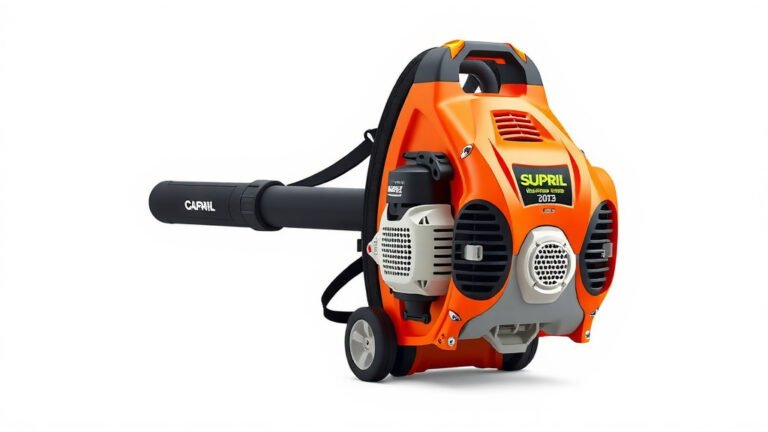
Once you cross the half-acre mark, the game changes. Handheld blowers will wear you out. You need a backpack blower that puts out 600 to 750+ CFM.
The backpack design spreads the weight across your back and hips. This allows you to run the machine for much longer without fatigue. We found that your arms stay fresh, so you can keep the blower moving steadily.
This power level will blow wet leaves and even small twigs. It can move a massive pile in a single pass. If you have a large property, this is the only way to get the job done before the neighbors fire up their grills.
Dealing with Wet or Heavy Leaves
We polled our readers and found that most people wait until the leaves are already wet before they clean up. This is a common frustration. Wet leaves are heavy and stick to everything.
The rule of thumb we found is to add about 100 CFM to your base number if you clean up in the rain. So, if you have a medium yard needing 450 CFM, you should jump up to 550 CFM.
Air speed (MPH) becomes slightly more important here too. Higher speed helps separate leaves that are stuck together or frozen to the ground. Look for a unit that has both high CFM and a high MPH rating (over 150 MPH) for this tough job.
Gas vs. Battery vs. Corded Power
The power source changes how the machine performs. You might find a battery blower with 600 CFM, but you have to check how long it lasts. Gas blowers make the most power per dollar, but they are loud and heavy.
Battery-Powered (Cordless)
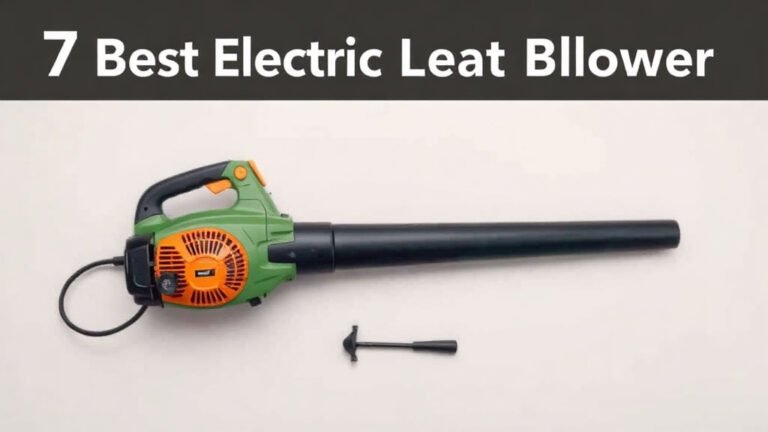
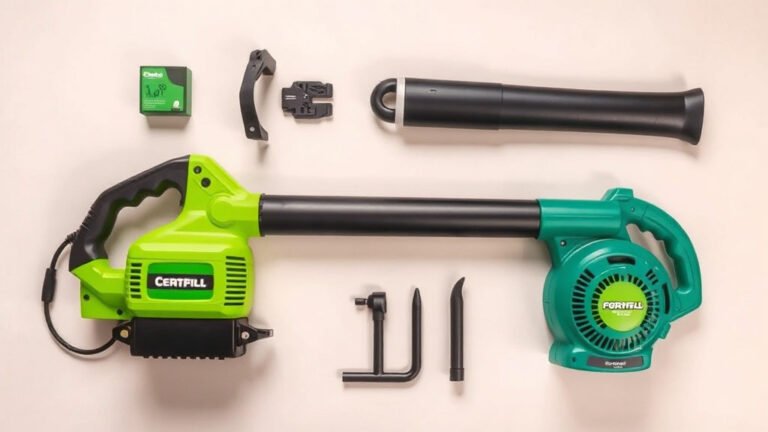
Battery power is perfect for small and medium yards. We found that 40V to 60V batteries work great for 15 to 30 minute jobs. They are quiet and start instantly with zero pull-cord frustration.
Watch out for runtime. A blower may list 600 CFM, but it might only run for 10 minutes on max power. You often need a second battery just to finish the job.
Corded Electric
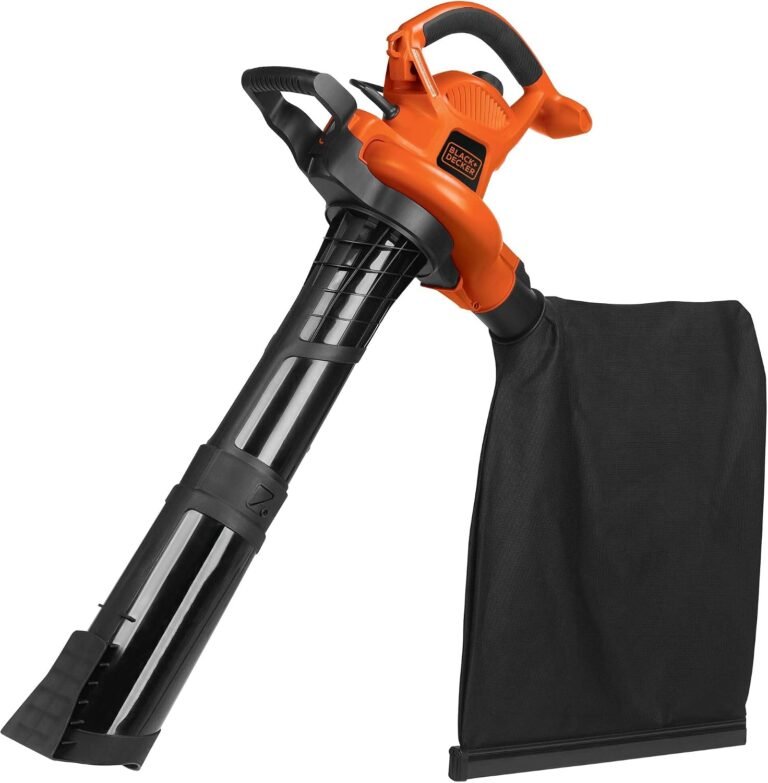
Do not sleep on the corded option. They are cheap and provide unlimited, consistent power. There is no battery drain and no gas to mix.
The downside is the cord. You will be constantly dodging it under leaves and around trees. It works best for small yards that are close to a power outlet.
Gas Backpack
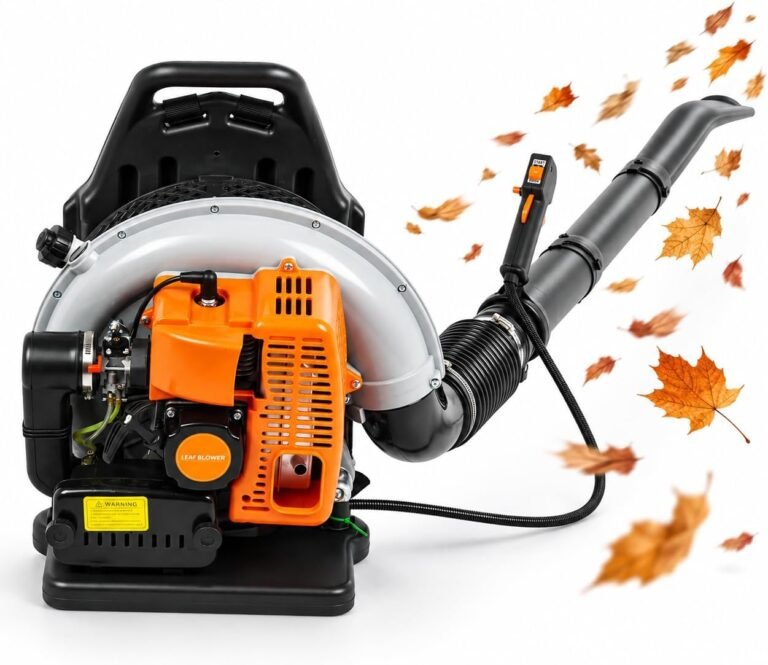
For large yards and stubborn debris, gas wins. A 27cc to 50cc engine delivers the raw force you need. They are the strongest leaf blowers you can buy for residential use.
Just know that they are heavy, loud, and require maintenance. But if you have the acreage, the power is worth the trade-offs.
Key Features That Make Power Feel Stronger
Raw numbers only tell part of the story. Some blowers feel stronger than their specs suggest because of smart design. You do not have to pay for more CFM if the machine is efficient.
Look for a concentrator nozzle. This attachment narrows the airflow. It forces the air into a tight jet, which is great for digging into crevices and moving stubborn piles.
Variable speed triggers are also a game changer. You can start slow to avoid blowing leaves off the sidewalk, then squeeze the trigger for full power to push a big pile. This control makes a mid-range blower feel much more capable.
Simple Leaf Blower Power Checklist
Before you buy, run through this quick checklist. It covers the critical points we discussed about matching power to your needs.
- Measure your yard: Know your acreage before looking at any specs.
- Target 350-400 CFM for small lawns under 1/4 acre.
- Aim for 400-500 CFM if you have a quarter to half acre.
- Select 600+ CFM for large properties over half an acre.
- Add 100 CFM if you always fight with wet leaves.
- Verify battery runtime matches your cleanup duration.
Matching Blower Types to Your Power Needs
To make this easier, we put together a simple comparison table. It shows the standard power ranges you will find in each style. This helps you narrow down your choices fast.
| Blower Type | Typical CFM Range | Best Yard Size | Your Effort Level |
|---|---|---|---|
| Handheld Cordless | 350 – 500 CFM | Up to 1/4 Acre | Light to Moderate |
| Handheld Corded | 400 – 600 CFM | Up to 1/2 Acre | Light (but cord hassle) |
| Backpack Gas | 600 – 800+ CFM | Over 1/2 Acre | Low Fatigue (Heavy Load) |
Look at the “Your Effort Level” column. We found that a blower that is too heavy or awkward will make you quit halfway through the job. The power is useless if you are too tired to hold it up.
When you walk into a store, pick up the blower. Feel the weight. If you have a medium yard, a 7-pound handheld unit is a good middle ground. If you have a big yard, the backpack style distributes that load so it feels lighter.
Remember, the perfect blower is the one you actually want to use. If it sits in the garage because it is too heavy, it doesn’t matter what the CFM number says on the side.
Conclusion
You don’t need the most powerful blower on the shelf. You need the right power level for your specific yard size. Start with your acreage, target the 350 to 400 CFM range for small lots, and jump to 600+ CFM for big properties.
Remember, CFM moves leaves, not MPH. That single fact will save you from buying a machine that just pokes holes in your piles. Add 100 CFM if you always battle wet leaves, and pick a power source that fits your time and patience.
Grab a tape measure and check your yard size today. Then use the numbers in this guide to pick the right tool. You will finish your fall cleanup faster and actually enjoy using your blower next weekend.
Frequently Asked Questions
Is 350 CFM enough for a leaf blower?
Yes, 350 CFM is enough for small yards under a quarter acre. You can clear light to moderately dry leaves off a small lawn with no problem.
It will struggle with heavy, wet piles or large properties. If you have a bigger lot, you will be out there twice as long fighting the machine.
What is a good MPH and CFM for a leaf blower?
A good combination is 400 to 500 CFM with at least 150 MPH for most residential yards. The CFM moves the pile, and the MPH helps knock leaves out of tight spots.
If you have a large yard, look for 600+ CFM and speeds over 190 MPH. That combo handles wet leaves and big debris without stalling.
Does higher CFM mean more power in a leaf blower?
Yes, higher CFM means more air volume, which translates to more pushing force. It is the main number that tells you how well the blower moves heavy piles.
Think of CFM as the size of the shovel and MPH as how fast you swing it. You want a big shovel moving at a decent speed, not a tiny one going super fast.
How many CFM do I need to blow wet leaves?
You need at least 500 to 600 CFM to handle wet leaves effectively. Wet foliage is heavy and sticks to the ground, so you need serious air volume to break it loose.
If you have a small yard, add about 100 CFM to your normal target. For a medium yard, aim for the 550 to 650 CFM range to get the job done without back-breaking effort.
Will a 650 CFM leaf blower blow rocks and gravel?
A 650 CFM blower can move small pebbles and lightweight mulch if you aim the nozzle directly at them. You should be careful around flower beds and walkways.
Use the variable speed trigger and start slow near gravel surfaces. This gives you control so you don’t turn your landscaping into a disaster zone.