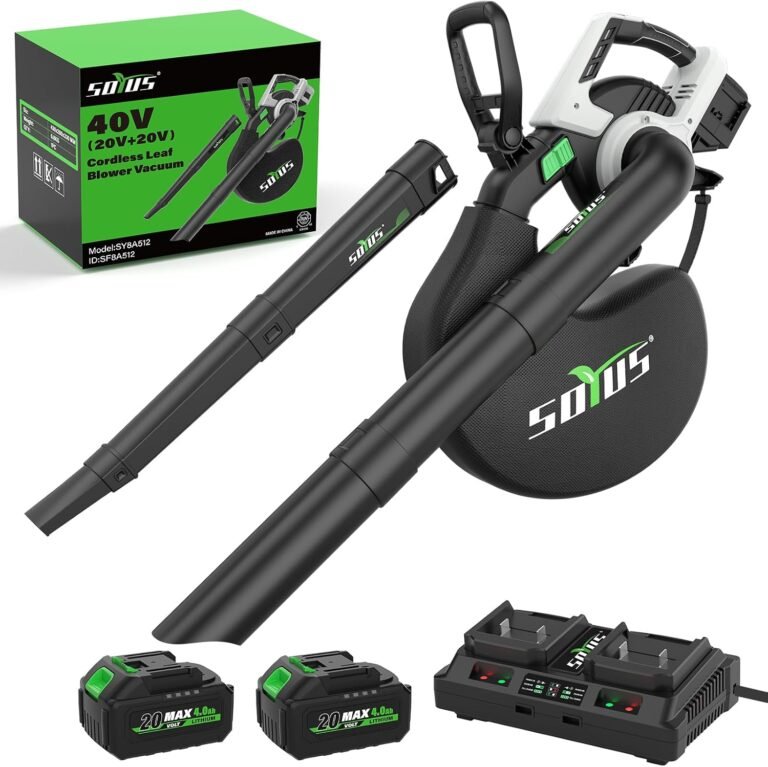
Mastering the Pet Leaf Blower Revolution: A How-To Guide
The easiest way to pet your pets during the leaf blower revolution is to skip the blower around them entirely and use your hands for bonding time. You should always turn off the machine and put it away before you give your dog or cat any affection, because the loud noise and strong air are scary, not fun. Your pet’s comfort comes first, so keep them inside and safely away from the yard work zone until the blower is off and cold.
We found that most pets see leaf blowers as a threat, not a toy. The high-pitched whine can hurt their sensitive ears, and the forceful wind feels like an attack to them. While you are out tackling the fall cleanup, your furry friend needs a quiet, secure spot to wait it out. After the last leaf is moved, that is the perfect time to reconnect with gentle scratches, belly rubs, and calm praise for being such a good boy or girl.
- Always keep pets indoors and away from the blower’s path.
- Turn the leaf blower off completely before you approach your pet.
- Limit the time you use the blower to reduce stress for anxious animals.
- Use a quiet rake for small areas instead of the blower.
- Give slow pets and treats only after the yard work is done.
Below, we break down exactly how to handle your pet’s safety during leaf removal season, step by step, so you can keep your yard clean without turning your living room into a panic zone.
Petting Your Pets Safely During Leaf Blower Season
You want a clean yard. Your pet wants peace and quiet. These two goals can clash when the leaf blower comes out. The key is to manage both with a clear plan.
We found that planning ahead makes the whole process smoother for you and your animal. A little prep work keeps everyone calm and happy.
Why the Leaf Blower Terrifies Your Pet
Dogs hear sounds up to four times farther away than you do. Cats have even more sensitive ears. The loud roar of a gas blower can hit 100 decibels or more at the operator’s ear. That is loud enough to cause pain to your pet’s ears (CDC).
The strong wind feels unnatural too. Your pet does not understand where the force comes from. It just feels like an attack on their face and body. Many pets try to escape or hide when the blower starts.
Think about it this way. You would not enjoy standing next to a jet engine. Your pet feels the same way about your blower. Respect their fear and work around it.
The Signs of Stress You Might Miss
Watch for these clues that your pet is scared:
- Tucked tail and flattened ears
- Excessive panting or drooling
- Yawning when they are not tired
- Pacing or trying to hide under furniture
- Whining, barking, or growling at the door
- Refusing treats or food
If you see any of these behaviors, bring your pet inside right away. Do not wait for them to calm down outside. The noise will only make it worse.
Prepping the House Before You Start
The best time to help your pet is before you even pick up the blower. Set up a safe zone they can retreat to. This gives them control over their environment.
Research and found that pets do better in a crisis when they have a familiar, quiet spot. This could be a crate, a spare bedroom, or a cozy corner of the living room. Make it comfortable with their bed and toys.
Close the windows and curtains in that room. Put on some soft music or white noise. The goal is to muffle the yard sounds as much as possible (ASPCA guidelines).
The Perfect Safe Room Setup
Your pet’s safe room does not need to be fancy. It just needs to feel secure. Include a few key things to keep them calm.
- Fresh water in a tip-proof bowl
- A comfortable bed or blanket with their scent
- A favorite toy or chew treat
- An item of your clothing that smells like you
Food puzzles are great for distraction during yard work. A stuffed Kong or a lick mat can keep their mind off the noise. Focus on the positive rather than the scary sounds outside.
What About Crate Training?
Many veterinarians recommend crate training for anxious pets. A crate becomes their den, not a punishment. If your dog is already comfortable in a crate, use that as their safe spot.
Never force your pet into a crate during a scary event. That can create negative feelings. Instead, leave the door open and let them choose to go in. Their choice matters for their confidence.
Techniques for the Actual Yard Work
Now you are ready to clean up the leaves. Your pet is safely inside. There are a few things you can do to make the work faster and less stressful.
First, check the forecast. Pick a time when your pet is tired, like after a long walk. A sleepy pet is less likely to get worked up about the noise.
Where to Use the Blower versus a Rake
Not every leaf needs the blower. Save the racket for the biggest areas. For small patches, edges, and flower beds, reach for a standard rake instead. You finish the job with less noise and fewer dust particles in the air.
| Job | Best Tool | Why |
|---|---|---|
| Large open lawn | Leaf blower | Fast and efficient for big spaces |
| Near fences and corners | Rake | Quieter and gives you more control |
| Under bushes | Rake or your hands | Protects your plants and stays quiet |
| Wet or heavy leaves | Rake | Blowers struggle with wet piles |
| Hard surfaces like driveways | Leaf blower | Quickly clears without scratching surfaces |
This mix keeps your total blower time down. Less machine time means less stress for your pet. Your ears will appreciate it too.
Keep Sessions Short and Sweet
Break your yard work into 20-minute chunks. Give yourself and your pet a break in between. Go inside, check on them, and offer a calm word or a treat.
If your pet seems okay, you can continue. If they are shaking or panting hard, stop for the day. Your yard can wait. Your pet’s mental health cannot.
After the Blower Is Off: How to Reconnect
The blower is off. The last leaf is gone. Now it is time for some quality one-on-one time with your furry friend. But do not rush to them right away.
Wait for the engine to cool down completely. A hot muffler can burn a curious nose. Put the machine away in the garage or shed first. Then you are ready for pets and cuddles.
Let Your Pet Approach You First
Your pet has just gone through a stressful event. They may be on edge. Do not chase them or force affection. Instead, sit down on the floor and call them gently.
Be patient. Watch their body language. If they approach you with a wagging tail or a relaxed posture, you are good to go. Let them set the pace for the reunion.
Slow and Gentle Petting First
Start with slow strokes along their back or shoulders. Avoid the top of the head or the tail area at first. Those spots can feel threatening to some animals.
Talk to them in a calm, low voice. Say their name softly. Tell them what a good dog or cat they are. Your tone is just as important as your touch.
If they lean into your hand and relax, you can move to their favorite spots. For dogs, that might be the chest or behind the ears. For cats, that could be under the chin or along the cheeks.
Reward Calm Behavior with Treats
Positive reinforcement works wonders after a stressful time. When your pet is calm and relaxed around you, give them a special treat. Make it something they do not get every day.
This teaches them that calm behavior leads to good things. Over time, they may learn to cope better with loud noises because they associate the end of the noise with treats and love.
Full Checklist for a Smooth Leaf Blower Day
Follow this simple list to keep your pet safe and happy all day long:
- Set up a quiet indoor safe room with water, bed, and toys.
- Use a rake for small areas to cut down on blower time.
- Take breaks every 20 minutes to check on your pet.
- Turn off and cool down the blower before coming inside.
- Let your pet approach you first for attention.
- Give slow pets, calm praise, and a special treat after you are done.
A Note on Older and Anxious Animals
Senior pets and those with anxiety need extra care. Their hearing and vision may be declining. They react faster to sudden noises and may startle more easily.
Pay close attention to their breed and personality. Herding dogs often have noise sensitivity. Some cats are extremely territorial about their home space. Know your pet’s triggers and plan around them.
Many experts suggest calming aids like pheromone sprays or weighted vests. These can take the edge off during noisy chores. Talk to your vet about options that suit your pet’s needs.
At the end of the day, petting your pet is about connection. The leaf blower revolution might change how you clean your yard. But it should never come between you and the love you share with your animal.
Conclusion
Keeping your pet calm during leaf blower season comes down to one simple rule: separate them from the noise and reconnect after. You now have a clear plan. Set up a cozy safe room before you start. Use a rake for smaller jobs to cut down on machine time. Take short breaks to check on your furry friend.
When the work is done, let them come to you. Give slow pets, a calm voice, and a favorite treat. Your yard gets clean and your pet stays happy. Start with the safe room setup today so you are ready for the next cleanup day.
Frequently Asked Questions
Can leaf blower noise permanently damage my pet’s hearing?
Yes, repeated exposure to loud noises can harm your pet’s ears. Gas leaf blowers can reach 100 decibels, which is painful for animals. Keep your pet indoors and away from the blower to protect their hearing.
How long should I wait after using the leaf blower before petting my dog?
Wait until the machine is completely off and cooled down. This usually takes five to ten minutes. Put the blower away first. Then let your dog approach you for attention on their own terms.
Will my cat ever get used to the sound of a leaf blower?
Cats rarely fully adjust to loud, unpredictable noises. Their survival instincts tell them to avoid the sound. Instead of trying to get your cat used to it, give them a quiet escape spot every time you work outside.
Should I give my dog a calming treat before I start blowing leaves?
A calming chew or supplement can help take the edge off for anxious pets. You should give it about 30 to 45 minutes before you start. Talk to your vet first to find the right product for your dog’s size and needs.
What is the best way to pet a scared dog after a loud noise event?
Sit down at their level and let them come to you. Start with slow strokes on their chest or shoulders. Skip the top of the head. Use a soft, low voice and give them a treat when they relax into your touch.