Leaf Blower Buying Guide: How to Pick the Best
To pick a good leaf blower, start by matching the power type to your yard size. For small yards under a quarter acre, a corded electric model is your best bet. For medium to large properties, a gas or battery-powered blower offers the freedom and power you need. The right choice comes down to your specific needs, not the most expensive option on the shelf.
We researched what actually matters when you’re standing in the grass, trying to move wet, heavy leaves. It’s not just about raw airspeed. Battery life, weight, and ergonomics are just as important as the force of the air. A heavy, awkward machine can turn a 20-minute chore into an hour of frustration, and a battery that dies halfway through the job is a dealbreaker. That’s why we focus on the real-world factors that make a blower easy to use and effective.
- Answer these three questions first: What’s your yard size? Do you have many trees? Is noise a concern for your neighbors?
- Corded electric is cheap and lightweight, but you’re limited by the outlet.
- Battery-powered offers freedom, but check the run time and charging time before you buy.
- Gas-powered delivers the most power for big jobs, but they are heavier, louder, and need maintenance.
- Don’t overlook the CFM and MPH numbers—they tell you how much air and how fast that air is moving.
Below, we break down exactly how to evaluate your yard and find the perfect blower for your situation. Let’s walk through this step by step so you can get back outside and enjoy the clean-up.
Choosing a Leaf Blower That Fits Your Yard
You want a machine that makes leaf cleanup feel easy, not like a workout you didn’t sign up for. We found that the best approach is to look at your property first. Then, you can match the tool to the job without overspending.
Think of it like buying a truck. You wouldn’t get a heavy-duty diesel for a small sedan’s worth of work. The same logic applies here. A little research goes a long way, and your back will thank you.
Assessing Your Lawn Size and Terrain
Grab a mental picture of your yard. Is it a postage stamp or a sprawling estate? This single factor weeds out most options right away.
We found that yard size is the number one predictor of which blower type you need. For a quick sweep of a patio or a city lot, you don’t need a commercial-grade engine. For acres of land, a small handheld unit will just frustrate you.
- Under ¼ acre: Corded electric or small battery units work fine.
- ¼ to 1 acre: Look for high-capacity battery models or basic gas blowers.
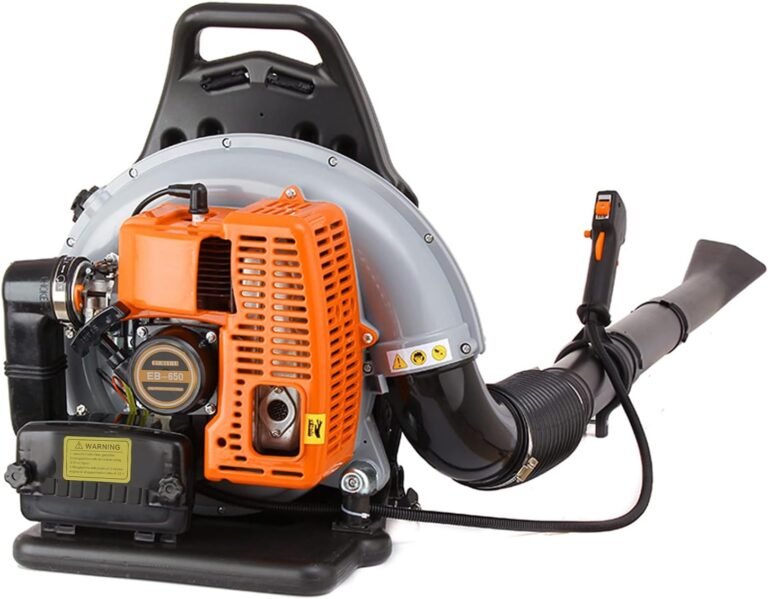
- Over 1 acre: Backpack gas blowers offer the power and endurance you need.
Terrain matters, too. Do you have steep hills or long gravel driveways? That changes the game. Flat ground is forgiving. Slopes make a heavy blower feel twice as heavy.
Dealing with Wet Leaves and Debris
Let’s be honest. Nobody plans to blow dry leaves. It’s always after a storm or a rain shower. Your blower needs to handle more than just lightweight, crispy leaves.
Wet, matted leaves stick to the ground with a vengeance. Many experts say that air volume (CFM) matters more than speed for stubborn debris. High volume moves the heavy stuff. High speed pushes light stuff across pavement easily.
Matching the Blower Type to Your Property
You have three main paths: corded, battery, or gas. Each one has a sweet spot. We found that knowing the trade-offs prevents buyer’s remorse.
The Case for Corded Electric Blowers
These are the workhorses of the budget world. They are lightweight and start instantly. Plus, you never run out of fuel in the middle of a job.
The catch? The cord. You are always tethered to an outlet. Research suggests that their unlimited run time makes them ideal for small, tidy lots where extension cords are manageable. However, you should plan to spend as much time managing the cord as you do blowing leaves in larger yards.
Battery-Powered Freedom and Limitations
Battery blowers have come a long way. They give you freedom without the pull-start hassle. You just pop in a battery and go. They are also quiet enough to use early in the morning without waking the whole block.
We found that battery life is the big variable. A standard 2Ah battery might last 15 minutes under heavy load. That’s not a lot of time. Look for voltage and amp-hours (Ah) to gauge run time. Higher numbers usually mean more work time, but they also add weight.
If you already own a power tool brand, check their blower lineup. Sharing batteries across tools saves serious money and reduces clutter in your garage.
Gas Blowers for Heavy-Duty Work
When the job gets brutal, gas is king. These machines push serious air. They are built for big properties with lots of trees. Many professional landscapers choose gas because of the raw power and long run time.
You pay for that power with noise and weight. Gas blowers are significantly louder than electric models and require regular maintenance. You need to mix oil and fuel, change spark plugs, and clean air filters. If you are not handy with small engines, this might be a headache.
For most homeowners with average-sized yards, a gas blower is overkill. However, if you have acres of hardwoods, it might be the only tool that gets the job done without taking all weekend.
How to Read CFM and MPH Specs Like a Pro
You will see two numbers plastered on every box: CFM and MPH. They are not just marketing jargon. They tell you exactly what the machine can do. Learning to read them is half the battle.
CFM stands for Cubic Feet per Minute. It measures the volume of air moving out of the nozzle. MPH is Miles Per Hour, which measures the speed of that air. You want a balance of both, but for different tasks.
For moving piles of wet leaves, you need high CFM to shove a lot of air at once. For blasting debris out of flower beds or off a patio, high MPH works best to dislodge stuck bits.
Here is a quick guide to help you compare:
| Blower Type | Typical CFM Range | Typical MPH Range | Best For |
|---|---|---|---|
| Corded Electric | 200 – 400 | 130 – 180 | Small yards, light debris |
| Battery Handheld | 350 – 600 | 130 – 200 | Medium yards, dry leaves |
| Gas Handheld | 400 – 700 | 200 – 230 | Large yards, stubborn leaves |
| Gas Backpack | 600 – 950+ | 180 – 230+ | Commercial use, huge properties |
Look for a blower with at least 300 CFM for general yard work. That is the sweet spot we found for most residential tasks. Anything below that feels more like a heavy hair dryer than a leaf tool.
Why CFM Is More Important Than MPH
Many people get tricked by high MPH numbers. It sounds impressive. However, speed alone cannot move a big pile of wet oak leaves. You need the air volume to go with it.
We found that air volume moves mass, and air speed moves objects. If the pile is heavy, you need volume. If you are trying to blow a single leaf out from under a bush, speed is your friend. For cleanup overall, prioritize CFM.
Weight, Balance, and Ergonomics That Save Your Back
You can buy the most powerful blower on the shelf. If it hurts to hold, it is useless. Weight and balance are the silent killers of good intentions. You will hold this machine for extended periods, often at awkward angles.
We found that a heavy blower can cause fatigue and strain in your arms and shoulders. Look for a model that feels balanced in your hands. The weight should rest near your body, not out at the end of the tube.
Pay attention to the handle design. A good grip reduces vibration. Vibration is a sneaky cause of hand fatigue. If you have arthritis or wrist issues, this is a huge factor to consider (Mayo Clinic highlights the importance of ergonomics in repetitive tasks).
Backpack vs. Handheld Comfort
Backpack blowers put the engine on your back. This distributes the weight evenly across your shoulders and hips. Your arms just guide the nozzle, which is a game changer for big jobs.
Handheld units are easier to store and grab quickly. But they concentrate all that weight in your wrist and forearm. For short bursts, that is fine. For an hour of work, you will feel the burn.
Consider your own strength and stamina. Many experts say that backpack blowers are the best ergonomic choice for serious users. If you have a bad back, always try before you buy. Just lifting it off the shelf tells you a lot.
Evaluating Noise Levels and Neighborly Etiquette
Noise is not just a comfort issue. It is a health and safety concern. Gas blowers are notoriously loud. Some models reach over 100 decibels, which can damage hearing with prolonged exposure (OSHA guidelines recommend protection at these levels).
Battery and corded blowers are much quieter. They run around 60 to 70 decibels, which is about the level of a normal conversation or a vacuum cleaner. This makes them a thoughtful choice if you live close to neighbors.
We found that noise is a top reason people switch to electric models. You can work early in the morning or on a Sunday afternoon without starting a neighborhood feud. Your ears will appreciate the difference too.
If you do go with gas, wear proper hearing protection. Do not skip it. A few hours of exposure to loud machinery can cause permanent damage.
Common Features Worth Paying For
You do not need every bell and whistle. But some features genuinely make the job easier. We looked at what actually improves the user experience.
- Variable Speed Trigger: Gives you control for delicate areas.
- Cruise Control: Locks the trigger so you do not squeeze constantly.
- Flat Nozzle: Wider air output moves more leaves per pass.
- Vacuum Mode: Shreds leaves into a bag for easy disposal.
A variable speed trigger is almost essential. You do not always need max power. Being able to dial it down protects your flowers and gravel. Cruise control is a lifesaver for your hand during long sessions.
The Digital Power Switch Does Not Make You a Wizard
Some high-end models have a digital control pad instead of a simple switch. It looks cool and allows for preset speeds. However, in our research, we found that most people just set it once and never touch it again. Do not pay a huge premium for this feature unless you really enjoy fiddling with settings.
Maintenance Realities for Every Type
Every machine needs some care. The amount of care varies drastically. We found that many people buy a gas blower without realizing the upkeep involved. It is not just “plug and play.”
Corded electric blowers need almost no maintenance. Just keep the vents clean and store the cord properly. Battery blowers need careful battery storage to extend their lifespan. Do not leave them in extreme heat or freeze them in the garage.
Gas blowers need the most attention. You must use fresh fuel and proper oil mixtures. Old gas causes carburetor problems. Your owners manual is your best friend here. Following it reduces breakdowns.
Warranty and Support as a Safety Net
Check the warranty before you buy. We found that longer warranties show manufacturer confidence. Look for at least a two-year warranty on electric models. Gas engines might have separate coverage, so read the fine print. Buying from a reputable brand makes repairs easier if something goes wrong.
Building Your Final Comparison Checklist
Before you head to the store or click “add to cart,” use this final guide. We created it to keep you on track and help you make a solid choice. Print it, screenshot it, or just memorize the basics.
Keep these five points in mind as you compare options. It is a quick way to avoid the marketing hype.
- Start with yard size. Small yard equals corded or small battery. Big yard equals gas or backpack.
- Find the CFM sweet spot. Your absolute minimum should be 300 CFM for easy work.
- Weigh the machine. Hold it in the store. If it feels heavy, it will feel worse after ten minutes.
- Check the battery voltage. Higher voltage (40V and up) usually means better performance.
- Look up the decibel rating. Protect your hearing and keep peace with your neighbors.
- Read the warranty terms. Make sure you are covered for at least two years.
Armed with these points, you are ready to pick a leaf blower that actually fits your life. You will save time, save money, and avoid the frustration of the wrong tool.
You have got the
Conclusion
Picking the right leaf blower really comes down to matching the tool to your property and your own physical limits. You do not need the most expensive model on the shelf. You need the one that fits your yard size, handles the debris you face, and feels comfortable in your hands.
Start with your yard size, then look for at least 300 CFM. Check the weight and battery life before you commit. If you are replacing an old tool, look at the battery system you already own.
Your next step is simple: measure your yard, note your biggest leaf problem, and compare two or three models using our checklist. You will find the right blower and get back to a clean yard without the guesswork.
Frequently Asked Questions
Is it worth buying a more expensive leaf blower?
Only if you get a meaningful upgrade in battery life, weight, or air volume. For a small yard, an expensive commercial unit is wasted money. For a large property, paying more for a backpack model saves your back and your time.
Can I use a leaf blower on wet grass without damaging it?
Yes, you can use a blower on wet grass. The blower itself won’t hurt the lawn, but the air may scatter mud and debris. Wait for heavy puddles to drain first, then use high CFM to move the wet leaves.
How many amps should a corded leaf blower have?
Look for at least 10 to 12 amps for a corded model. That range gives you enough power for typical residential yards. Anything below 10 amps may struggle with damp leaves and heavy debris.
What is a good battery voltage for a cordless leaf blower?
A 40V battery is the sweet spot for most homes. It offers solid power without the extra weight of a 60V system. If you have a large yard with wet leaves, consider 60V for stronger performance, but check the run time carefully.
Should I buy a leaf blower with a vacuum attachment?
Only if you plan to collect and compost the debris. The vacuum mode shreds leaves into a bag, which is handy for clearing beds and tight corners. It adds weight and complexity, so skip it if you just want to blow leaves into a pile.