How to Pick a Leaf Blower: A Buying Guide
The best way to pick a leaf blower is to match the power source to your yard size and then choose the right CFM and MPH ratings for your specific leaf types. If you have a small yard, a corded electric model is likely your best bet. For larger properties with heavy debris, you will probably need a gas or battery-powered blower.
We found that the biggest mistake people make is buying a blower that is either too weak for their property or too heavy for them to handle comfortably. You need to think about cordless convenience versus gas power, and also consider the physical weight of the machine. It’s a simple decision once you know what those numbers and specs actually mean for your cleanup routine.
- Yard size: Small yards (under 1/4 acre) work well with lightweight corded or lower-tier battery blowers.
- Power type: Gas offers the most power but needs maintenance; electric is quieter and easier to start.
- Key specs: Look for high CFM (air volume) for moving piles and high MPH (air speed) for wet, stuck-on leaves.
- Battery system: If you already own a power tool brand, check if they make a blower that uses the same batteries to save money.
- Physical weight: Always consider how heavy the unit is, especially if you have a lot of raking to do or limited arm strength.
Below, we break down everything you need to know about picking the perfect leaf blower for your home, so you can get your yard work done fast without the guesswork.
Choosing the Right Leaf Blower for Your Property
Learning how to pick a leaf blower starts with a simple, honest look at your yard. You need to think about the size of your lot, the type of leaves you deal with, and how much physical effort you want to put in. We found that breaking the decision down into a few key questions makes the whole process much easier.
Think of it like buying a car. You would not buy a sports car to haul lumber, and you would not buy a pickup truck for a daily commute. Your leaf blower needs to match the job at hand, or you will end up frustrated every single autumn.
Start With the Three Power Source Options
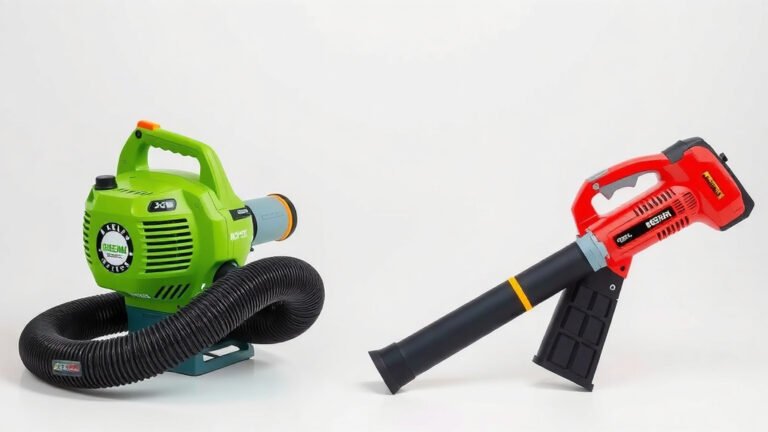
Every leaf blower falls into one of three categories. You have corded electric, battery-powered (cordless), and gas models. Each one has a specific role to play, and your choice here will shape your entire experience.
We recommend being honest about your lawn size before you even look at specs. That one detail alone will likely eliminate most of your options right away.
Corded Electric Leaf Blowers
If you have a small yard under a quarter acre, a corded blower is often your best friend. These units are lightweight, quiet, and cheap to buy. They also never run out of power, as long as you can reach the outlet.
The catch is the cord. You will be dragging a 100-foot extension cable around the yard, which can get tangled in bushes and under fences. That gets old fast if you have a lot of ground to cover.
When Corded Makes Sense
We found that corded blowers are perfect for patios, driveways, and small postage-stamp lawns. If your cleanup job takes under 20 minutes, a corded model is the smart, budget-friendly move. You can find solid units for under $50, and they will last for years with minimal care.
Just remember to check the amperage. Lower amps mean lower power, so look for a model with at least 10 to 12 amps. That gives you enough airflow to move dry leaves without straining the motor.
Battery-Powered Leaf Blowers
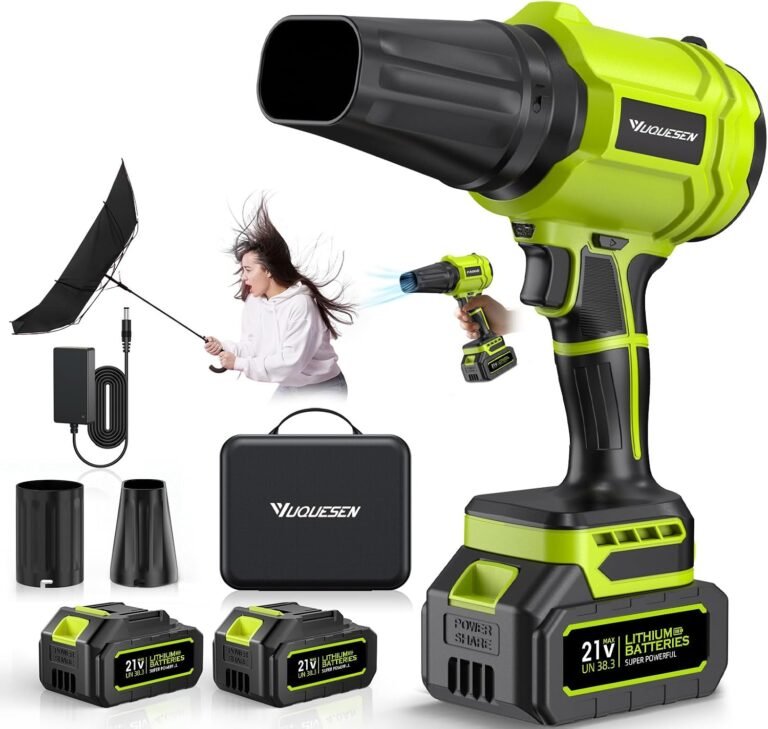
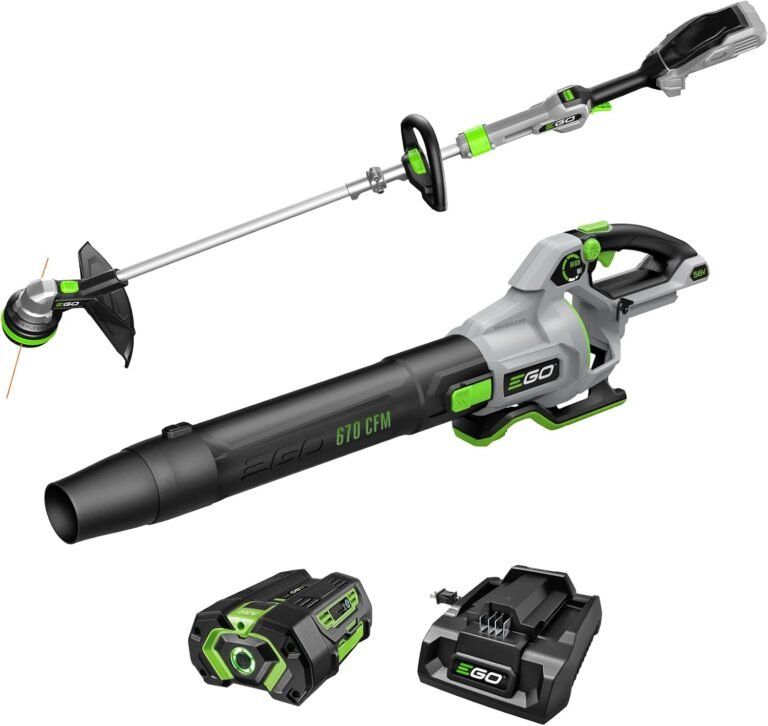
Battery blowers have gotten seriously good in the last few years. They give you freedom of movement without the noise and fumes of a gas engine. For most suburban yards up to half an acre, a cordless blower is the sweet spot.
You will pay more upfront for the battery and charger, but you avoid the maintenance headaches of gas. There is no fuel to mix, no carburetor to clean, and no pull cord to yank a hundred times.
Battery Voltage and Runtime
Pay close attention to the voltage, usually 40V or 60V. Higher voltage typically means more power, but it also means a heavier battery. We found that most homeowners do just fine with a 40V system for basic leaf cleanup.
Run time is the real issue. A standard 2.5 Ah battery might only give you 15 to 20 minutes of continuous use. If you have a big yard, you will likely need a second battery or a fast charger to get through the job in one sitting.
Gas-Powered Leaf Blowers
When you have a large property, acres of land, or heavy wet leaves, gas is still the king. These machines push serious air volume and never run out of juice mid-task. They are the heavy-duty workhorses of the leaf blower world.
The downsides are real, though. Gas blowers are loud, heavy, and require regular maintenance. They also produce emissions, which is a concern for many homeowners today. Many experts say that gas blowers are best reserved for professional landscapers or folks with very large properties (Mayo Clinic notes that noise exposure is a health consideration, so hearing protection is a must).
Decoding the Numbers: CFM and MPH
Once you have picked a power source, you need to understand two key numbers. These are CFM and MPH. They are the specs that tell you exactly how well a blower will perform in the real world.
What CFM Really Means
CFM stands for Cubic Feet per Minute. This number measures the volume of air the blower moves. It is the spec that matters most for pushing big piles of leaves across the lawn.
Think of CFM as the size of the river. A high CFM means a wide, deep flow of air that can sweep a broad path. For most leaf cleanup tasks, we found that you want at least 350 to 450 CFM to be effective without taking forever.
What MPH Really Means
MPH stands for Miles per Hour, and it measures how fast the air is traveling. This is your power for dislodging stuck leaves, wet debris, or acorns from tight spaces. It is the pressure behind the airflow.
If you have oak leaves that mat down against the grass, you need a higher MPH to break them loose. Look for at least 110 to 150 MPH for stubborn debris. You want a balance of both numbers, but CFM is generally more important for overall yard cleanup.
| Spec | What It Measures | Best For |
|---|---|---|
| CFM (Cubic Feet per Minute) | Air volume | Moving large piles across open ground |
| MPH (Miles per Hour) | Air speed | Dislodging wet, stuck, or heavy debris |
| Voltage (Battery) | Motor power | Determines runtime and raw capability |
| Amps (Corded) | Electrical draw | Higher amps equal stronger airflow |
Physical Weight and Ergonomics Matter
You are going to carry this blower for at least thirty minutes at a time. That takes a toll on your arms and back if you pick the wrong machine. Do not just look at the power; look at the ergonomics and weight distribution.
We found that many people buy a powerful gas blower and then discover they are exhausted after ten minutes. The weight and vibration become the real problem, not the leaves. That is a mistake you can easily avoid by testing the physical feel at the store.
How Heavy Is Too Heavy?
Lightweight models weigh around 5 to 7 pounds. Mid-range battery blowers are usually 7 to 10 pounds. Gas blowers can tip the scales at 10 to 15 pounds or more, depending on the engine size.
Hold the blower in the store and imagine using it for a full hour. Check the handle design and see if your wrist sits at a comfortable angle. If it feels awkward in the first minute, it will feel unbearable by minute thirty.
Consider Your Existing Battery Platform
If you already own a cordless drill or string trimmer from a major brand like DeWalt, Ryobi, or Milwaukee, check their blowers first. Most brands sell blowers that run on the same battery system as your other tools.
This approach saves you serious money. You can buy just the blower without a battery and charger, often cutting the price in half. It also means you can share spare batteries between tools, which is incredibly handy when one battery dies mid-job.
The Noise Factor You Cannot Ignore
Leaf blowers are some of the loudest tools you will own. Gas models can hit 90 to 100 decibels, which is loud enough to cause hearing damage with prolonged exposure. Battery and corded models are much quieter but still make a racket.
Many communities have noise ordinances that restrict when you can use a gas blower. We recommend checking your local rules before making a purchase. You do not want to spend hundreds of dollars on a machine you can only legally use on weekends.
Checklist for Your Purchase Decision
- Measure your yard to confirm the square footage and count acres accurately.
- Identify your leaf types — dry oak, wet maple, or heavy pine needles all change the requirements.
- Choose your power source based on the yard size and your tolerance for maintenance.
- Verify the CFM and MPH meet your specific debris challenges.
- Lift the unit at the store to test weight and balance in your hands.
- Check your existing tool batteries to see if a compatible blower will save you cash.
Wrapping Up Your Options Smartly
The key is to buy for the situation you actually have, not the one you wish you had. We found that a matching power source, balanced specs, and comfortable weight solve 90 percent of the struggle people have with leaf cleanup.
If you have a small space, a corded blower is a fantastic value. For medium yards, a battery model with spare batteries gives you the best mix of freedom and convenience. For large properties with heavy debris, a gas blower is still the winner.
Consider what your storage space looks like, too. Gas blowers take up room and need fuel storage. Electric models are easier to hang on a wall hook. Pick the one that fits your lifestyle, and you will actually enjoy fall cleanup this year.
Conclusion
Picking the right leaf blower comes down to three simple things: your yard size, the power source, and how the machine feels in your hands. We walked you through the specs, the trade-offs, and the real-world numbers that matter. You already know that CFM moves piles and MPH breaks stubborn debris loose.
Now it is time to measure your lawn and check your existing tool batteries. Start there. Make a list of your top two choices based on what you learned. Then visit a local store and lift both models. That hands-on test will tell you more than any spec sheet ever will. Your back will thank you this fall.
Frequently Asked Questions
What is a good CFM for a leaf blower?
For most homeowners, we recommend looking for at least 350 to 450 CFM. This gives you enough air volume to sweep dry leaves across a typical yard without taking all afternoon. If you deal with heavy pine needles or large oak piles, step up to 500 CFM or more.
Is a leaf blower worth it for a small yard?
Yes, absolutely. Even for a tiny yard under a quarter acre, a leaf blower saves you significant time compared to raking. A lightweight corded model under $50 will handle patios, driveways, and small lawns with ease. You will finish the job in minutes instead of an hour.
How long do battery leaf blowers last on a single charge?
You can expect roughly 15 to 30 minutes of continuous runtime on a standard battery. That depends on the voltage and amp-hour rating, plus how hard you are pushing the trigger. For bigger yards, pick up a second battery and a fast charger so you are never stuck waiting.
Can you use a leaf blower on wet leaves?
You can, but you need the right specs. Wet leaves are heavy and stick to the ground, so you need high MPH to break them loose. Look for a model with at least 150 MPH and you will have much better luck moving that soggy mess.
Are gas leaf blowers being banned?
Some cities and states are passing restrictions on gas-powered lawn equipment due to noise and emissions. California has already set phase-out dates, and other areas are considering similar rules. Before you buy a gas model, check your local ordinances so you do not waste your money.