Electric Leaf Blower vs Battery: Which One to Choose
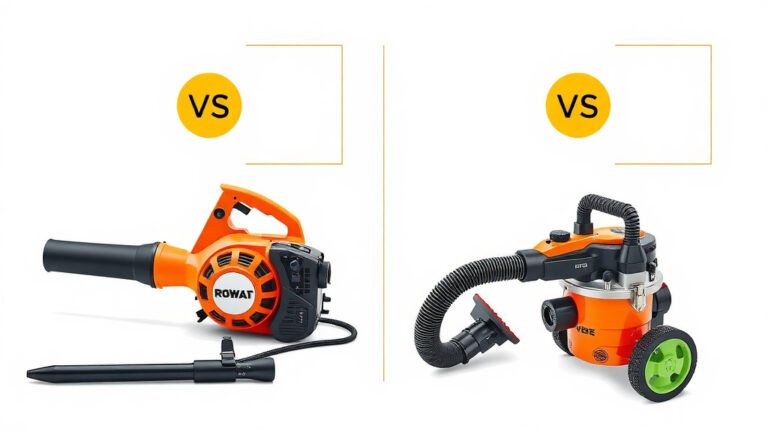
When comparing an electric leaf blower vs battery, the winner depends on your yard size. For small to medium yards, a battery leaf blower is usually the best choice. It’s lightweight, quiet, and starts instantly. For large properties with heavy leaf piles, a corded electric blower offers unlimited runtime. Your main trade-off is power and runtime versus convenience and freedom.
Both options are much cleaner and easier to maintain than gas blowers. We found that battery models have improved a lot in recent years, with longer runtimes and better airflow. A corded blower keeps working as long as you are near an outlet, but the cord can be a hassle. Your decision really comes down to how you value portability.
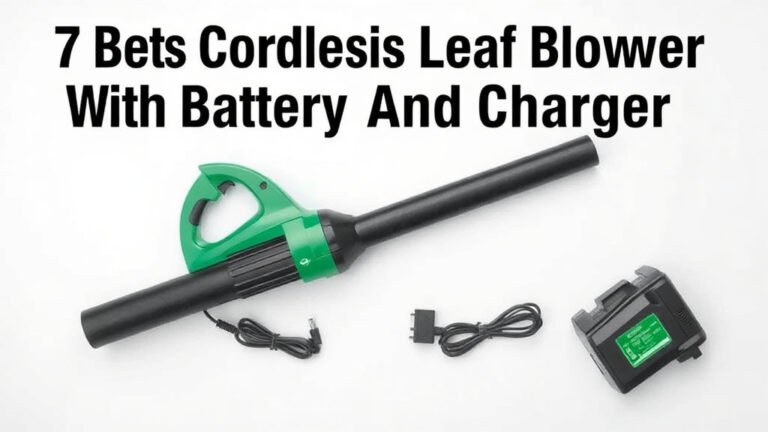
- Battery blowers: Best for small to medium yards, easy to carry, and very quiet.
- Corded electric blowers: Best for large yards, unlimited power, and no battery cost.
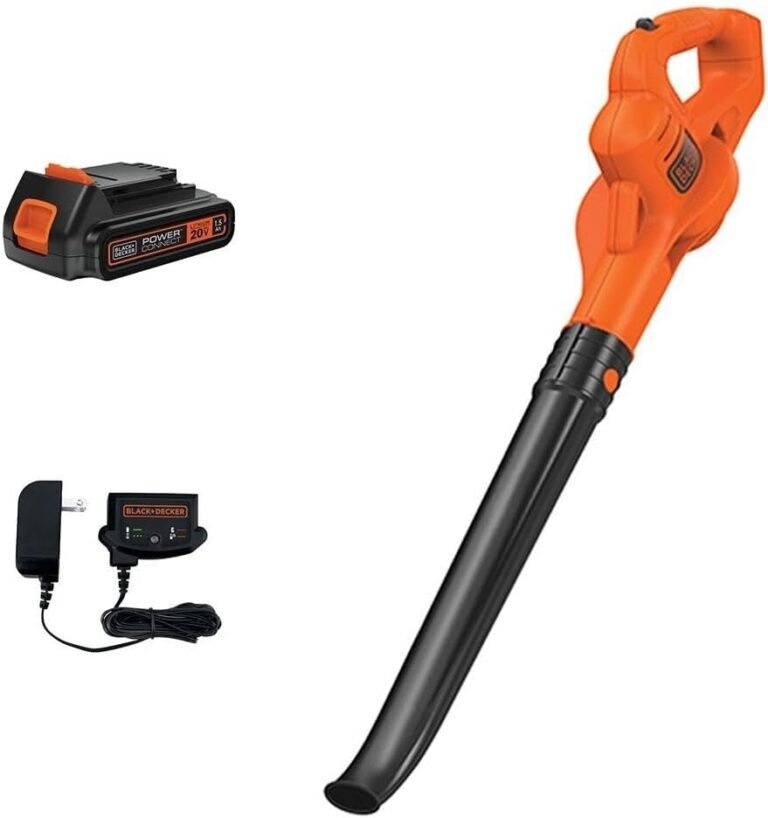
- Battery blowers cost more upfront because you often need to buy the battery and charger.
- Corded blowers are cheaper but limit your range to about 100-150 feet from an outlet.
- Battery power is measured in volts (V), and higher voltage generally means more blowing force.
Below, we break down the real differences in power, runtime, and cost so you can pick the right tool for your yard. Let’s walk through the details that matter most so you can make a confident choice today.
Battery Leaf Blowers vs Corded Electric: Picking a Side
You want a clean yard without the gas can smell. We get it. The real question is whether you want to carry a battery or drag a cord. Both tools beat gas blowers for daily use. They start instantly and need almost no upkeep.
We found that your choice mostly depends on your property size and your patience for extension cords. Let’s break down how each type performs in the real world. You will see the clear winner for your situation by the end of this section.
Battery Leaf Blowers: The Cord-Free Champion
Battery blowers give you total freedom to roam your yard. There is no cord to untangle and no outlet to find. They are quiet enough for early morning cleanups without waking the neighbors. Most models are lightweight and balanced well for one-hand use.
The tech has matured a lot in recent years. We found that modern lithium-ion batteries hold a charge longer and deliver steady power until the very end. You do not get that sudden drop-off you saw in older tools.
Runtime Realities for Battery Blowers
Here is the honest truth: battery life is your ceiling. A typical 40V battery gives you about 20 to 40 minutes of continuous blowing. If you have a big yard, that means multiple battery swaps. You will likely need to buy a second battery to finish the job.
Many experts say to check the amp-hour (Ah) rating, not just the voltage. A 4.0Ah battery lasts roughly twice as long as a 2.0Ah pack. Higher Ah means more runtime, but it also adds weight to the tool. It is a trade-off you feel in your arms after ten minutes.
How to Extend Your Battery Life
- Run the blower at full speed only for stubborn wet leaves.
- Use the variable speed trigger to match the task at hand.
- Keep batteries at room temperature when charging.
- Avoid storing them in direct sunlight or freezing garages.
- Let a hot battery cool down for ten minutes before recharging.
These habits help your battery last longer each season. They also protect your investment over the long haul.
Battery Blower Power Ratings Explained
Voltage matters, but it is not the only number to watch. A 20V blower works fine for patios and driveways. A 60V model moves heavy piles of wet oak leaves with ease. We found that most homeowners are happy with the middle ground around 40V.
Look at the air volume (CFM) and airspeed (MPH) too. CFM tells you how much air moves, and MPH tells you how fast it travels. High CFM is great for pushing piles, while high MPH helps dislodge stuck leaves. You want a balance of both for everyday yard work.
Corded Electric Blowers: The Power of Endless Runtime
Plug in a corded blower, and you have unlimited power. It never slows down and never dies mid-task. You can blow leaves all afternoon without pausing. These tools usually have stronger motors than most battery models at the same price. That makes them excellent for constant heavy use.
The catch? You are always tied to a wall outlet. Your range is limited by your extension cord length. You will spend time plugging and unplugging as you move around the house.
The Cord Constraint: Planning Your Path
You can buy a 100-foot extension cord to extend your reach. But you still have to carefully lay it out so you do not run it over. A cord can snag on bushes, fences, and garden hoses. It takes some planning to work efficiently.
We found that most people manage this by starting near the house and working outward. Map out your route first, and the cord becomes a minor annoyance instead of a big problem. Just make sure your extension cord is rated for outdoor use and the blower’s amperage.
Extension Cord Safety Checklist
- Use a 12-gauge cord for long runs over 50 feet.
- Never use a damaged or cracked cord.
- Keep connections off wet ground when possible.
- Unplug the blower before you walk away.
- Check the cord for heat during long sessions.
- Use a cord that is rated for outdoor tools.
This quick check keeps you safe and your blower running strong. It also prevents frustrating mid-job power failures.
Cost Comparison: Upfront Price vs Long-Term Value
Money talks when you are standing in the home improvement aisle. Corded blowers are clearly cheaper at checkout. You can grab a solid corded model for under fifty dollars. Battery blowers usually cost two to three times more because of the battery pack and charger.
But here is the twist: a battery blower can share batteries with other tools. If you already own a drill or trimmer from the same brand, buy a bare tool and save big. That existing battery system brings the price down considerably.
| Feature | Battery Blower | Corded Blower |
|---|---|---|
| Upfront Cost | Higher (tool + battery) | Lower (tool only) |
| Runtime | Limited (20-40 min) | Unlimited |
| Maintenance Cost | Battery replacement in 3-5 years | Minimal, just cord care |
| Portability | Excellent, no cords | Limited to cord length |
| Noise Level | Quieter, around 60-65 dB | Slightly louder, around 65-70 dB |
| Power Output | Good, improving each year | Consistent and strong |
According to many consumer reports, battery costs are dropping as the technology improves. You pay more today but save on long-term gas and maintenance. Corded tools remain the budget-friendly entry point for new homeowners.
Noise Levels and Your Neighborhood
Nobody wants to be that neighbor with the roaring blower at 7 AM. Battery blowers are noticeably quieter than gas models. Corded electric blowers are also quiet, but they produce a higher-pitched whine that travels. Many cities have noise ordinances that limit when you can use power tools.
We found that battery blowers are easier on your ears and your neighbors’ nerves. Some models operate below 60 decibels, which is about the level of a normal conversation. That means you can actually hear your music or a podcast while you work.
Hearing Protection Still Matters
Just because it is quiet does not mean you should skip ear protection. Extended exposure to any blower noise can cause hearing damage over time. It is smart to wear simple foam earplugs or earmuffs. You will thank yourself in your fifties.
Weight and Ergonomics: Your Arms Will Tell You
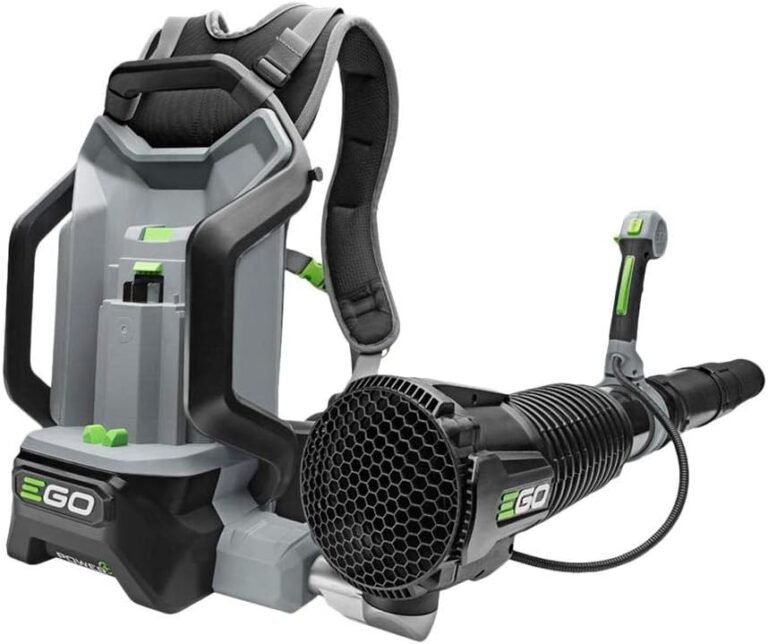
You hold a leaf blower for long stretches. Weight and balance matter more than you think. Battery blowers tend to be heavier because of the battery pack on the back. A 40V blower with a 4.0Ah battery weighs around 7 to 9 pounds. That gets heavy fast. If weight is a concern, our roundup of the best backpack leaf blower models explains how they reduce arm strain.
Corded blowers carry all their weight in the motor housing. They feel nose-heavy after a few minutes. We suggest handling both styles in person before buying. Your gym habits might not prepare you for this kind of workout.
Tips for Comfortable Blowing Sessions
- Take a two-minute break every ten minutes of use.
- Switch hands every few minutes to balance the strain.
- Use a shoulder strap if your model supports one.
- Hold the blower close to your body for better control.
- Keep a loose grip to reduce hand fatigue.
These small adjustments keep you comfortable so you actually finish the job. A blower you hate holding will sit in the garage unused.
Which Type Handles Wet Leaves and Debris Better?
Wet leaves are the ultimate test for any blower. They clump and stick to the ground like glue. Corded blowers shine here because they push a consistent, high volume of air. Their power does not waver when you hit a stubborn pile.
Battery blowers can handle light to moderate wet leaves if they have high CFM ratings. But you will drain the battery faster because the motor works harder. Some experts recommend mulching wet leaves with a mower instead of blowing them. It saves time and protects your back.
Making the Final Call: Your Yard, Your Rules
Think about your average Saturday morning. Are you doing a quick ten-minute cleanup of the driveway? A battery blower is perfect for that. Are you facing a yard full of maple leaves from three huge trees? You will want the endless power of a corded model.
We found that many homeowners actually keep both. They use the corded blower for heavy seasonal work and the battery model for weekly touch-ups. If you can only pick one, size up your yard honestly.
Your 5-Point Decision Checklist
- Estimate your total blowing time each session.
- Measure your distance from the nearest power outlet.
- Check if you already own a battery platform.
- Think about your tolerance for cord management.
- Weigh the blower in your hands at the store.
Work through these five points, and the right choice becomes obvious. Most people in small to medium yards find battery power liberating. Those with sprawling properties stick to the cord for peace of mind.
Your next step is simple: test both types if you can. Rent a battery blower for a day or borrow your neighbor’s corded tool. You will know within five minutes which one fits your routine. That hands-on feel beats any spec sheet. Your yard will be spotless, and you will actually enjoy the chore.
Conclusion
You now have a clear picture of the electric leaf blower vs battery debate. The best choice comes down to your yard size and how you like to work. Battery blowers give you freedom and quiet operation for quick jobs. Corded blowers give you non-stop power for heavy cleanup sessions.
If you have a small to medium yard, go with a battery model. You will love the freedom of moving around without a cord. If you have a large property with lots of trees, a corded blower will save you from frustrating battery swaps. Either way, you are making a smart upgrade from gas.
Your next step is easy. Head to your local hardware store and hold both types in your hands. That quick test will tell you more than any spec sheet ever could. Pick the one that feels right, and enjoy a cleaner yard this season.
Frequently Asked Questions
Can I use one battery for multiple yard tools?
Yes, if you stick with the same brand. Most major manufacturers like DeWalt, Ryobi, and EGO share batteries across their tool lines. You can buy a blower as a “bare tool” without a battery pack. That saves you a lot of money if you already own a drill or trimmer from that brand.
How long does a leaf blower battery take to charge?
Most modern lithium-ion batteries charge in 30 to 60 minutes. Larger batteries with higher amp-hour ratings take closer to the full hour. Some fast chargers can get you to 80% in about 20 minutes. We recommend buying an extra battery so you can rotate them while you work.
Is a corded leaf blower safe to use in wet conditions?
You should never use any electric blower in heavy rain or standing water. Light dew on grass is generally fine, but keep connections dry and off the ground. Always plug into a GFCI outlet for extra safety. If your extension cord gets wet, dry it off completely before using it again.
What is the best voltage for a battery leaf blower?
For most home yards, a 40V battery blower hits the sweet spot. It gives you enough power for leaves on grass and driveways without being too heavy. If you have a very large property, consider a 60V model for extra blowing force. A 20V blower works fine for patios and garages but struggles with heavy leaf piles.
Will a battery leaf blower lose power as the battery drains?
Older models used to fade noticeably as the battery drained. Modern lithium-ion batteries hold steady power until they are nearly empty. You will get consistent blowing force right up until the last minute. Then the tool simply shuts off, which is your signal to grab a fresh battery.