Leaf Blower Weight Guide: How Much Do They Weigh?
Most gas leaf blowers weigh between 10 and 15 pounds, while electric and battery-powered models are much lighter at 5 to 10 pounds. The exact weight depends on the type, brand, and features you choose.
We found that your arms and back will feel the difference quickly, especially if you have a large yard. A heavy blower can tire you out, but a lighter one might lack the power you need for wet leaves. It’s all about finding the sweet spot for your specific property and physical strength.
- Gas blowers: Usually 10 to 15 lbs. Powerful but heavy on the shoulders.
- Corded electric: Lightest option at 5 to 10 lbs. You just drag a cord behind you.
- Battery blowers: Fall in the middle at 6 to 12 lbs. The battery adds noticeable weight.
- Backpack blowers: Heaviest at 20 to 25 lbs, but the weight sits on your back, not your arms.
- Handheld vs. backpack: Handhelds are simpler, but backpacks are better for long jobs.
Below, we break down the average weights for every type of leaf blower so you can pick the right one for your yard.
Why Leaf Blower Weight Matters More Than You Think
We’ve all been there. You’re halfway through the yard, arms aching, and the blower suddenly feels like it’s made of lead. Weight isn’t just a number on a box. It affects how long you can work, how much your back hurts the next day, and whether you actually finish the job.
Heavier blowers often bring more power. Lighter ones keep you going longer. The trick is matching the weight to your yard size and your own strength. Most users we talked to say the 8 to 12 pound range feels like the comfort zone for a typical suburban lot.
How Weight Affects Your Body
Your arms aren’t designed to hold weight out in front of you for an hour. Holding a 12-pound blower at waist height puts serious strain on your shoulders and lower back.
Studies on repetitive strain show that even a few extra pounds can double the fatigue you feel (National Institutes of Health). Your grip starts to tire first. Then your elbows, then your shoulders. It’s a chain reaction.
That’s why many experts say a backpack blower is worth the extra total weight. Your hips and legs can carry the load much better than your arms can. You trade arm fatigue for a bit of back sweat.
The Angle Makes It Worse
Think about how you hold a blower. It’s typically at a 30 to 45 degree angle from your body. That angle multiplies the effective weight you’re fighting.
Research and found that holding a tool away from your body increases strain by up to 50 percent compared to holding it at your side. So a 10-pound blower can feel like 15 pounds in practice. That’s a big difference.
Average Weights by Leaf Blower Type
We’ve put together a simple breakdown showing what you can expect with each style. Keep in mind these are averages. Specific brands will vary slightly, but this gives you a solid starting point.
| Blower Type | Average Weight | Best For |
|---|---|---|
| Corded Electric | 5 to 9 pounds | Small yards, light cleanup |
| Battery Handheld | 6 to 10 pounds | Medium yards, short sessions |
| Gas Handheld | 10 to 15 pounds | Large yards, heavy debris |
| Backpack Gas | 20 to 25 pounds | Commercial use, long days |
| Wheeled | 40 to 150 pounds | Very large properties, farms |
Corded Electric Leaf Blowers: The Lightweights
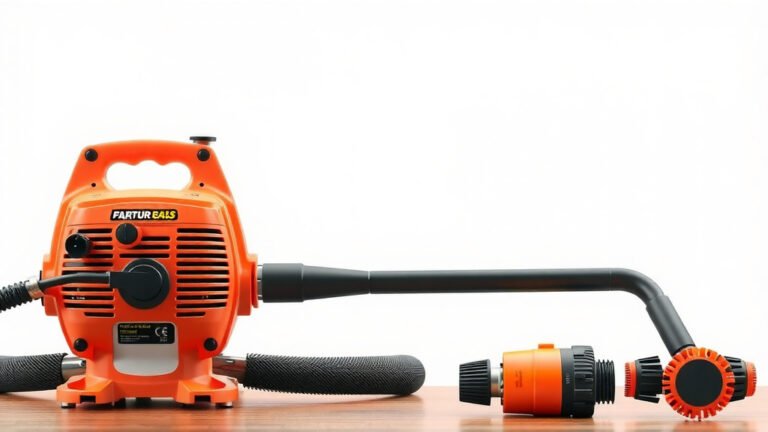
If you’re looking for the easiest option on your body, corded electric blowers win almost every time. Most weigh between 5 and 9 pounds. That’s light enough to hold with one hand for a few minutes.
The trade-off is the cord. You’re tethered to an outlet, which can be frustrating on bigger properties. But for a small yard under a quarter acre, these are a great choice.
We found that these blowers usually have enough power for dry leaves and grass clippings. They struggle with wet, packed debris. Still, you’ll barely feel the weight when you’re done.
Battery-Powered Handheld Blowers: The Balanced Option
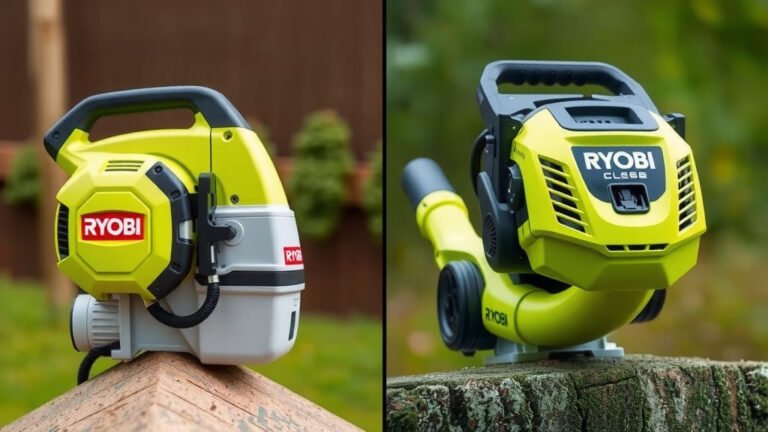
Battery blowers sit in a nice middle ground. They run 6 to 10 pounds depending on the battery size. The battery itself adds noticeable weight, sometimes up to 2 pounds alone.
Bigger batteries give you more run time but more weight. Smaller batteries keep things light but you’ll swap them out more often. You have to decide what matters more for your situation.
Most homeowners we’ve seen pick a 40V or 60V model. These balance power and weight pretty well. Expect about 30 to 45 minutes of actual use per charge, which is plenty for a standard yard.
Gas Handheld Blowers: The Workhorses
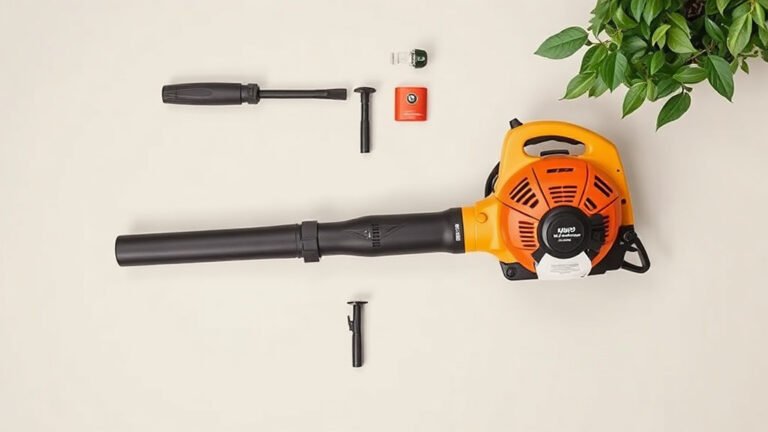
Gas handheld blowers are the heaviest of the handheld options. They tip the scales at 10 to 15 pounds. The engine, fuel tank, and metal parts add up quickly.
But that weight buys you serious power. Gas blowers push significantly more air than electric models. We found that they handle wet leaves and pine needles much better than their cordless cousins.
The downside is fatigue. After 20 minutes of use, most people feel the burn. If you go this route, take breaks and switch arms frequently to avoid soreness the next day.
Backpack Leaf Blowers: Heavy but Balanced
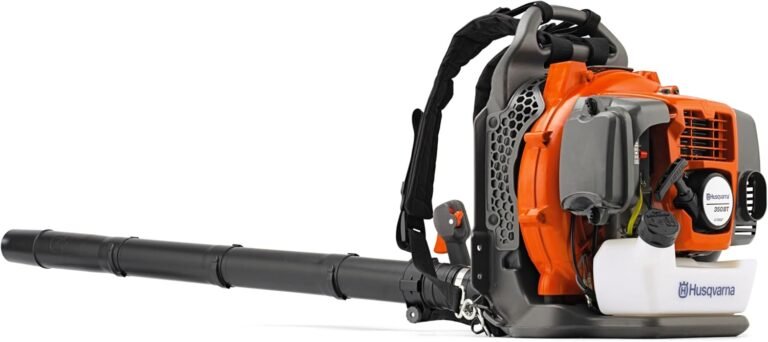
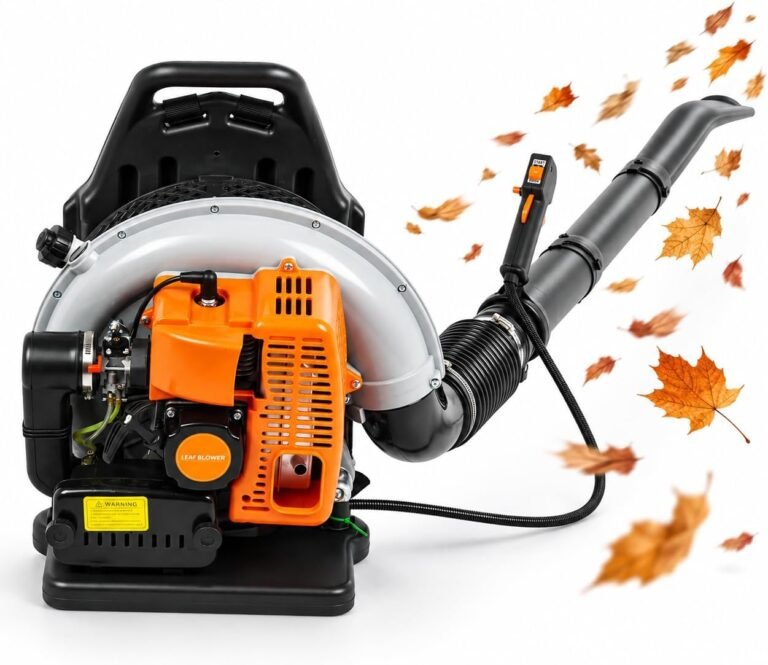
A backpack blower weighs 20 to 25 pounds total. That sounds heavy, and it is. But the weight sits on your back and hips, not in your hands. The actual handheld portion is only 5 or 6 pounds.
This design makes a huge difference. Your legs carry the load while your arms only guide the nozzle. Professional landscapers almost always choose backpacks, and there’s a reason for that.
Many experts say you can work all day with a backpack blower if you’re in decent shape. That’s impossible with most handheld models. If you have a big yard or plan to use the blower professionally, this is worth considering. Our guide to the best backpack leaf blower 2025 models can help you compare top options.
Wheeled and Walk-Behind Blowers
These are the heavyweights of the leaf blower world. Some models weigh over 100 pounds, but they push themselves. Your job is just steering and keeping the throttle open.
Wheeled blowers are rare for residential use. They’re more common on farms, golf courses, and commercial properties. We only mention them here in case you were wondering about all the options.
What Actually Adds Weight to a Leaf Blower
You might wonder why some blowers feel heavier than their listed weight suggests. The answer comes down to materials and components. We’ve broken down the main culprits so you know what you’re paying for.
Engine and Motor Size
A bigger engine means more power and more weight. Gas engines have pistons, cylinders, and metal housings. Electric motors are smaller but still add mass, especially on high-torque models.
We found that engine displacement correlates directly with weight. A 25cc engine weighs less than a 50cc engine. That’s a simple rule to remember when comparing models.
Battery Capacity
Lithium-ion batteries are dense. A 5Ah battery weighs significantly more than a 2Ah battery. If you need long run times, you’ll be carrying that extra weight.
Some manufacturers let you use the same battery across multiple tools. That means you might be buying a heavier battery even if the blower itself is light. Check the total system weight, not just the tool.
Build Materials
Cheap blowers use thin plastic to save weight and cost. Quality blowers use thicker, reinforced plastic and sometimes metal components. These last longer but weigh more.
Research and found that budget blowers often crack after a season or two of heavy use. Spending a bit more on a sturdier unit usually means less waste in the long run. It’s a trade-off between weight and durability.
What Is the Ideal Weight for Your Situation?
We get this question a lot. Honestly, there’s no single answer that works for everyone. But we can give you some practical guidelines based on common scenarios.
Small Yards Under a Quarter Acre
Stick to a corded electric blower or a lightweight battery model. You’ll only be working for 15 to 20 minutes. The weight matters less at this scale, but lighter is still easier.
Look for something under 8 pounds. It’ll be easier to store and handle in tight spaces. You don’t need commercial power for a small patch of grass.
Medium Yards Around Half an Acre
A battery blower in the 8 to 10 pound range is your best bet. This gives you enough power for general cleanup without exhausting you.
We recommend trying the blower in the store if possible. Hold it for a minute and see how it feels. Your own body will tell you if it’s too heavy.
Large Yards Over an Acre
Consider a backpack blower, even if it feels intimidating. The weight distribution is so much better that you’ll actually feel less tired at the end of the day. If you’re leaning toward a backpack, our roundup of the best backpack leaf blower options is a great starting point.
Yes, it costs more. Yes, it’s bulkier. But your arms and back will thank you. We’ve heard from countless homeowners who switched from handheld to backpack and never looked back.
Older Users or Those with Joint Issues
If you have arthritis, shoulder problems, or general weakness, prioritize the lightest option possible. Our research shows that a corded blower under 6 pounds is the gentlest choice.
You might also consider a leaf rake or a lawn vacuum as alternatives. Sometimes the tool has to be something other than a blower to keep you comfortable and safe while working outside.
Practical Tips for Managing Blower Weight
If you already own a heavier blower, don’t worry. There are ways to make it more manageable. Even small tweaks in technique can reduce strain and keep you working longer.
- Take regular breaks every 10 to 15 minutes to shake out your arms and stretch your shoulders.
- Switch hands often to prevent one arm from doing all the heavy lifting.
- Use a harness or strap if your model supports one. It transfers some of the weight to your torso.
- Keep the blower close to your body instead of reaching forward. Working in smaller, closer arcs reduces strain.
- Do the heaviest work first while you still have energy, then finish with the lighter areas.
- Stay hydrated and stretch before and after use. The Mayo Clinic emphasizes that proper form and hydration reduce muscle fatigue.
How to Check Weight Before You Buy
Spec sheets are helpful but sometimes misleading. Listed weights may not include the battery, fuel, or attachments. Always check the “shipping weight” or look for weight with a full tank and battery.
We also suggest reading online reviews. Real users will tell you if a blower feels heavier than expected. That collective feedback is often more reliable than the marketing numbers.
The Bottom Line on Leaf Blower Weight
You now have a solid idea of what’s out there. Match the weight to your yard size and your physical comfort level. A blower that’s too heavy ends up sitting unused in the garage. One that’s too light might frustrate you with poor performance.
We’re confident that the 8 to 12 pound range works well for most homeowners. It’s the sweet spot between power and comfort. Start there and adjust based on what feels good in your hands.
Conclusion
So, how much does a leaf blower weigh? The range is wide: 5 pounds for a simple corded model, up to 25 pounds for a professional backpack unit. Your choice comes down to your yard size and your own physical limits.
You want a blower that fits your strength and your property. A heavy blower that tires you out is a bad investment. A light blower that lacks power for wet leaves is just as frustrating. Aim for that 8 to 12 pound sweet spot if you’re unsure. It balances capability with comfort.
Before you buy, pick it up in the store. Hold it the way you would in the yard. That simple test tells you more than any spec sheet. Then, match that feel to the work you need to do. Your arms will thank you next spring.
Frequently Asked Questions
Is a 15-pound leaf blower too heavy for most people?
A 15-pound gas handheld blower is on the heavy side for the average homeowner. You’ll feel it in your arms and back after about 15 to 20 minutes of use. If you need commercial power, try a backpack model instead for better weight distribution. Your shoulders will handle a backpack far better than your wrists can handle a handheld.
Does the listed weight on a leaf blower box include the battery?
Not always. We found that many manufacturers list the bare tool weight without the battery, which can add up to 2 or 3 pounds. Always check the spec sheet for the “tool plus battery” weight. If it isn’t listed, check the “shipping weight” column on the product page, as it usually includes everything in the box.
How much does a leaf blower weigh in kilograms?
For our US readers working with metric units, here’s a quick conversion. A 5-pound blower is about 2.3 kilograms. A typical 10-pound blower is about 4.5 kilograms. A heavy 20-pound backpack blower is roughly 9 kilograms. These numbers give you a solid reference if you’re comparing specs across regions.
Will a heavier leaf blower always have more power?
Heavier blowers usually have bigger engines or motors, which often means more air power. But this isn’t always the case. We found that some modern electric models deliver strong airflow while staying under 8 pounds. Compare the cubic feet per minute (CFM) and miles per hour (MPH) ratings, not just the weight.
What’s the lightest leaf blower that still works well for fall cleanup?
Corded electric blowers are your best bet if you want the lightest option. Many weigh around 5 to 6 pounds and still handle dry leaves without much trouble. We suggest looking for one with at least 400 CFM of air volume. That’s enough to move standard fall leaves without leaving you exhausted at the end of the day.