
How to Ban Leaf Blowers in Your City: A Guide
The most direct way to ban leaf blowers in your city is to start with your local city council and push for a formal ordinance. You need to gather neighbors, present health and noise data, and attend public meetings to get a vote on the issue.
Leaf blower bans are gaining traction across the US as research shows the environmental and health impacts of gas-powered models. You aren’t alone in wanting quiet. Many communities have already passed restrictions on both gas and electric blowers, and you can follow their playbook to win your own local victory.
- Check your city’s current noise and air quality codes first.
- Recruit like-minded neighbors to form a small advocacy group.
- Collect research on the health risks and noise levels of leaf blowers.
- Present your case at a public city council meeting with a clear proposal.
- Offer a compromise timeline so landscaping businesses can adapt.
Below, we break down the exact steps we found that successful communities used to pass their bans.
Building Your Citywide Leaf Blower Ban Strategy
You have the power to bring quiet back to your neighborhood. We found that successful bans start with a clear plan, a small team, and a solid understanding of how your local government works. This guide walks you through each step, from reading your city’s codes to the final council vote. You will learn the exact playbook that worked for towns across the US, and you can apply it directly to your own community.
Many experts say the process takes 6 to 12 months from start to finish. The key is staying organized and keeping your message simple. Let’s get started.
Step One: Know the Current Laws and Players
Before you demand change, you need to know the rules that already exist. You cannot fight a battle without knowing the terrain. Start by pulling up your city’s municipal code online. Look for sections on noise, air quality, and landscaping regulations. You might be surprised to find a partial ban already on the books.
For example, many cities have noise limits that apply during certain hours. If a leaf blower operates from 8 AM to 6 PM only, that is a starting point. Research found that existing noise ordinances are often the easiest lever to pull because they already have legal structure.
Identify your city council members too. Find out who represents your district. Understand their history on environmental issues. We found that a friendly council member is worth more than a hundred angry complaints. They can sponsor your ordinance and guide it through the committee process.
Checking for Existing Noise and Air Codes
You want to look for two specific things in the code. First, check noise level limits measured in decibels. Second, check if the city regulates “air pollutants” from small engines. A typical gas leaf blower produces noise at 80 to 90 decibels from the operator’s ear level, which exceeds normal conversation levels by a lot (CDC). If your city has a 65-decibel daytime limit, you already have a strong case.
Make a simple chart of what the code says. Bring this to your first meeting. It shows you did your homework, and it gives the council a legal hook to hang the new ban on.
Step Two: Recruit Your Core Advocacy Team
You need more than a one-person crusade. You need a group of people who will show up, speak, and write letters. Many experts say that a group of five dedicated organizers is enough to win a local ordinance. Your team does not need to be huge, but it needs to be reliable.
Start with your immediate neighbors. Knock on doors or use a neighborhood app. Post a message in your local community group asking who hates the noise. We found that parents with young kids, retirees, and people who work from home are your natural allies. They are affected by the noise during the day when most leaf blowers are running.
Do not forget to include people who love their lawns. You need their buy-in so they do not oppose you. Frame it as a health issue, not a war on landscaping. You are not banning lawn care, just the loud, polluting way it is done now.
Assigning Roles for Maximum Impact
Give everyone a specific job. You need a researcher, a writer, a spokesperson, and a social media person. You will also need someone who can attend every committee meeting. Consistency matters. We found that the same faces at every meeting builds trust with the council.
- Researcher: Collects health studies and city data on noise complaints.
- Writer: Drafts letters to the editor and press releases.
- Spokesperson: Presents the case at public meetings and talks to local news.
- Community Organizer: Manages the petition and recruits new supporters.
Set a weekly check-in call. Keep the group tight and focused. This is a marathon, not a sprint. You need to keep the energy up for months.
Step Three: Gather Solid Research and Evidence
Your argument will fall flat if it is all emotion. You need hard data. We found that the strongest cases rely on peer-reviewed research and local statistics. Gather studies that show the health effects and noise levels of leaf blowers. The data is very clear and it is on your side.
A single gas leaf blower running for one hour emits the same amount of hydrocarbons as driving a car for over 1,000 miles (EPA data). That is a shocking fact that gets attention. You can also cite the fact that gas blowers are responsible for more CO2 emissions annually than a typical pickup truck.
Collect local noise complaint records. File a public records request with your city for all noise complaints in the last year. Highlight how many are related to landscaping. We found that this data often surprises council members who think noise is not a big issue.
Key Health Data to Cite in Your Presentation
Your health argument is your most powerful tool. The small engines in leaf blowers lack catalytic converters, so they emit high levels of fine particulate matter. Research shows these tiny particles penetrate deep into the lungs and have been linked to respiratory issues and heart disease (NIH). Workers who use blowers daily face the highest risk.
Do not forget the noise pollution angle. Chronic exposure to loud noise increases stress hormones and is associated with higher rates of anxiety and sleep disturbance (MedlinePlus). The constant racket is not just annoying; it is a public health issue. Make this the heart of your presentation.
Step Four: Draft a Practical Ordinance Proposal
Your proposal must be realistic or it will not pass. You cannot demand an immediate, all-out ban. The landscaping industry will fight back hard. We found that successful bans include a phase-in period and exemptions. This makes the ordinance palatable to the businesses that depend on this equipment.
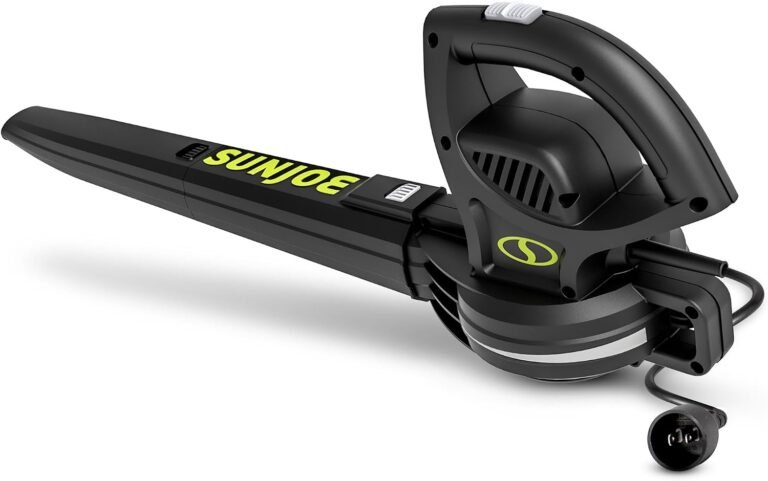
Write your ordinance with clear language. Define what a “leaf blower” is. Specify the decibel limit for allowed equipment. Many cities ban gas-powered blowers but allow quieter electric models. Others ban all motorized blowers and only allow rakes and brooms. Choose the approach that fits your community.
Include a timeline. For example, a ban on gas blowers takes effect in 12 months. This gives landscaping companies time to transition to electric batteries. Offer resources or a rebate program if your city has the budget. Show that you care about the workers, not just your own comfort.
Here is a sample checklist of what your ordinance should contain:
- Scope: Define what equipment is banned (gas vs. electric).
- Effective Date: Give a timeline of 6 to 12 months.
- Exemptions: Golf courses, public parks, or cleanup after storms.
- Penalties: Fines for first-time and repeat offenders.
- Enforcement: Who handles complaints and how are they verified?
Step Five: Rally the Community and Gather Formal Support
Now you need to prove that you have public support. Council members need to know their voters want this. Start a petition on paper and online. We found that collecting at least 200 signatures gets the council’s attention, but 500 is much stronger. Focus on getting signatures from people who actually vote in your city.
Get endorsements from local organizations. Talk to the school board, the parent-teacher association, and local environmental groups. A public endorsement from your city’s health department adds huge credibility. If a local doctor or nurse will speak at a meeting, bring them along. Their voice carries weight.
Do not forget to use social media. Create a Facebook group and share local articles about the effects of leaf blowers. Post pictures of your neighborhood on quiet mornings. Write a letter to the editor of your local paper. This keeps the issue alive in the public eye.
Handling Opposition from Landscaping Companies
The lawn care industry will likely oppose you. It is important to listen and respond with empathy. They worry about the cost of new equipment. Electric blowers can be expensive, and battery life is a real concern for commercial crews. Do not dismiss them.
Meet with local landscaping business owners before the public hearing. Ask about their concerns. Many experts say that finding a compromise wins more votes than ignoring them. Offer to advocate for a city-funded subsidy program. Show them the cost savings of electric over time. Gas prices go up, electricity is cheaper per use.
Step Six: Present Your Case at Public Hearings
This is the big moment. You will have limited time to speak. We found that you should arrive early, sign up to speak, and keep your presentation under 3 minutes. Council members hear dozens of speakers. You need to be clear, concise, and polite.
Tell a personal story. Use a 30-second anecdote about being unable to work or enjoy your garden because of the noise. Then, follow it with hard data. We found that a story followed by statistics is the most memorable combination for elected officials.
Bring visual aids. A simple chart showing noise decibel levels of a gas blower versus an electric one helps a lot. Pass out a one-page summary with your main points. Do not read from your slides. Talk to the council like you are talking to a neighbor.
What to Say in Your Three-Minute Speech
Start by thanking the council for their time. Introduce yourself as a resident and voter. State your ask clearly: “We request a ban on gas-powered leaf blowers within the city limits.” Then, share your one health statistic. Then, your one noise fact. Finish by saying you have gathered X signatures from community members.
Offer a clear next step. Ask them to refer the ordinance to the environment committee. This pushes the process forward. It turns your request from a discussion into an official action item. Do not end with a vague “thank you.” End with a specific directive.
Step Seven: Navigate the Committee and Legal Process
After the public hearing, your proposal goes to a committee. This is where the details are worked out. We found that this stage takes the most patience. The ordinance might get revised, delayed, or amended. Attend every committee meeting and provide comments at each one.
Be ready for negotiations. The committee might suggest a seasonal ban instead of a year-round one. Or, they might ban “leaf blowers” but exempt “lawn vacuums.” We found that you must stay flexible. A partial win is better than no win at all. You can always strengthen the law later.
Use a media presence to keep pressure on. If the committee delays, write another letter to the editor. Share an update in your Facebook group. Ask supporters to email the committee members. This shows that the community is watching and waiting for action.
Track the progress on a spreadsheet. Note every meeting date, every amendment, and every vote. This keeps you organized and gives you a clear picture of what is happening. It also helps you know who voted for you and who needs more convincing.
Step Eight: Secure the Final Vote and Implementation
The final vote is the home stretch. The ordinance moves from committee to the full city council for a vote. You should rally your team one more time. Encourage everyone to attend the meeting. When we look at successful campaigns, the final vote usually passes with a comfortable margin if the groundwork was done well.
If the vote passes, the work is not over. Help the city implement the ban. Ask how they plan to notify residents and businesses. Volunteer to help distribute educational materials. Successful ordinances include a grace period. You have to help people comply so they do not get fined unfairly.
If the vote fails, do not give up. Many cities passed bans on the second or third attempt. Analyze what went wrong. Talk to the council members who voted no. Understand their objections and adjust your proposal for the next cycle. We found that persistence is the single biggest factor in winning these campaigns.
Here is a quick comparison of the two common ban types you might pursue:
| Ordinance Type | Scope | Industry Impact | Ease of Passage |
|---|---|---|---|
| Gas-Only Ban | Bans gas-powered, allows electric | Medium, requires equipment upgrade | Moderate, has industry support compromise |
| Full Ban | Bans all motorized, rakes only | High, changes business model | Harder, strong opposition |
Winning the Long Game for Quiet Streets
You now have a complete roadmap for your campaign. It starts with code research and ends at the council vote. Remember to build a solid team, gather strong data, and stay patient through the legal process. Every noisy leaf blower you hear today is a reminder of why you are

Conclusion
You now have the full playbook to quiet your neighborhood. The path is clear: research your local codes, build a small team, and arm yourselves with health data. Then, push a realistic ordinance with a fair timeline for landscapers to adapt. Persistence is your biggest advantage. Many successful cities didn’t win on the first try.
Do not wait for someone else to start. The first step is simple: look up your city’s noise ordinance this week. Then, send one email to a neighbor who shares your frustration. Your quiet streets are a few meetings away. Start today.
Frequently Asked Questions
Can a city actually ban leaf blowers legally?
Yes, cities have the legal authority to regulate noise and air pollution. Your city council passes ordinances all the time. A leaf blower ban is just another local law. Many towns across the US have already done it successfully.
How long does it take to get a leaf blower ban passed?
Most successful campaigns take between 6 and 12 months from start to finish. The timeline depends on how often your city council meets. It also depends on how much opposition you face from the landscaping industry.
What is the best way to get city council to listen?
Show up with proof of public support. A petition with hundreds of signatures from registered voters gets their attention. A personal story followed by hard health data makes your case memorable. Consistent attendance at meetings builds trust with council members.
Are electric leaf blowers also banned in some cities?
Some cities ban all motorized blowers, but many allow electric models. Gas-powered blowers are the main target because of their emissions and loud noise. Check your local ordinance to see which type your city permits.
How do I handle pushback from landscaping companies?
Talk to them early, before the public hearing. Ask about their costs and concerns. Offer to support a city subsidy program for new equipment. Electric blowers are cheaper to run over time, and that is a fact you can share with them.